Chat with a human
Let us help you pick the perfect camper for your once in a lifetime adventure
|
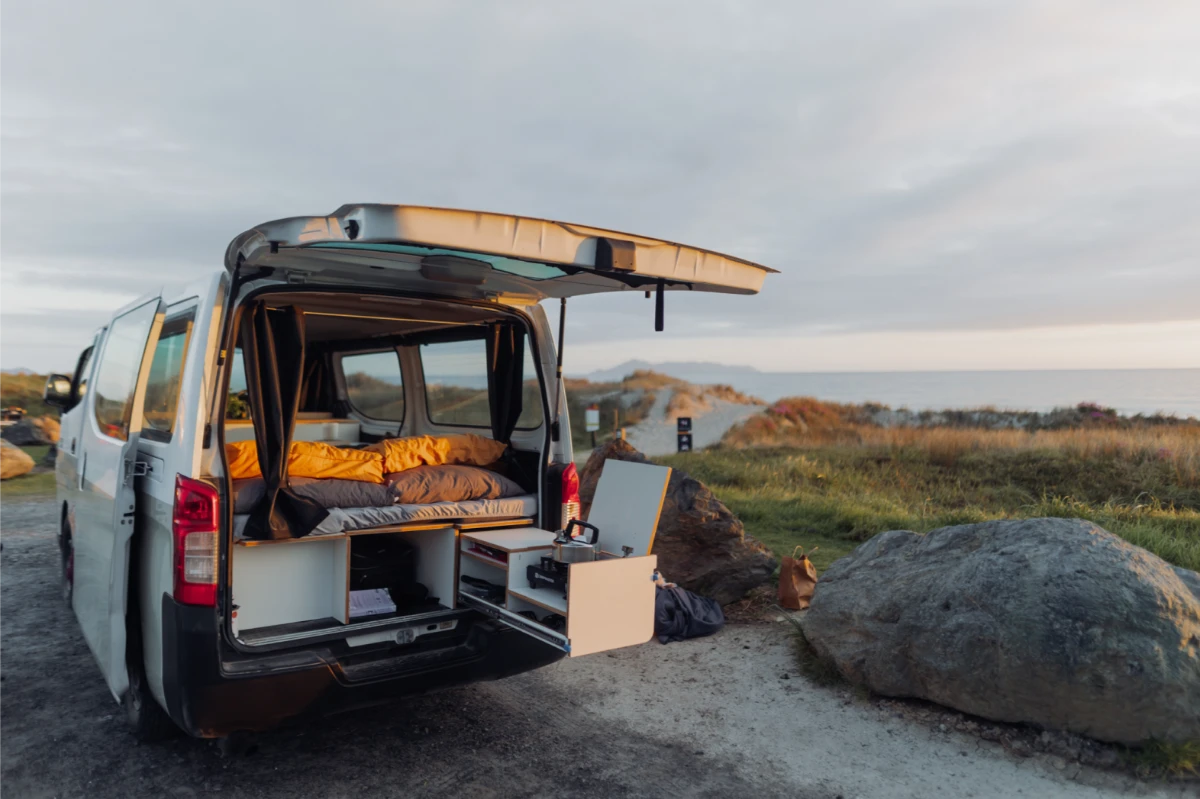
So, what is freedom camping? It's the legal right to stay overnight on public land in New Zealand, outside a paid campground, and it's the reason a campervan trip here beats one almost anywhere else. The catch is that the rules changed in June 2026, and a lot of advice online is now out of date. We've personally parked up at lakes, beaches, and river flats across both islands under these rules. Here's how the system works now, and what it means to our travels. |
Quick SummaryFreedom camping in New Zealand means staying overnight on public land that is not a designated campground - using a vehicle, tent, or other temporary shelter. The Freedom Camping Act 2011 makes it legal by default on most public land. But councils and the Department of Conservation restrict or prohibit it in specific areas, so you can never assume a spot is fair game without checking. Since the 7th of June 2026, most spots require your vehicle to be certified self-contained under the green warrant system, which means a fixed toilet, sealed water and waste tanks, and a warrant card displayed in the vehicle. The old blue stickers are no longer valid, and portable toilets no longer meet the standard. Breaking the rules means facing infringement fees that range from NZ$200 to $800. For the worst offences like dumping waste, court fines can climb up to $2,400. To avoid these fines, hire a certified van, use an app like Rankers or CamperMate to find legal sites, and freedom camping becomes pleasantly accessible. You get to enjoy hundreds of free overnight spots across both islands, in places holiday parks can't touch. |
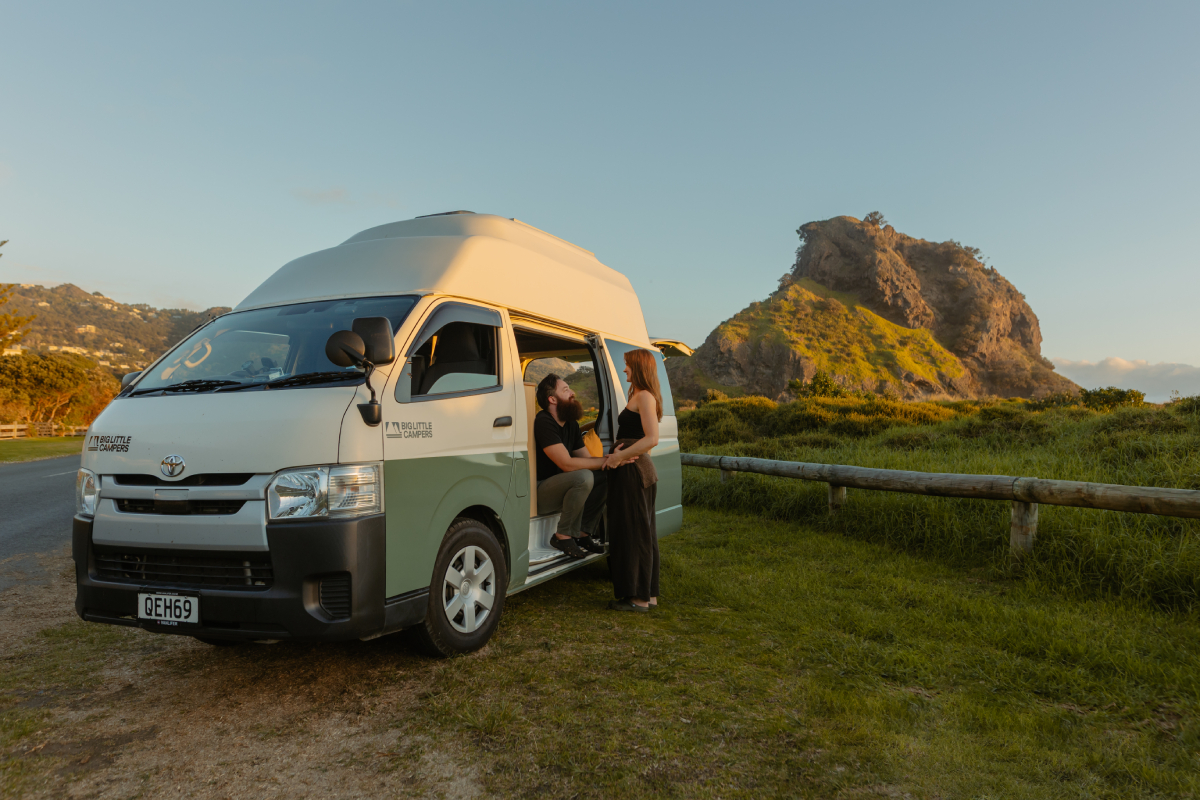
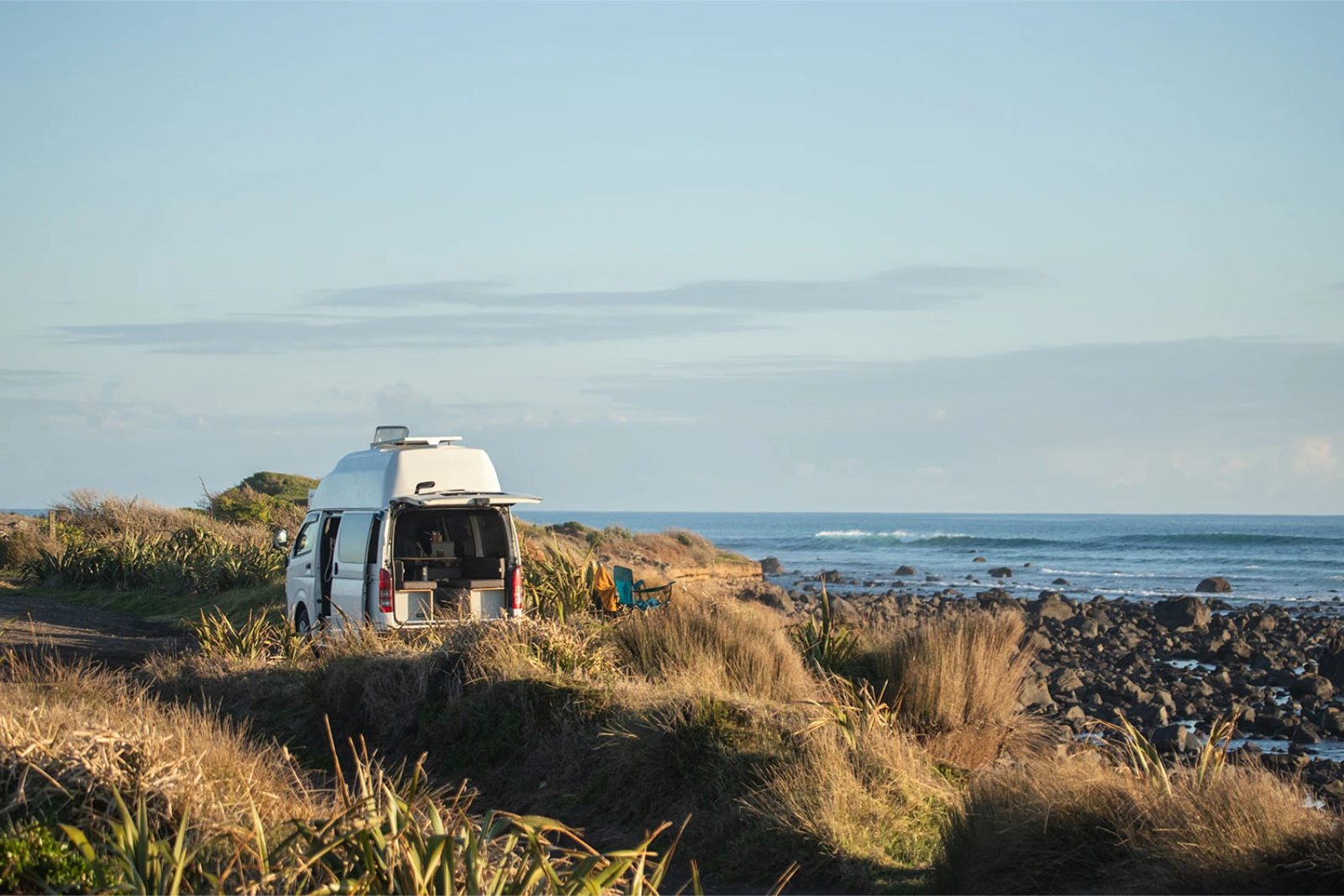
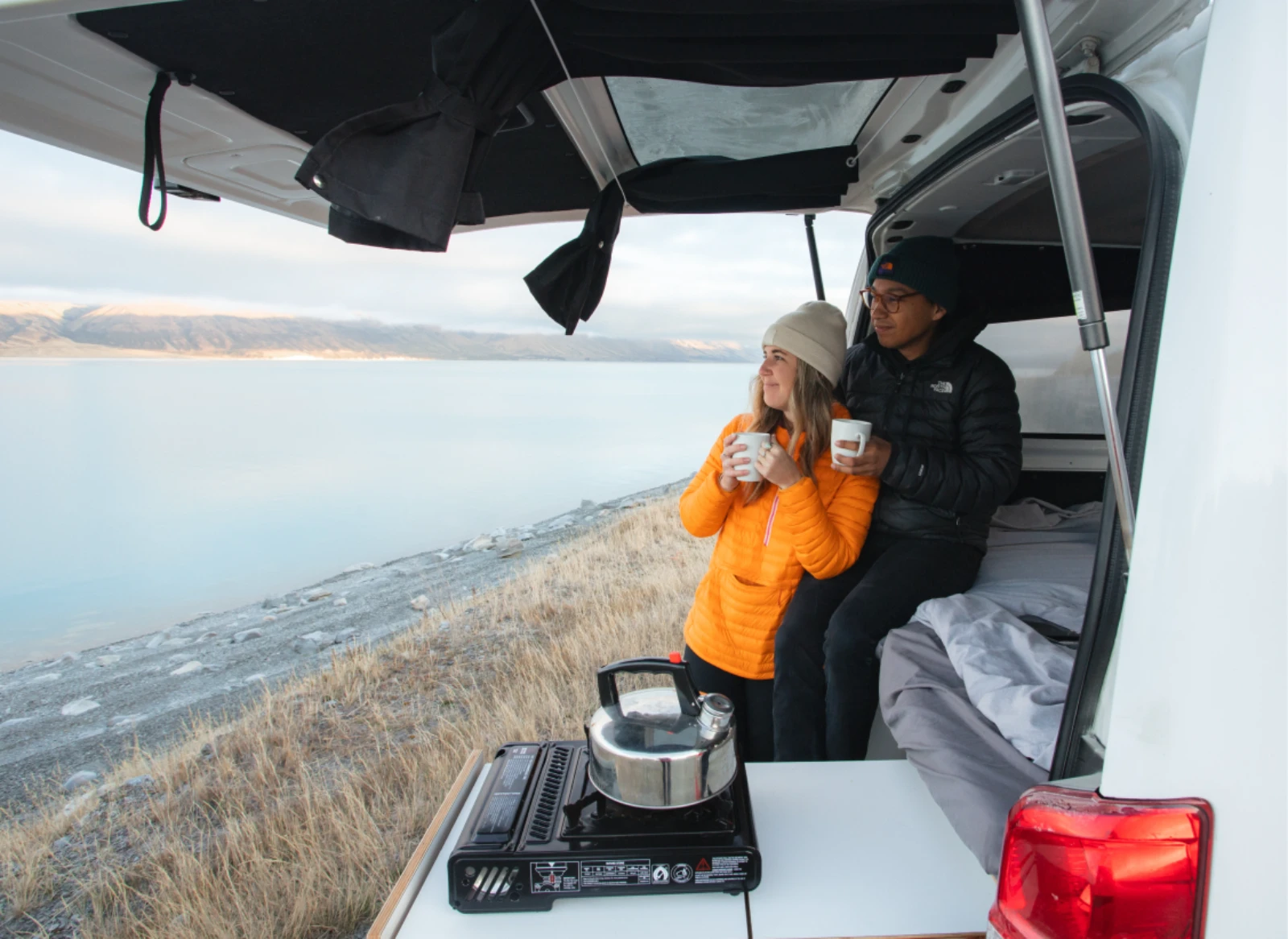
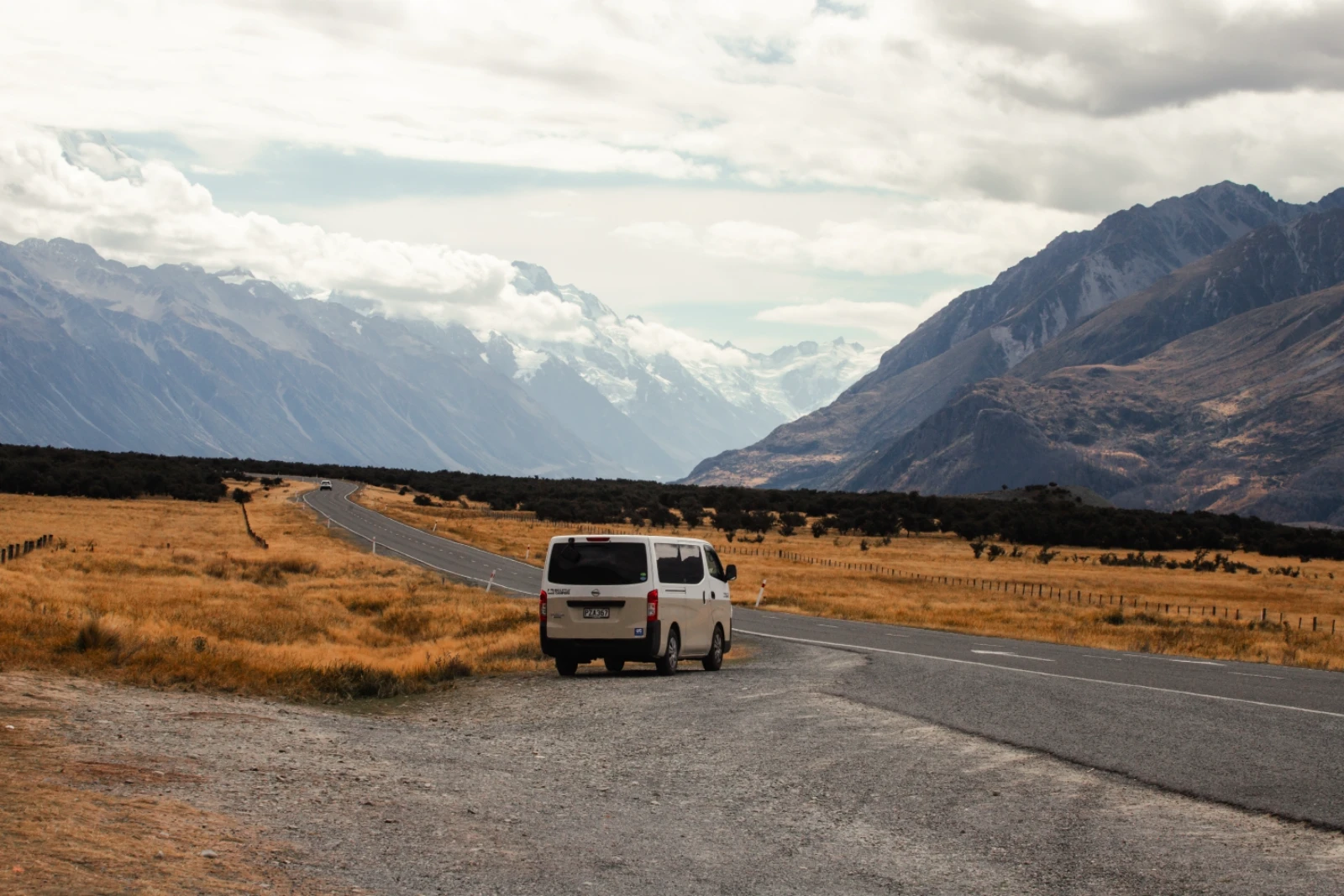
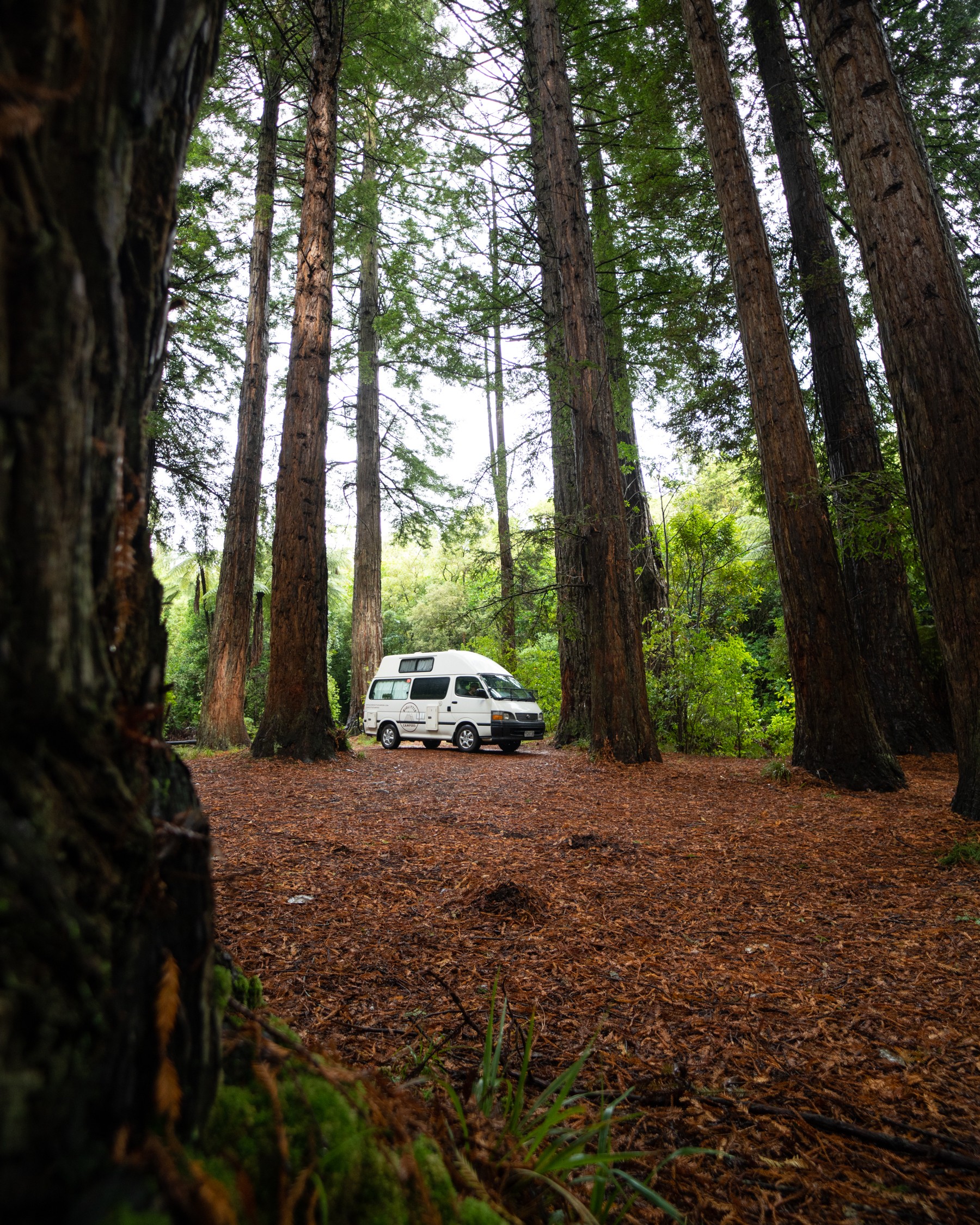
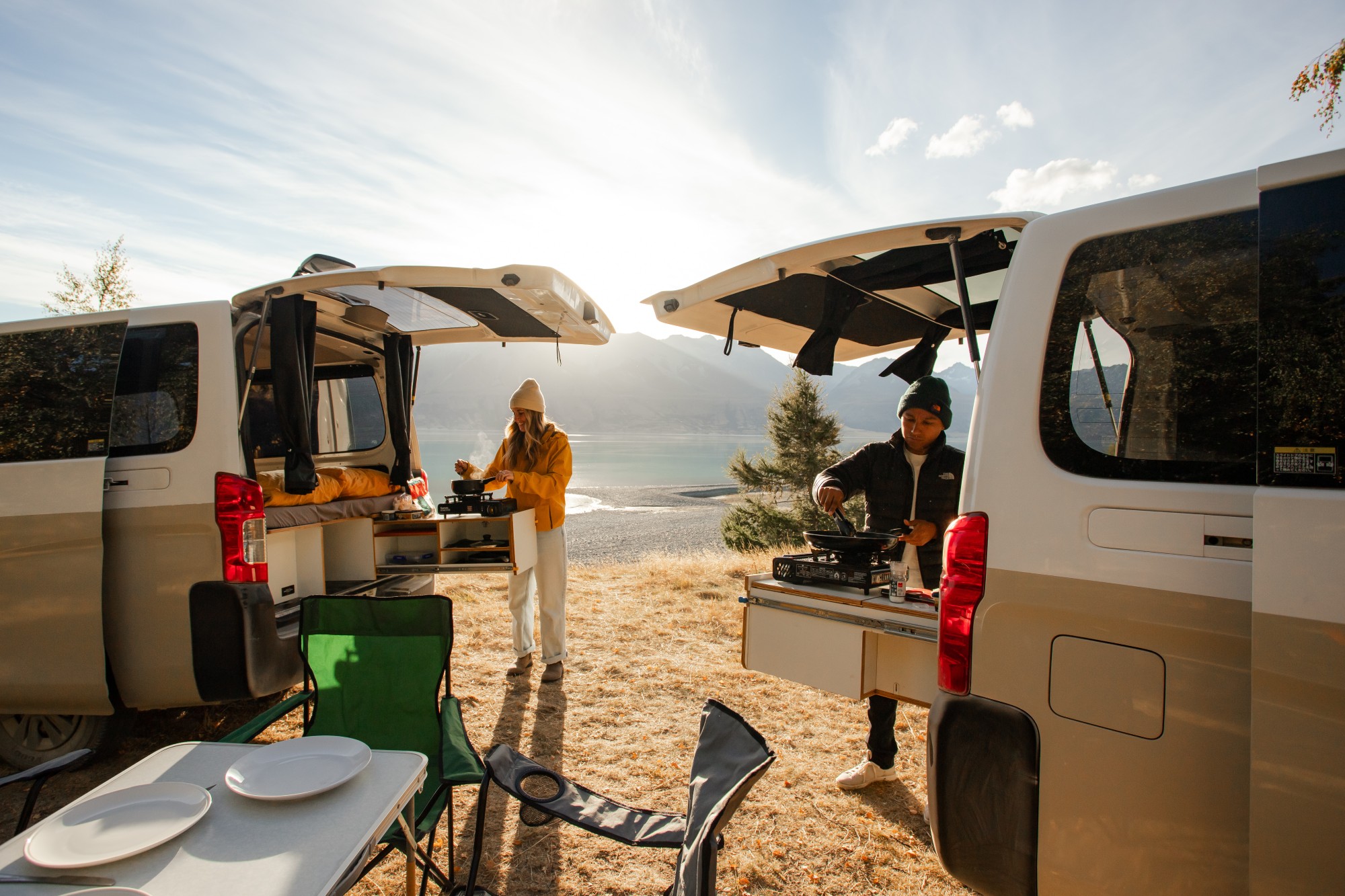
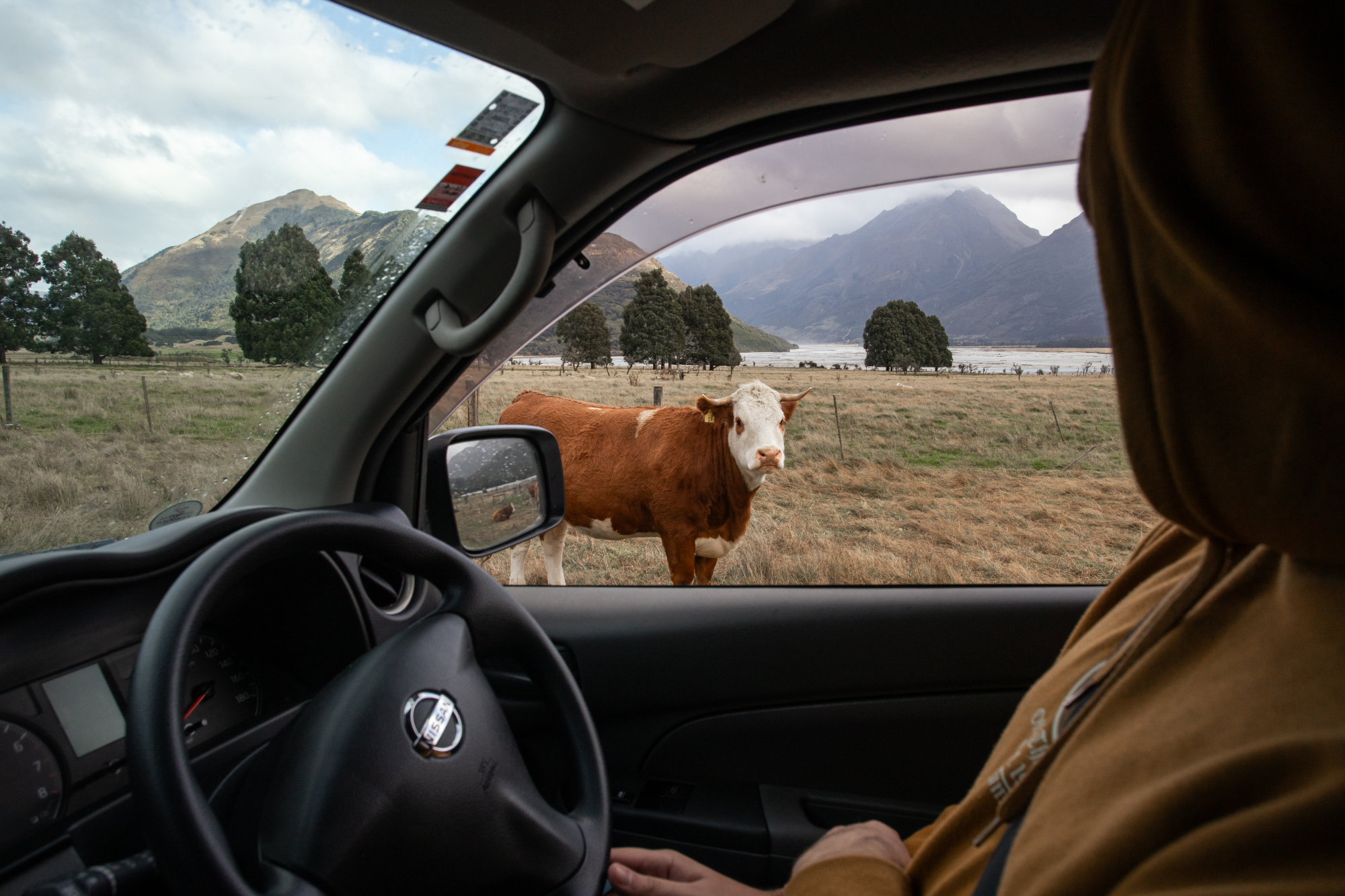
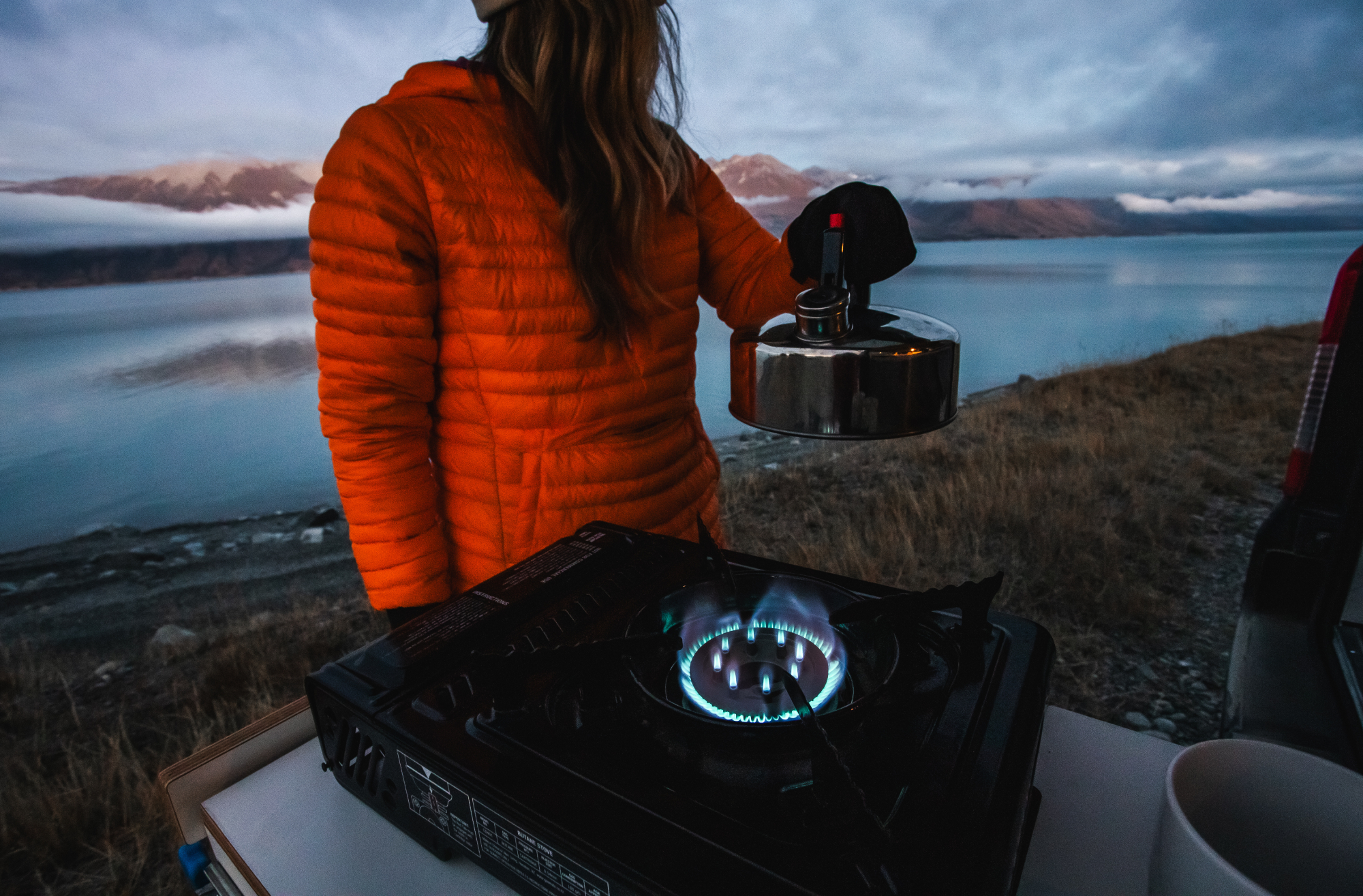
What Is Freedom Camping?Freedom camping is legally defined by the Freedom Camping Act 2011. It means camping on public land that isn't a recognised campground while within 200 metres of an area that is accessible to vehicles. The law itself also regulates what type of campervan should be used, including tents and other temporary setups. In practice, it looks like this: you pull into a designated spot beside Lake Pukaki or a beach reserve on the Coromandel, cook dinner, sleep in the van, and move on in the morning. No booking, and usually no fees. Tourism New Zealand counts more than 500 responsible freedom camping locations across the country, and the Department of Conservation or DOC manages over 320 campsites on top of that. The trade-off for all that access is a rulebook that is quite stricter than it used to be. These rules exist for a simple reason. A decade of growing camper numbers put real pressure on waterways, reserves, and the goodwill of small towns. Because of this, the system now leans hard on one principle: if you stay somewhere without facilities, your vehicle needs to carry its own. Understand that, and every rule below makes sense. |
|
|
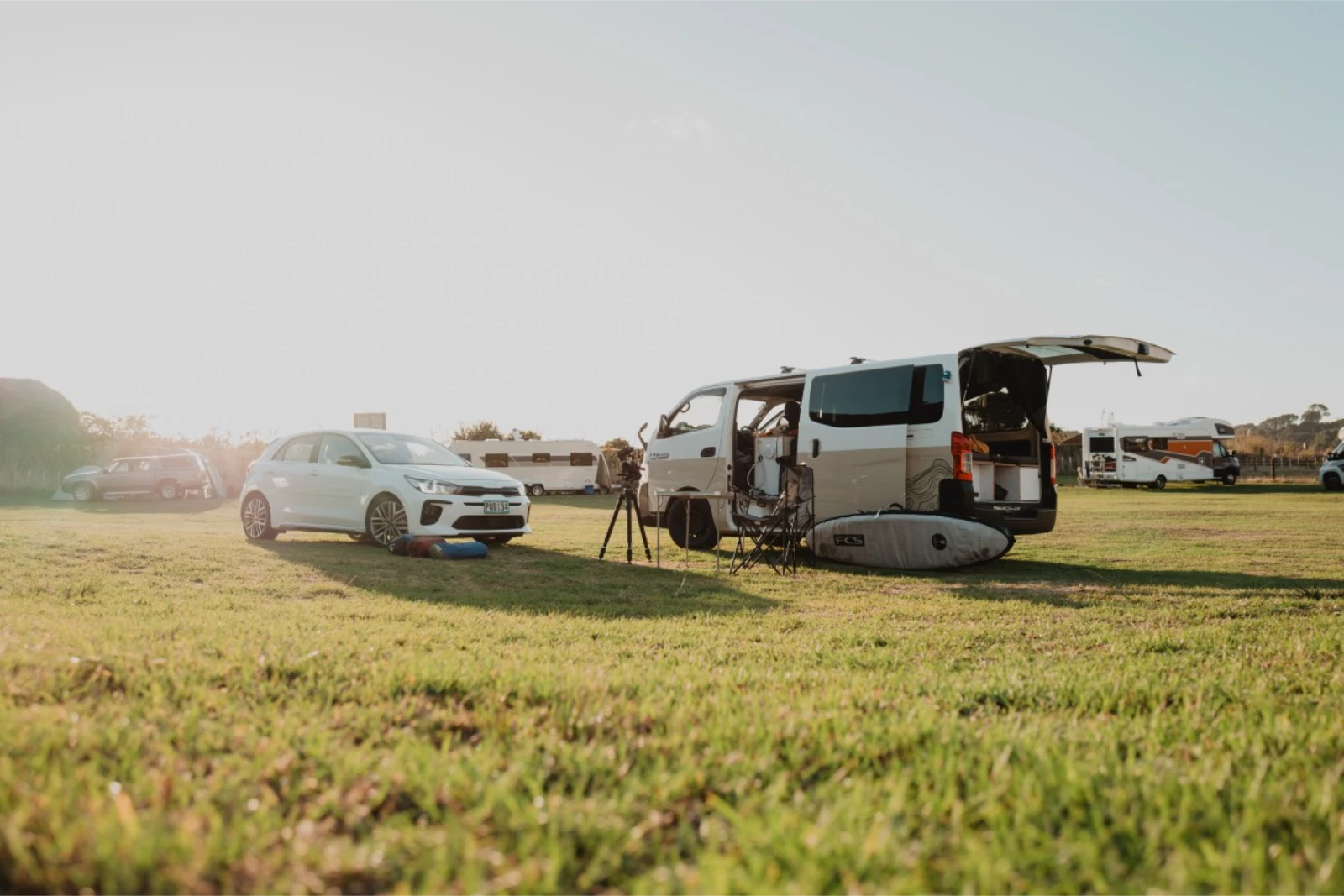
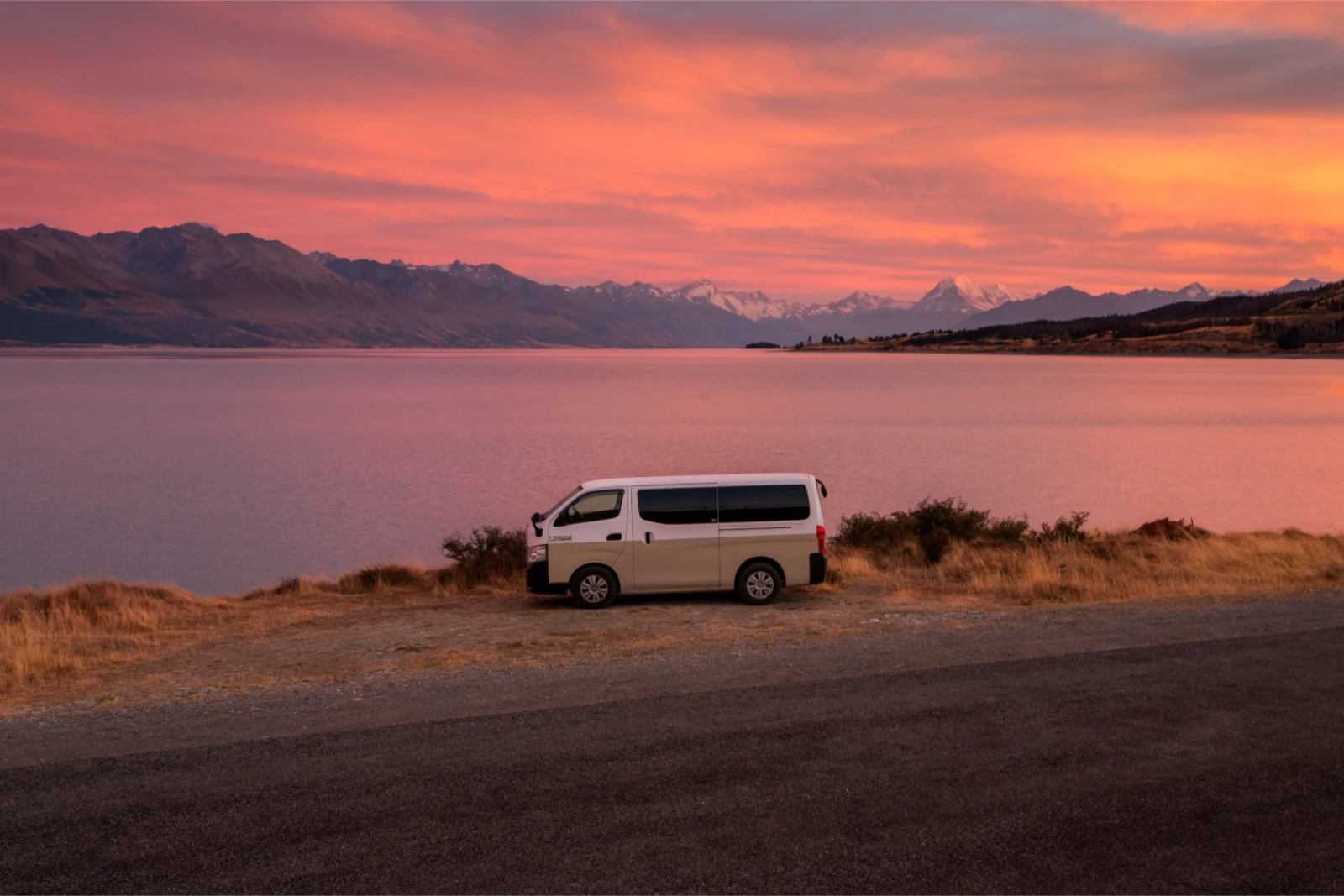
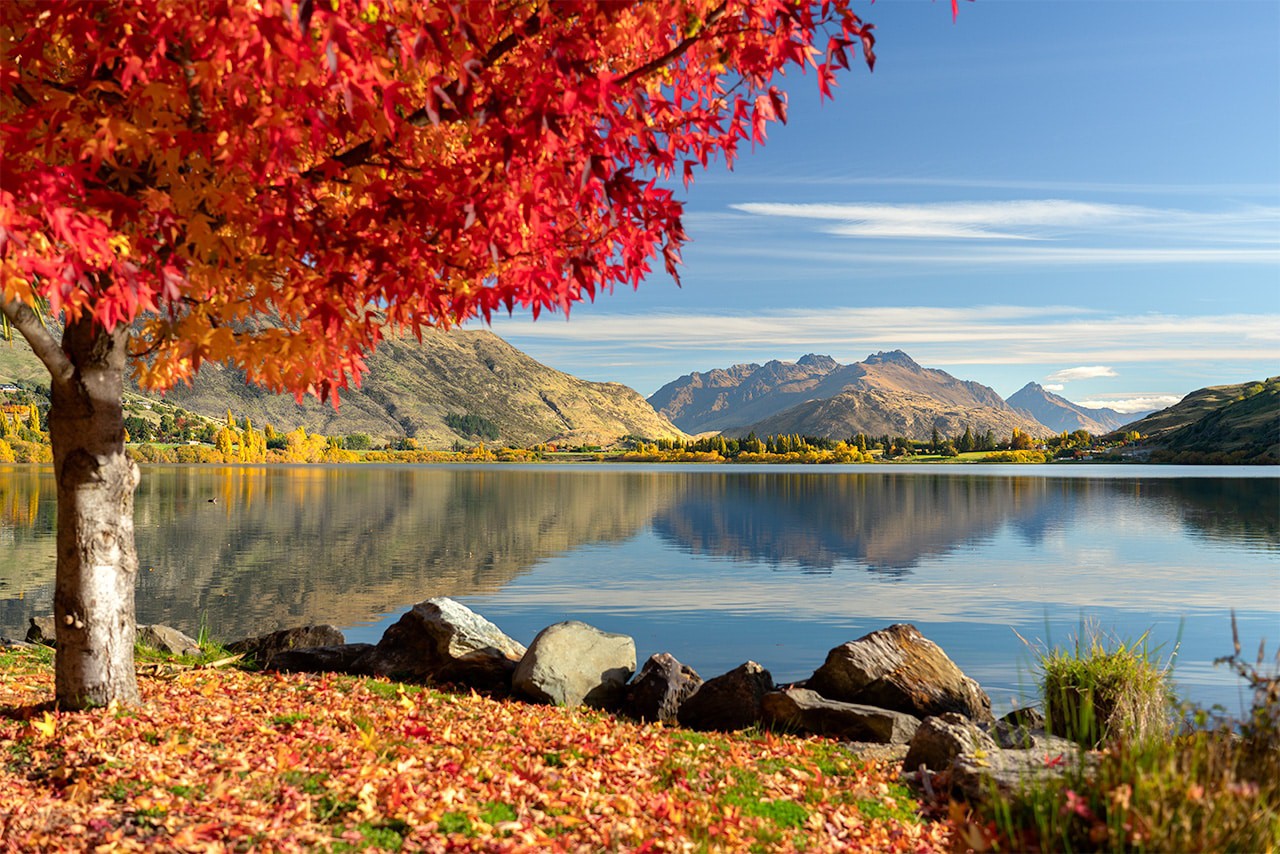
Can You Freedom Camp Anywhere in NZ?No. You can only freedom camp where it's permitted, and three layers of rules decide that. First, each district sets its own restrictions on council land. Common ones include no camping within 1 km of a town centre, self-contained vehicles only, or a one-night limit in designated carparks. Queenstown and the Coromandel are among the tightest. Secondly, on public conservation land, freedom camping is allowed by default except where it's prohibited or restricted. Scenic and recreation reserves are generally off limits unless DOC has approved a campsite, and dogs aren't permitted when freedom camping in national parks. Third, some South Island land managed by Land Information New Zealand also allows camping, mostly around lakes and rivers. The practical answer: don't just rely on a quiet-looking spot. Check the site on Rankers or CamperMate before you commit, then read the signage when you arrive. Both apps work offline and show stay limits, dump stations, and which sites need a self-contained vehicle. A spot that's fine in Southland might earn you a fine in the Coromandel, because the bylaw is different, not the behaviour. Stay limits matter too. Most sites allow one to three nights, and the busiest ones, like Lake Pukaki Reserve in the Mackenzie Basin, cap you at a single night. Our South Island freedom camping guide covers the best legal spots down south, and our campsite directory lists sites we've stayed at ourselves. |
What Do the Self-Containment Rules in NZ Require?Based on current legislation, access to any self-contained-only campsite will only be allowed if the campervan has a duly recognised green warrant. Campervans with the old blue stickers and portable toilets need to upgrade to gain access again. So what does a self-contained vehicle mean actually? To meet the self-contained requirements in New Zealand, a certified self-contained vehicle must have the following:
Certification runs through the Plumbers, Gasfitters and Drainlayers Board (PGDB), which keeps a national register of certified vehicles. Enforcement officers can look your plate up on the spot, so the warrant card in your window needs to match the register. One thing worth knowing: "self-contained vehicles only" signs are now the default at most council sites. The number of places accepting non-certified vehicles keeps shrinking, so having a certified van is the difference between hundreds of options and a handful. |
How Do You Get a Self-Contained Certificate in NZ?If you're hiring a campervan, you don't need to. A reputable operator certifies the fleet, and the green warrant comes with the van. Check before you book, because any van still carrying only a blue sticker locks you out of self-contained sites. If you own your vehicle, the process runs through a PGDB-approved Certification Authority. You book an inspection, the inspector checks the toilet, tanks, sink, and ventilation against the standard, and the vehicle goes on the national register. The cost of a self-containment certificate varies by provider, but expect the mandatory $120 government levy plus an inspection fee, with most owners paying around $220 to $280 all up. The warrant lasts four years unless you modify the setup, which puts the ongoing cost at roughly $60 a year. Most vans that fail do so because of their toilet. It must be permanently fixed to the vehicle, so vans built around a portable loo need a refit before they'll pass. |
|
What Are the Freedom Camping Fines in NZ?Fines start at a $200 infringement fee and scale. The Ministry of Business, Innovation and Employment (MBIE) sets the national schedule:
Councils do enforce these, especially in summer hotspots. Every fine mentioned above is completely avoidable as long as you keep in mind these things: camp only at designated sites, follow the signage, and empty your toilet and greywater at proper dump stations. Rankers and CamperMate both map dump stations nationwide, and they're free to use. |
|
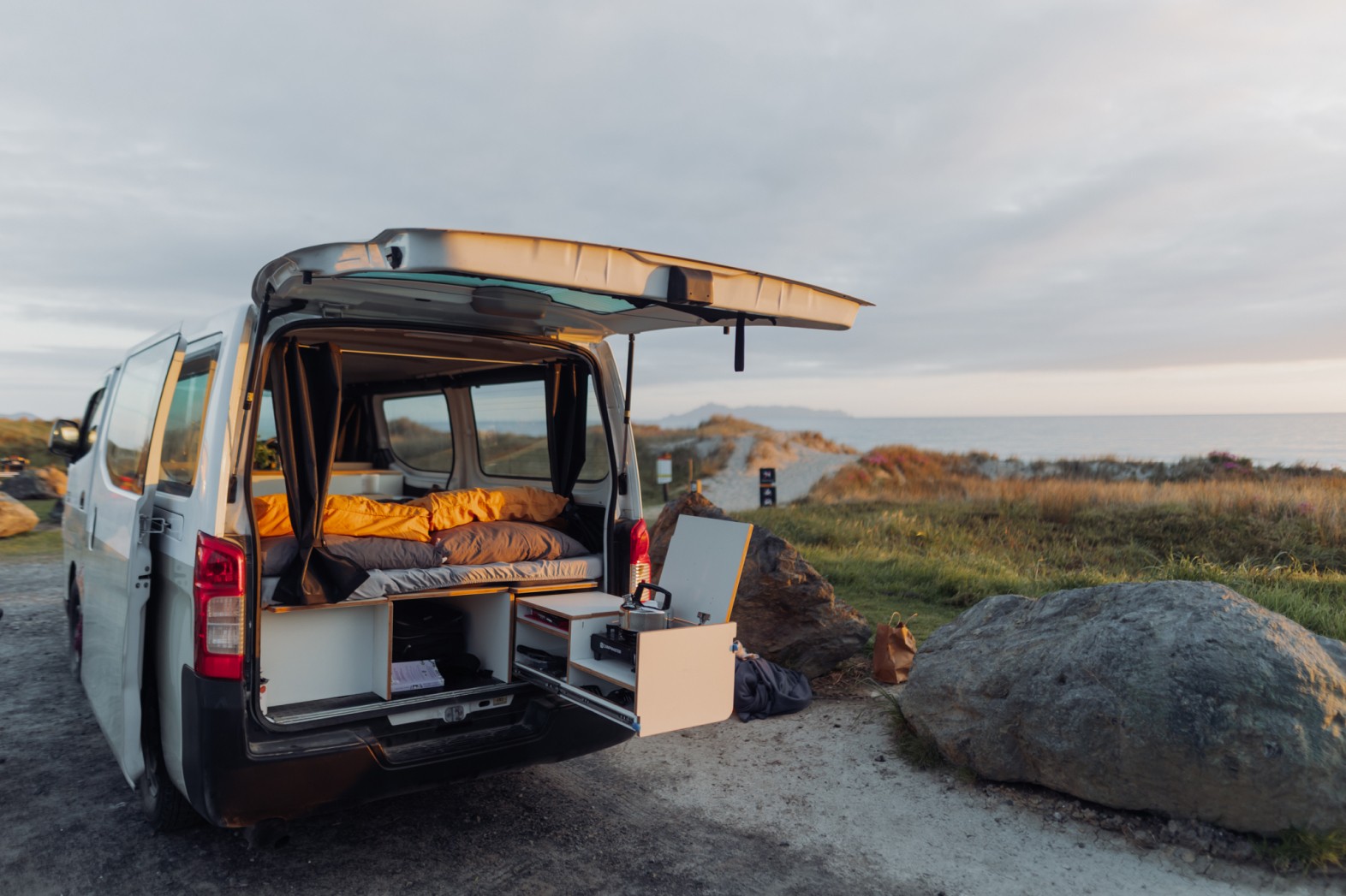
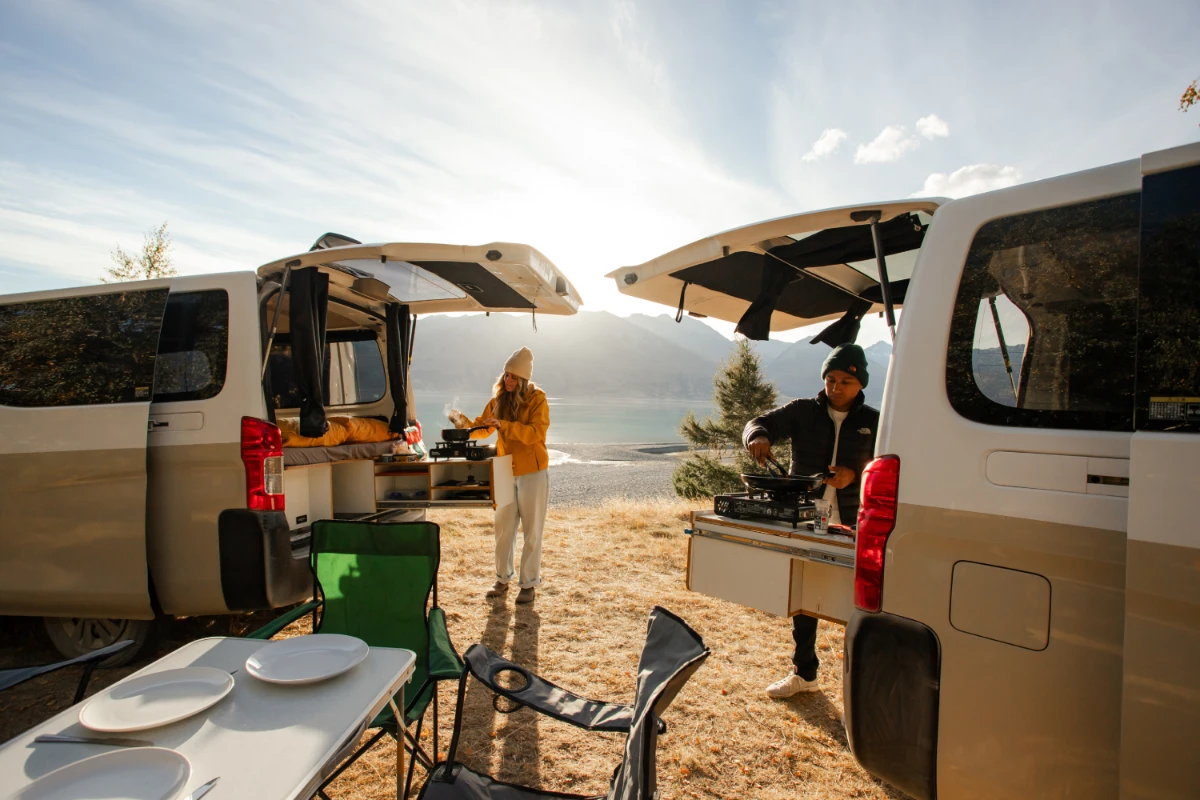
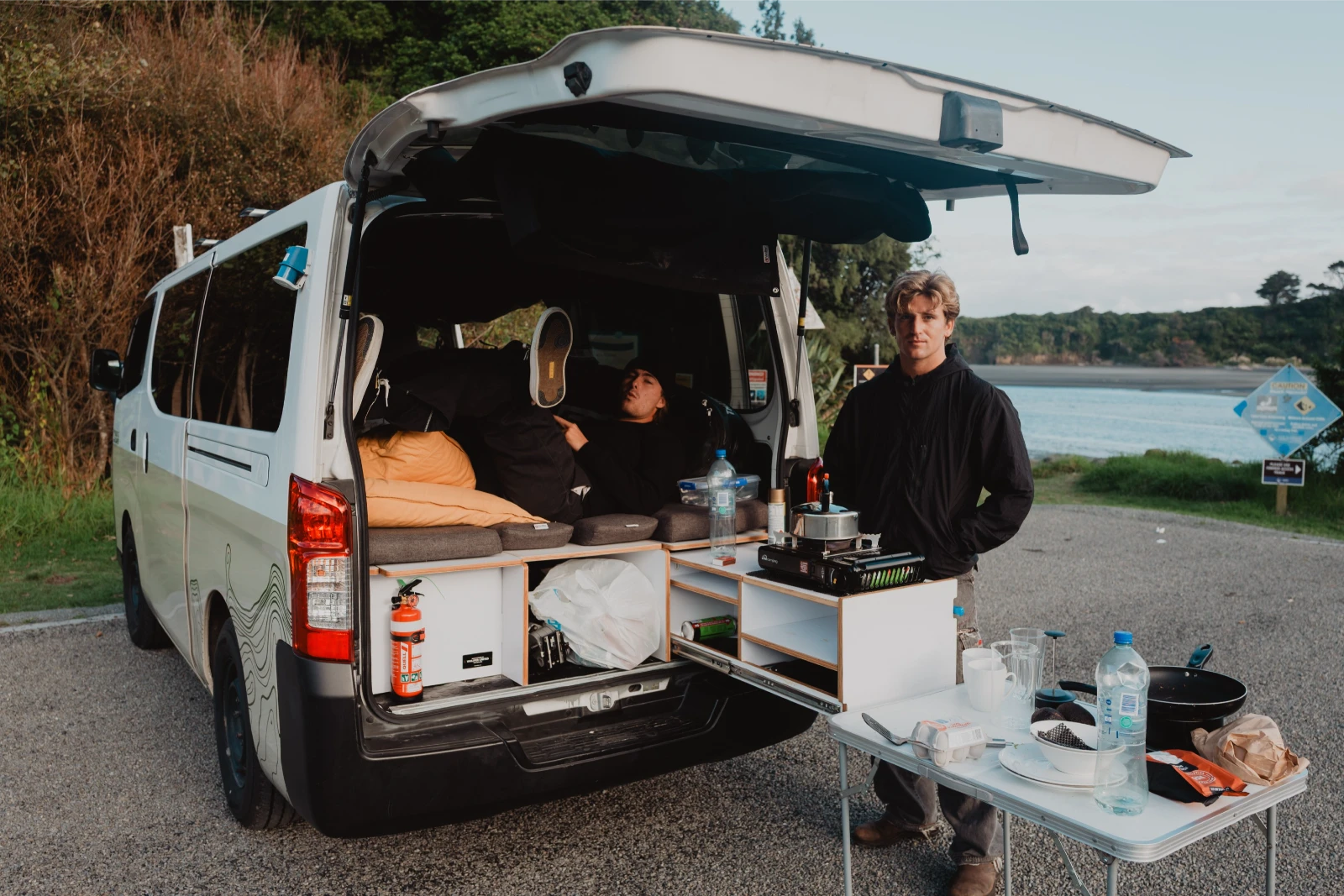
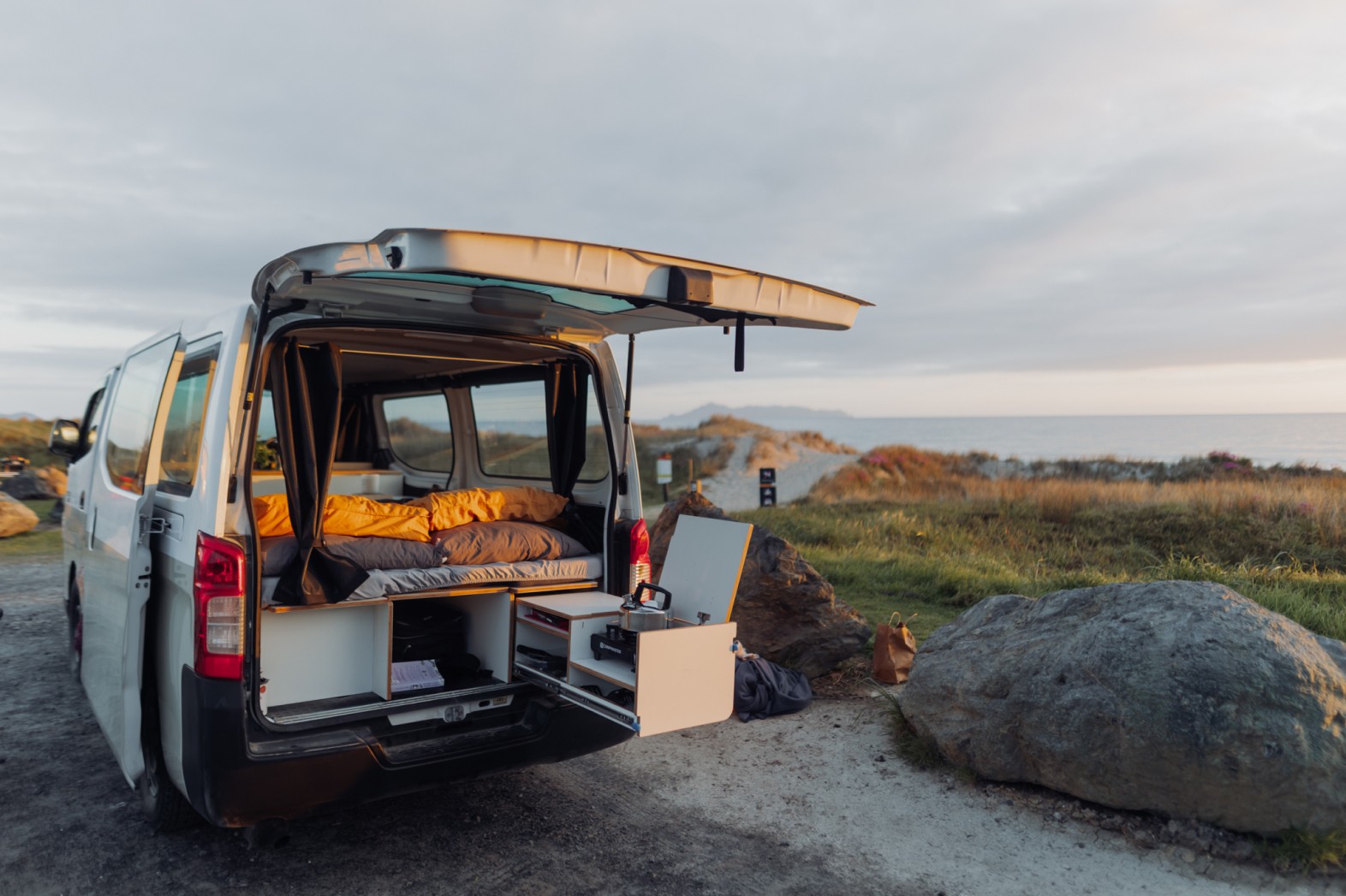
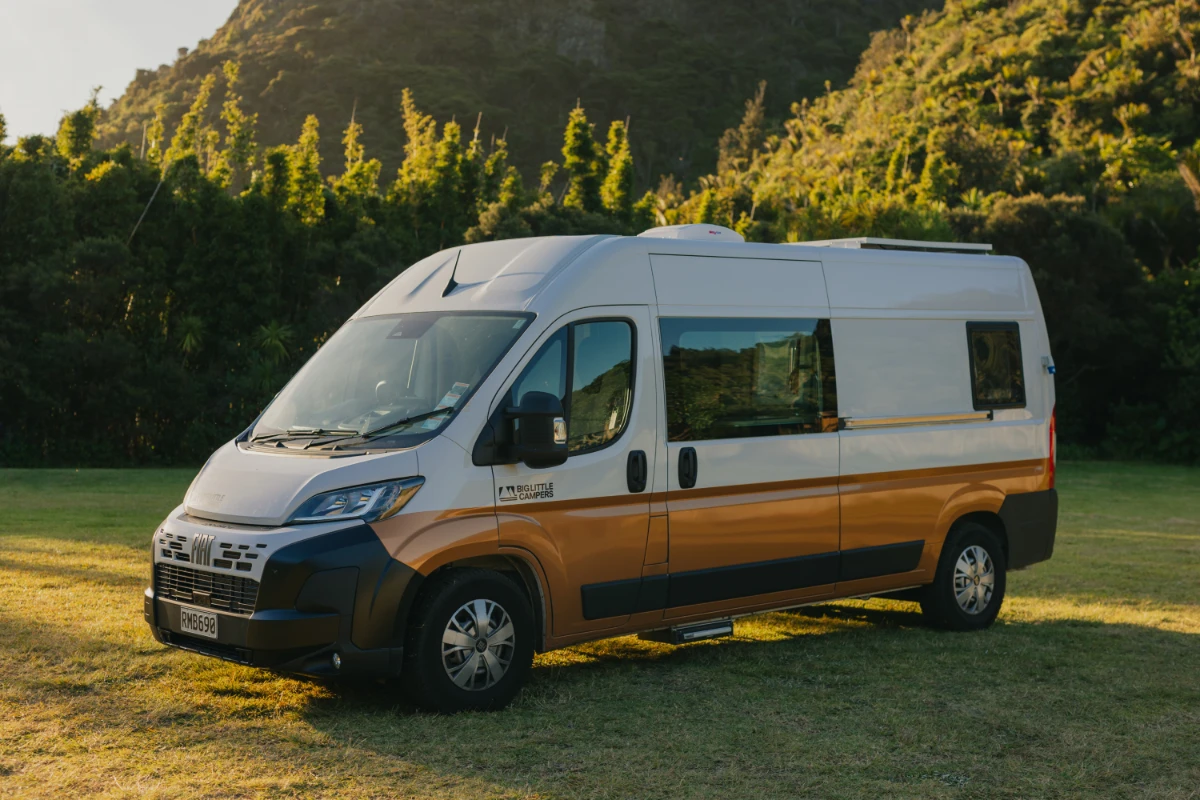
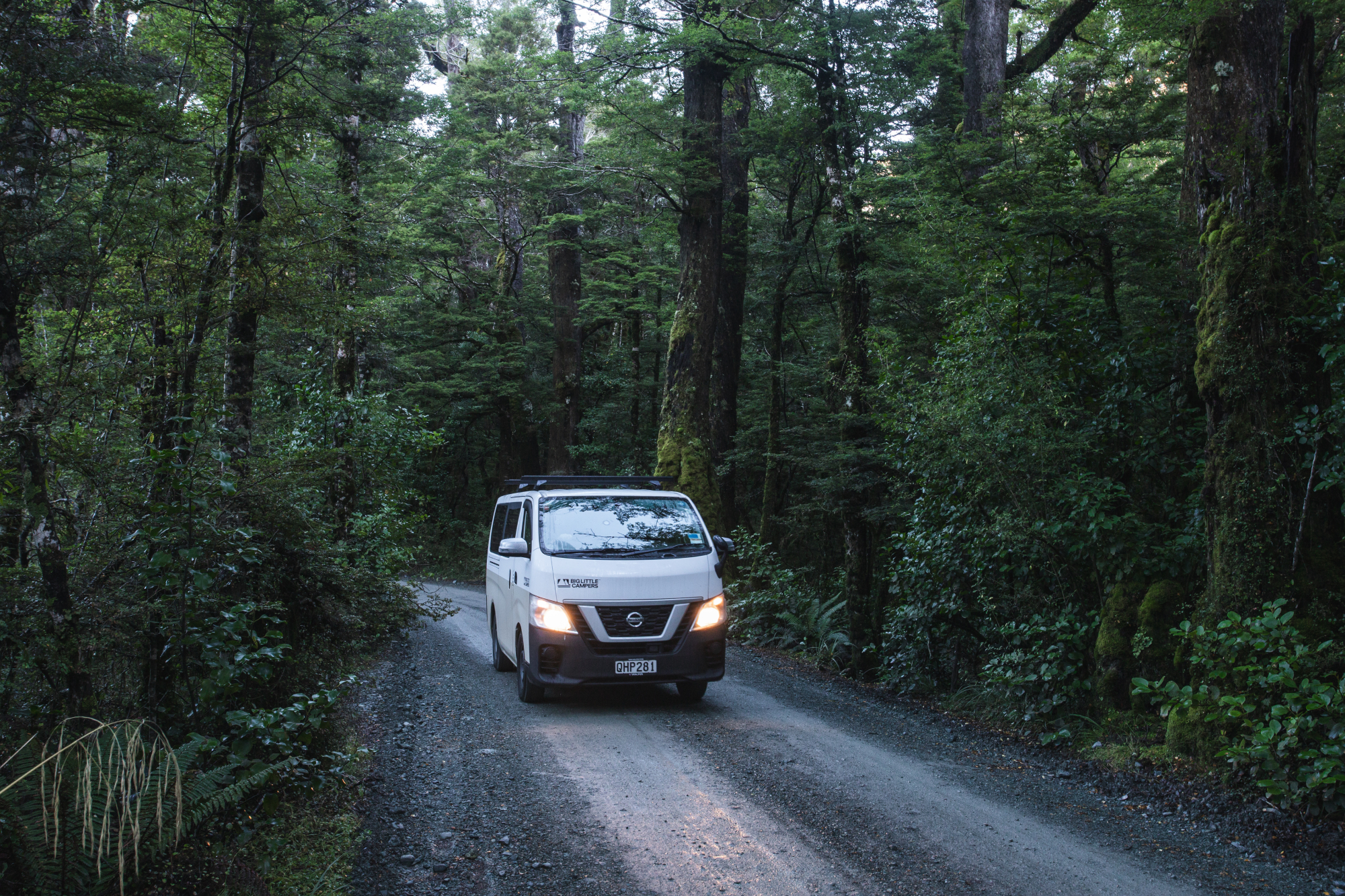
Do Rental Campervans Meet the 2026 Rules?Good ones do, and every Big Little Campers van does. Our Little One, The Big One, and The Biggest One all carry current green warrants, with fixed toilets and sealed tanks. Each vehicle has its warrant card displayed where officers expect to find it, and its certification is listed on the national register. That's not just a box-ticking exercise for us. We built our vans this way because it's how we travel. A certified van means you can follow the weather and stay beside the water instead of behind a holiday park fence. No planning your day around finding a toilet, either. Always ask for the vehicle's green certification before making any commitments. |
FAQs About Freedom Camping in NZIs freedom camping legal in NZ?Yes, however, on selected or specific areas only. The Freedom Camping Act 2011 permits camping on public land, with councils or the DOC specifying prohibitions in certain locations. Freedom camping has certain limitations in New Zealand, and the only question is where it is actually allowed, what kind of vehicle you will be using, and how long you will be staying. Where can I freedom camp in NZ?At designated sites on council, DOC, and LINZ land across both islands. Rankers and CamperMate map them all, including stay limits and facilities. South Island sites outnumber the North's and carry fewer restrictions; North Island hotspots like the Coromandel are tighter. Can you freedom camp in a non-self-contained vehicle?Only at the small number of sites that allow it, and they're becoming rare. Most council land now requires certification, so a non-certified vehicle mostly limits you to holiday parks and paid campgrounds. How long can you stay at one freedom camping spot?Usually one to three nights, set by the local bylaw and posted on site. Popular spots like Lake Pukaki Reserve allow a single night. There's no national standard, so read the sign every time. Can you freedom camp in a tent?Yes, the Act covers tents. But many self-contained-only sites exclude them in practice since a tent can't hold certification. DOC campsites are usually the better option for tent campers. What changed with the 2026 freedom camping rules?The green warrant became mandatory on 7 June 2026. Blue stickers are no longer valid, portable toilets no longer qualify, and the warrant card must be displayed at self-contained-only sites. Where are the dump stations in NZ?At most holiday parks, many service stations, and council facilities in most towns, so you're rarely more than a short drive from one. Rankers and CamperMate both map dump stations nationwide, with locations and facility details. Empty your toilet cassette and greywater there every couple of days, never into a drain or waterway. |
Rules That Work in Your FavourThe freedom camping rules in NZ come down to two habits in 2026: camp where it's allowed in a certified van, and leave the place cleaner than you found it. Do that, and the rules stop being a hurdle. They're what keeps the best overnight spots in the country open and free. Every BLC van is certified and road-ready under the 2026 requirements, so the paperwork is our problem, not yours. |
ReferencesFreedom Camping Act 2011. https://www.legislation.govt.nz/act/public/2011/61/en/latest/#DLM3742815 Department of Conservation. (2026). Freedom camping: Stay at a DOC campsite. https://www.doc.govt.nz/parks-and-recreation/places-to-stay/stay-at-a-campsite/freedom-camping/ Rankers. (n.d.). Freedom camping. https://www.rankers.co.nz/tags/freedom-camping/pages/1 CamperMate. (n.d.). Free campsites in New Zealand. https://campermate.com/en/category/nz/free-campsites Ministry of Business, Innovation and Employment. (2026). Freedom camping infringement offences and penalties. https://www.mbie.govt.nz/assets/infringement-offences-table-for-website.pdf Plumbers, Gasfitters and Drainlayers Board. (2026). Self-contained vehicles. https://www.pgdb.co.nz/self_contained_vehicles/ |
Get in touch if you want help planning where to park up first, or check out our vans and see which one fits your trip.
|
So, what is freedom camping? It's the legal right to stay overnight on public land in New Zealand, outside a paid campground, and it's the reason a campervan trip here beats one almost anywhere else. The catch is that the rules changed in June 2026, and a lot of advice online is now out of date. We've personally parked up at lakes, beaches, and river flats across both islands under these rules. Here's how the system works now, and what it means to our travels. |
Quick SummaryFreedom camping in New Zealand means staying overnight on public land that is not a designated campground - using a vehicle, tent, or other temporary shelter. The Freedom Camping Act 2011 makes it legal by default on most public land. But councils and the Department of Conservation restrict or prohibit it in specific areas, so you can never assume a spot is fair game without checking. Since the 7th of June 2026, most spots require your vehicle to be certified self-contained under the green warrant system, which means a fixed toilet, sealed water and waste tanks, and a warrant card displayed in the vehicle. The old blue stickers are no longer valid, and portable toilets no longer meet the standard. Breaking the rules means facing infringement fees that range from NZ$200 to $800. For the worst offences like dumping waste, court fines can climb up to $2,400. To avoid these fines, hire a certified van, use an app like Rankers or CamperMate to find legal sites, and freedom camping becomes pleasantly accessible. You get to enjoy hundreds of free overnight spots across both islands, in places holiday parks can't touch. |
What Is Freedom Camping?Freedom camping is legally defined by the Freedom Camping Act 2011. It means camping on public land that isn't a recognised campground while within 200 metres of an area that is accessible to vehicles. The law itself also regulates what type of campervan should be used, including tents and other temporary setups. In practice, it looks like this: you pull into a designated spot beside Lake Pukaki or a beach reserve on the Coromandel, cook dinner, sleep in the van, and move on in the morning. No booking, and usually no fees. Tourism New Zealand counts more than 500 responsible freedom camping locations across the country, and the Department of Conservation or DOC manages over 320 campsites on top of that. The trade-off for all that access is a rulebook that is quite stricter than it used to be. These rules exist for a simple reason. A decade of growing camper numbers put real pressure on waterways, reserves, and the goodwill of small towns. Because of this, the system now leans hard on one principle: if you stay somewhere without facilities, your vehicle needs to carry its own. Understand that, and every rule below makes sense. |
|
|
|
Can You Freedom Camp Anywhere in NZ?No. You can only freedom camp where it's permitted, and three layers of rules decide that. First, each district sets its own restrictions on council land. Common ones include no camping within 1 km of a town centre, self-contained vehicles only, or a one-night limit in designated carparks. Queenstown and the Coromandel are among the tightest. Secondly, on public conservation land, freedom camping is allowed by default except where it's prohibited or restricted. Scenic and recreation reserves are generally off limits unless DOC has approved a campsite, and dogs aren't permitted when freedom camping in national parks. Third, some South Island land managed by Land Information New Zealand also allows camping, mostly around lakes and rivers. The practical answer: don't just rely on a quiet-looking spot. Check the site on Rankers or CamperMate before you commit, then read the signage when you arrive. Both apps work offline and show stay limits, dump stations, and which sites need a self-contained vehicle. A spot that's fine in Southland might earn you a fine in the Coromandel, because the bylaw is different, not the behaviour. Stay limits matter too. Most sites allow one to three nights, and the busiest ones, like Lake Pukaki Reserve in the Mackenzie Basin, cap you at a single night. Our South Island freedom camping guide covers the best legal spots down south, and our campsite directory lists sites we've stayed at ourselves. |
What Do the Self-Containment Rules in NZ Require?Based on current legislation, access to any self-contained-only campsite will only be allowed if the campervan has a duly recognised green warrant. Campervans with the old blue stickers and portable toilets need to upgrade to gain access again. So what does a self-contained vehicle mean actually? To meet the self-contained requirements in New Zealand, a certified self-contained vehicle must have the following:
Certification runs through the Plumbers, Gasfitters and Drainlayers Board (PGDB), which keeps a national register of certified vehicles. Enforcement officers can look your plate up on the spot, so the warrant card in your window needs to match the register. One thing worth knowing: "self-contained vehicles only" signs are now the default at most council sites. The number of places accepting non-certified vehicles keeps shrinking, so having a certified van is the difference between hundreds of options and a handful. |
How Do You Get a Self-Contained Certificate in NZ?If you're hiring a campervan, you don't need to. A reputable operator certifies the fleet, and the green warrant comes with the van. Check before you book, because any van still carrying only a blue sticker locks you out of self-contained sites. If you own your vehicle, the process runs through a PGDB-approved Certification Authority. You book an inspection, the inspector checks the toilet, tanks, sink, and ventilation against the standard, and the vehicle goes on the national register. The cost of a self-containment certificate varies by provider, but expect the mandatory $120 government levy plus an inspection fee, with most owners paying around $220 to $280 all up. The warrant lasts four years unless you modify the setup, which puts the ongoing cost at roughly $60 a year. Most vans that fail do so because of their toilet. It must be permanently fixed to the vehicle, so vans built around a portable loo need a refit before they'll pass. |
|
What Are the Freedom Camping Fines in NZ?Fines start at a $200 infringement fee and scale. The Ministry of Business, Innovation and Employment (MBIE) sets the national schedule:
Councils do enforce these, especially in summer hotspots. Every fine mentioned above is completely avoidable as long as you keep in mind these things: camp only at designated sites, follow the signage, and empty your toilet and greywater at proper dump stations. Rankers and CamperMate both map dump stations nationwide, and they're free to use. |
|
|
Do Rental Campervans Meet the 2026 Rules?Good ones do, and every Big Little Campers van does. Our Little One, The Big One, and The Biggest One all carry current green warrants, with fixed toilets and sealed tanks. Each vehicle has its warrant card displayed where officers expect to find it, and its certification is listed on the national register. That's not just a box-ticking exercise for us. We built our vans this way because it's how we travel. A certified van means you can follow the weather and stay beside the water instead of behind a holiday park fence. No planning your day around finding a toilet, either. Always ask for the vehicle's green certification before making any commitments. |
FAQs About Freedom Camping in NZIs freedom camping legal in NZ?Yes, however, on selected or specific areas only. The Freedom Camping Act 2011 permits camping on public land, with councils or the DOC specifying prohibitions in certain locations. Freedom camping has certain limitations in New Zealand, and the only question is where it is actually allowed, what kind of vehicle you will be using, and how long you will be staying. Where can I freedom camp in NZ?At designated sites on council, DOC, and LINZ land across both islands. Rankers and CamperMate map them all, including stay limits and facilities. South Island sites outnumber the North's and carry fewer restrictions; North Island hotspots like the Coromandel are tighter. Can you freedom camp in a non-self-contained vehicle?Only at the small number of sites that allow it, and they're becoming rare. Most council land now requires certification, so a non-certified vehicle mostly limits you to holiday parks and paid campgrounds. How long can you stay at one freedom camping spot?Usually one to three nights, set by the local bylaw and posted on site. Popular spots like Lake Pukaki Reserve allow a single night. There's no national standard, so read the sign every time. Can you freedom camp in a tent?Yes, the Act covers tents. But many self-contained-only sites exclude them in practice since a tent can't hold certification. DOC campsites are usually the better option for tent campers. What changed with the 2026 freedom camping rules?The green warrant became mandatory on 7 June 2026. Blue stickers are no longer valid, portable toilets no longer qualify, and the warrant card must be displayed at self-contained-only sites. Where are the dump stations in NZ?At most holiday parks, many service stations, and council facilities in most towns, so you're rarely more than a short drive from one. Rankers and CamperMate both map dump stations nationwide, with locations and facility details. Empty your toilet cassette and greywater there every couple of days, never into a drain or waterway. |
Rules That Work in Your FavourThe freedom camping rules in NZ come down to two habits in 2026: camp where it's allowed in a certified van, and leave the place cleaner than you found it. Do that, and the rules stop being a hurdle. They're what keeps the best overnight spots in the country open and free. Every BLC van is certified and road-ready under the 2026 requirements, so the paperwork is our problem, not yours. |
ReferencesFreedom Camping Act 2011. https://www.legislation.govt.nz/act/public/2011/61/en/latest/#DLM3742815 Department of Conservation. (2026). Freedom camping: Stay at a DOC campsite. https://www.doc.govt.nz/parks-and-recreation/places-to-stay/stay-at-a-campsite/freedom-camping/ Rankers. (n.d.). Freedom camping. https://www.rankers.co.nz/tags/freedom-camping/pages/1 CamperMate. (n.d.). Free campsites in New Zealand. https://campermate.com/en/category/nz/free-campsites Ministry of Business, Innovation and Employment. (2026). Freedom camping infringement offences and penalties. https://www.mbie.govt.nz/assets/infringement-offences-table-for-website.pdf Plumbers, Gasfitters and Drainlayers Board. (2026). Self-contained vehicles. https://www.pgdb.co.nz/self_contained_vehicles/ |
Get in touch if you want help planning where to park up first, or check out our vans and see which one fits your trip.
Read more








.jpg)
.jpg)
.jpg)
.jpg)
.jpg)

.jpg)
.jpg)



.jpg)