Chat with a human
Let us help you pick the perfect camper for your once in a lifetime adventure

|
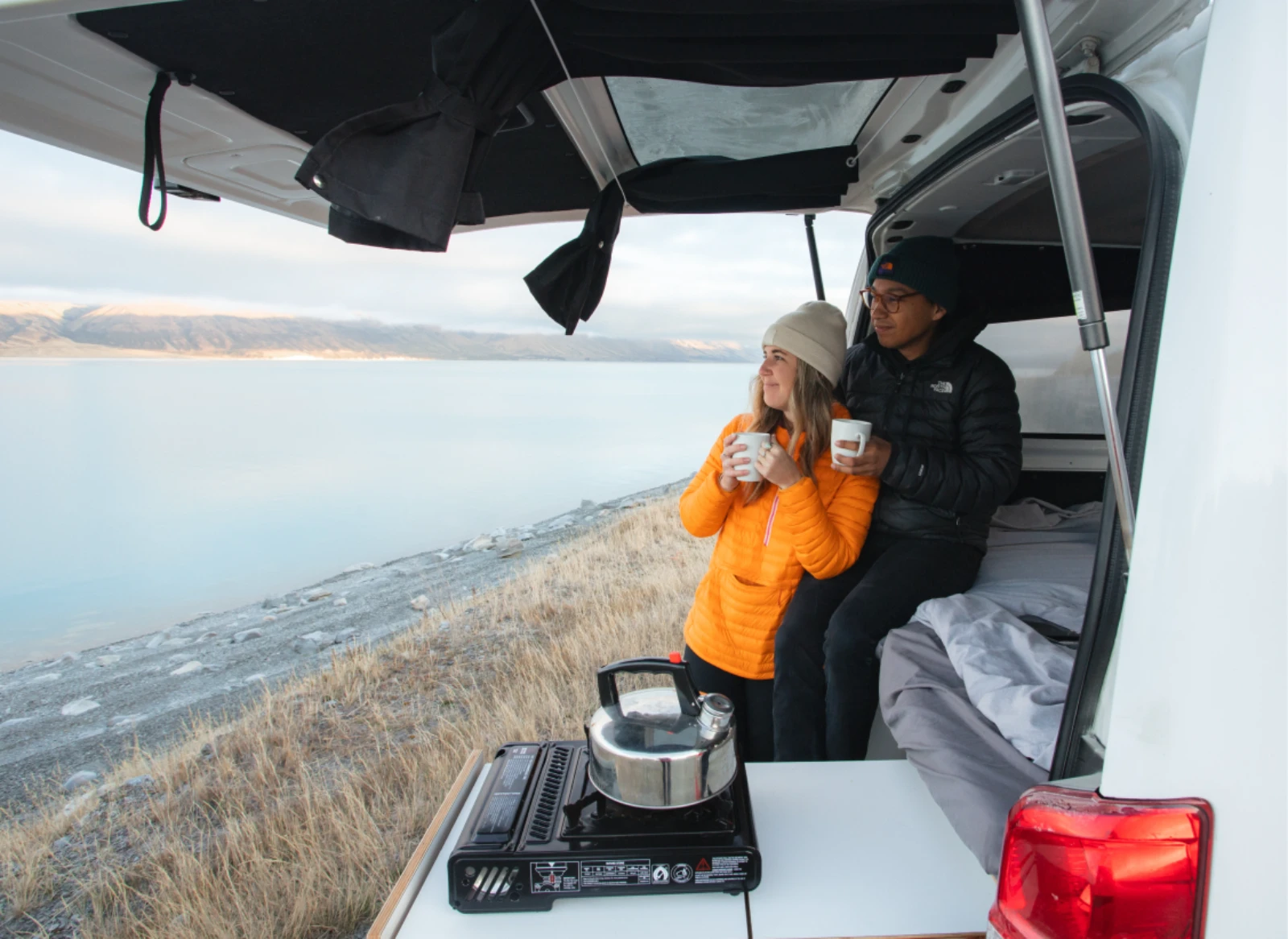
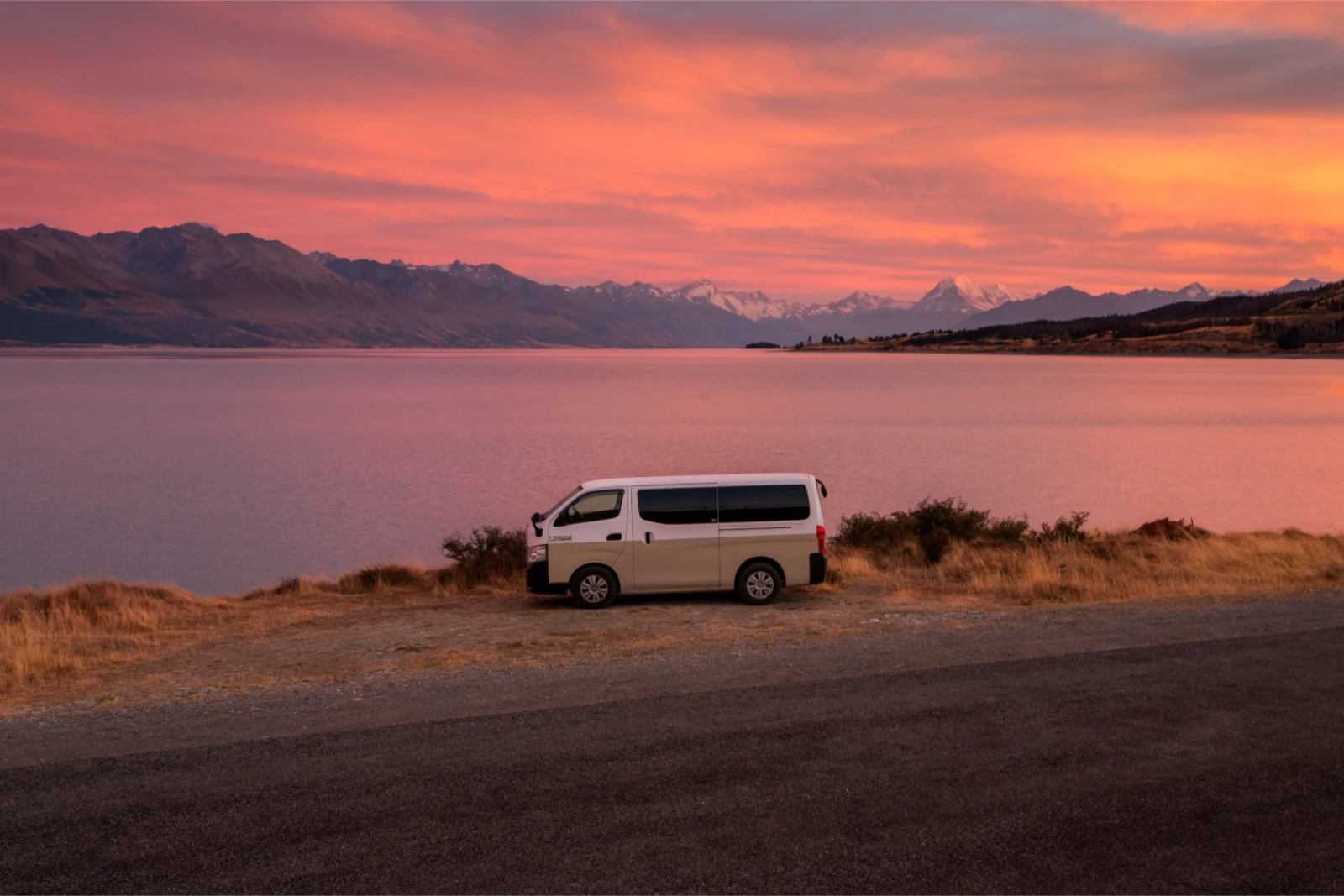
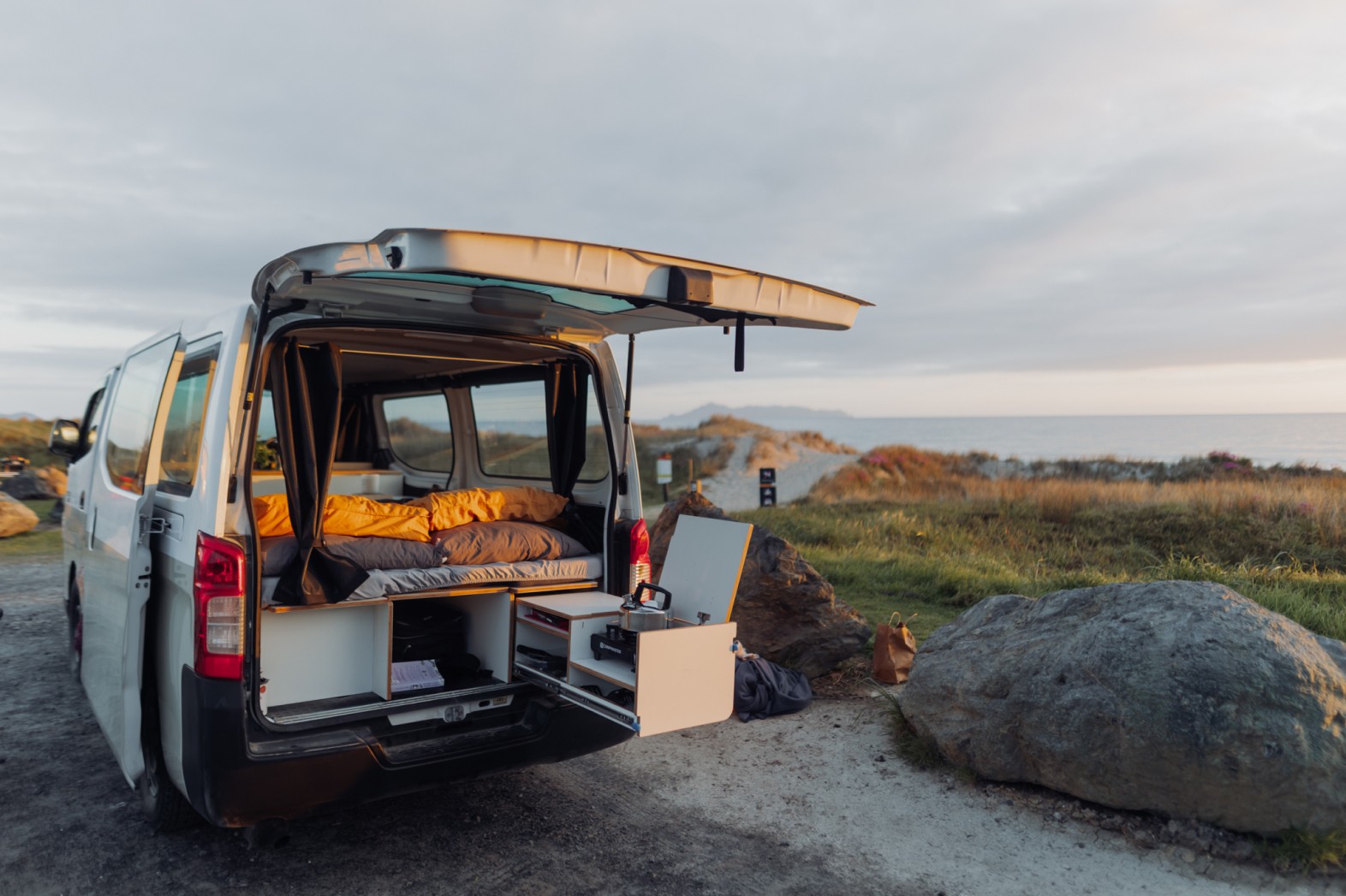
New Zealand is one of the best places in the world for a campervan holiday, but that doesn’t mean you can park up anywhere you like. There are rules, and they depend on where you are and what kind of van you’re in. The good news? There are loads of legal and safe spots to stay the night. You just need to know what to look for and what to avoid. And if you still need to rent a campervan, Big Little Campers has you covered with simple, self-contained vans built by people who love the van life themselves. Here’s what you need to know before you park up for the night on your campervan holiday in New Zealand. |
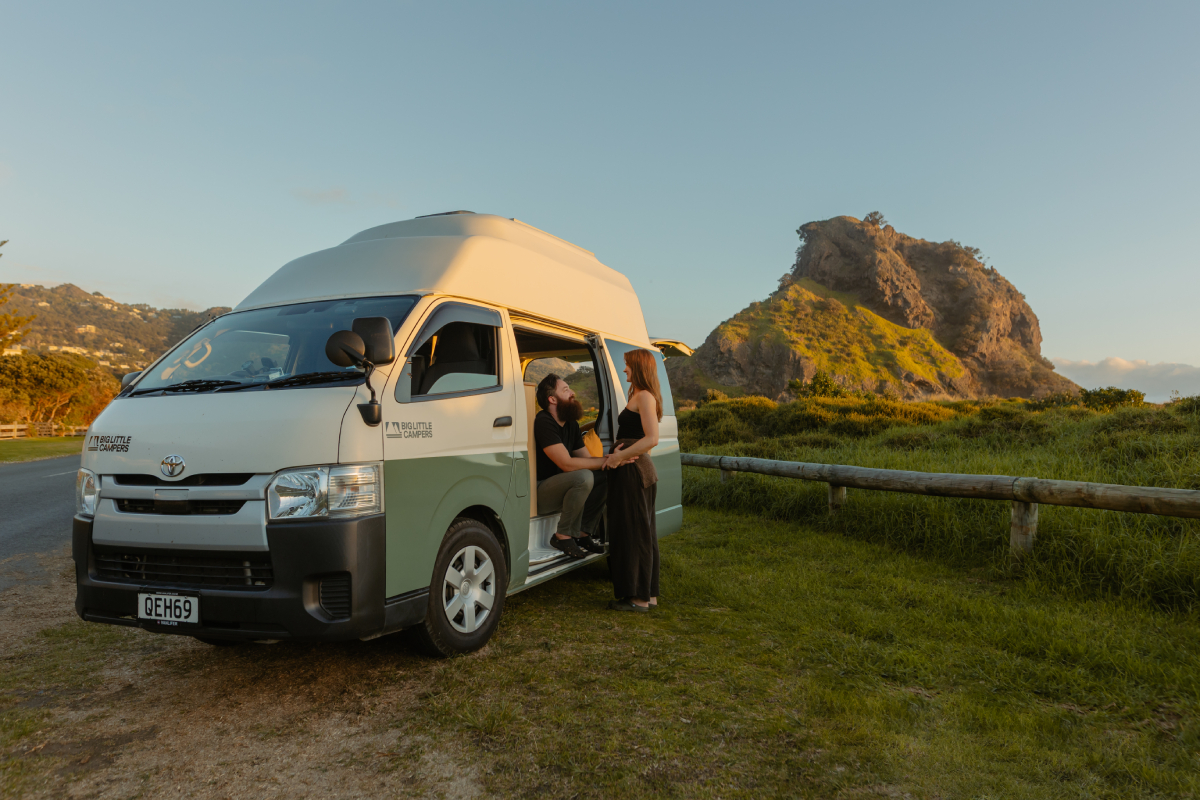
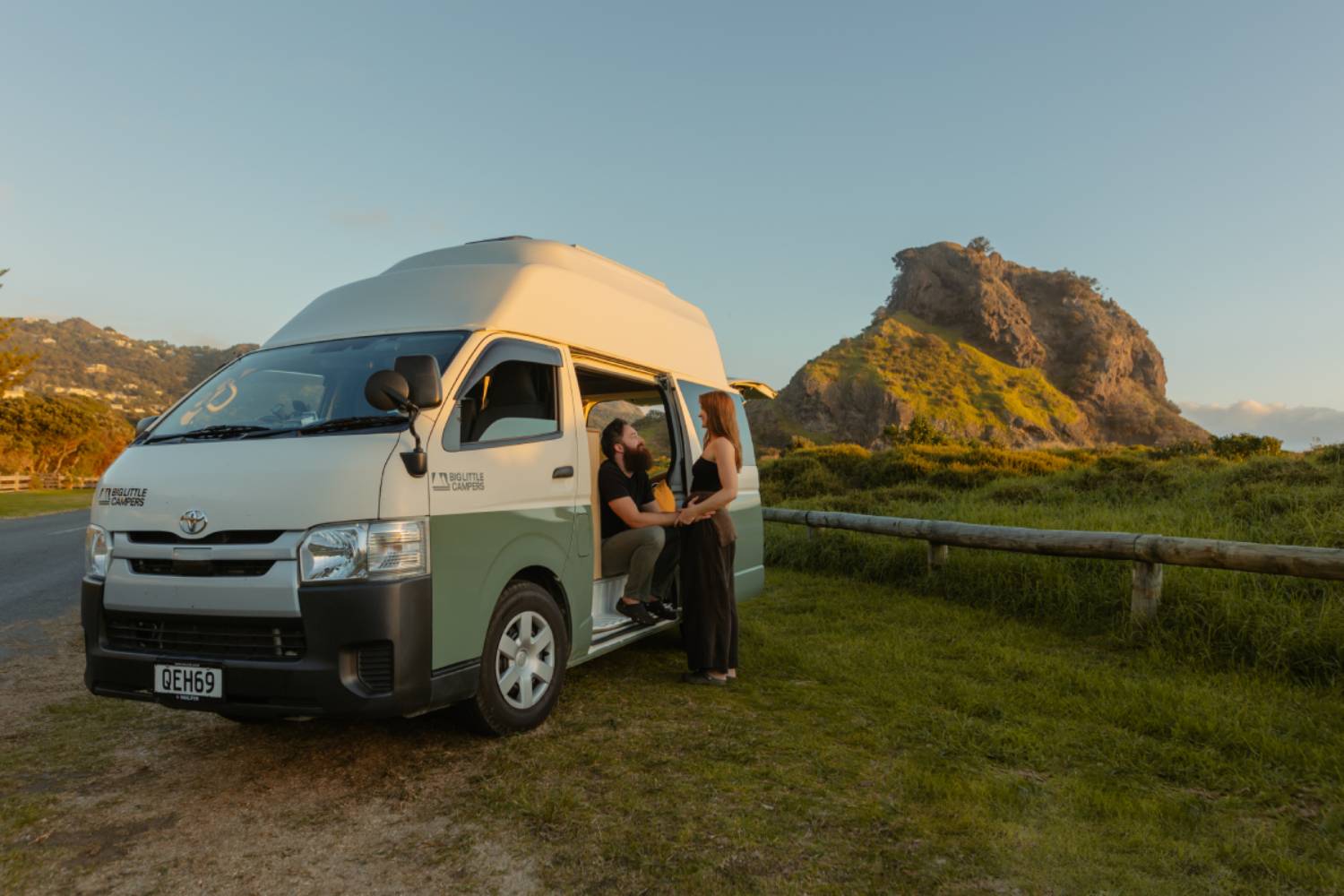
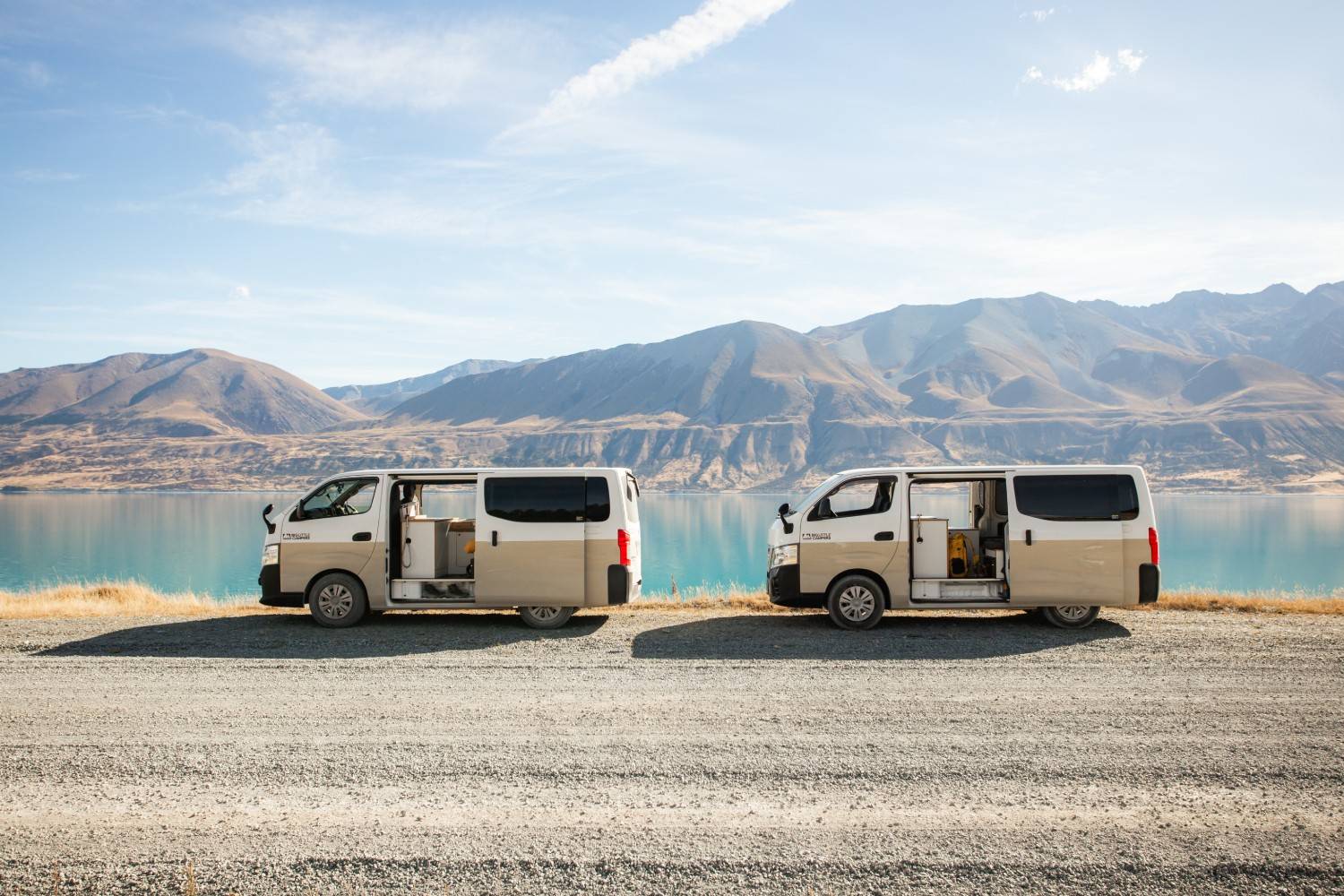
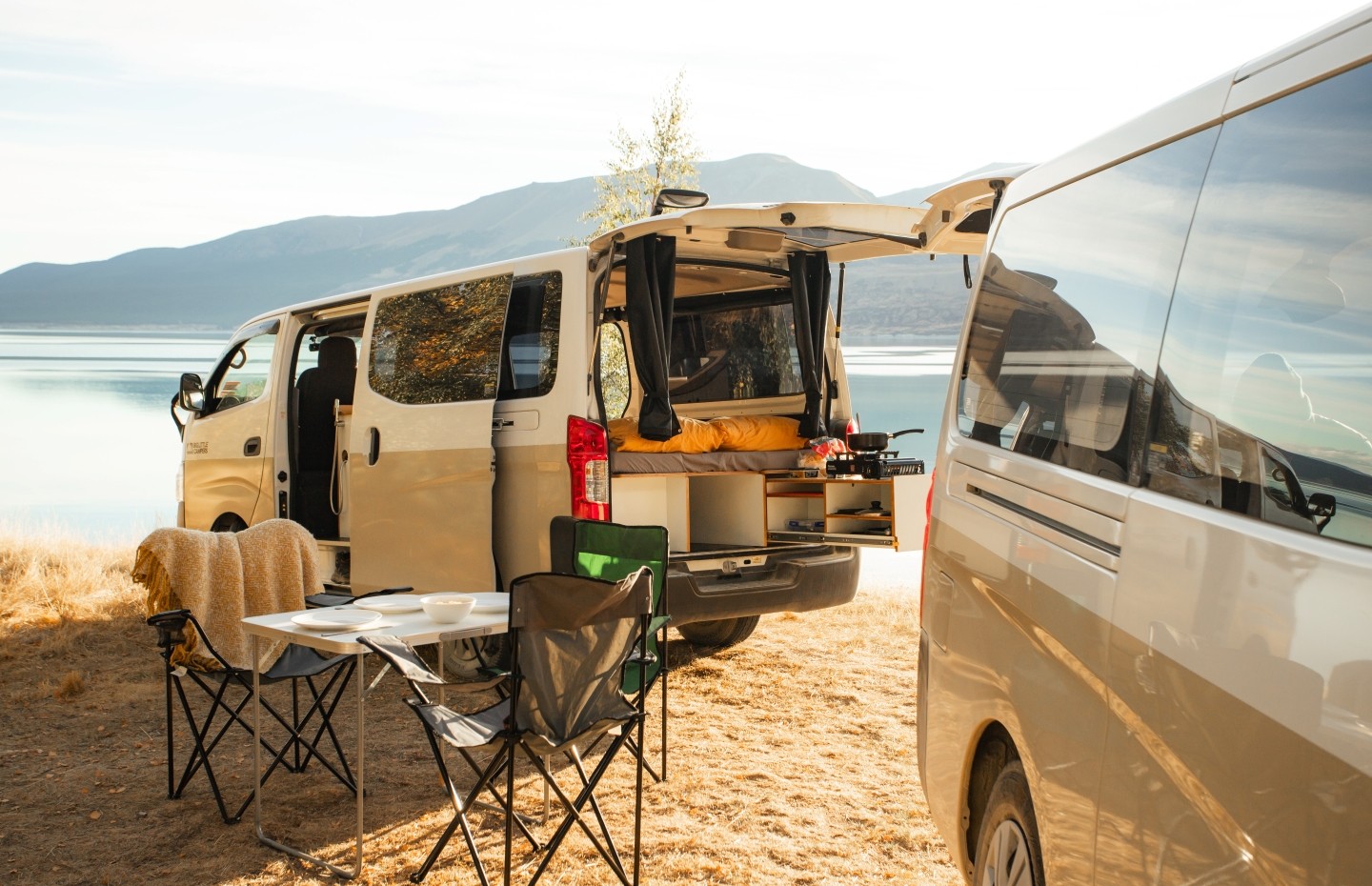
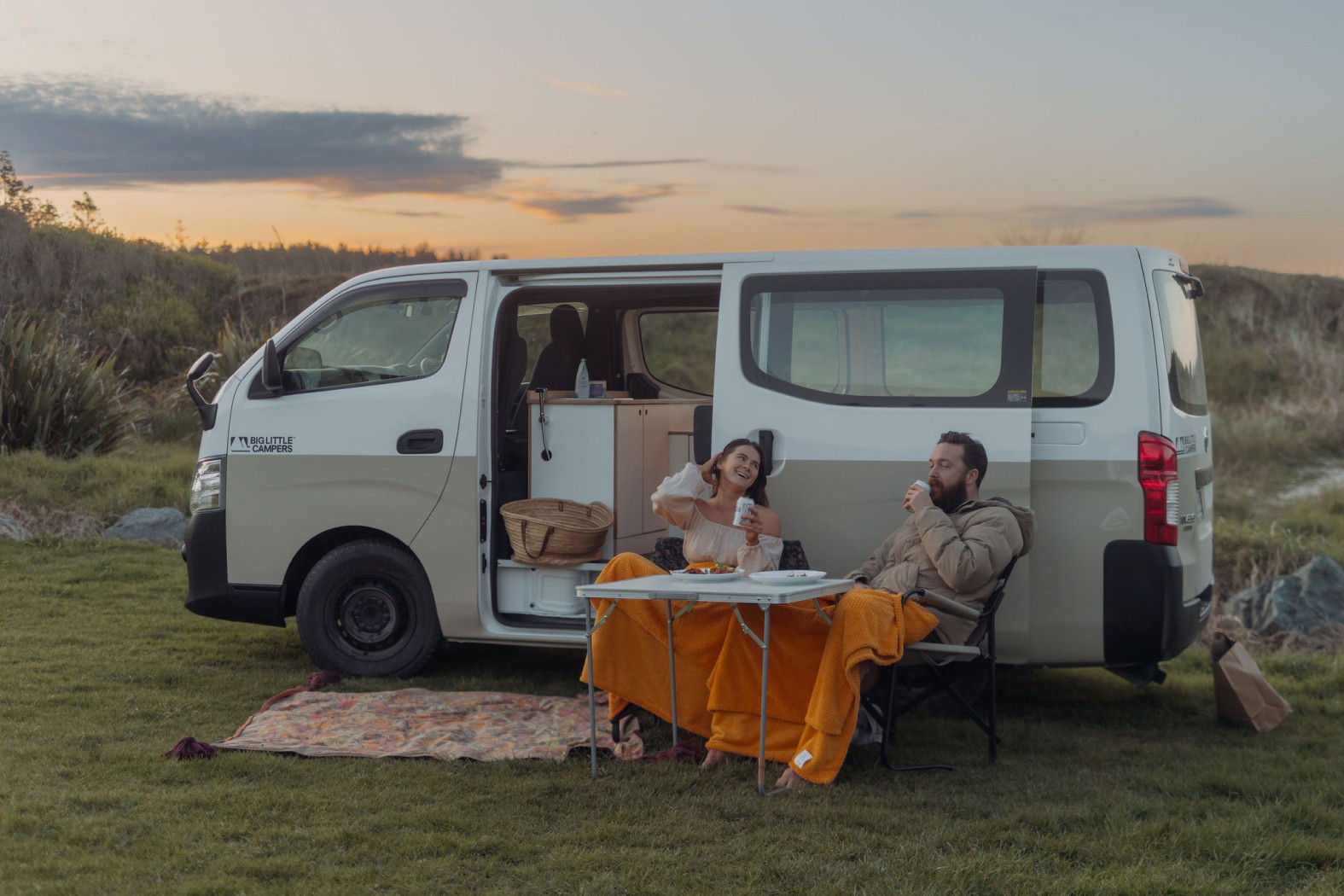
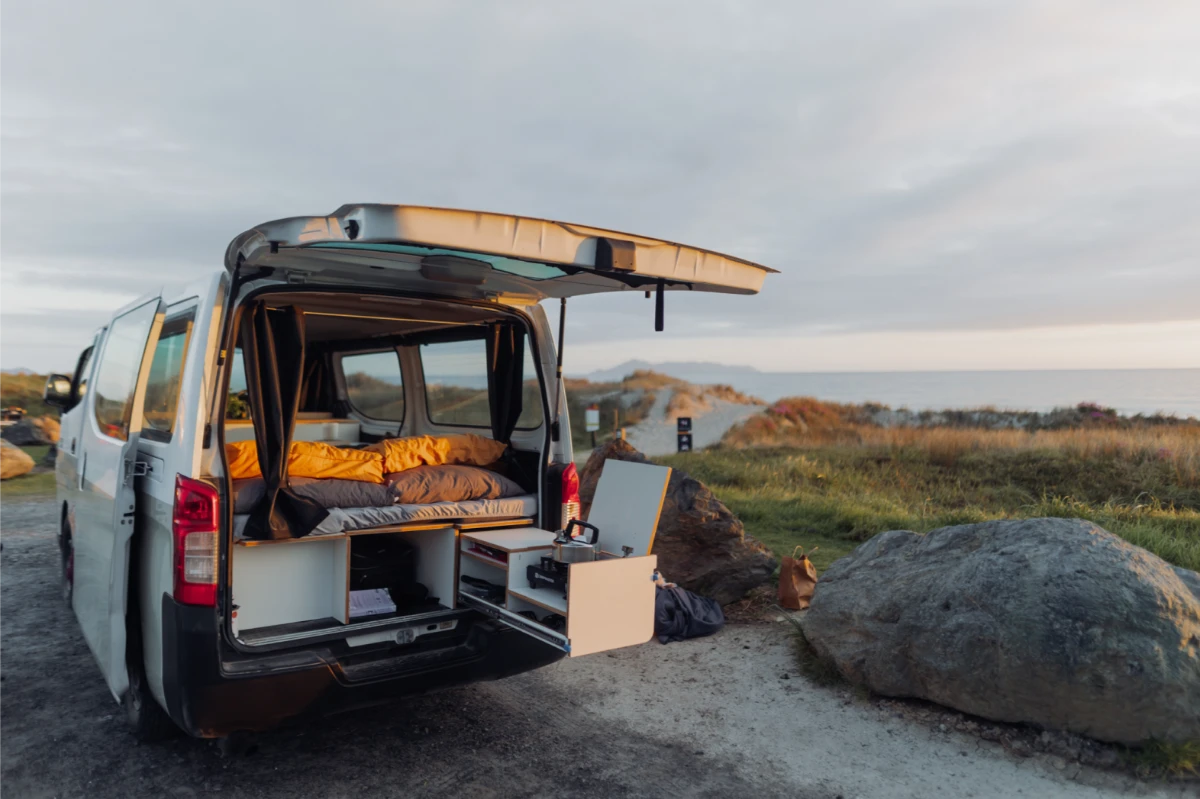
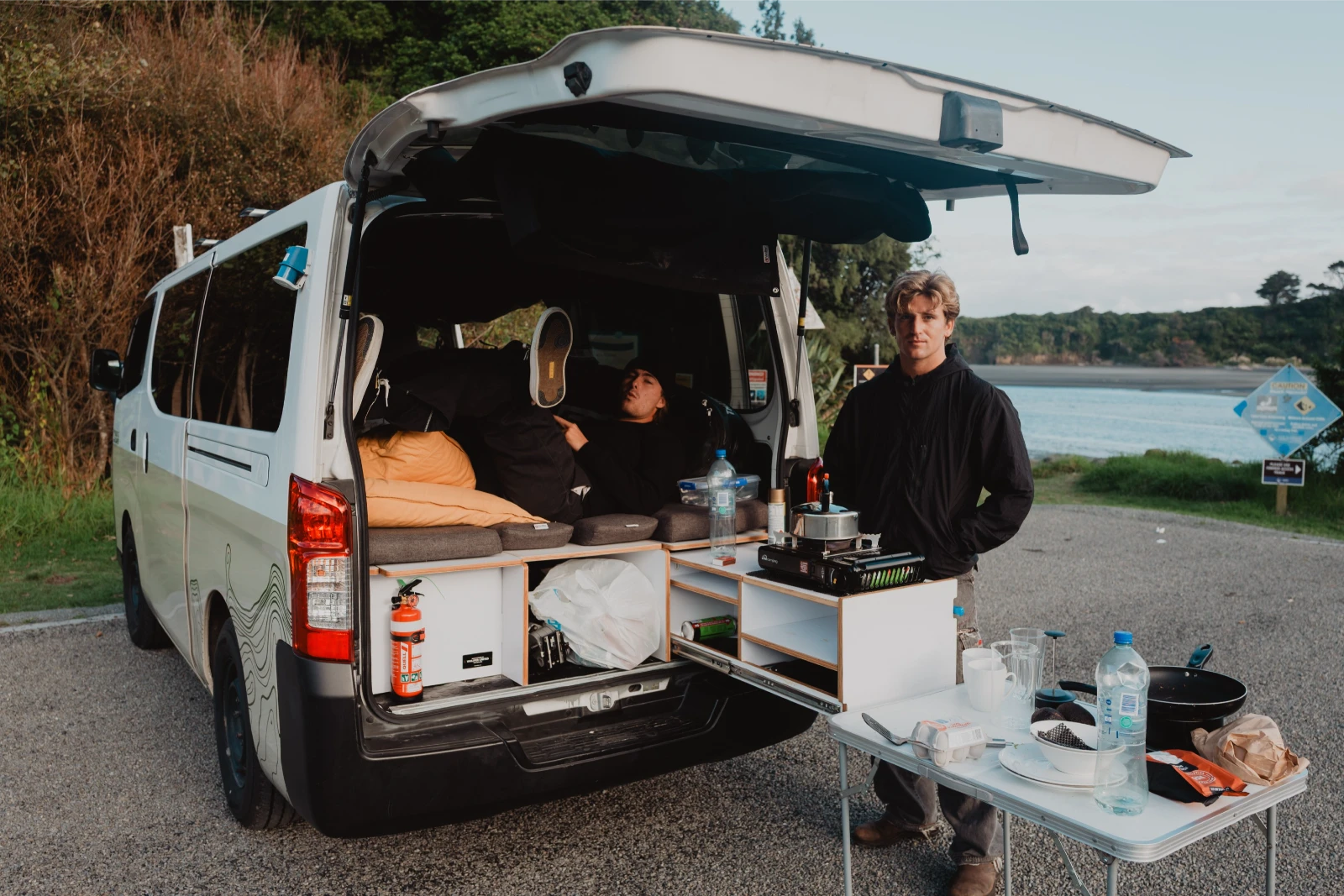
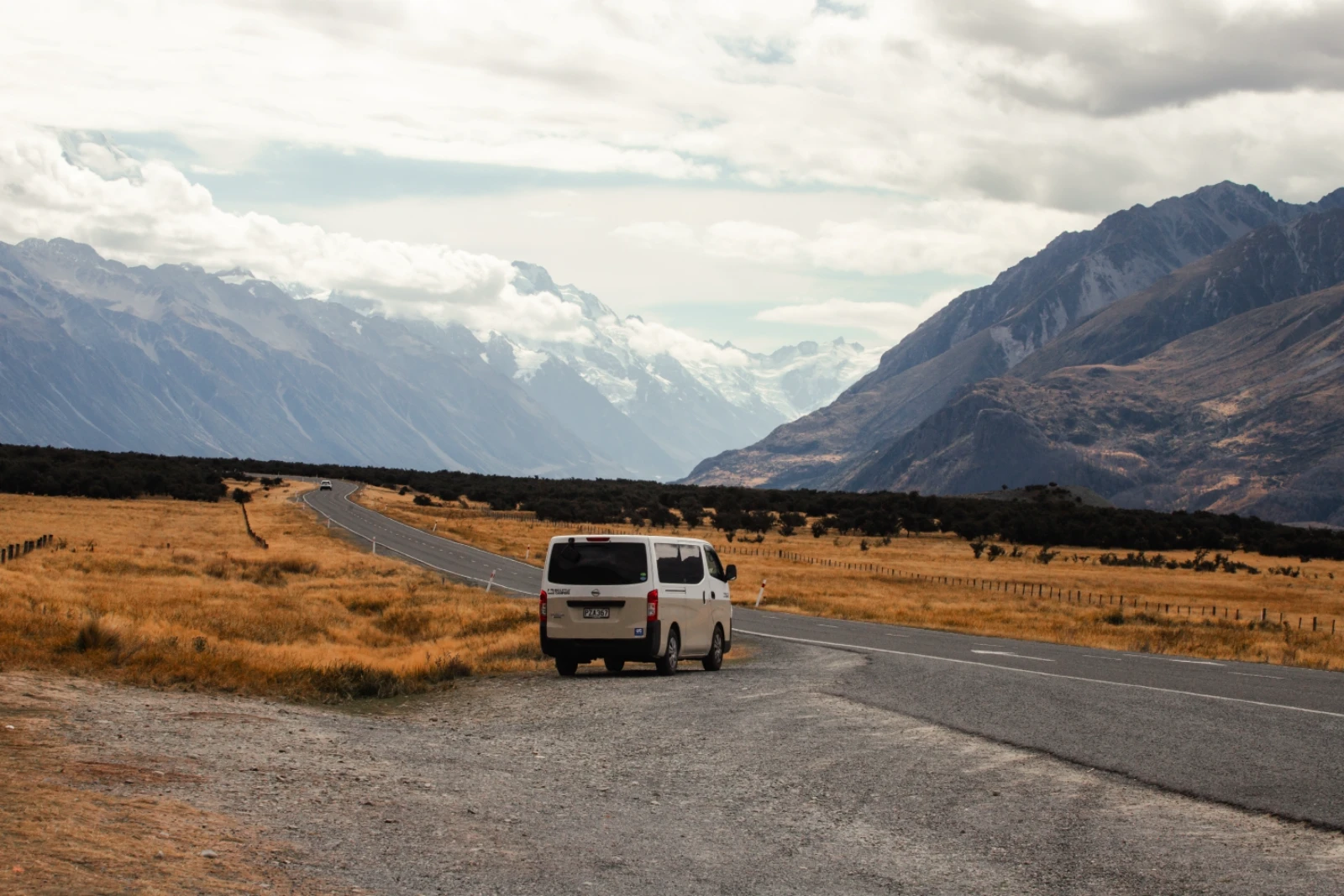
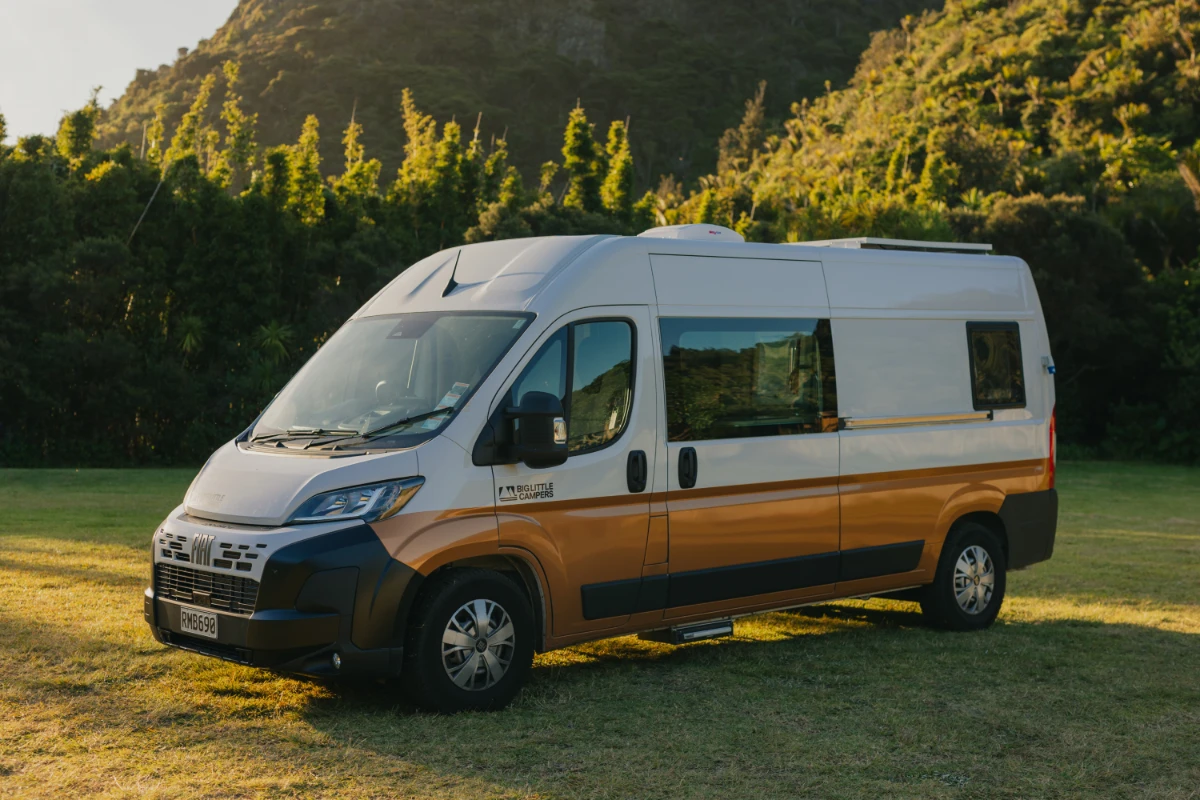
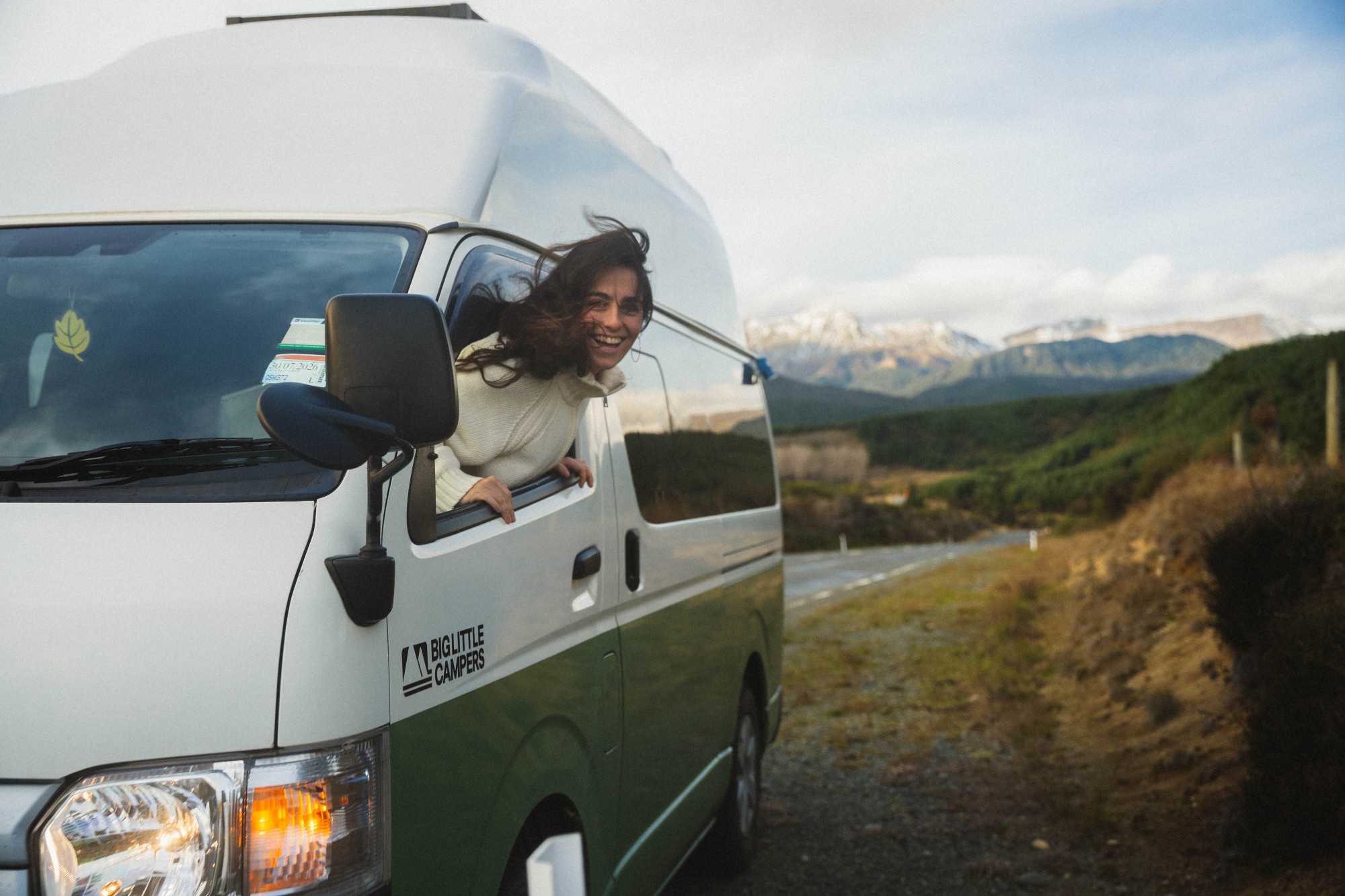
1) Respect the Rules on Freedom CampingFreedom camping sounds like you can just pull over anywhere, but in New Zealand, it doesn’t work like that. The Freedom Camping Act sets the baseline rules, and local councils add their own by-laws. Some areas are open to campervans, others are not. Your options also depend on whether your van is certified self-contained. That means it has a toilet, water storage, and waste tanks that meet official standards. These vans carry a blue warrant sticker and can access more sites. If your van isn’t self-contained, you’ll need to stick to campsites or holiday parks, or you risk a fine. Looking for self-contained vans that you’ll be confident about parking in an eligible spot? You won’t have a problem with The Little One, The Big One, or The Biggest One from Big Little Campers. 2) Know Where You Can ParkThere are plenty of legal options once you know where to look:
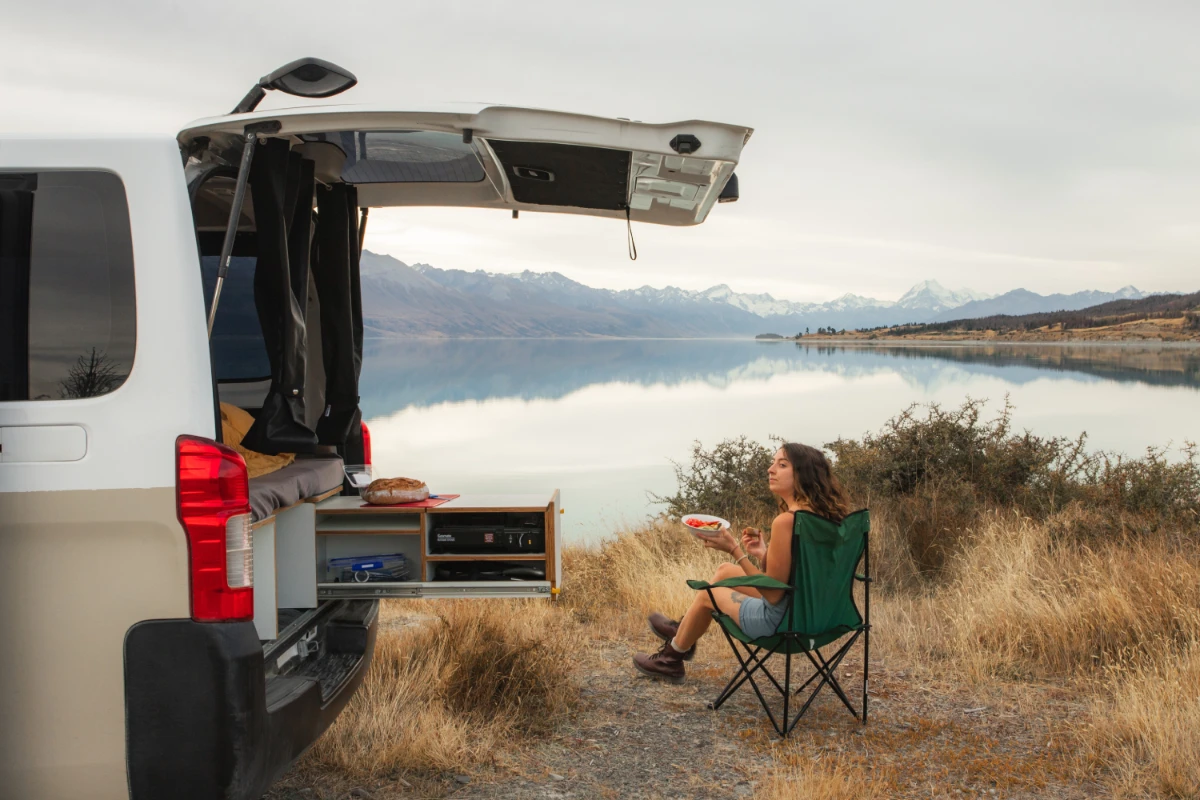
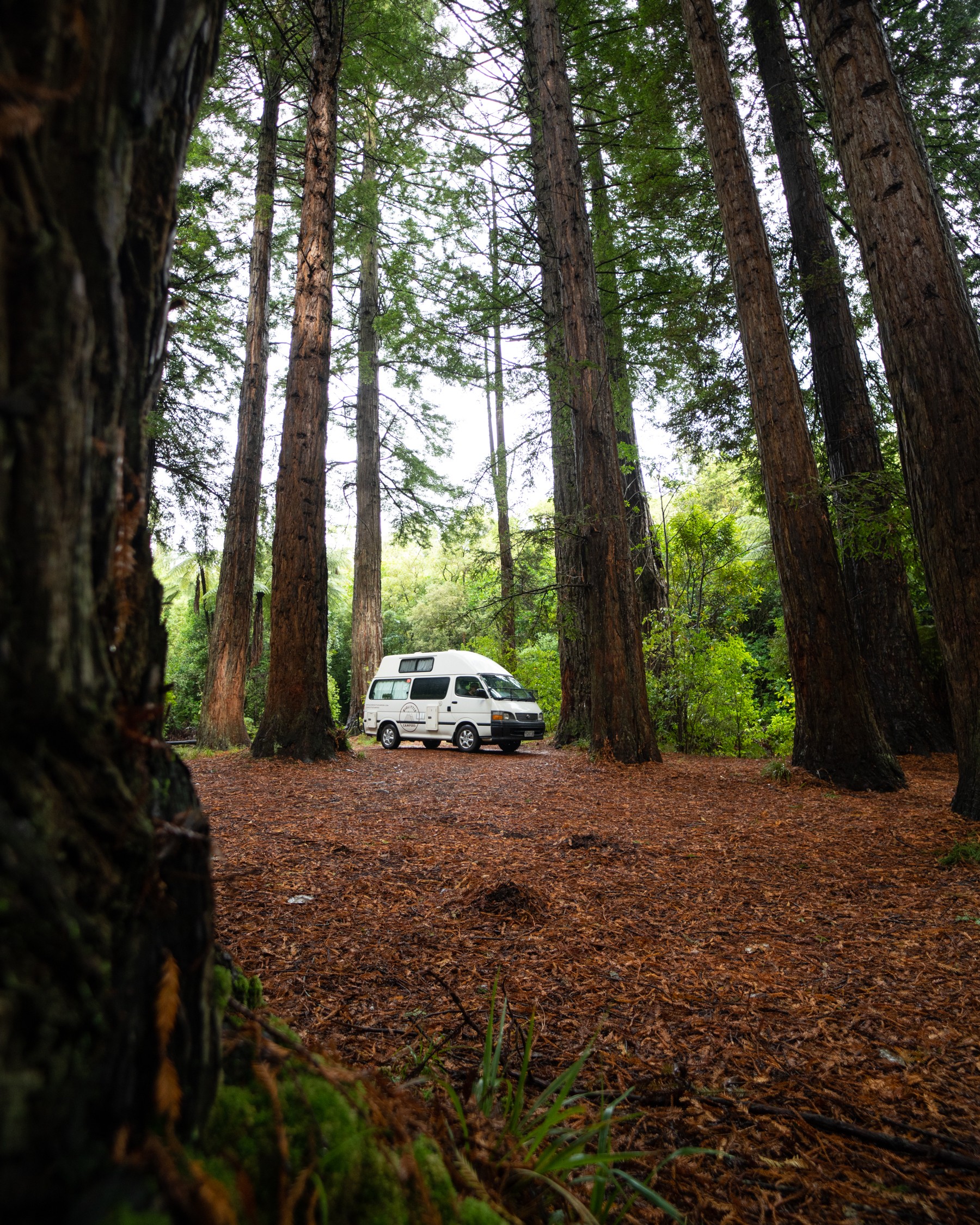
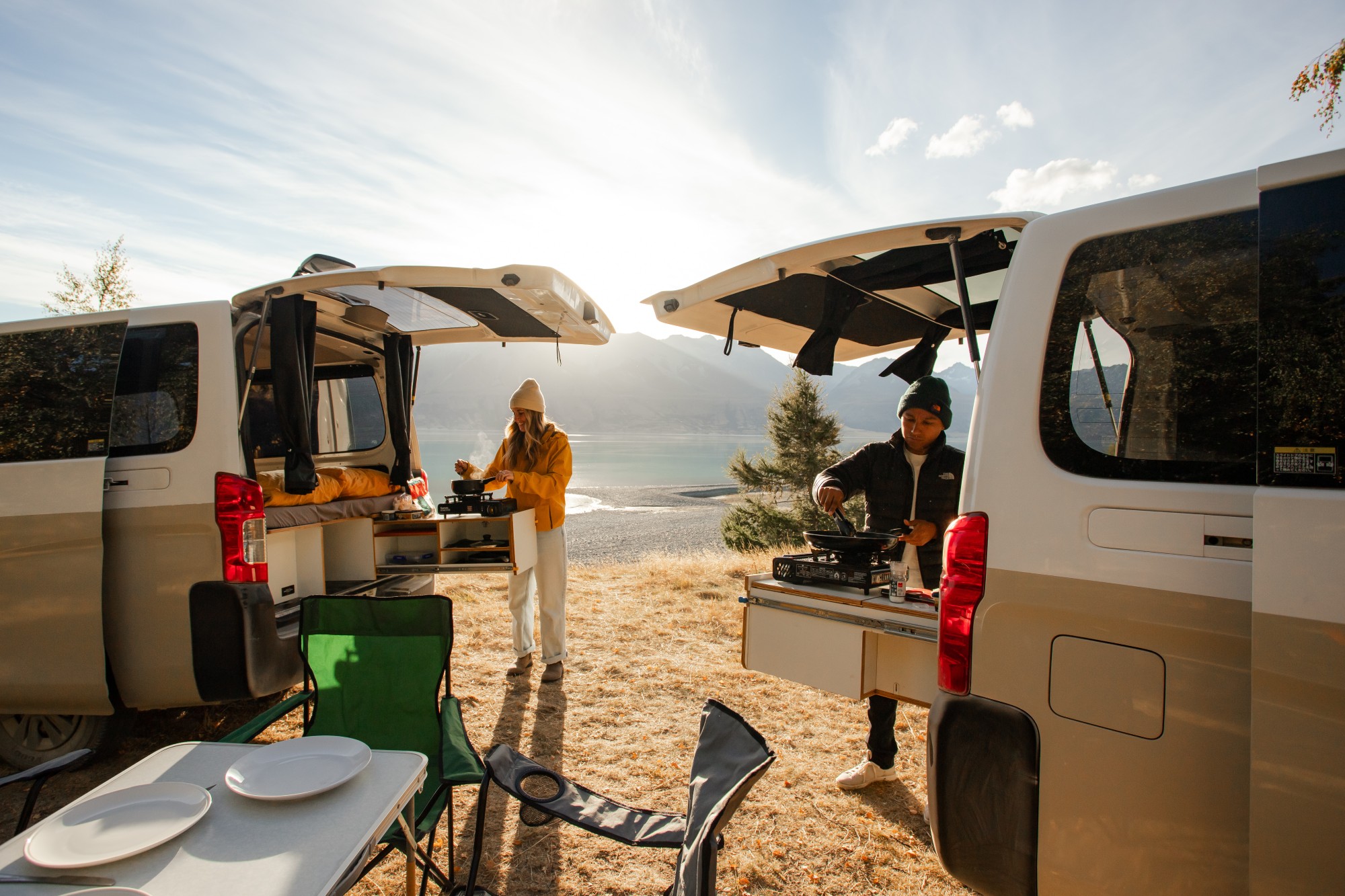
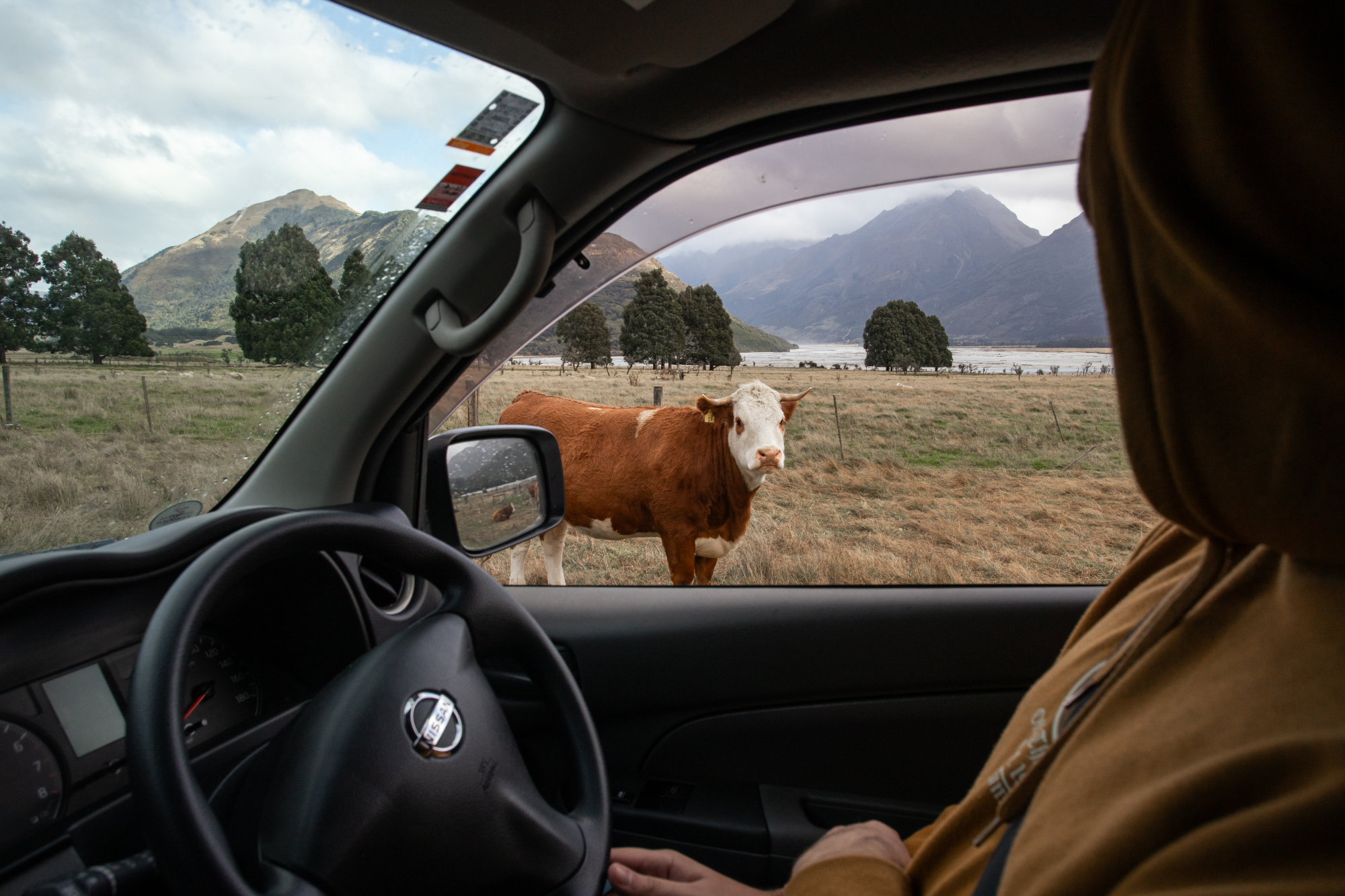
Private land: With permission, you can stay on a friend’s farm or bach. Just never assume it’s fine to pull in without asking. Avoid anywhere marked “No Camping,” private property without permission, or busy urban carparks. The fines are steep, and locals notice when rules are broken. |
|
|
3) Snag the Perfect SpotA good site isn’t just about the view. It’s about being smart.
4) Stay Safe OvernightMost sites are safe, but it pays to be sensible:
If you’re heading somewhere remote, let someone know your plans. |
5) Plan for the SeasonThe season can change how your campervan holiday feels:
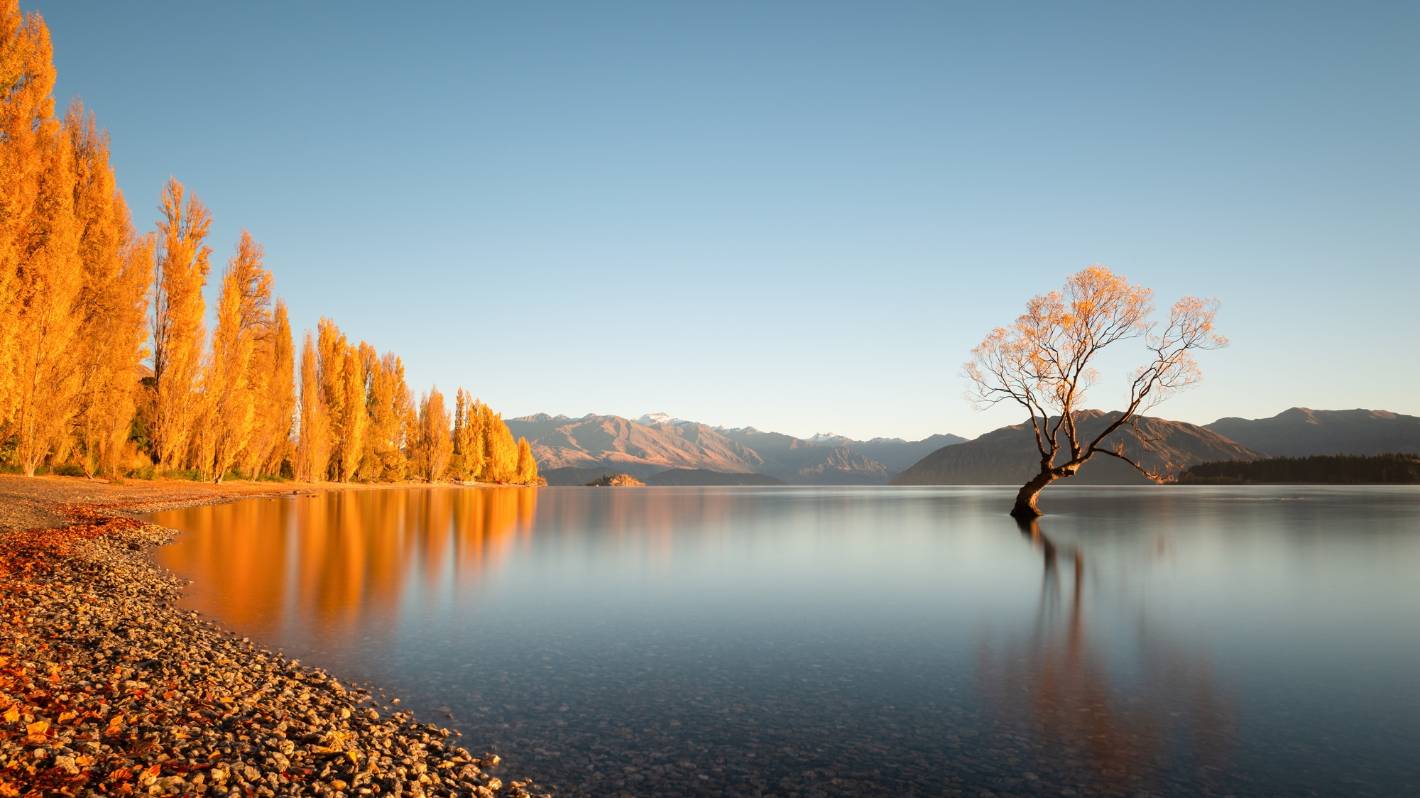
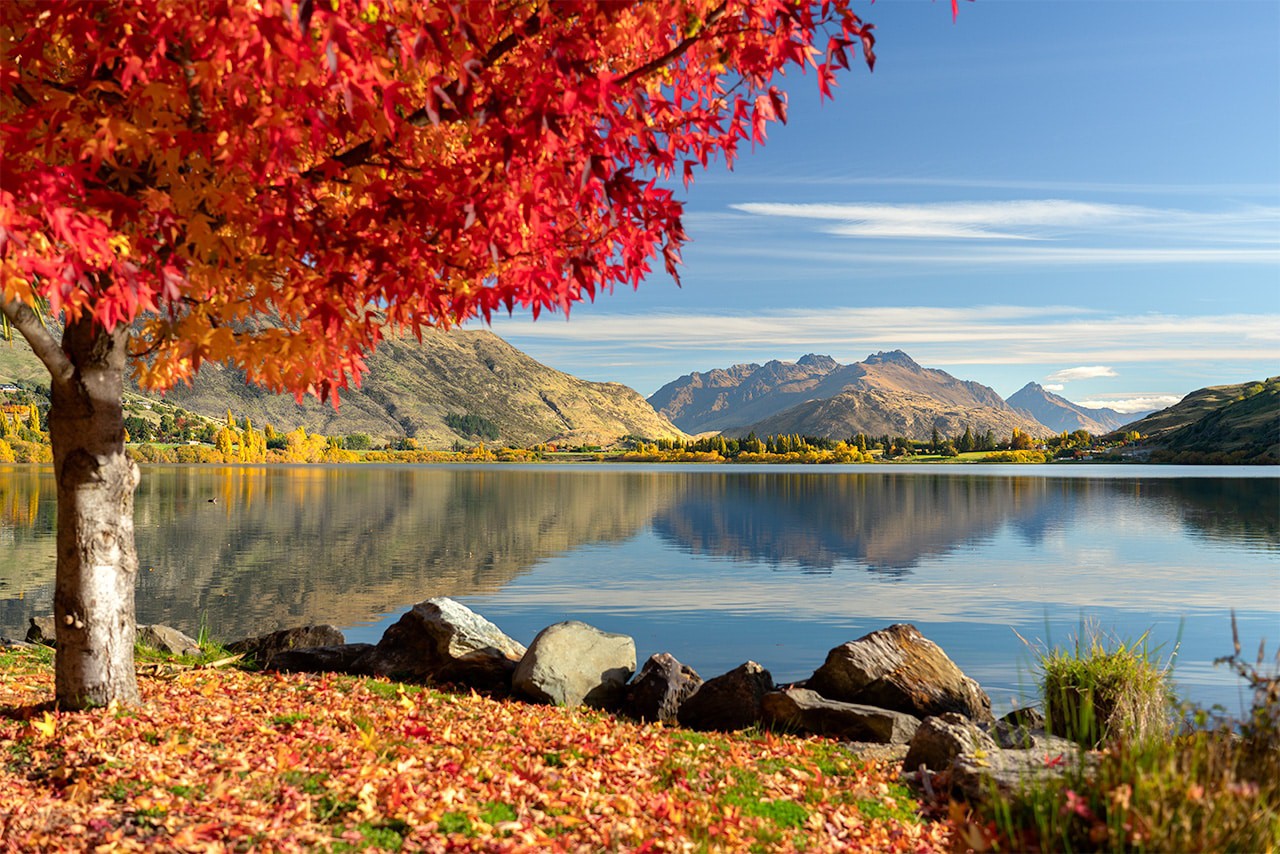
Spring and Autumn: The sweet spot. Mild weather, fewer crowds, and cheaper rates. Just be ready for four seasons in a day. |

|
|
6) Stick to These Simple Campervan TipsDon’t be put off by the name. This bay is wild, windswept, and full of life. Huge dunes roll into the surf, and on a good day you might spot yellow-eyed penguins or sea lions. DOC has hides set up so you can watch quietly. Stay in Dunedin or nearby on the peninsula and spend time with the wildlife.
Stick to time limits. If a spot says one night, don’t push it. |
Final Words
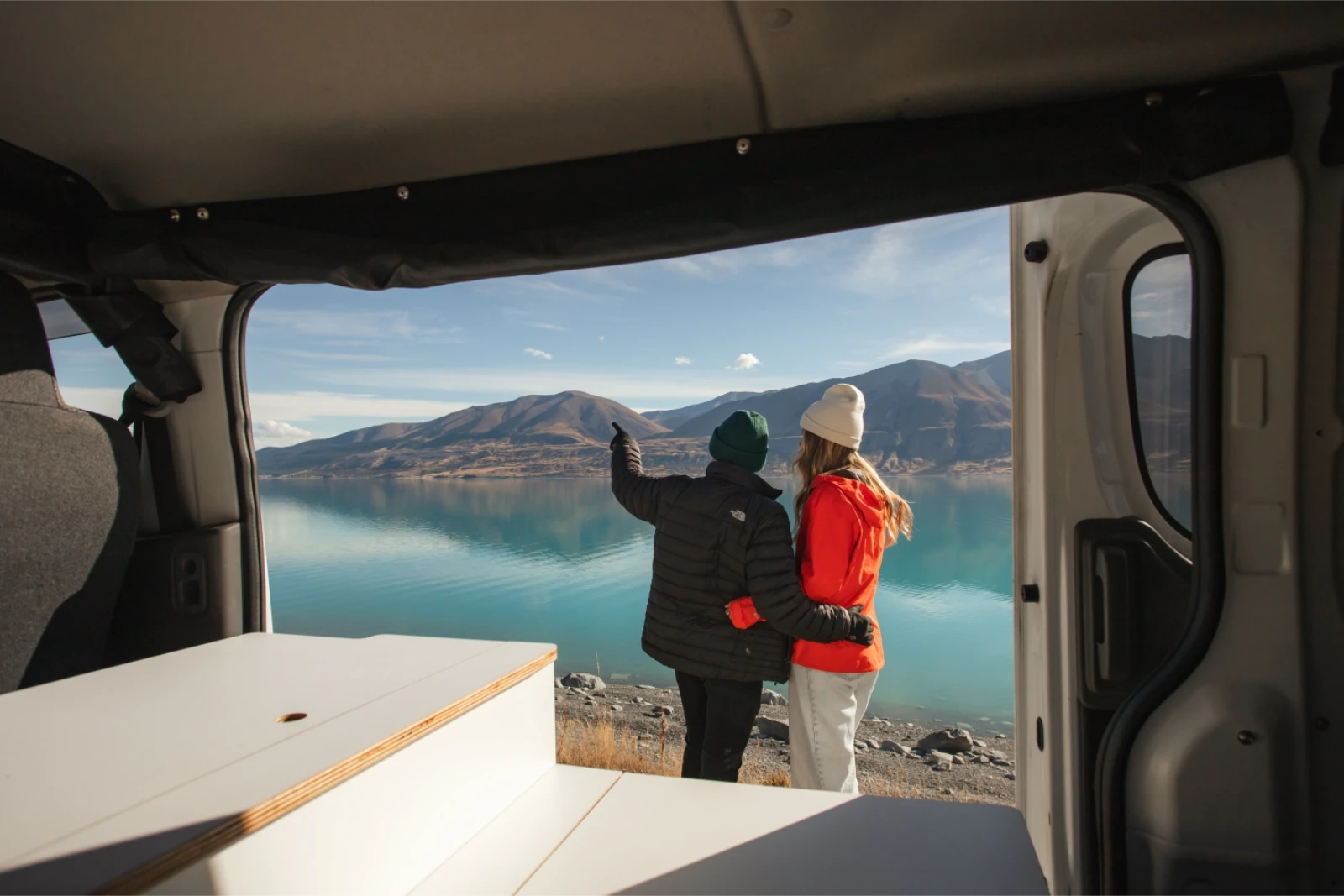
So, can you sleep anywhere in a campervan in New Zealand? Not quite. But there are still endless options to park up legally, safely, and with views you’ll never forget
When you rent a campervan from Big Little Campers, you’ll get a self-contained setup and support from people who know the road. Stick to the rules, respect the land, and you’ll discover why a campervan holiday in New Zealand is one of the best ways to see the country.
|
New Zealand is one of the best places in the world for a campervan holiday, but that doesn’t mean you can park up anywhere you like. There are rules, and they depend on where you are and what kind of van you’re in. The good news? There are loads of legal and safe spots to stay the night. You just need to know what to look for and what to avoid. And if you still need to rent a campervan, Big Little Campers has you covered with simple, self-contained vans built by people who love the van life themselves. Here’s what you need to know before you park up for the night on your campervan holiday in New Zealand. |
1) Respect the Rules on Freedom CampingFreedom camping sounds like you can just pull over anywhere, but in New Zealand, it doesn’t work like that. The Freedom Camping Act sets the baseline rules, and local councils add their own by-laws. Some areas are open to campervans, others are not. Your options also depend on whether your van is certified self-contained. That means it has a toilet, water storage, and waste tanks that meet official standards. These vans carry a blue warrant sticker and can access more sites. If your van isn’t self-contained, you’ll need to stick to campsites or holiday parks, or you risk a fine. Looking for self-contained vans that you’ll be confident about parking in an eligible spot? You won’t have a problem with The Little One, The Big One, or The Biggest One from Big Little Campers. 2) Know Where You Can ParkThere are plenty of legal options once you know where to look:
Private land: With permission, you can stay on a friend’s farm or bach. Just never assume it’s fine to pull in without asking. Avoid anywhere marked “No Camping,” private property without permission, or busy urban carparks. The fines are steep, and locals notice when rules are broken. |
|
|
|
3) Snag the Perfect SpotA good site isn’t just about the view. It’s about being smart.
4) Stay Safe OvernightMost sites are safe, but it pays to be sensible:
If you’re heading somewhere remote, let someone know your plans. |
5) Plan for the SeasonThe season can change how your campervan holiday feels:
Spring and Autumn: The sweet spot. Mild weather, fewer crowds, and cheaper rates. Just be ready for four seasons in a day. |
|
|
|
6) Stick to These Simple Campervan TipsDon’t be put off by the name. This bay is wild, windswept, and full of life. Huge dunes roll into the surf, and on a good day you might spot yellow-eyed penguins or sea lions. DOC has hides set up so you can watch quietly. Stay in Dunedin or nearby on the peninsula and spend time with the wildlife.
Stick to time limits. If a spot says one night, don’t push it. |
Final Words
So, can you sleep anywhere in a campervan in New Zealand? Not quite. But there are still endless options to park up legally, safely, and with views you’ll never forget
When you rent a campervan from Big Little Campers, you’ll get a self-contained setup and support from people who know the road. Stick to the rules, respect the land, and you’ll discover why a campervan holiday in New Zealand is one of the best ways to see the country.
Read more







.jpg)
.jpg)
.jpg)
.jpg)
.jpg)

.jpg)
.jpg)


.jpg)