Chat with a human
Let us help you pick the perfect camper for your once in a lifetime adventure
|
Most people comparing 2 berth campervan hire in New Zealand are really asking one thing: will there be enough room? Berth count answers half of that. Certified overnight capacity answers the rest, and these figures are not always the same. |
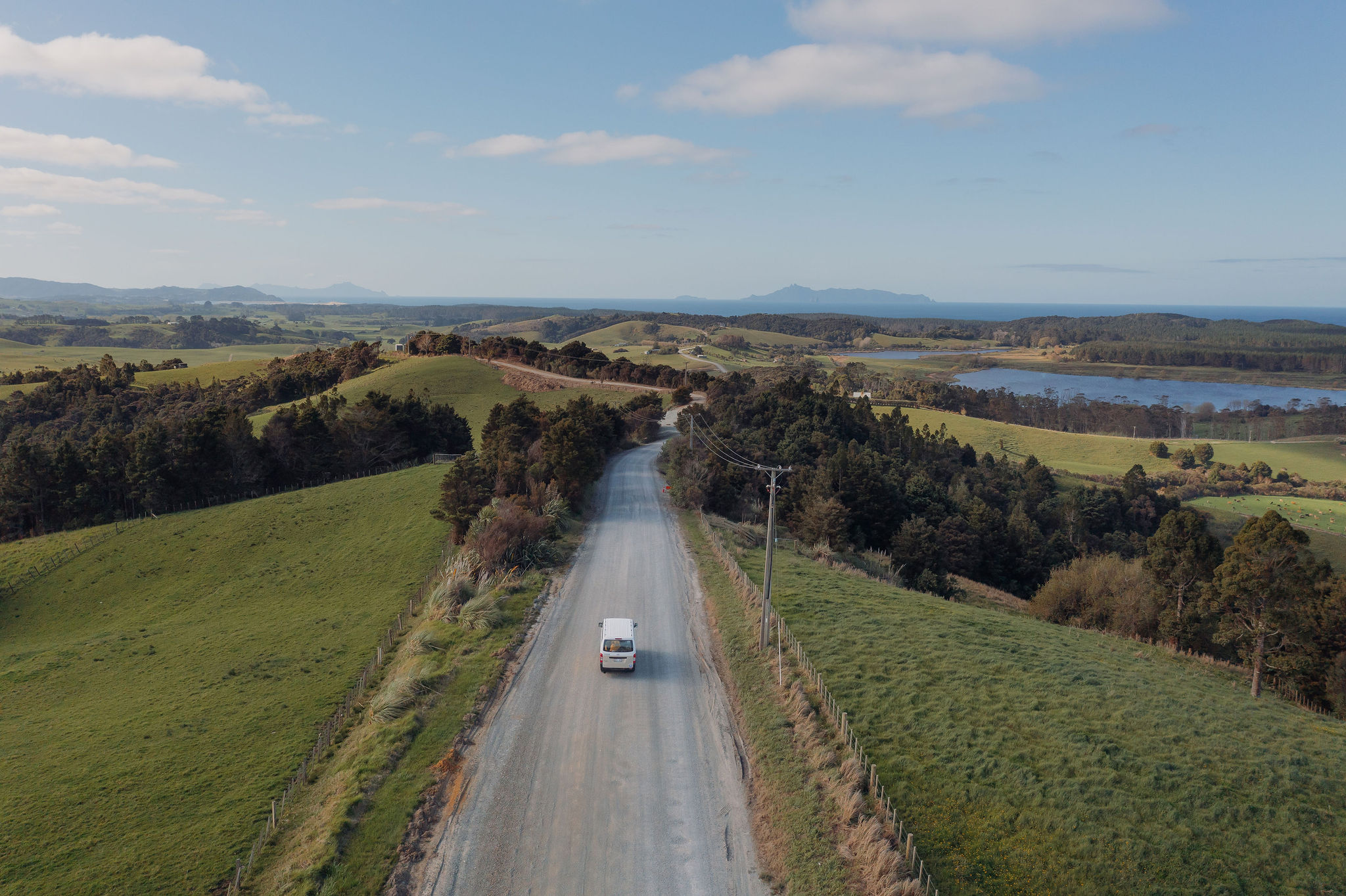
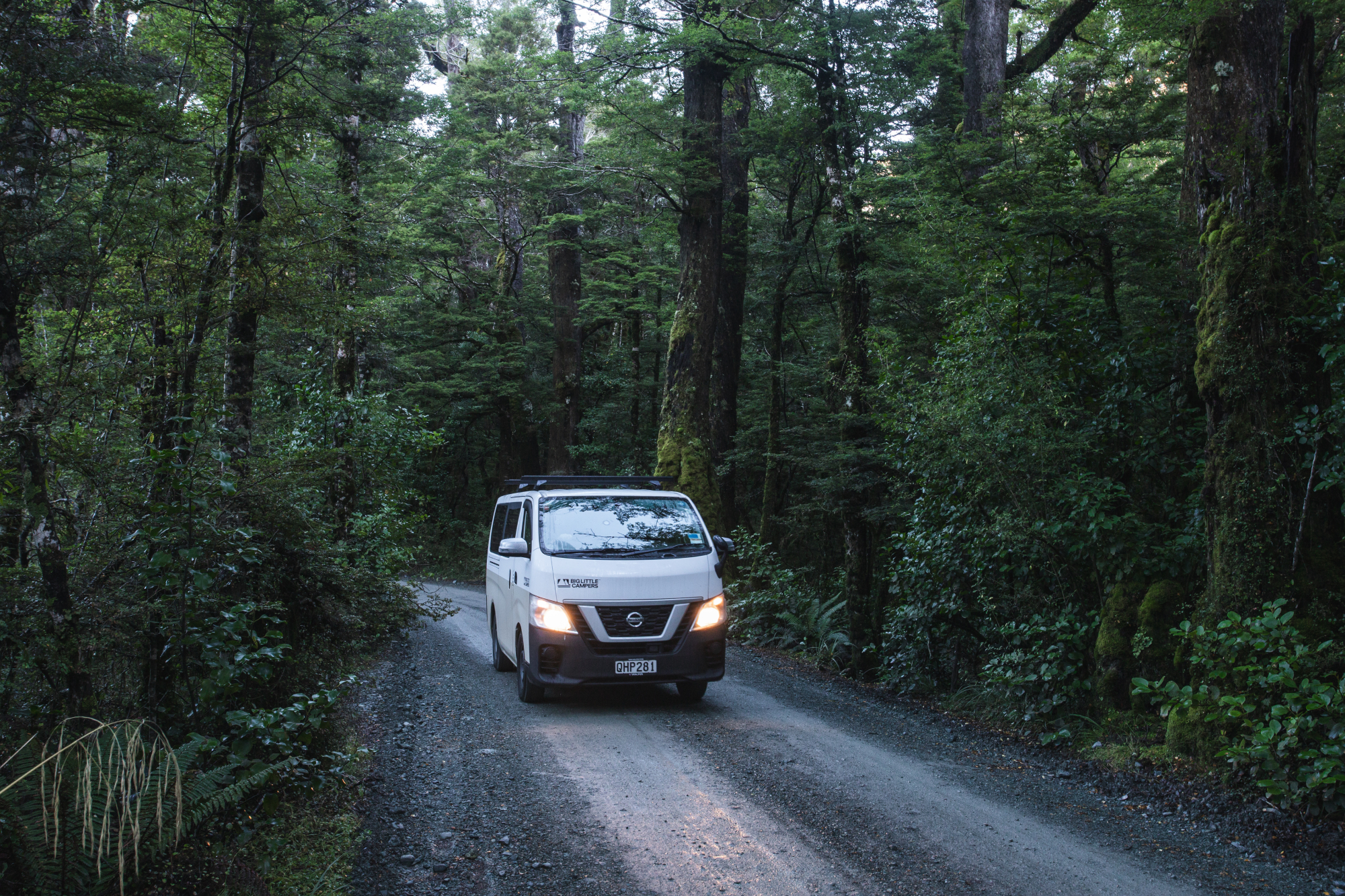
Quick SummaryBig Little Campers runs three vans, and two of them sleep a couple while one sleeps three. The Little One is a 4.7m Nissan NV350 with a 30L fridge and 25L of drinking water, which is enough for a couple to go three or four days between town stops. The Big One sleeps three in a hi-top Toyota Hiace, and is the only van in our fleet with a third bed, a loft above the kitchen rated to 80kg, and it is the one we hand over when a child is coming along. The Biggest One also sleeps two, or two plus a child on request. It carries 85L of fresh water, a 77L fridge and a full bathroom, so you can stay out roughly twice as long before you need a refill. Both The Little One and The Big One measure 4.7m long. The Biggest One stretches to 6.4m. Berth count is where you usually start, but water and fridge capacity eventually determine how many nights you stay outdoors before you visit a supermarket. Since 7 June 2026, any van you freedom camp in also needs a permanently fixed toilet and a green warrant card, and every BLC van proudly carries one. |
The Difference Between a 2 Berth and a 3 BerthBerth count is just the same as bed count. A 2 berth campervan has sleeping space for a couple, while a 3 berth has room for one more person. In a well-designed van, this means having a second real bed rather than a converted bench. Here's a quick comparison of our campervans in terms of size and capacity: |
|
Prioritise the fresh water column before the sleeps column. Twenty five litres is about three days of drinking, cooking and washing up for two people. Eighty five litres is closer to a week. Choose the right capacity for your travel so you will not be caught by surprise, and find yourself going back towards town. |
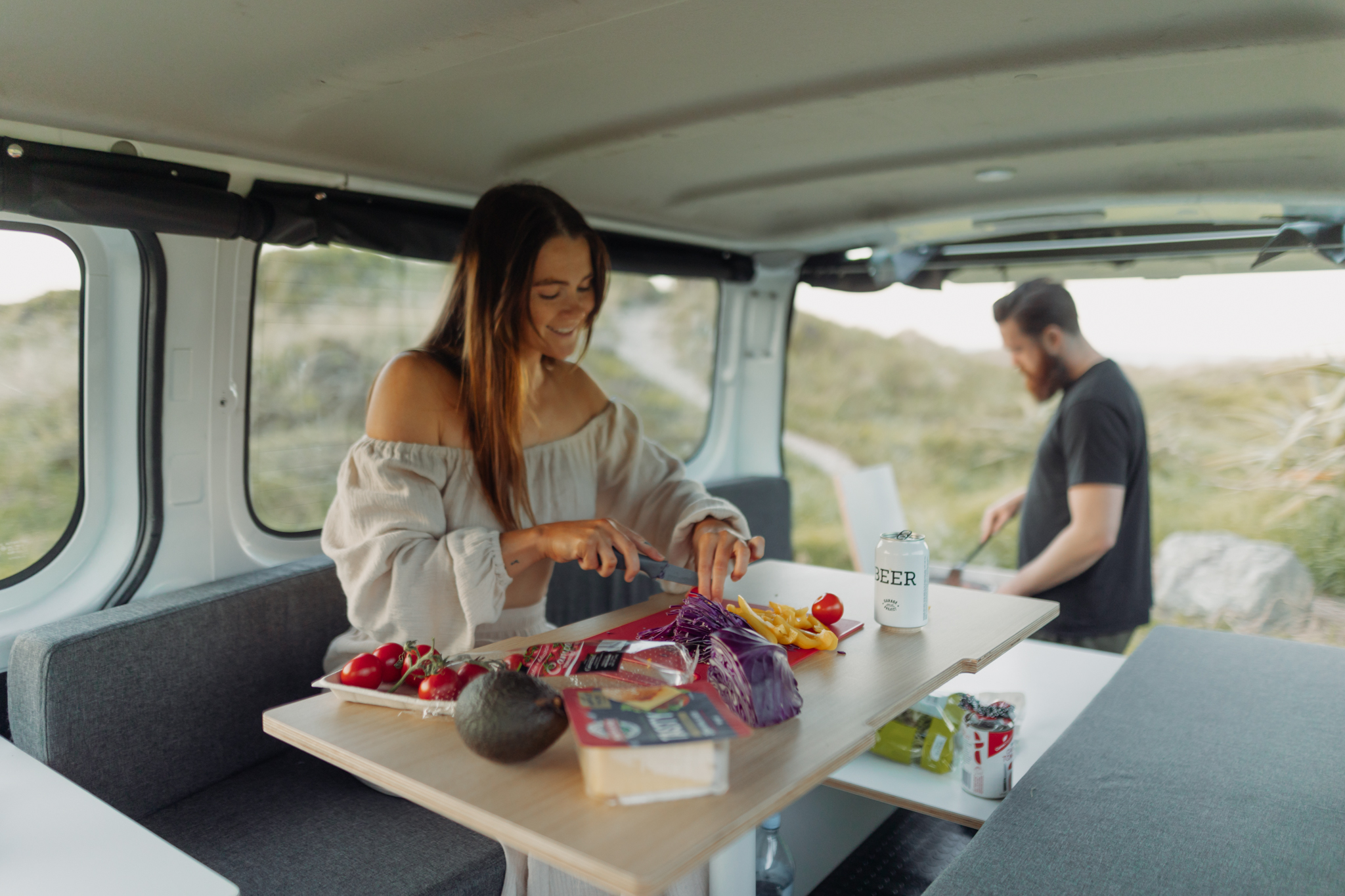
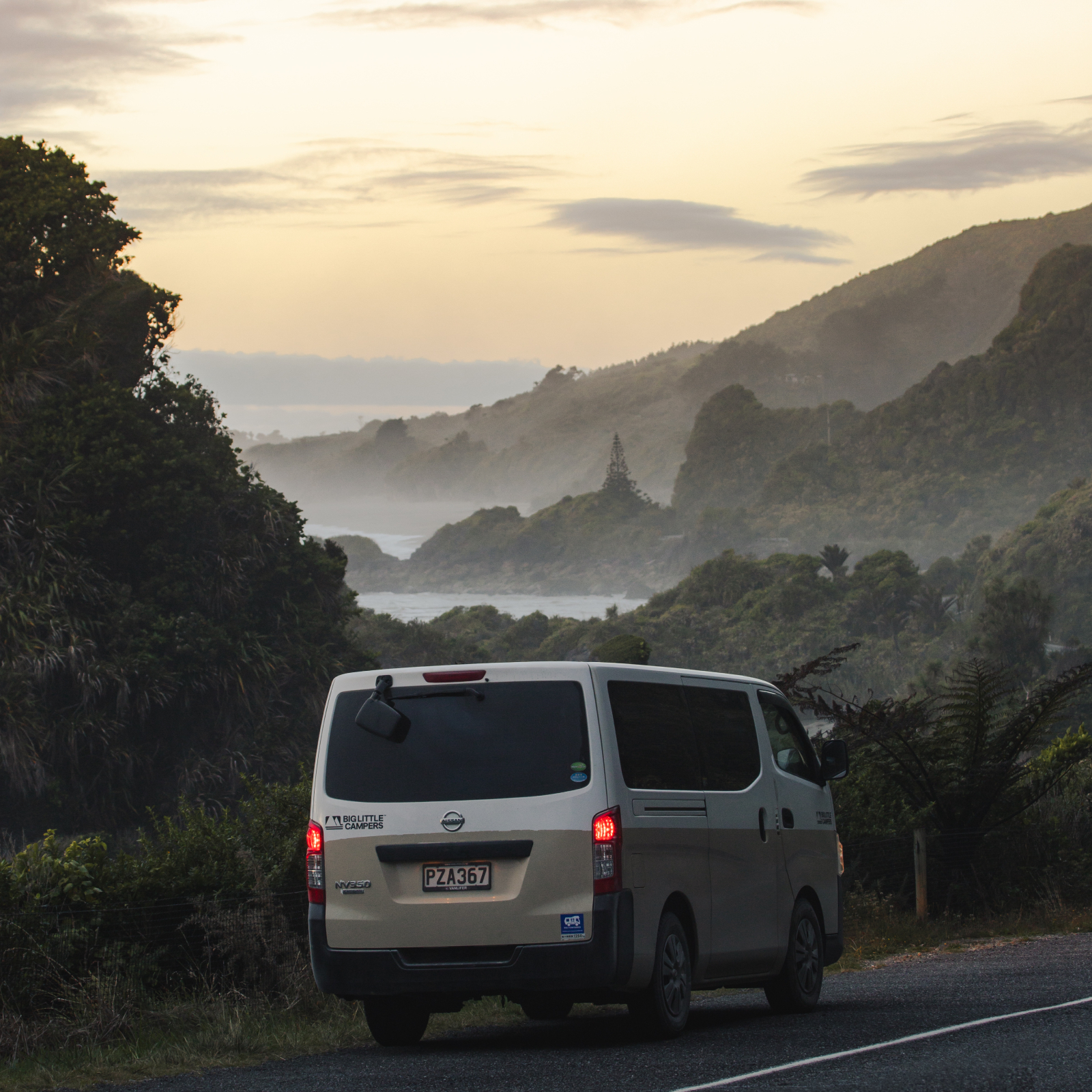
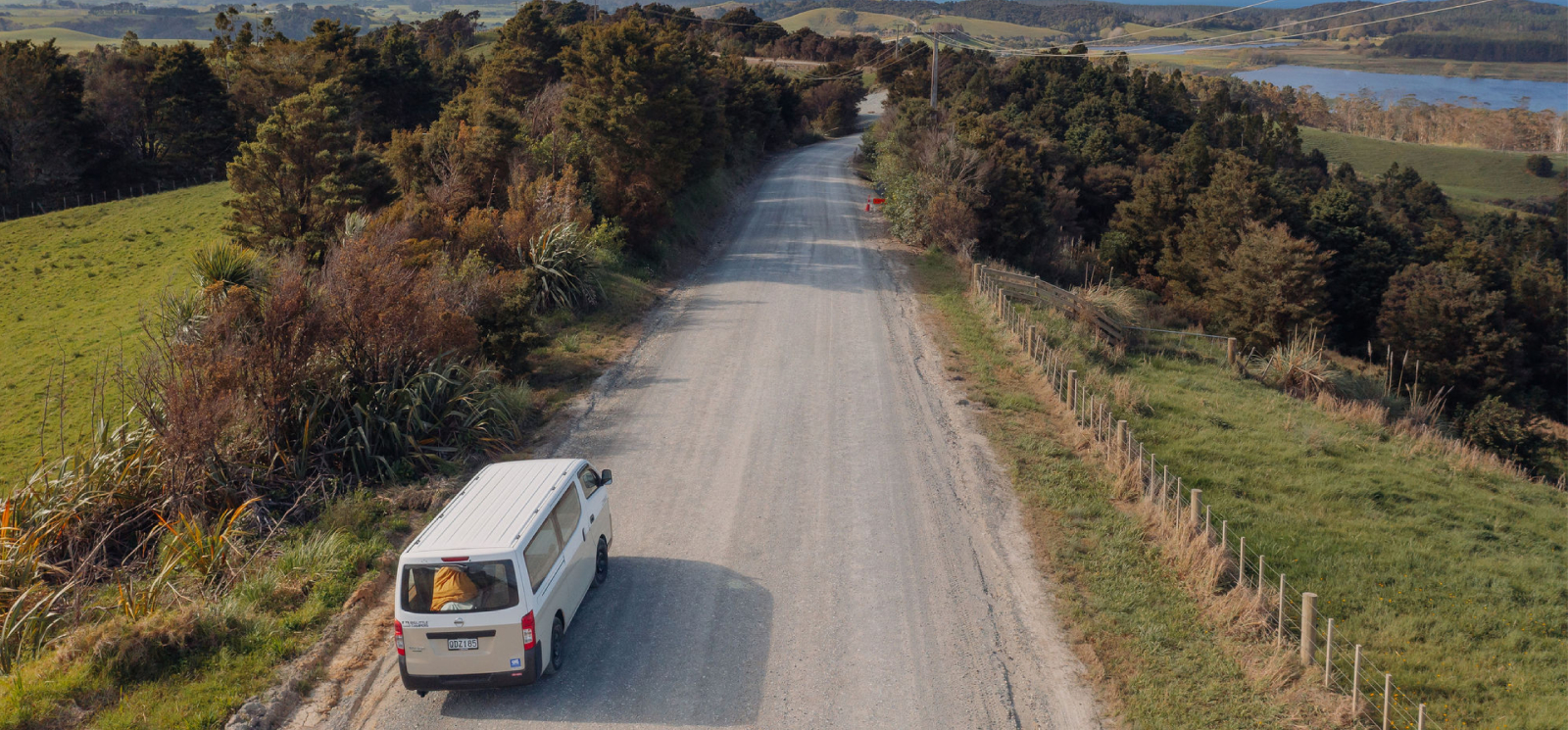
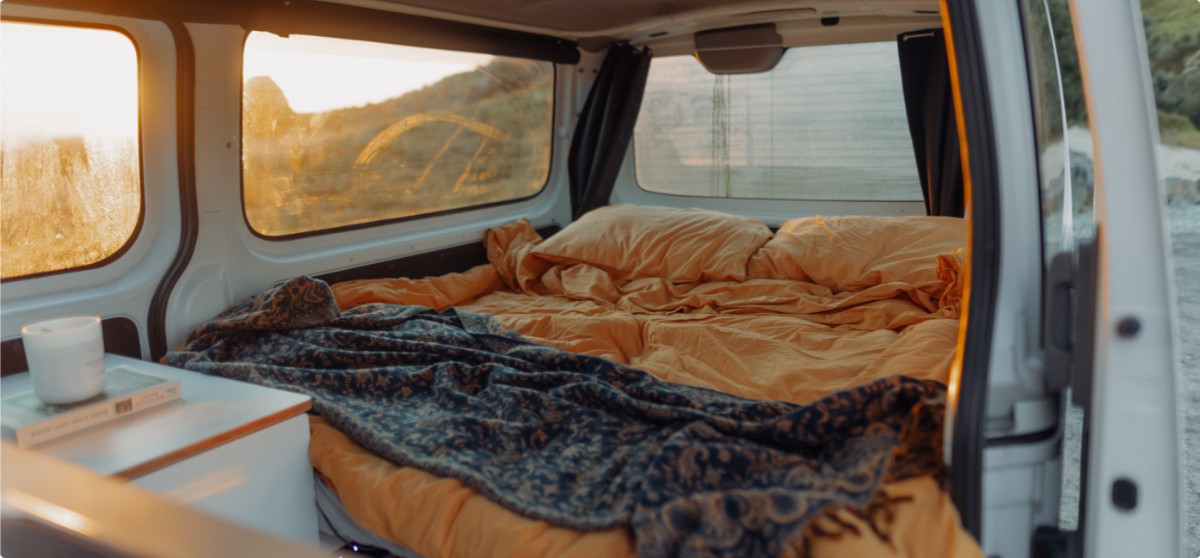
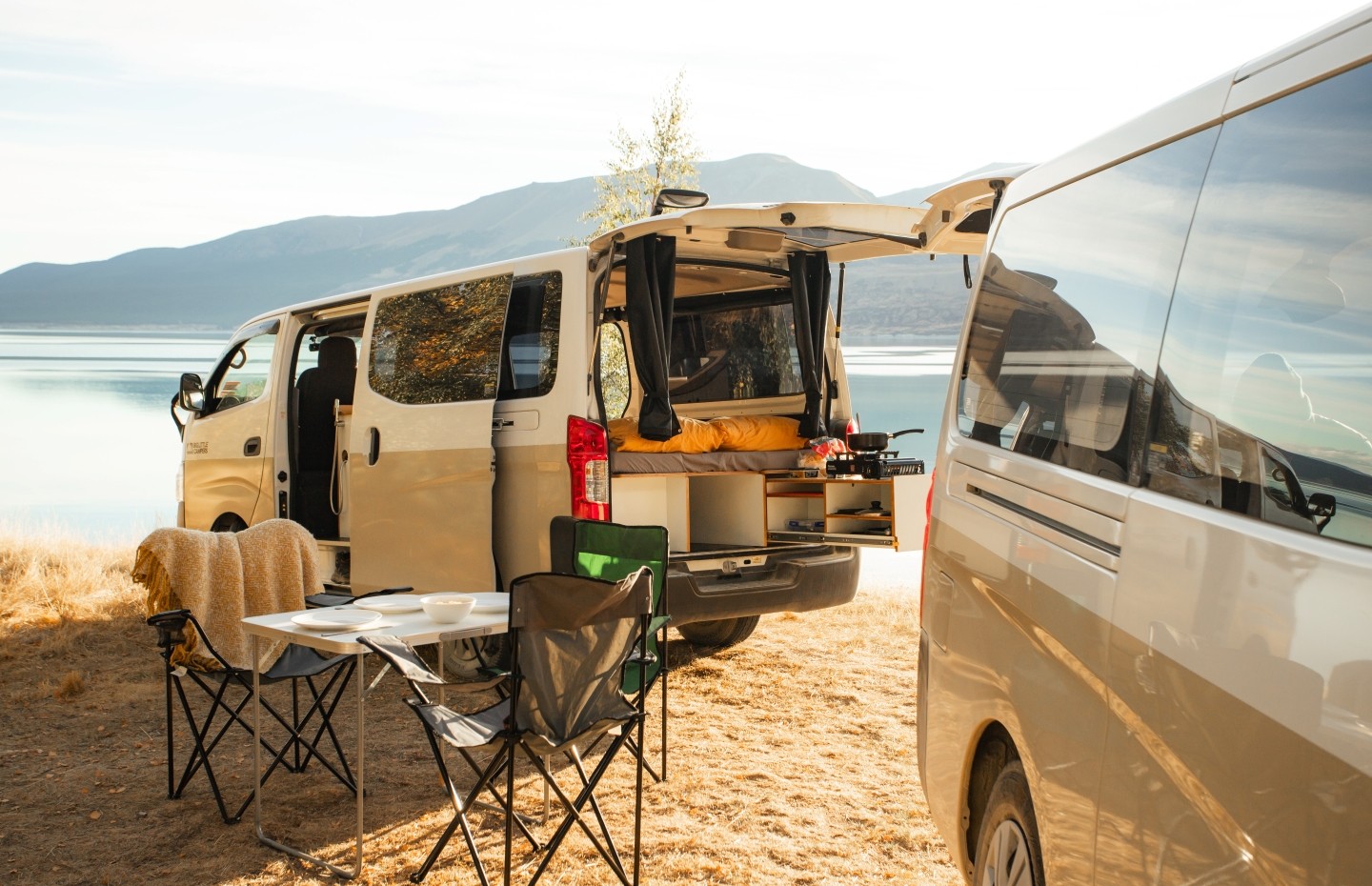
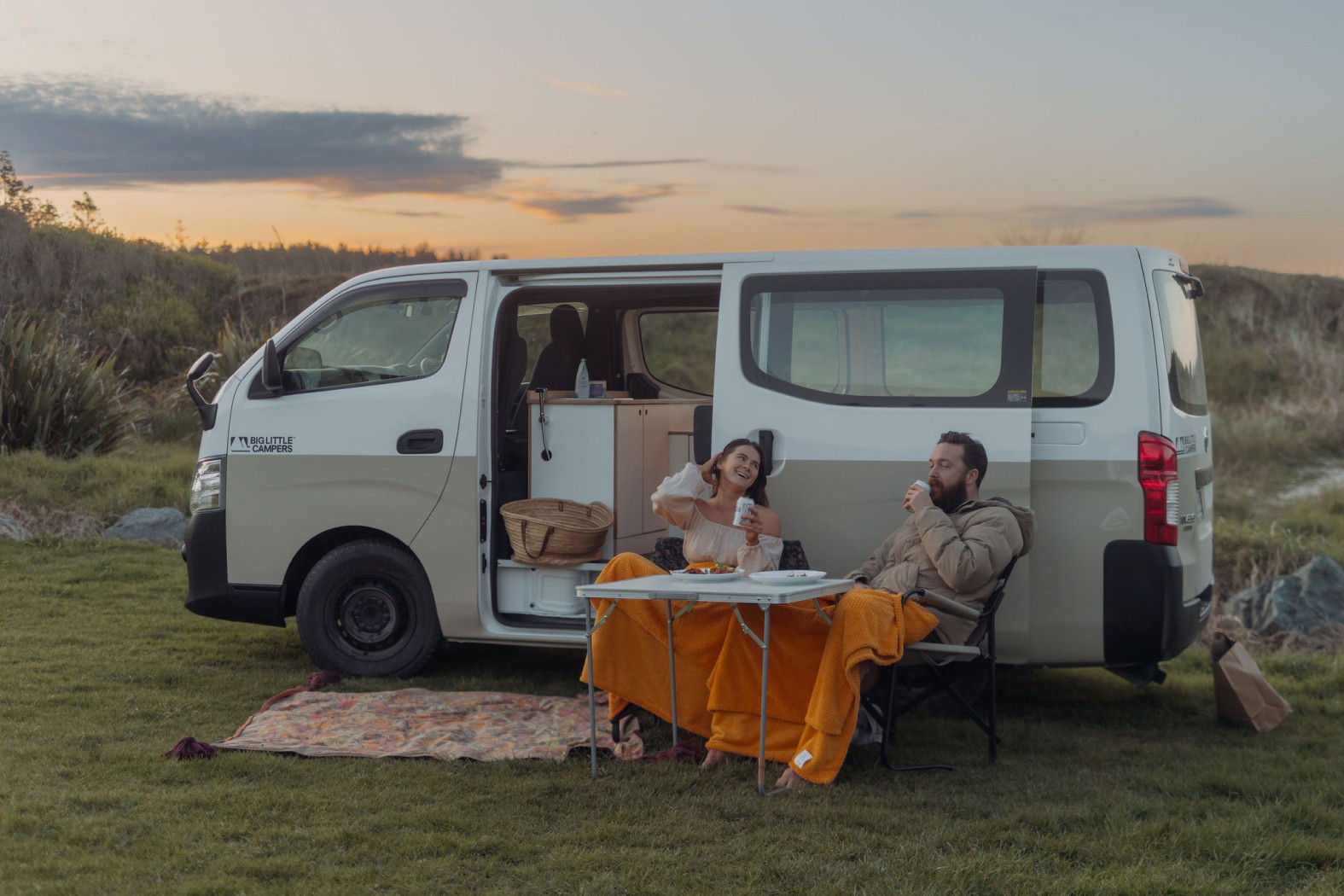
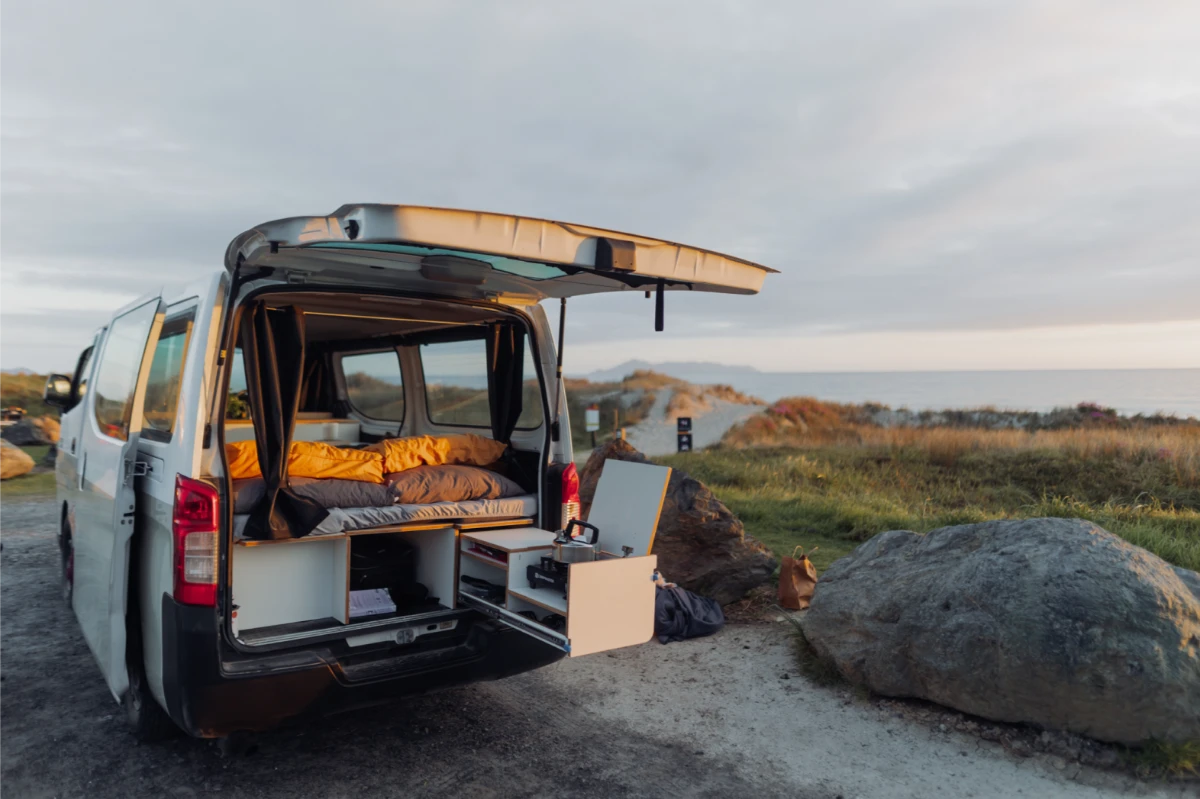
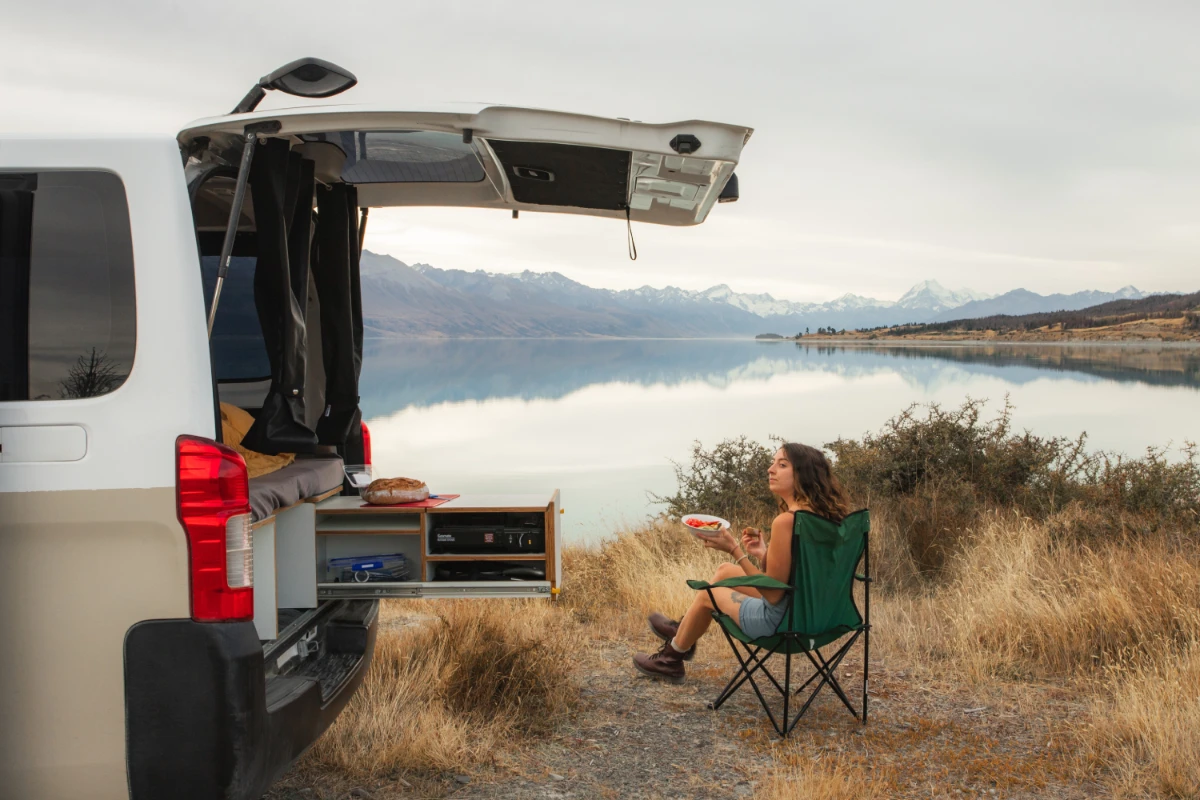
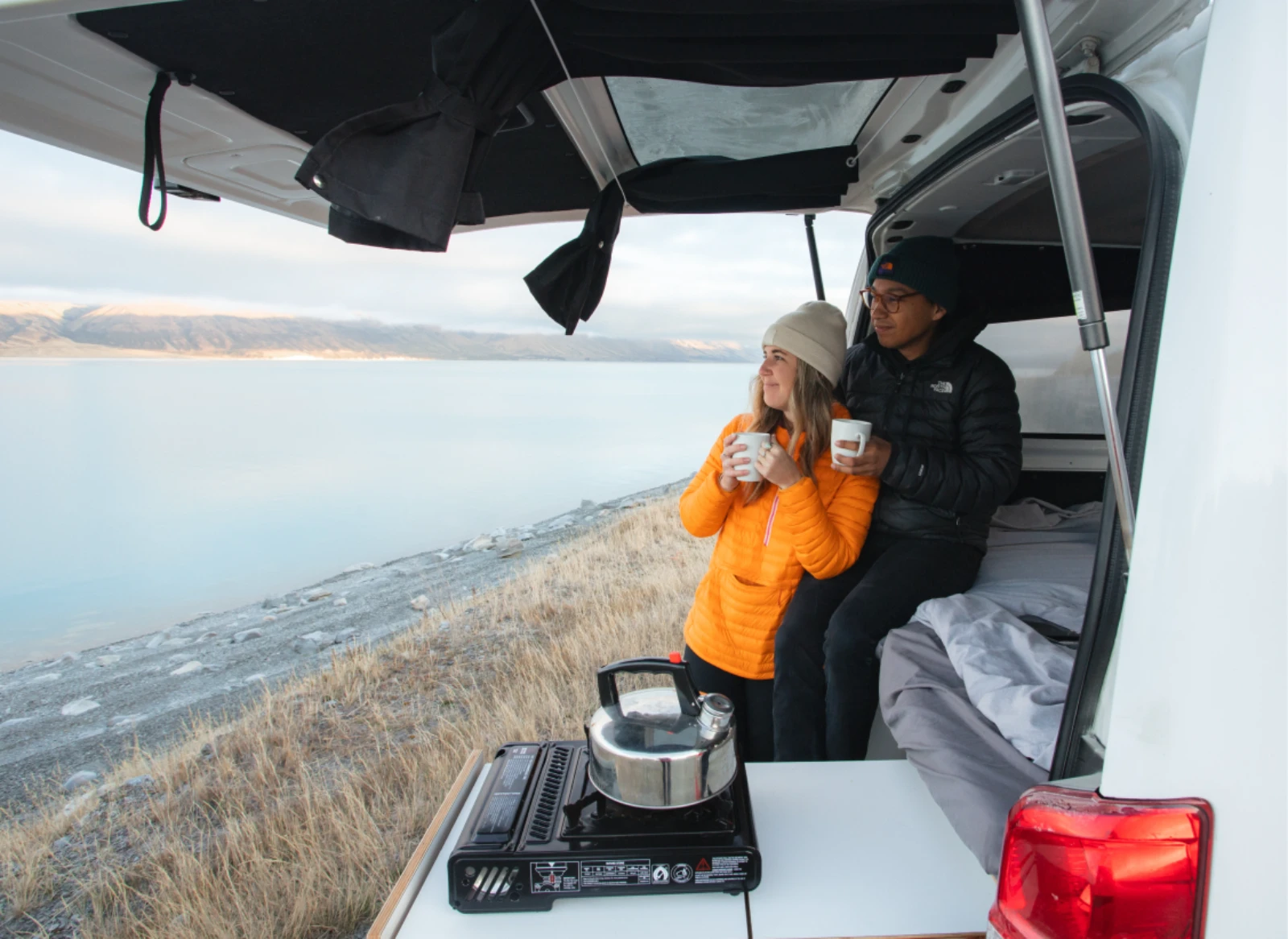
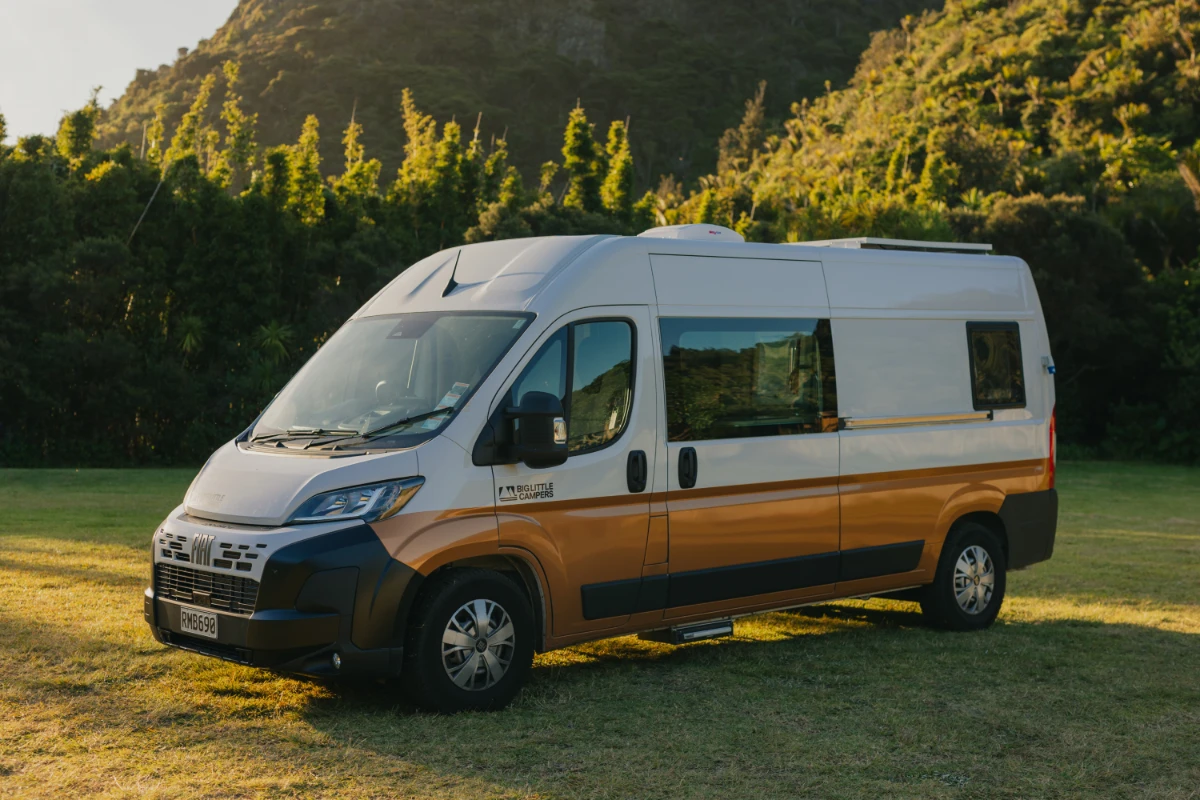
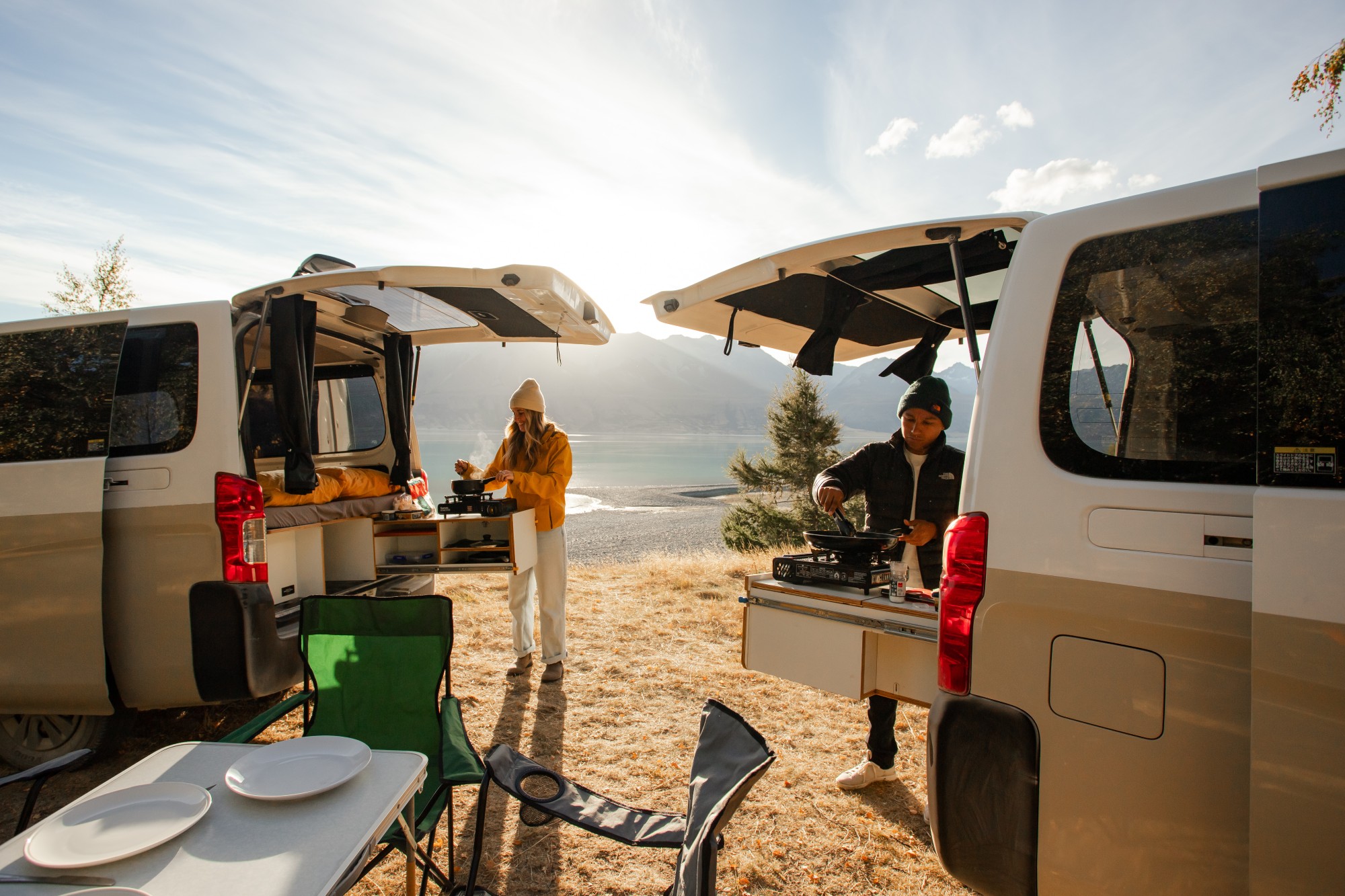
If You're Travelling as a Couple, Consider the Little One and the Biggest OneBoth The Little One and The Biggest One are 2-berth campervan hires that are perfect for travelling couples. But bear in mind that more than just the number of beds, your chosen van's capacity will determine how long you can stay outdoors. The Little One gives you a queen bed at 1.85m by 1.5m, a 30L fridge and 25L of drinking water. At 4.7m it fits an ordinary town car park, which is not true of most vans carrying a shower onboard. That sounds like a small thing until you are trying to park up for lunch on a busy summer weekend and every long bay is taken. Step up to The Biggest One and the bed count stays the same, but everything around it grows. You get a 77L fridge, 85L of fresh water, and a toilet and hot shower together in one cubicle. The hot water runs off the engine and holds heat for about three days, so there is no gas bottle in the loop. If you are planning to be on the road for over a fortnight, you should only need to refill water twice a week instead of every second day. |

|
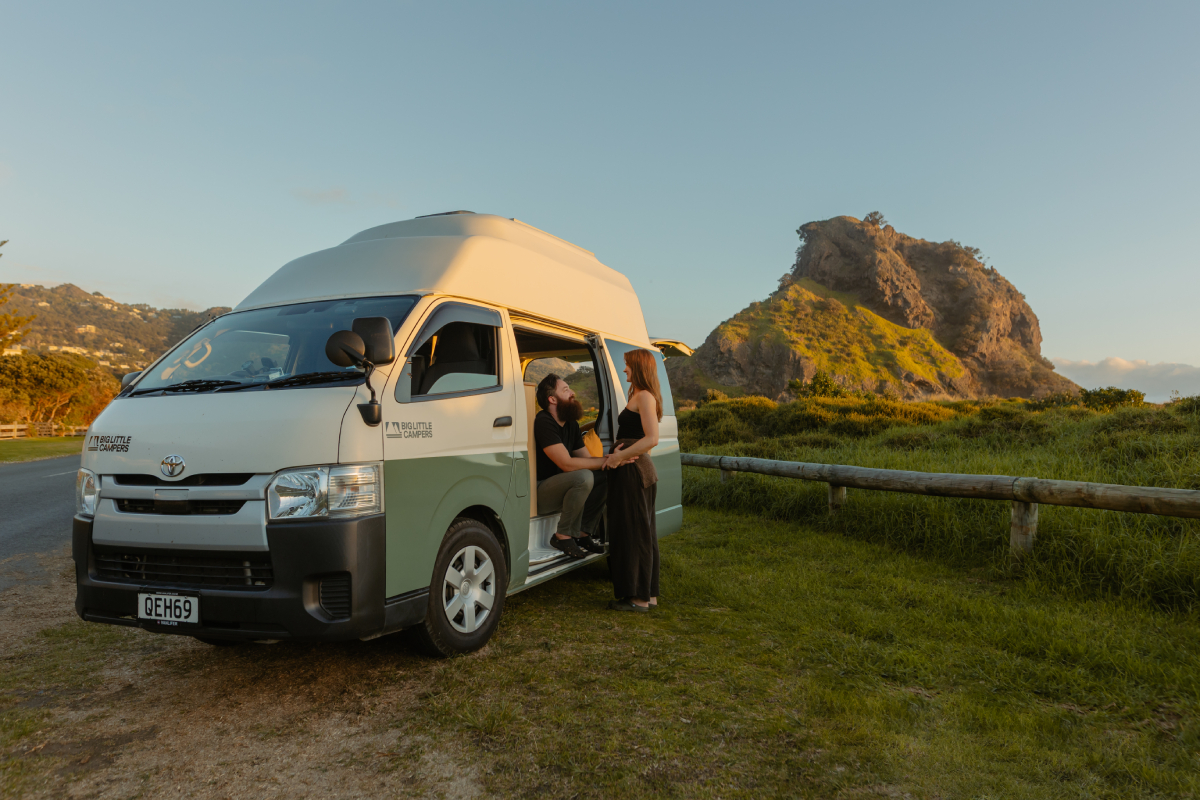
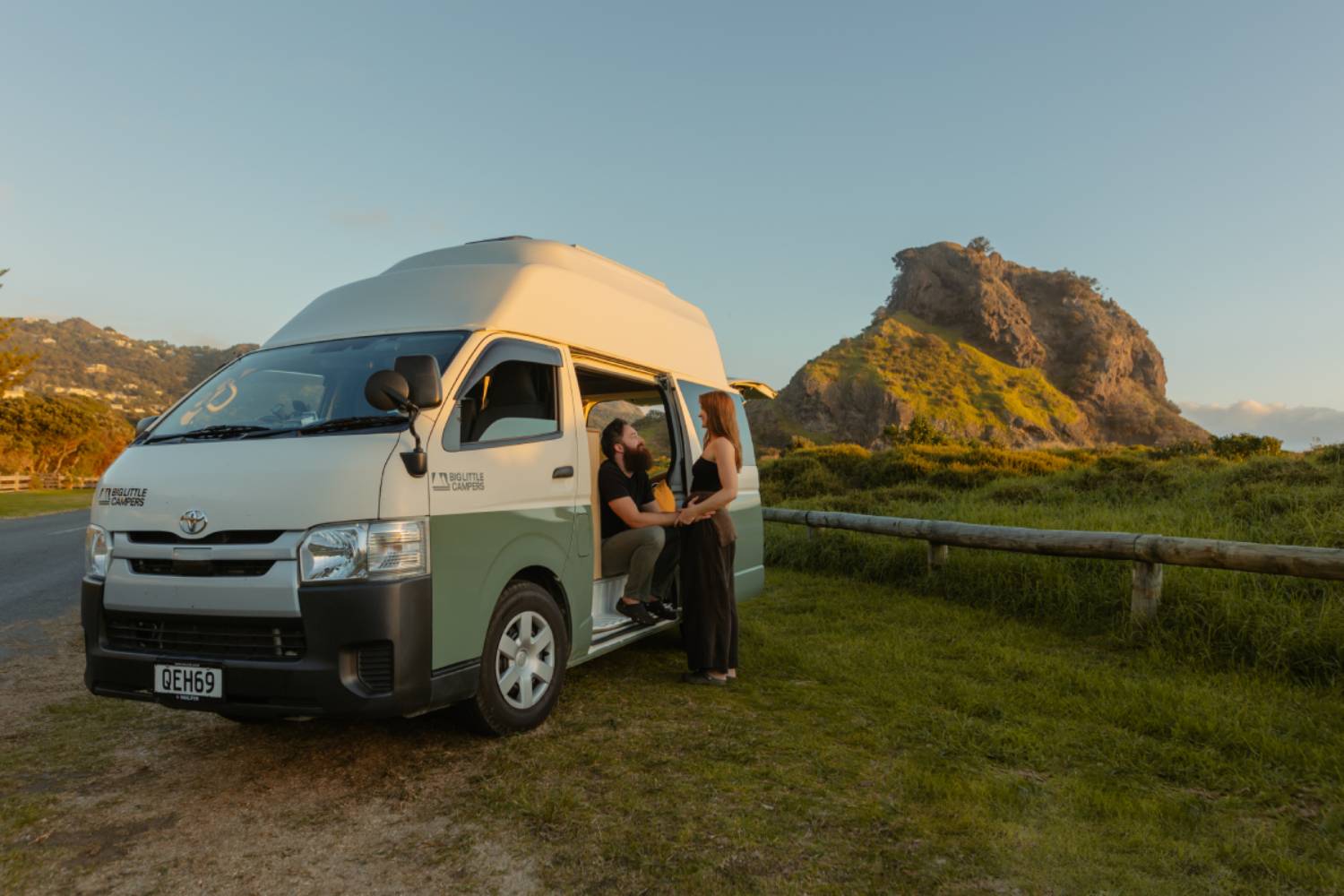
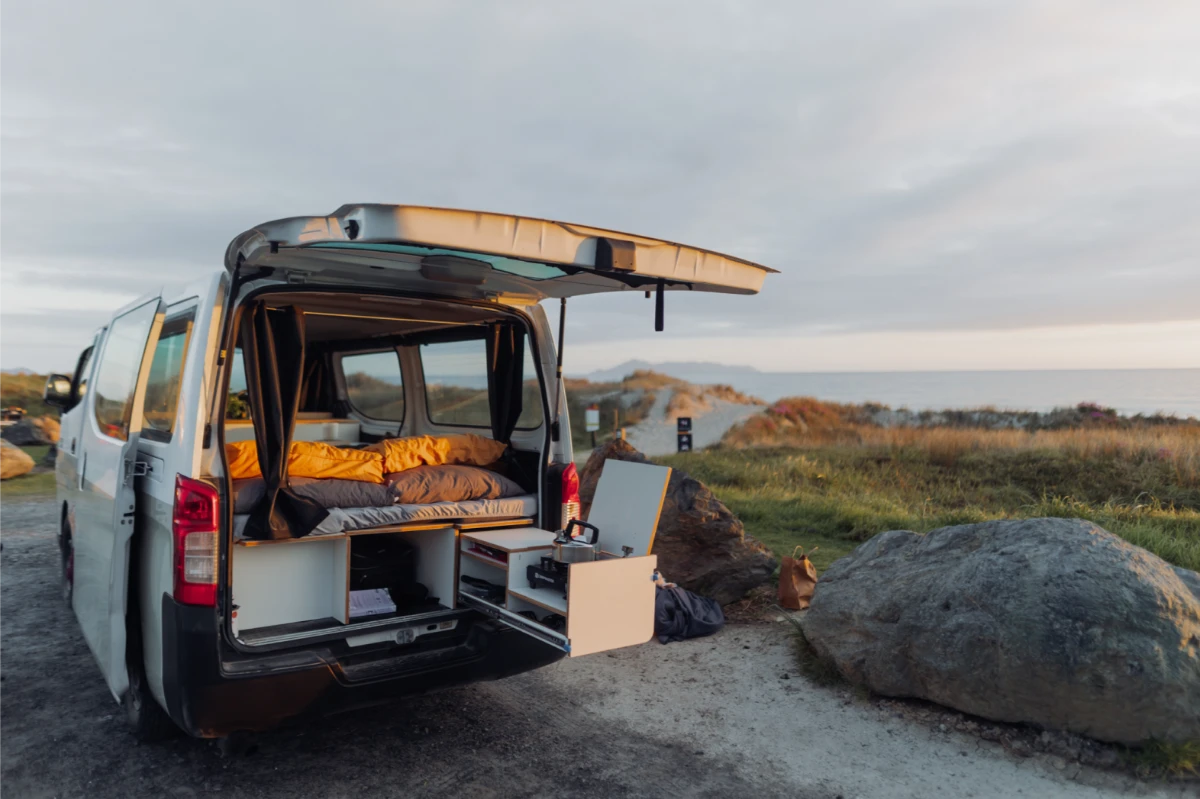
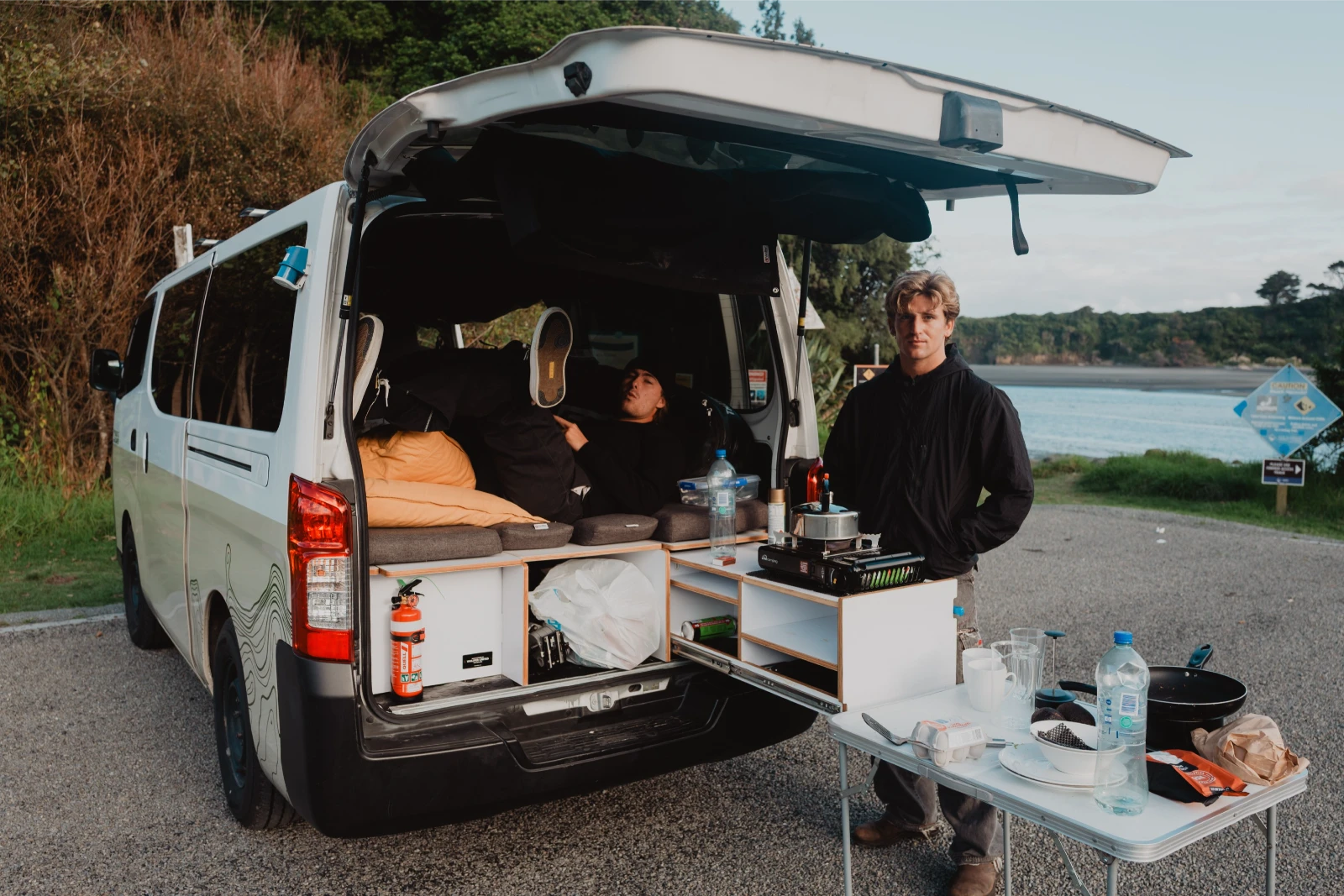
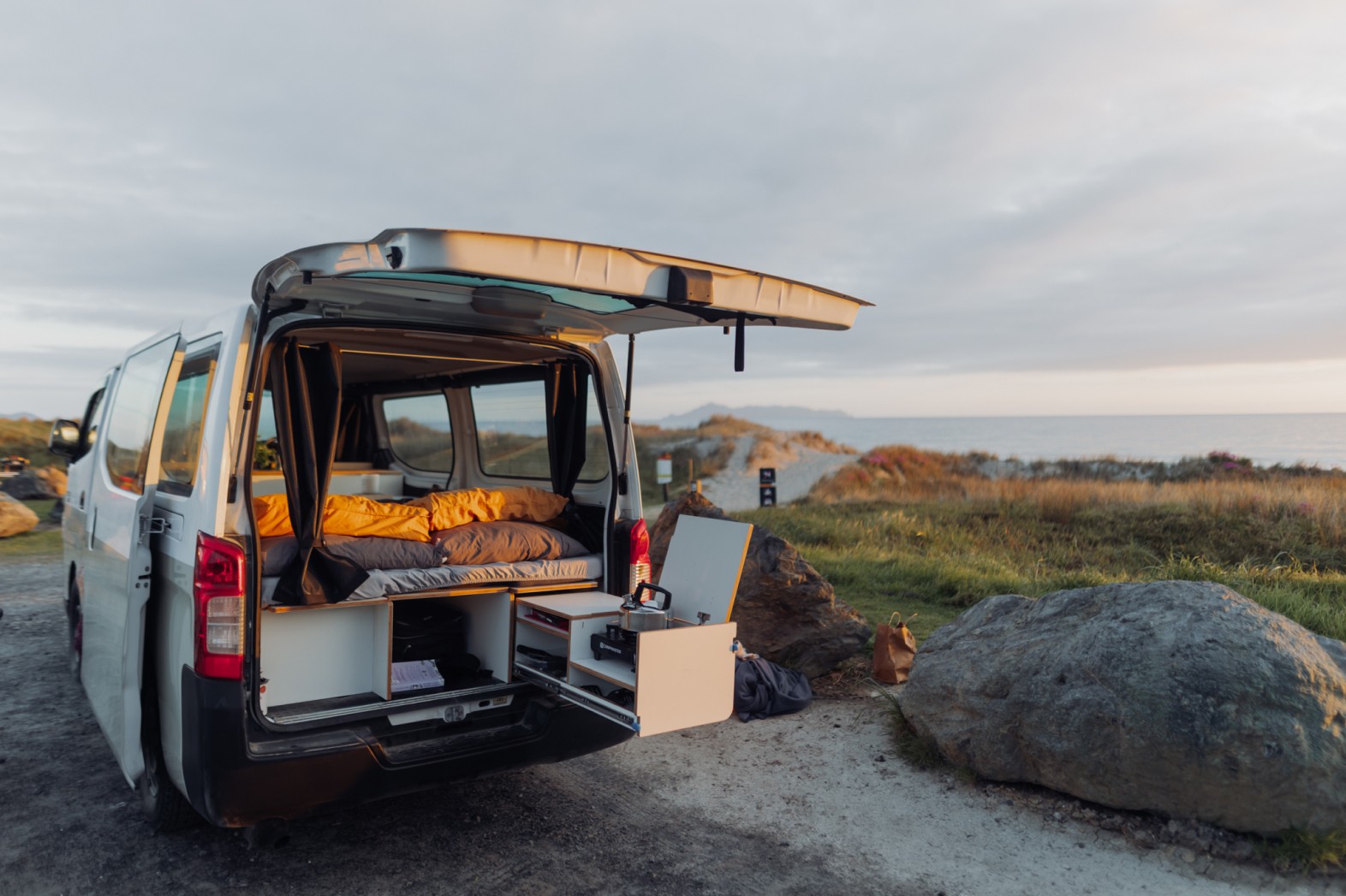
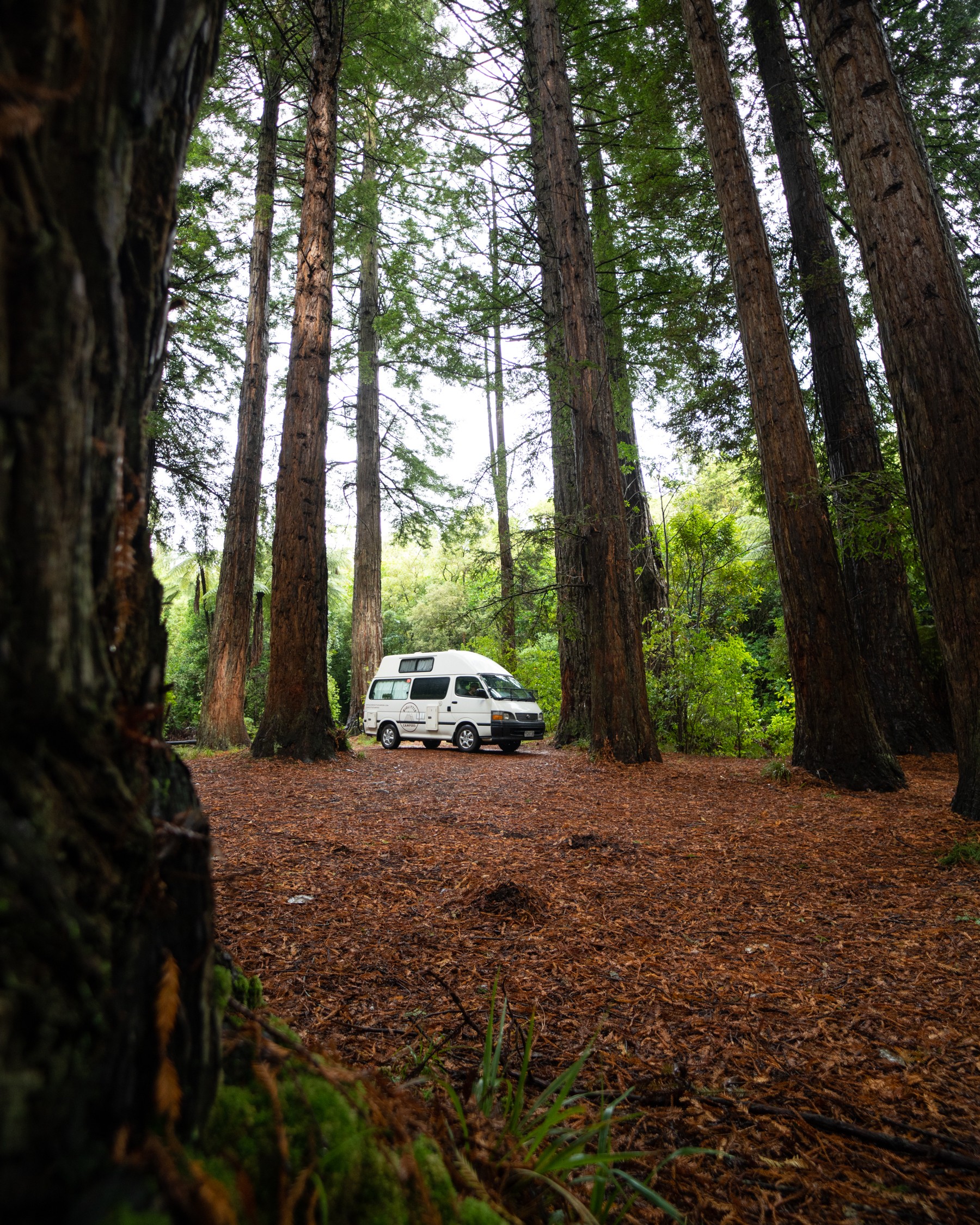
The Campervan That Sleeps ThreeThe Big One, our only 3-berth van, features 2 doubles that measure 1.85m by 1.5m each, so nobody ends the night on a folded-down bench. Above the kitchen, an upper bed slides out to take a third person of up to 80kg. That makes it the practical pick for family campervan hire in NZ with 1 child on board. Our family-friendly campervan travel guide covers the spots that suit it. You also get a two-burner gas hob, 40L each of fresh and grey water, and enough roof height to stand up while you cook. Standing height matters here since this means that the van still doubles as a sort of living room when the weather turns. You don't need to have everyone retreating to their beds when the rain pours. Anyone who has sat out on a wet afternoon on the West Coast knows the huge difference this makes. If you have been searching for a 3 berth motorhome hire, this is one for you. |
4, 5 and 6 Berth Campervan Hire in NZ Comes From Bigger FleetsIf you need 4, 5 or 6 berths, you will be booking with one of the larger fleets. We stop at three, and that is a deliberate call. Campervan sizes above three berths mean a longer wheelbase, and a longer wheelbase limits you on where you can take the van. It means tighter turns on the Coromandel coast road, fewer parks in small towns, more care on the narrow bridges down the West Coast. We would rather build vans that go everywhere than just vans that sleep everyone. One thing worth checking before you book. Every certified van carries a figure for how many people its water and toilet systems can support, and it is not always the same as the berth count. Our own fleet is completely transparent about it: The Biggest One sleeps two but is certified for three. For other operators, for example, a 6 berth van certified for four is still certified for four, no matter what the model name says. You can look up and verify any van yourself on the national Self-Contained Motor Vehicles Register by number plate before you pay a deposit. |

|
|
Why Being Self-Contained Matters More Than Berth CountHaving a self-contained campervan offers plenty of opportunities to see places in New Zealand that are otherwise inaccessible. Since 7 June 2026, a campervan is only considered self-contained if it has a fixed toilet and carries a green warrant card issued through the Plumbers, Gasfitters and Drainlayers Board. Portable toilets no longer qualify, and the old blue warrants expired on the same date. All BLC vehicles meet this requirement. Freedom camping without one where certification is required carries a $400 infringement fee. The Self-contained Motor Vehicles Legislation Act 2023 and the regulations under it set the criteria. Certification covers six things:
If the van passes all six, then the issued warrant is valid for four years. Without this certification, you are limited to booking at holiday parks most nights. That still works if you plan to explore New Zealand on a set route, but it may cost more. DOC's freedom camping guidance lists the sites that take certified vehicles only. Our guide to self-contained versus non-self-contained campervans covers in detail what certification involves. |
Frequently Asked QuestionsHow many people can a 2 berth campervan sleep?Two adults. Both of our 2 berth campervan hire options work that way, and neither will sleep a third adult. What is the difference between berths and seats in a campervan?Berths are sleeping spaces, and seats are belted positions for driving, and the two numbers are often different. All three of our vans seat three on the road, but only The Big One sleeps three. What campervan size should couples choose for a New Zealand road trip?Start at two berths, then choose on capacity. If you need to choose between two vans that can sleep the same number, then water and fridge capacity break the tie. These figures decide how many nights you last before you need a town. Can I hire a 5 berth or 6 berth campervan in New Zealand?Yes, from operators running larger fleets. Big Little Campers stops at three berths. Check the certified capacity on the warrant card alongside the berth count, because the two can differ. Do I need a bigger van for a child?Not always. The Big One takes a third person up to 80kg in the upper bed, and The Biggest One sleeps two plus a child on request. |
ReferencesDepartment of Conservation. (n.d.). Freedom camping. https://www.doc.govt.nz/parks-and-recreation/places-to-stay/stay-at-a-campsite/freedom-camping/ Plumbers, Gasfitters and Drainlayers Board. (n.d.). Private vehicle owners. https://www.pgdb.co.nz/self_contained_vehicles/private_vehicle_owners/ |
Still deciding? All three vehicle pages carry the full specifications, and the booking page shows live rates for your dates. Pick-up runs from Auckland and Christchurch.
Tell us where you are heading and how many of you there are, and we will tell you which van best suits you. Get in touch, we're happy to help.
If you would rather work it out yourself, our guide to choosing the best campervan for your NZ road trip covers the rest of the decision.
|
Most people comparing 2 berth campervan hire in New Zealand are really asking one thing: will there be enough room? Berth count answers half of that. Certified overnight capacity answers the rest, and these figures are not always the same. |
Quick SummaryBig Little Campers runs three vans, and two of them sleep a couple while one sleeps three. The Little One is a 4.7m Nissan NV350 with a 30L fridge and 25L of drinking water, which is enough for a couple to go three or four days between town stops. The Big One sleeps three in a hi-top Toyota Hiace, and is the only van in our fleet with a third bed, a loft above the kitchen rated to 80kg, and it is the one we hand over when a child is coming along. The Biggest One also sleeps two, or two plus a child on request. It carries 85L of fresh water, a 77L fridge and a full bathroom, so you can stay out roughly twice as long before you need a refill. Both The Little One and The Big One measure 4.7m long. The Biggest One stretches to 6.4m. Berth count is where you usually start, but water and fridge capacity eventually determine how many nights you stay outdoors before you visit a supermarket. Since 7 June 2026, any van you freedom camp in also needs a permanently fixed toilet and a green warrant card, and every BLC van proudly carries one. |
The Difference Between a 2 Berth and a 3 BerthBerth count is just the same as bed count. A 2 berth campervan has sleeping space for a couple, while a 3 berth has room for one more person. In a well-designed van, this means having a second real bed rather than a converted bench. Here's a quick comparison of our campervans in terms of size and capacity: |
|
Prioritise the fresh water column before the sleeps column. Twenty five litres is about three days of drinking, cooking and washing up for two people. Eighty five litres is closer to a week. Choose the right capacity for your travel so you will not be caught by surprise, and find yourself going back towards town. |
If You're Travelling as a Couple, Consider the Little One and the Biggest OneBoth The Little One and The Biggest One are 2-berth campervan hires that are perfect for travelling couples. But bear in mind that more than just the number of beds, your chosen van's capacity will determine how long you can stay outdoors. The Little One gives you a queen bed at 1.85m by 1.5m, a 30L fridge and 25L of drinking water. At 4.7m it fits an ordinary town car park, which is not true of most vans carrying a shower onboard. That sounds like a small thing until you are trying to park up for lunch on a busy summer weekend and every long bay is taken. Step up to The Biggest One and the bed count stays the same, but everything around it grows. You get a 77L fridge, 85L of fresh water, and a toilet and hot shower together in one cubicle. The hot water runs off the engine and holds heat for about three days, so there is no gas bottle in the loop. If you are planning to be on the road for over a fortnight, you should only need to refill water twice a week instead of every second day. |
|
|
The Campervan That Sleeps ThreeThe Big One, our only 3-berth van, features 2 doubles that measure 1.85m by 1.5m each, so nobody ends the night on a folded-down bench. Above the kitchen, an upper bed slides out to take a third person of up to 80kg. That makes it the practical pick for family campervan hire in NZ with 1 child on board. Our family-friendly campervan travel guide covers the spots that suit it. You also get a two-burner gas hob, 40L each of fresh and grey water, and enough roof height to stand up while you cook. Standing height matters here since this means that the van still doubles as a sort of living room when the weather turns. You don't need to have everyone retreating to their beds when the rain pours. Anyone who has sat out on a wet afternoon on the West Coast knows the huge difference this makes. If you have been searching for a 3 berth motorhome hire, this is one for you. |
4, 5 and 6 Berth Campervan Hire in NZ Comes From Bigger FleetsIf you need 4, 5 or 6 berths, you will be booking with one of the larger fleets. We stop at three, and that is a deliberate call. Campervan sizes above three berths mean a longer wheelbase, and a longer wheelbase limits you on where you can take the van. It means tighter turns on the Coromandel coast road, fewer parks in small towns, more care on the narrow bridges down the West Coast. We would rather build vans that go everywhere than just vans that sleep everyone. One thing worth checking before you book. Every certified van carries a figure for how many people its water and toilet systems can support, and it is not always the same as the berth count. Our own fleet is completely transparent about it: The Biggest One sleeps two but is certified for three. For other operators, for example, a 6 berth van certified for four is still certified for four, no matter what the model name says. You can look up and verify any van yourself on the national Self-Contained Motor Vehicles Register by number plate before you pay a deposit. |
|
|
|
Why Being Self-Contained Matters More Than Berth CountHaving a self-contained campervan offers plenty of opportunities to see places in New Zealand that are otherwise inaccessible. Since 7 June 2026, a campervan is only considered self-contained if it has a fixed toilet and carries a green warrant card issued through the Plumbers, Gasfitters and Drainlayers Board. Portable toilets no longer qualify, and the old blue warrants expired on the same date. All BLC vehicles meet this requirement. Freedom camping without one where certification is required carries a $400 infringement fee. The Self-contained Motor Vehicles Legislation Act 2023 and the regulations under it set the criteria. Certification covers six things:
If the van passes all six, then the issued warrant is valid for four years. Without this certification, you are limited to booking at holiday parks most nights. That still works if you plan to explore New Zealand on a set route, but it may cost more. DOC's freedom camping guidance lists the sites that take certified vehicles only. Our guide to self-contained versus non-self-contained campervans covers in detail what certification involves. |
Frequently Asked QuestionsHow many people can a 2 berth campervan sleep?Two adults. Both of our 2 berth campervan hire options work that way, and neither will sleep a third adult. What is the difference between berths and seats in a campervan?Berths are sleeping spaces, and seats are belted positions for driving, and the two numbers are often different. All three of our vans seat three on the road, but only The Big One sleeps three. What campervan size should couples choose for a New Zealand road trip?Start at two berths, then choose on capacity. If you need to choose between two vans that can sleep the same number, then water and fridge capacity break the tie. These figures decide how many nights you last before you need a town. Can I hire a 5 berth or 6 berth campervan in New Zealand?Yes, from operators running larger fleets. Big Little Campers stops at three berths. Check the certified capacity on the warrant card alongside the berth count, because the two can differ. Do I need a bigger van for a child?Not always. The Big One takes a third person up to 80kg in the upper bed, and The Biggest One sleeps two plus a child on request. |
ReferencesDepartment of Conservation. (n.d.). Freedom camping. https://www.doc.govt.nz/parks-and-recreation/places-to-stay/stay-at-a-campsite/freedom-camping/ Plumbers, Gasfitters and Drainlayers Board. (n.d.). Private vehicle owners. https://www.pgdb.co.nz/self_contained_vehicles/private_vehicle_owners/ |
Still deciding? All three vehicle pages carry the full specifications, and the booking page shows live rates for your dates. Pick-up runs from Auckland and Christchurch.
Tell us where you are heading and how many of you there are, and we will tell you which van best suits you. Get in touch, we're happy to help.
If you would rather work it out yourself, our guide to choosing the best campervan for your NZ road trip covers the rest of the decision.
Read more







.jpg)
.jpg)
.jpg)
.jpg)
.jpg)

.jpg)
.jpg)



.jpg)