Chat with a human
Let us help you pick the perfect camper for your once in a lifetime adventure

|
Timing can make or break a road trip. Book too late in summer and you're competing with everyone else for the same New Zealand camper hire and the best camping spots. Book too early for winter, and you might miss out on better shoulder-season rates. We get asked about the best time to rent a New Zealand camper hire more than almost anything else. Frankly, there's no single right answer. It depends on what kind of trip you want, and when you're travelling. And this is where flexibility matters as well. Here is what we have learned from years on the road and helping travellers plan their trips. |
Quick SummaryThe best time to book a New Zealand camper hire depends on your travel dates. For peak season (mid-December to February), book at least two to three months in advance, and ideally four to six months out for popular vehicle types. Shoulder seasons (March to May, September to November) usually only need a few weeks' notice and bring lower rates plus quieter roads. Winter (June to August) is the most flexible window, with reduced fleets but the lowest pricing. Booking direct with an independent operator usually gets you clearer pricing, easier changes if plans shift, and local knowledge you won't find on a comparison site. Match your timing to South Island weather if alpine drives are on the list, or stick to the milder North Island year-round. |
|
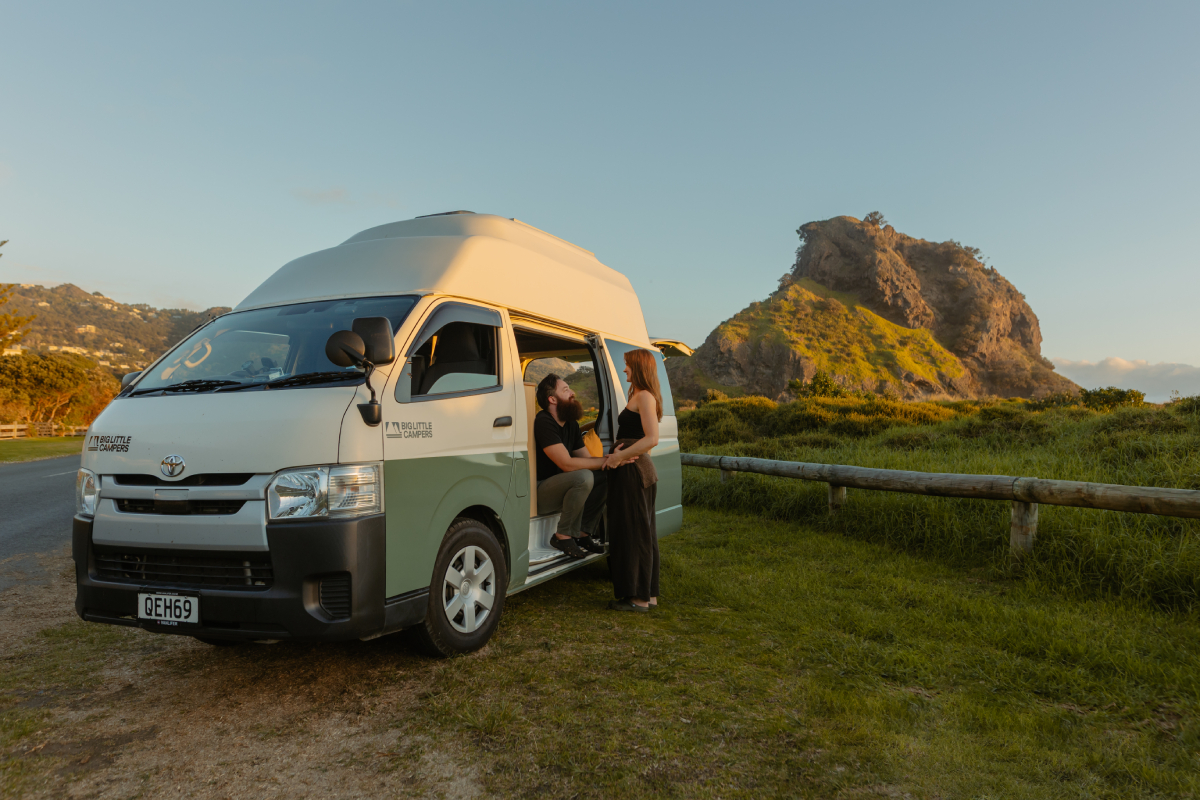
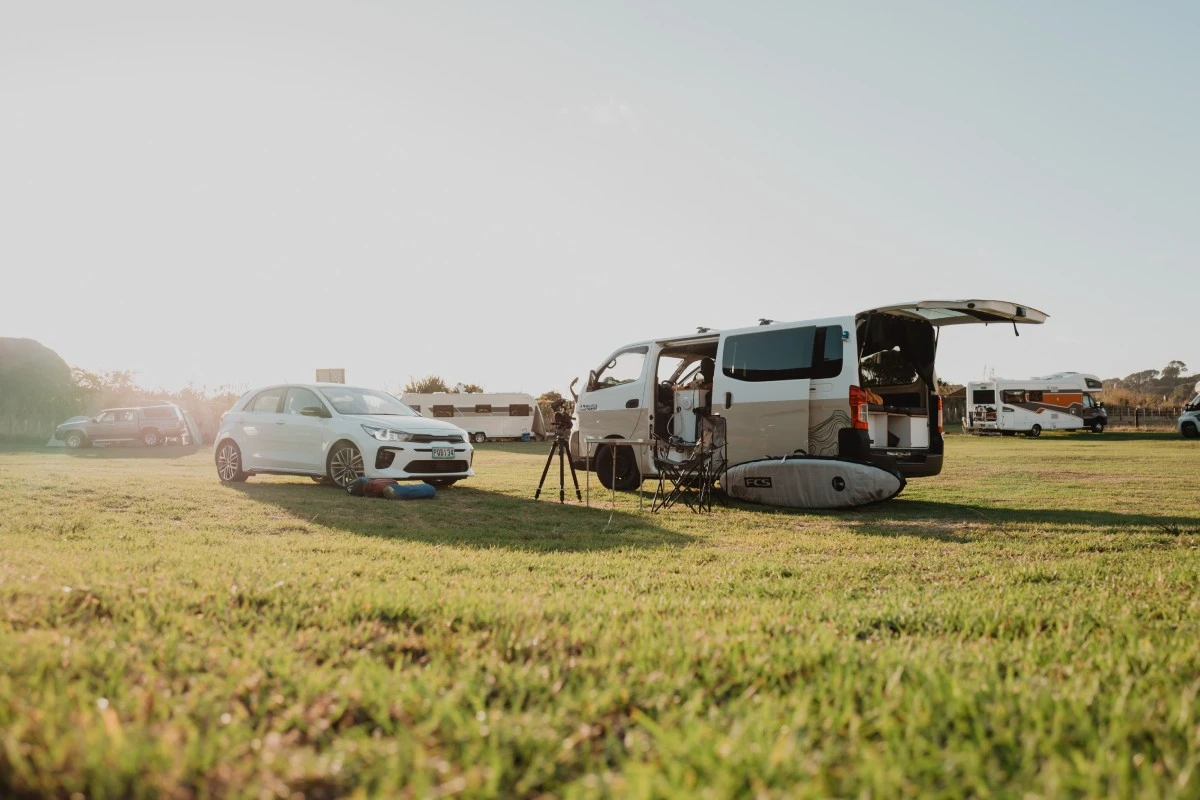
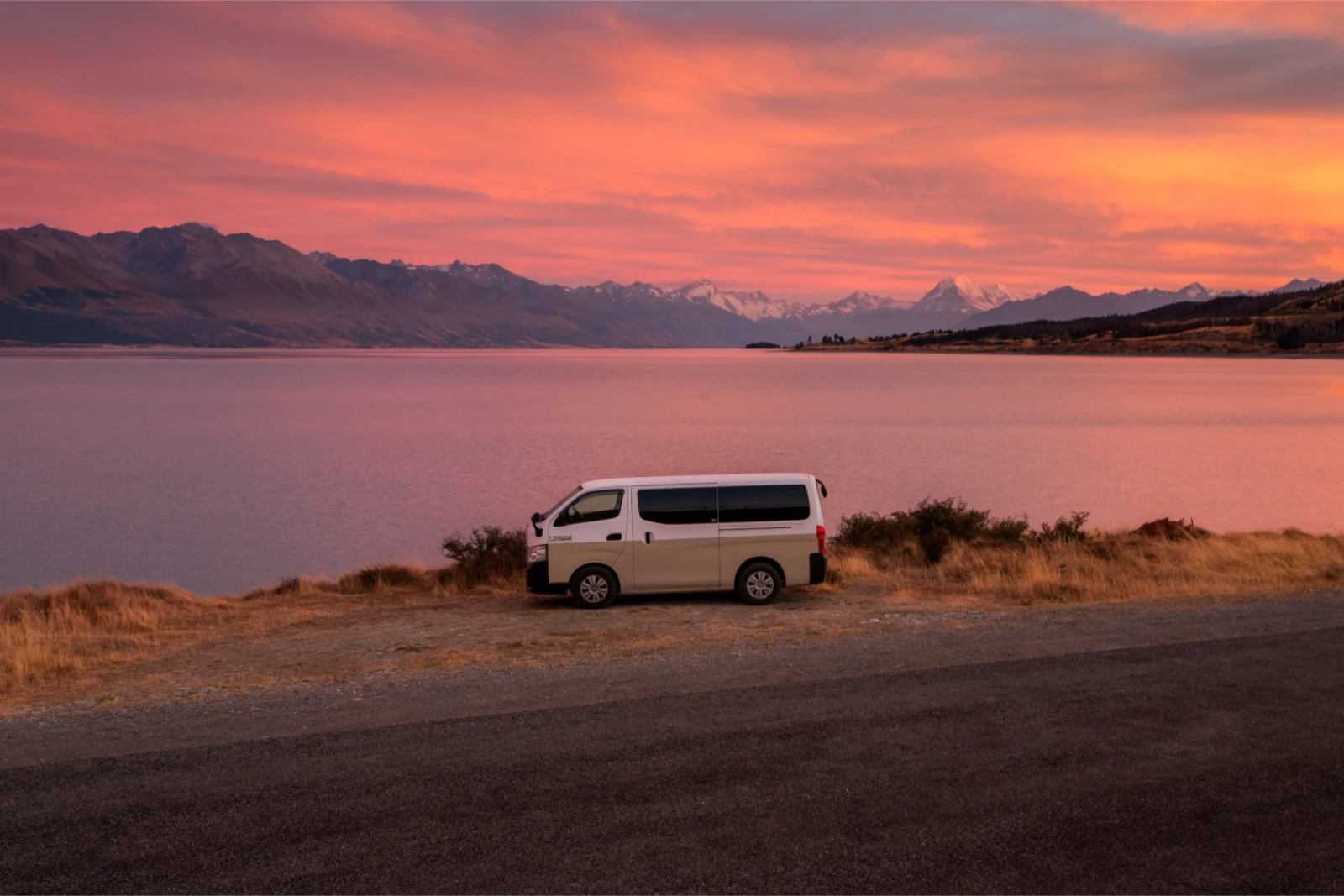
When Campervan Availability Gets TightPeak season runs mid-December through February, covering NZ school holidays and the bulk of international visitor arrivals. During these three months, campervan rental in New Zealand often runs at full capacity, with popular vehicles booked out months ahead. If your travel dates fall in peak season and you want a specific vehicle type, two to three months' lead time is the realistic minimum. Four to six months is safer for popular sizes like 2-berth campervans with a fixed toilet and shower. Any closer to your dates and you're taking your chances on what's left. The same applies to long weekends and public holidays like Easter, Anzac Day, and the Queen's Birthday. Kiwis hit the road in droves, and campervan availability closes fast, especially around these dates. |

|
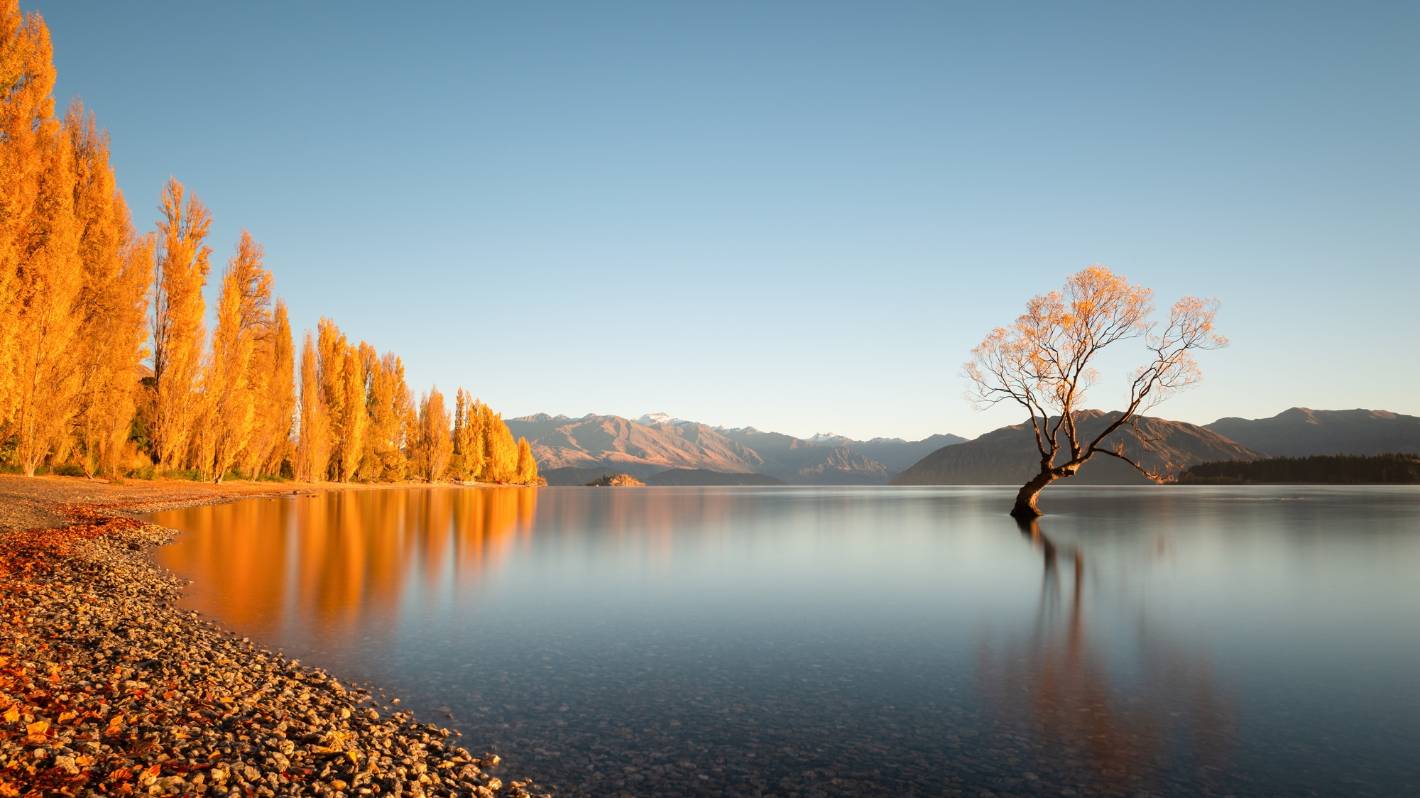
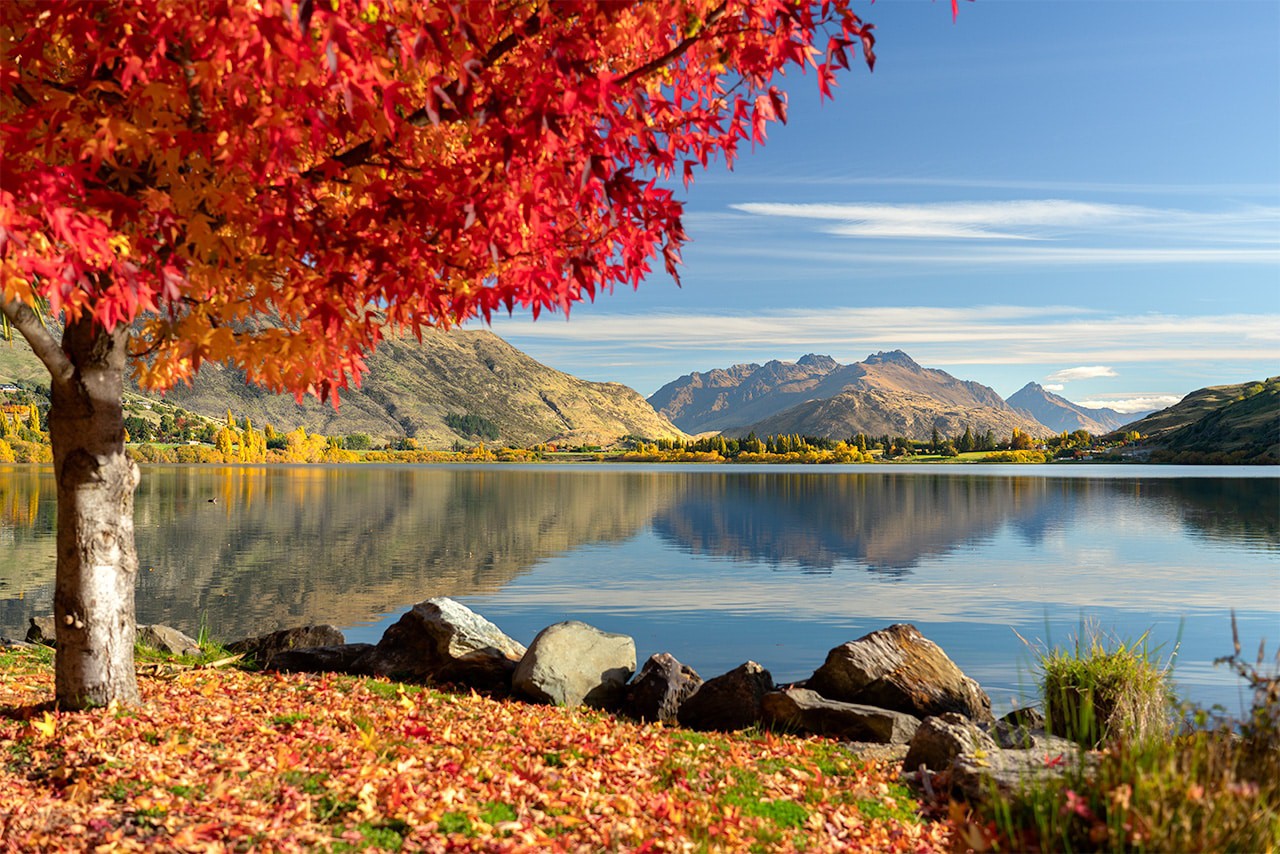
When Shoulder Season Works in Your FavourMarch to May and September to November are the value sweet spots, with rates dropping below summer pricing and pickup windows opening up. Fewer crowds. More flexibility. Often, the best balance between weather and cost. For the South Island, autumn (March to May) holds steady weather after the summer rush clears. Places like Milford Sound and the West Coast feel calmer. The sights around Queenstown and Wanaka in April are worth the trip alone. Spring (September to November) brings longer days and wildflowers, though the weather is less predictable. Snow can linger on alpine passes early in the season. It pays to check road conditions before crossing the Crown Range or the Lewis Pass. If your dates are flexible, shoulder season offers the best balance of value and experience. How Far Ahead Should You Book?Lead time depends on when you're travelling.
|
Why Flexible Dates Make a DifferenceIf you can shift your travel window by a week or two, you open up more options. A campervan that's booked solid for one week might be sitting available the next. This matters most in peak season, but it applies year-round. Rental companies adjust pricing based on demand. A flexible start date can unlock better rates without changing much else about your trip. Flexibility also helps with one-way rentals. If you want to pick up in Auckland and drop off in Christchurch, certain dates work better than others. It depends on where the fleet is needed. |
What to Check Before You BookBefore locking anything in, it is worth checking a few key details.
Why Booking Direct Is the Best OptionComparison sites are useful for a quick overview, but they do not always show smaller independent operators. Pricing and inclusions can also differ from booking directly. Booking directly usually means clearer communication, more flexibility if plans change, and access to local advice. If you like being able to speak to someone who knows the van and the roads, direct booking makes things easier. |
|
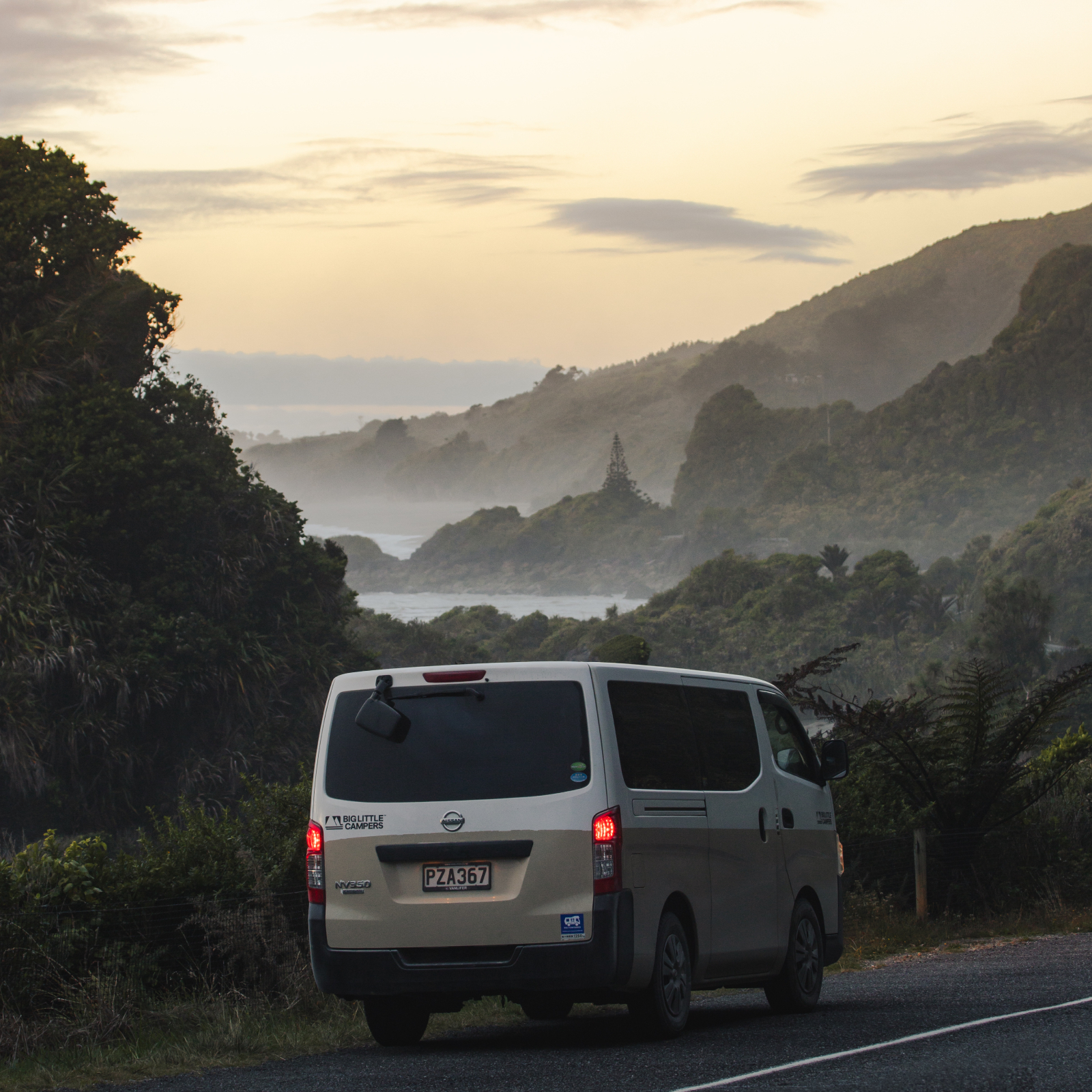
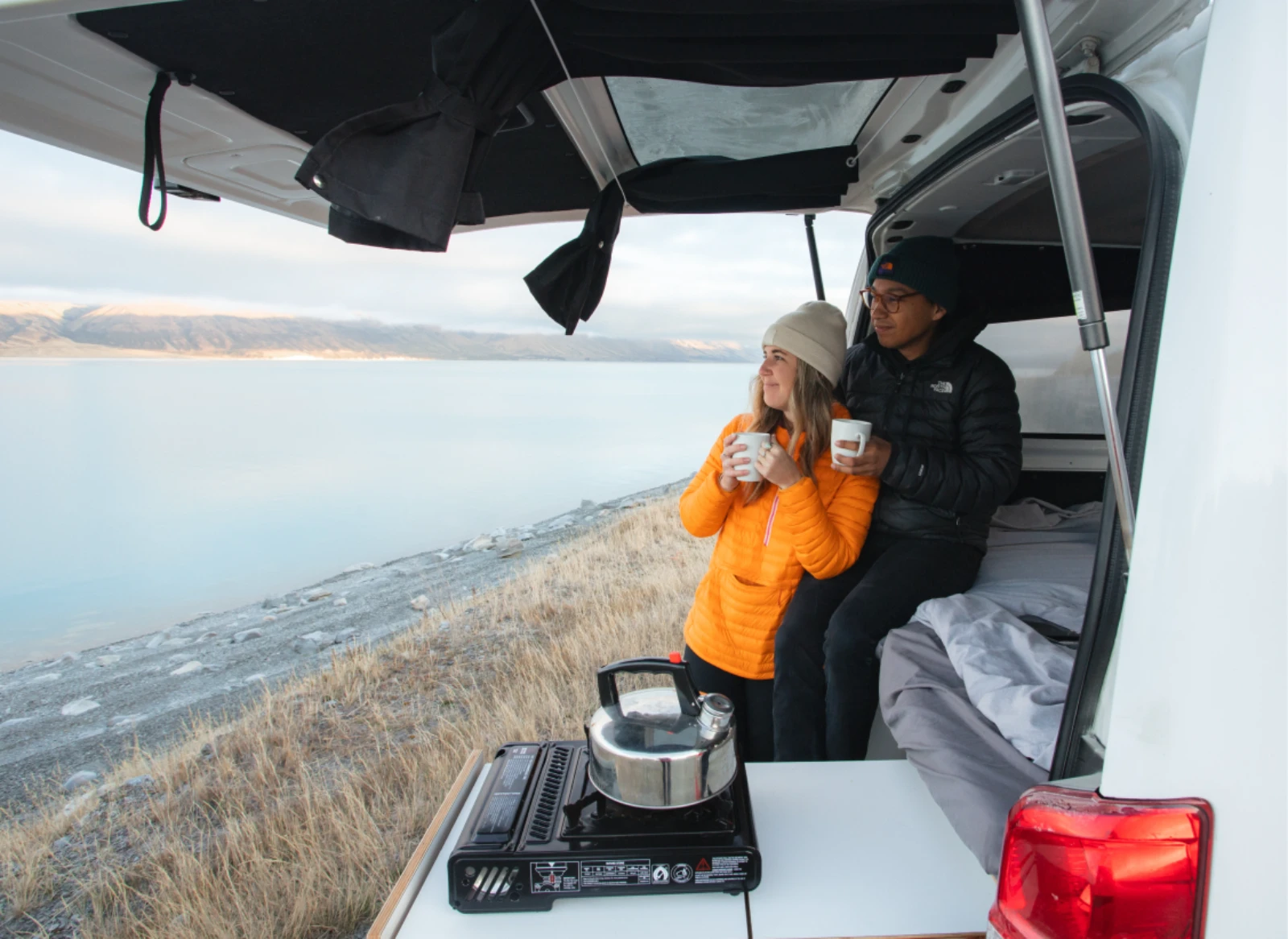
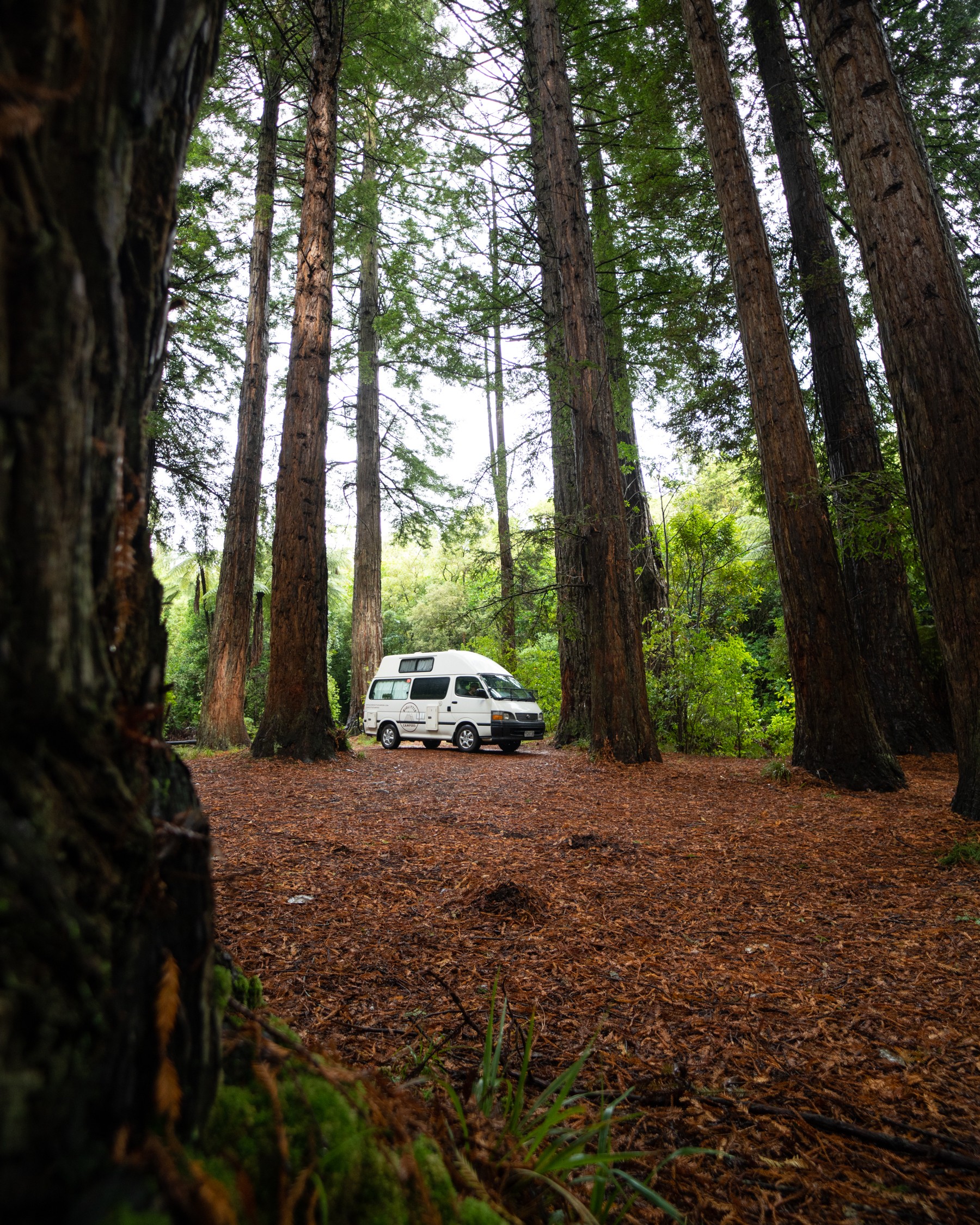
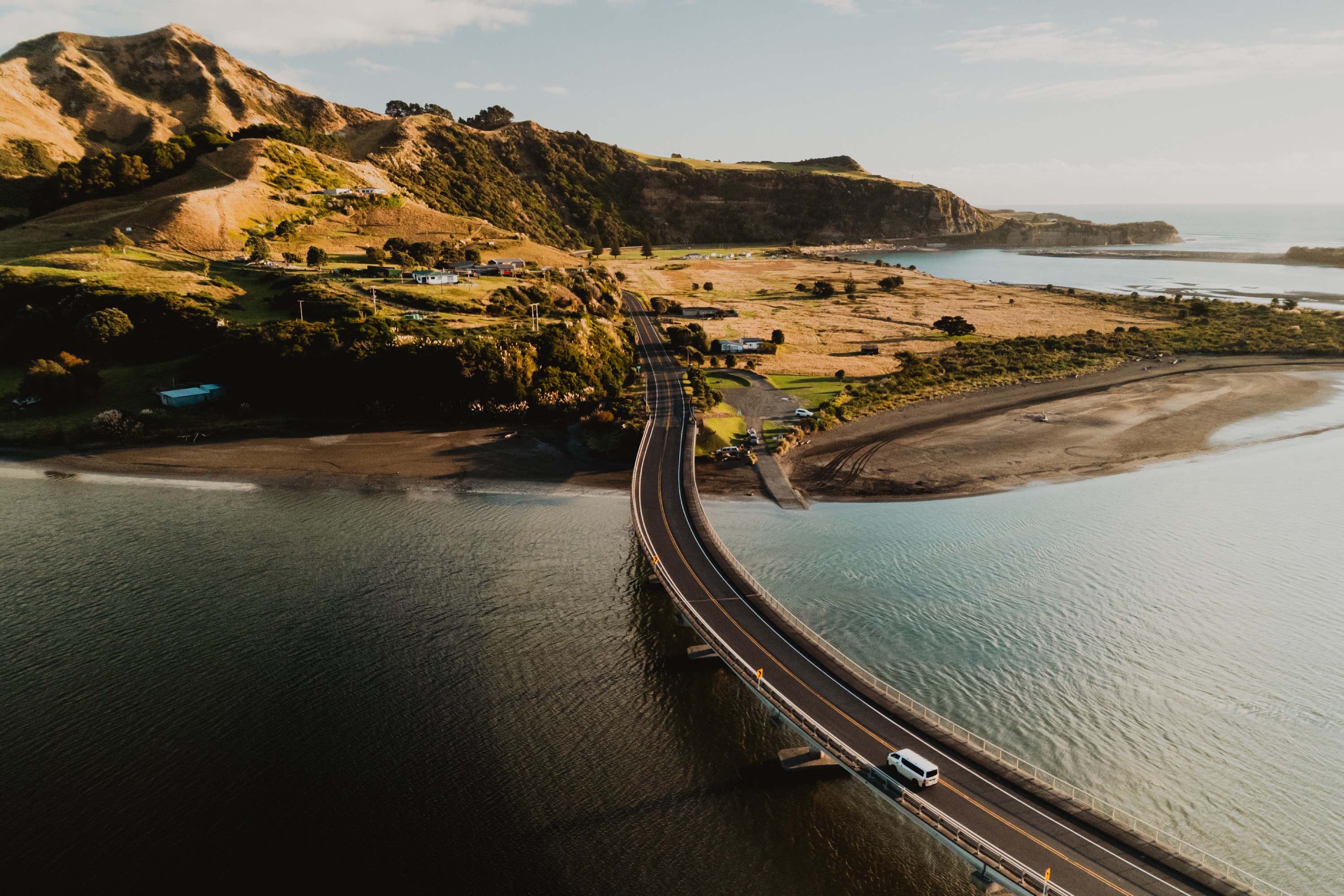
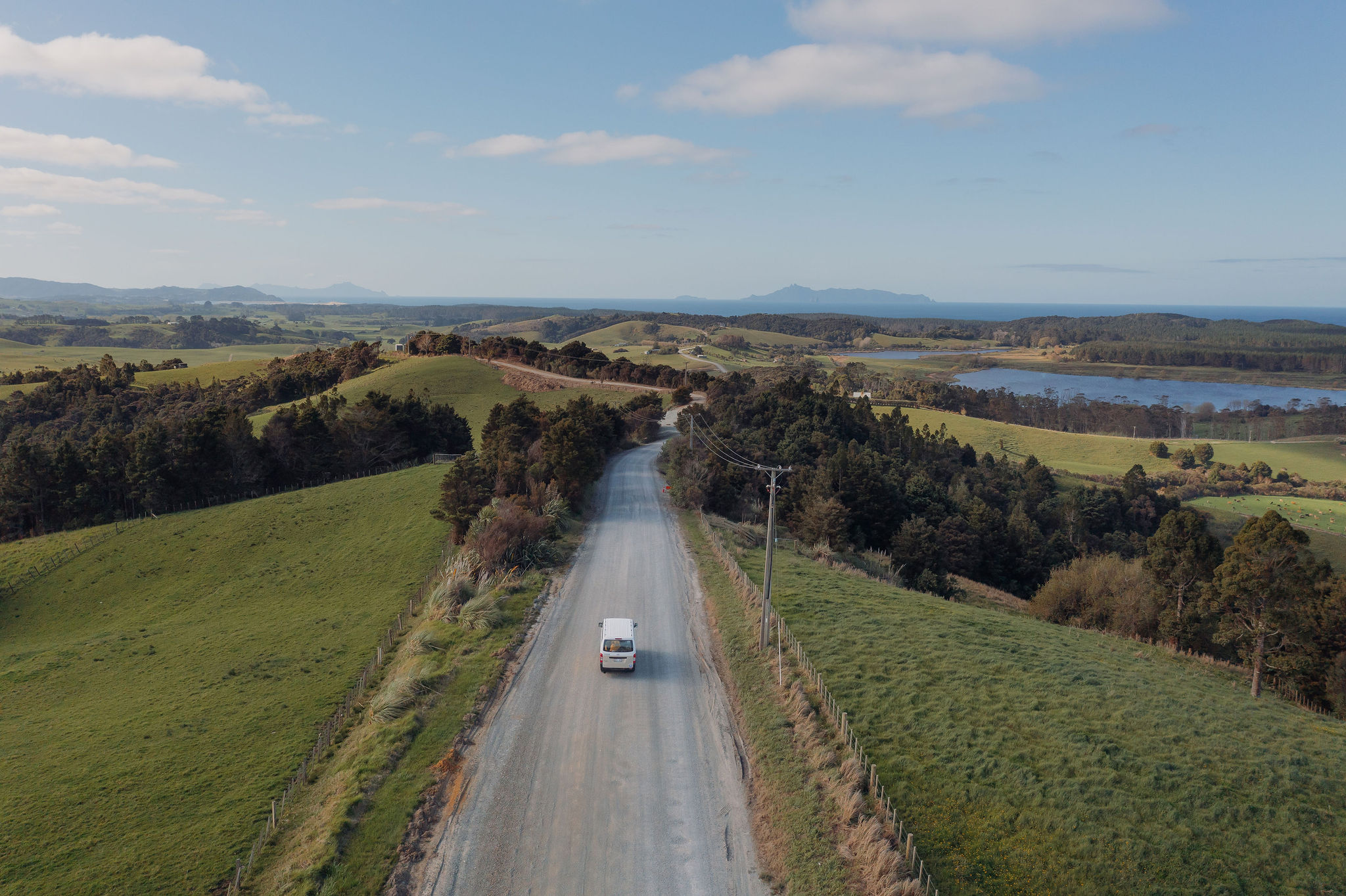
Planning Around the WeatherNew Zealand weather varies sharply by region and season. The North Island stays milder year-round, while the South Island swings hard between summer warmth and winter snow on the alpine passes. For a South Island road trip, summer and autumn are the safest bets. Winter brings shorter days and occasional alpine road closures around the Lindis, Haast, and Arthur's Pass routes, so a heated van and a flexible itinerary help. The North Island works well outside peak summer, with Rotorua, Taupo, the Coromandel, and the Bay of Islands all good options in cooler months. Be sure to download a weather app and check forecasts before you set off each day. Weather conditions can change quickly, and having a backup plan makes for a better trip. |

|
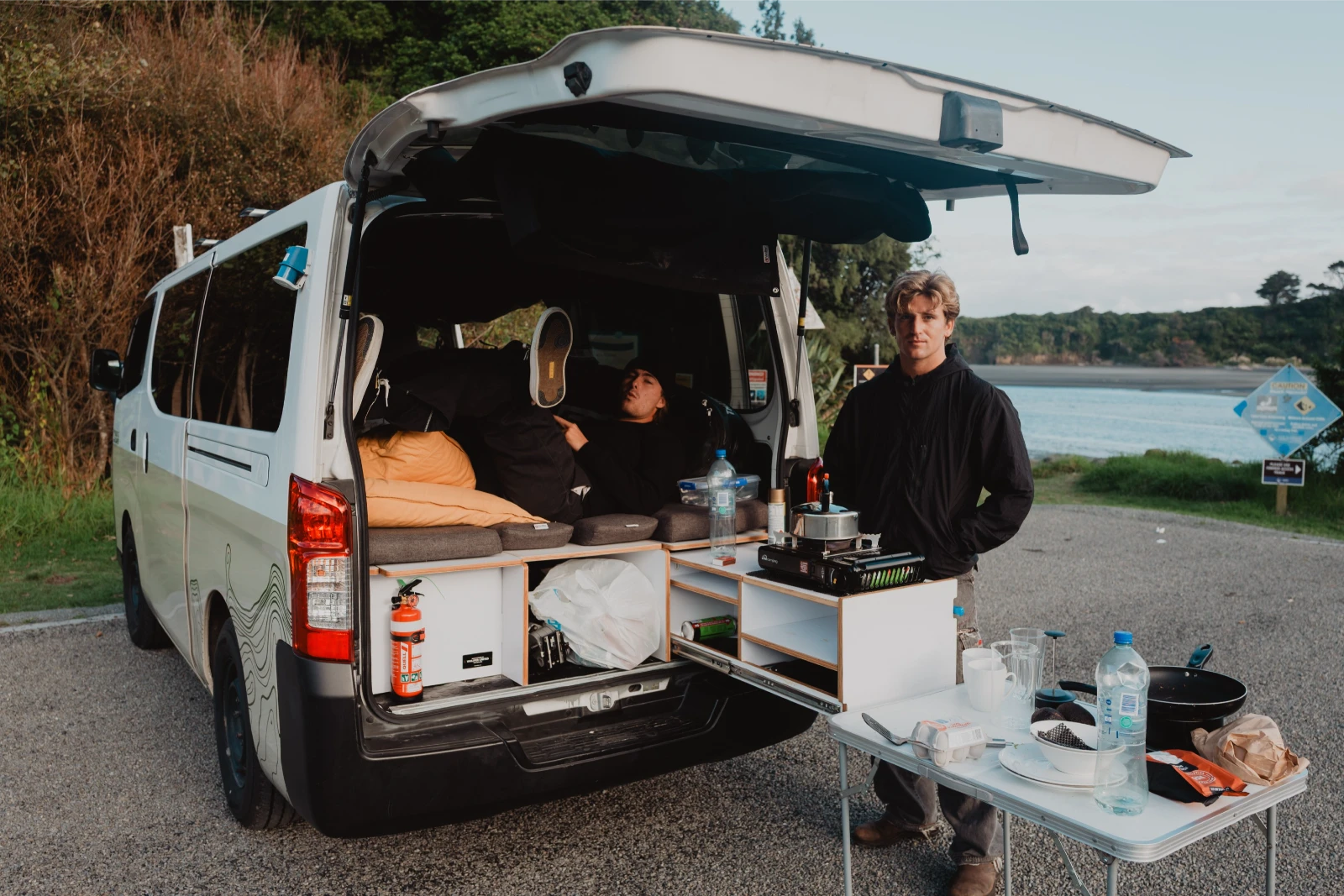
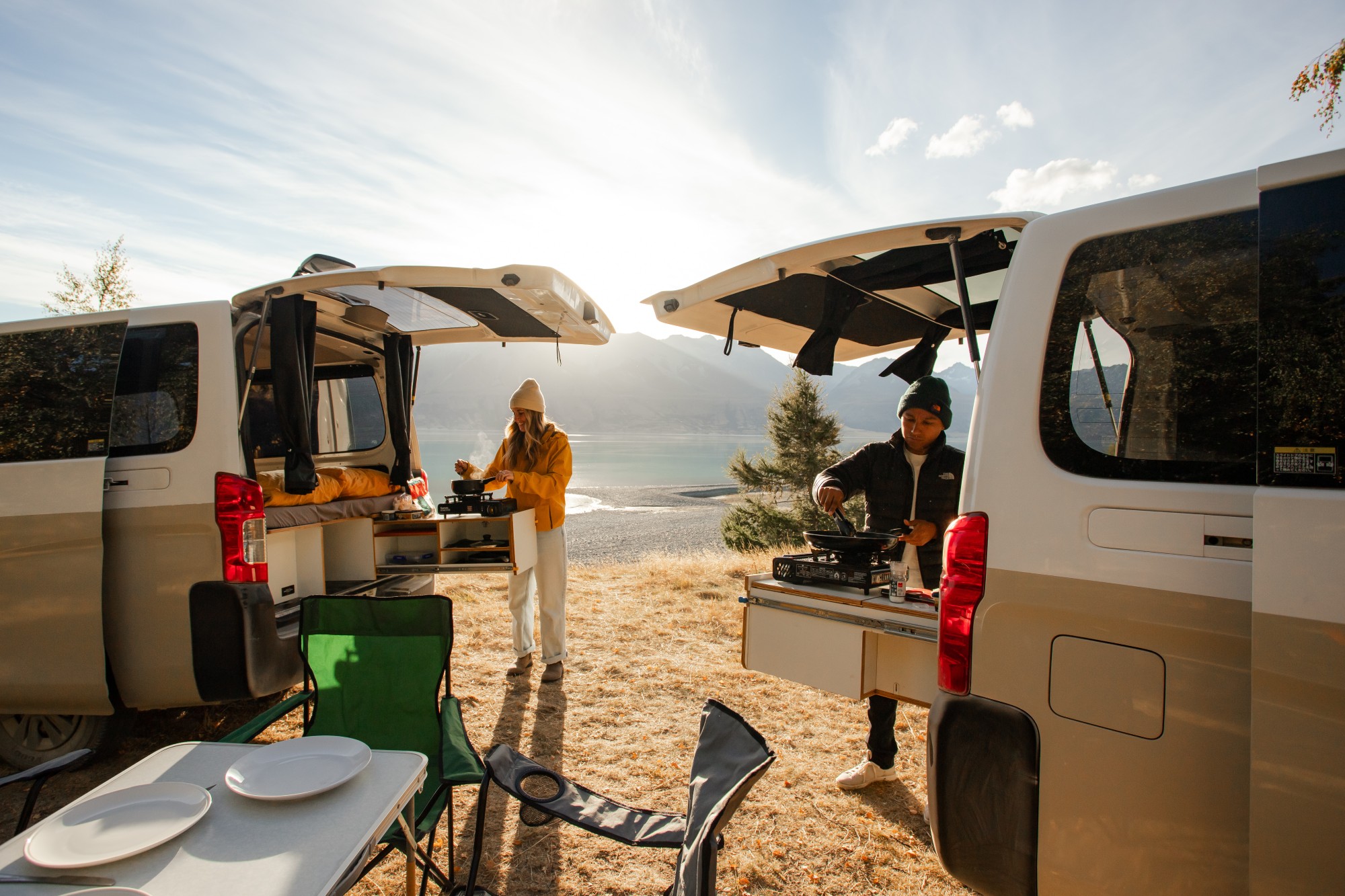
Choosing the Right New Zealand Camper HireTiming matters, but the van matters just as much. A well-maintained, properly set-up campervan makes the trip simpler and more comfortable from day one. At BLC, we build our vans for the kind of travel we love ourselves. Self-contained, reliable, and ready for memorable road trips. Looking to lock in better value and quieter roads? Check availability and aim for the shoulder season where possible. Get in touch with the BLC team, and we'll help you plan a trip that suits your timing and travel style. |
References
Department of Conservation. (n.d.). Stay at a campsite. Department of Conservation Te Papa Atawhai. https://www.doc.govt.nz/parks-and-recreation/places-to-stay/stay-at-a-campsite/
NZ Transport Agency Waka Kotahi. (n.d.). Driving on New Zealand roads. NZ Transport Agency Waka Kotahi. https://www.nzta.govt.nz/driver-licences/new-residents-and-visitors/driving-on-nz-roads
|
Timing can make or break a road trip. Book too late in summer and you're competing with everyone else for the same New Zealand camper hire and the best camping spots. Book too early for winter, and you might miss out on better shoulder-season rates. We get asked about the best time to rent a New Zealand camper hire more than almost anything else. Frankly, there's no single right answer. It depends on what kind of trip you want, and when you're travelling. And this is where flexibility matters as well. Here is what we have learned from years on the road and helping travellers plan their trips. |
Quick SummaryThe best time to book a New Zealand camper hire depends on your travel dates. For peak season (mid-December to February), book at least two to three months in advance, and ideally four to six months out for popular vehicle types. Shoulder seasons (March to May, September to November) usually only need a few weeks' notice and bring lower rates plus quieter roads. Winter (June to August) is the most flexible window, with reduced fleets but the lowest pricing. Booking direct with an independent operator usually gets you clearer pricing, easier changes if plans shift, and local knowledge you won't find on a comparison site. Match your timing to South Island weather if alpine drives are on the list, or stick to the milder North Island year-round. |
|
When Campervan Availability Gets TightPeak season runs mid-December through February, covering NZ school holidays and the bulk of international visitor arrivals. During these three months, campervan rental in New Zealand often runs at full capacity, with popular vehicles booked out months ahead. If your travel dates fall in peak season and you want a specific vehicle type, two to three months' lead time is the realistic minimum. Four to six months is safer for popular sizes like 2-berth campervans with a fixed toilet and shower. Any closer to your dates and you're taking your chances on what's left. The same applies to long weekends and public holidays like Easter, Anzac Day, and the Queen's Birthday. Kiwis hit the road in droves, and campervan availability closes fast, especially around these dates. |
|
|
When Shoulder Season Works in Your FavourMarch to May and September to November are the value sweet spots, with rates dropping below summer pricing and pickup windows opening up. Fewer crowds. More flexibility. Often, the best balance between weather and cost. For the South Island, autumn (March to May) holds steady weather after the summer rush clears. Places like Milford Sound and the West Coast feel calmer. The sights around Queenstown and Wanaka in April are worth the trip alone. Spring (September to November) brings longer days and wildflowers, though the weather is less predictable. Snow can linger on alpine passes early in the season. It pays to check road conditions before crossing the Crown Range or the Lewis Pass. If your dates are flexible, shoulder season offers the best balance of value and experience. How Far Ahead Should You Book?Lead time depends on when you're travelling.
|
Why Flexible Dates Make a DifferenceIf you can shift your travel window by a week or two, you open up more options. A campervan that's booked solid for one week might be sitting available the next. This matters most in peak season, but it applies year-round. Rental companies adjust pricing based on demand. A flexible start date can unlock better rates without changing much else about your trip. Flexibility also helps with one-way rentals. If you want to pick up in Auckland and drop off in Christchurch, certain dates work better than others. It depends on where the fleet is needed. |
What to Check Before You BookBefore locking anything in, it is worth checking a few key details.
Why Booking Direct Is the Best OptionComparison sites are useful for a quick overview, but they do not always show smaller independent operators. Pricing and inclusions can also differ from booking directly. Booking directly usually means clearer communication, more flexibility if plans change, and access to local advice. If you like being able to speak to someone who knows the van and the roads, direct booking makes things easier. |
|
Planning Around the WeatherNew Zealand weather varies sharply by region and season. The North Island stays milder year-round, while the South Island swings hard between summer warmth and winter snow on the alpine passes. For a South Island road trip, summer and autumn are the safest bets. Winter brings shorter days and occasional alpine road closures around the Lindis, Haast, and Arthur's Pass routes, so a heated van and a flexible itinerary help. The North Island works well outside peak summer, with Rotorua, Taupo, the Coromandel, and the Bay of Islands all good options in cooler months. Be sure to download a weather app and check forecasts before you set off each day. Weather conditions can change quickly, and having a backup plan makes for a better trip. |
|
|
Choosing the Right New Zealand Camper HireTiming matters, but the van matters just as much. A well-maintained, properly set-up campervan makes the trip simpler and more comfortable from day one. At BLC, we build our vans for the kind of travel we love ourselves. Self-contained, reliable, and ready for memorable road trips. Looking to lock in better value and quieter roads? Check availability and aim for the shoulder season where possible. Get in touch with the BLC team, and we'll help you plan a trip that suits your timing and travel style. |
References
Department of Conservation. (n.d.). Stay at a campsite. Department of Conservation Te Papa Atawhai. https://www.doc.govt.nz/parks-and-recreation/places-to-stay/stay-at-a-campsite/
NZ Transport Agency Waka Kotahi. (n.d.). Driving on New Zealand roads. NZ Transport Agency Waka Kotahi. https://www.nzta.govt.nz/driver-licences/new-residents-and-visitors/driving-on-nz-roads
Read more








.jpg)
.jpg)
.jpg)
.jpg)
.jpg)

.jpg)
.jpg)



.jpg)