Chat with a human
Let us help you pick the perfect camper for your once in a lifetime adventure
|
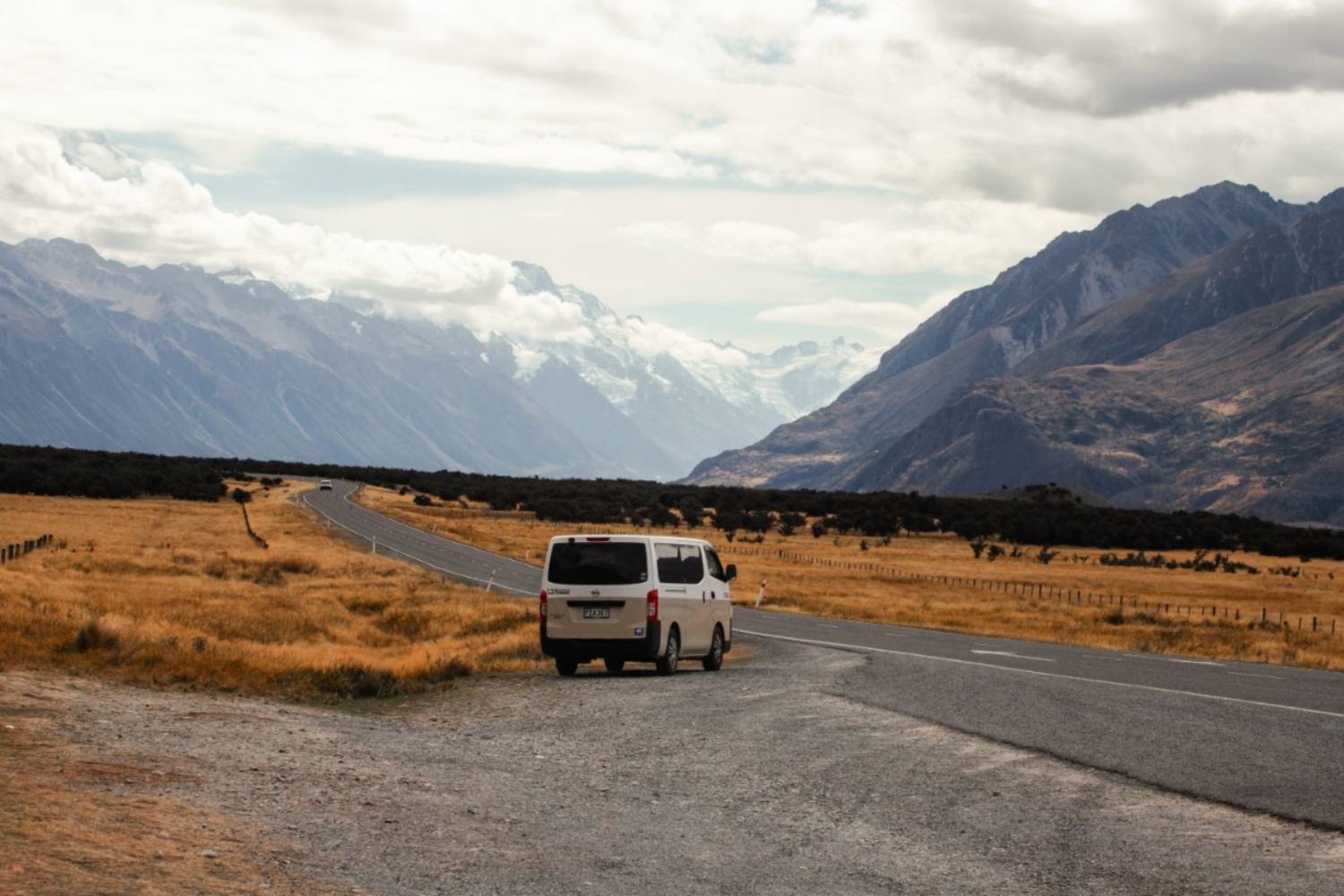
Summer is when New Zealand is at its best and at its busiest. A campervan New Zealand trip scheduled for December and January means longer daylight and warm swimming waters. It also means that you'll be joined by other campers and travellers having the same idea for a summer itinerary. The travellers who make the most of their trips know to sort the mundane things early on: planning and booking the dates, choosing the van, and looking for a place to sleep. Here is the planner we would hand a mate booking their first summer roadie. Peak season dates, how far ahead to book, what campervan hire in New Zealand actually costs, and how to pick the best locations between the islands. |
Quick SummaryPeak campervaning New Zealand season runs from roughly November to March, with the rush concentrated during summertime between mid-December and late January. If you intend to travel in that window, be sure to book your van three to six months out. Expect a budget somewhere between NZ$150 and NZ$300 per day for a well-set-up two- or three-berth van during summer. This includes fuel and campsite fees. Two weeks is enough for you to appreciate what one island has to offer, and three weeks will suffice for both North and South Islands. Book available Department of Conservation campsites as soon as your dates are locked in. Since the 2026-27 season opened for booking in May, expect popular sites near Abel Tasman and the Coromandel to fill up quickly. There are also two rules to keep in mind if you're looking forward to summer travel. Starting this year, the green warrant is now the only self-containment certificate that counts for free roadside camping. Driving with an overseas car licence here in NZ will be valid for only 12 months, starting 1 November 2026. So be sure these are all covered in your whole trip even before you fly. |
When Is Peak Campervan Season in New Zealand?Peak season begins to kick off from November to March, with the busiest months being from December to the end of January. That six-week block covers the New Zealand school summer holidays, and also coincides with the arrival of most international visitors. February is the sweet spot. The weather is ideal, kids are back at school, campervans and campsites are more available and relatively quieter. If your schedule allows it, avoiding the busiest time is worth it. |
|
|
Seasons differ more than most first-timers expect:
|

|
When to Book for a December or January TripBook three to six months ahead for mid-December to January travel. For summer, that means you are already inside the window. Expect a bit of constraint in terms of campsite and van availability. Usually, small independent fleets get booked quickly compared to big operators since we offer fewer vans. This campervan booking pattern is somewhat predictable every year. The fortnight either side of Christmas from 18 December to 5 January gets booked first. The rest of the January school holidays go next, followed by February and March. By October, what is left tends to be the wrong size van or the wrong pickup city. New Zealand campervan holiday deals mostly show up as early-bird rates, so waiting rarely pays over summer. If your schedule is not yet locked in, it's always preferred to look for flexible booking options before you commit. Our guide on when to book campervan hire in New Zealand covers the timing question across the whole year. |
How Long Do You Need for a Campervan New Zealand Trip?Two weeks is enough for one island and three weeks is enough for both. Anything under ten days will end up with you spending more time driving on the road, rather than camping. Take note that several South Island trips may require ten to fourteen days. Christchurch to Queenstown is a five to seven-day run if your itinerary includes staying at Lake Tekapo, Lake Pukaki and Wānaka. Check drive times before you lock a route, because 300 kilometres of winding road add more time to your long day of travel. Add the West Coast or the Catlins, and you end up travelling for two weeks. Three weeks lets you do both islands with the Cook Strait ferry in the middle. This is the classic 3-week campervan itinerary New Zealand visitors go for. With ten days, pick one island and dive in. One-way hire between Auckland and Christchurch saves you the backtrack. |
What a Summer Campervan Road Trip CostsBudget NZ$150 to NZ$300 per day for the van itself during peak summer season, with larger motorhomes running well past NZ$500. That same vehicle drops to NZ$50 to NZ$100 a day in winter. The season you choose moves your total cost more than anything else. For two people on a two-week summer trip, a realistic New Zealand campervan trip budget looks like this:
That brings you to around NZ$3,500 to NZ$6,150 for two. This is enough to cover transport, accommodation and food. Set it against a rental car at roughly NZ$100 a day plus summer motel rates, and the cheaper option becomes obvious. Priced this way, renting a campervan in New Zealand stops looking like the more expensive option. Check the daily rate against what it includes. Unlimited kilometres, bedding and kitchen gear should be standard fare on New Zealand campervan holidays. You save money by cooking in the van rather than by finding a cheaper van. Road user charges are billed separately. Our full cost breakdown goes deeper on the per-day numbers. |
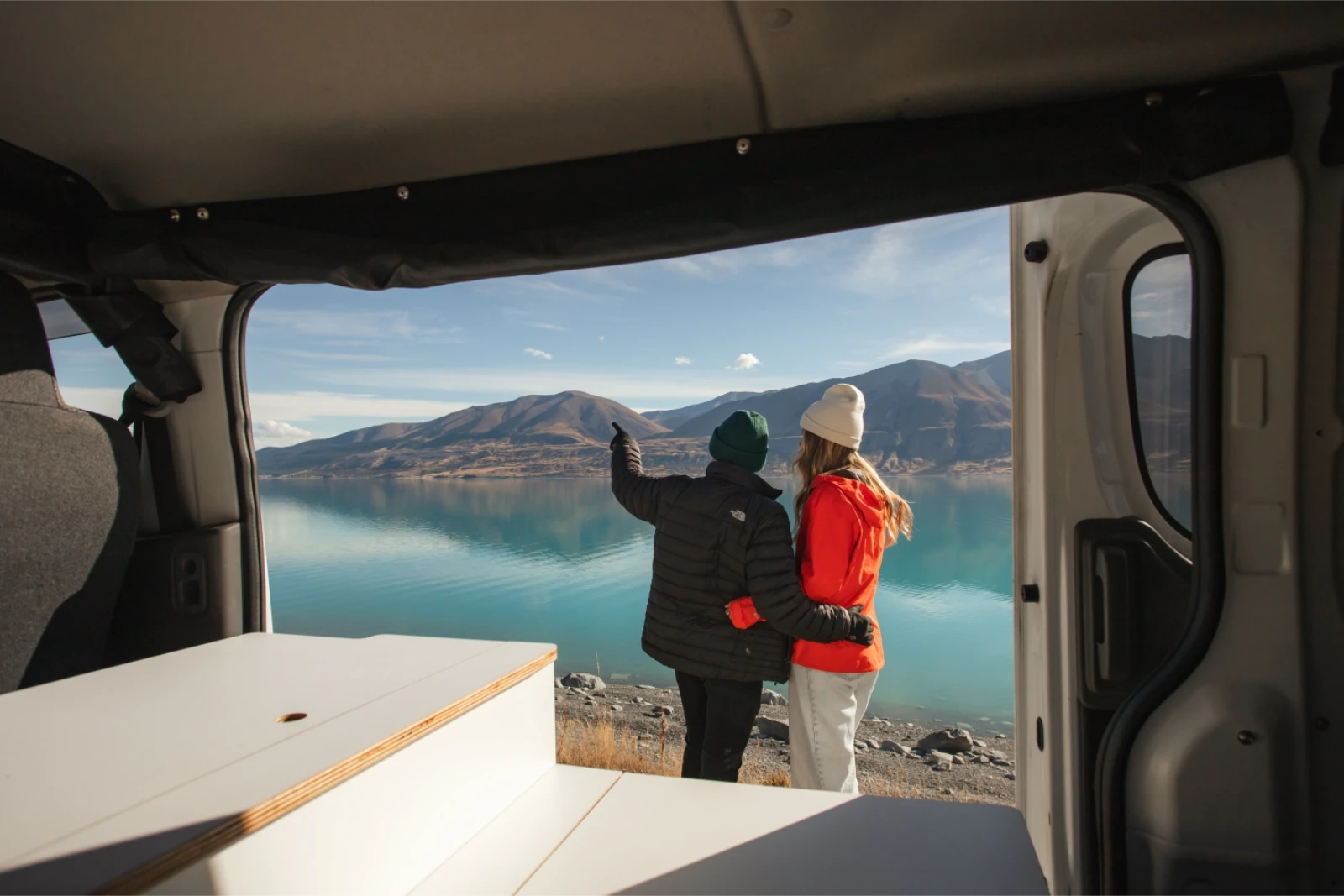
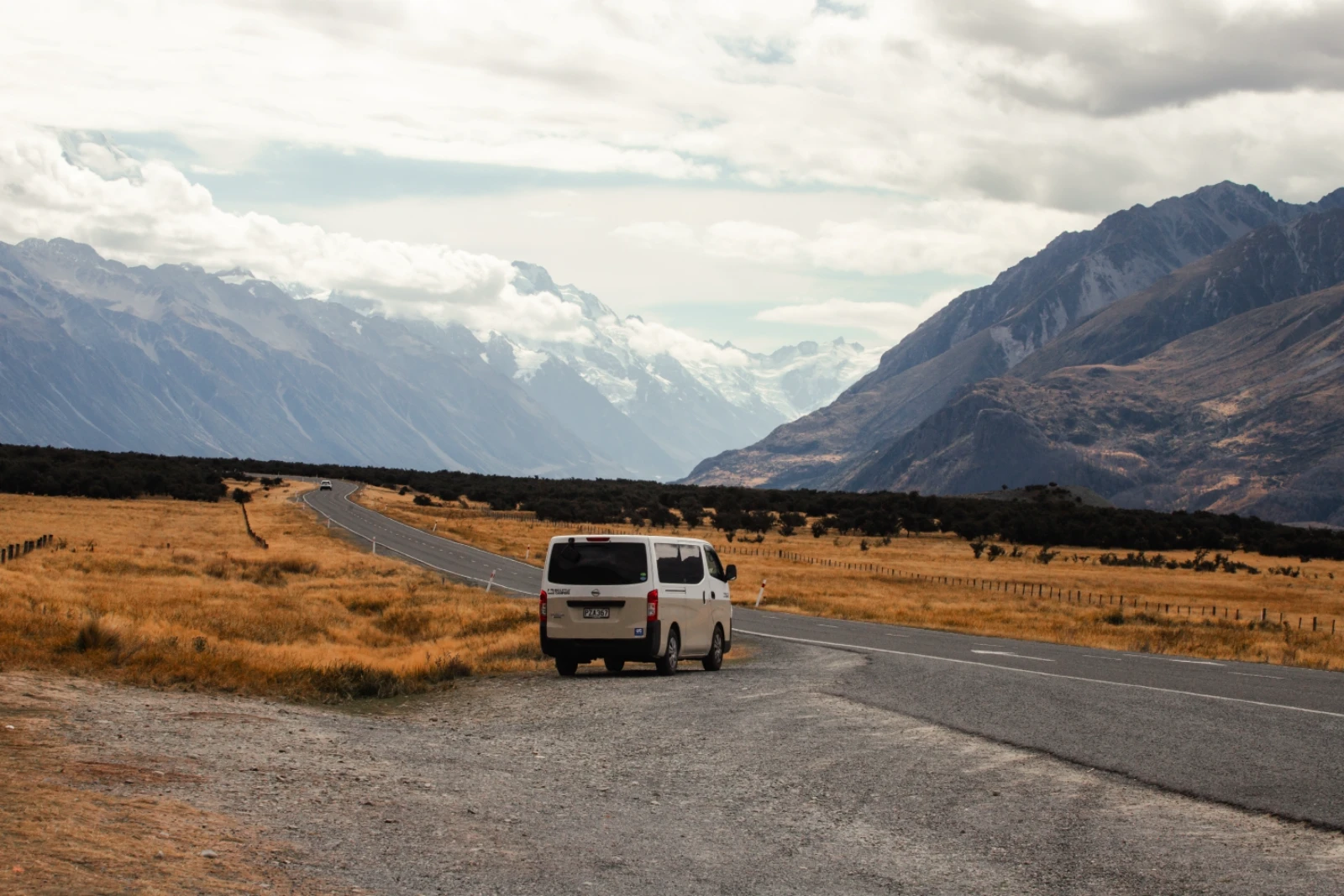
North Island or South Island for Summer?Pick the South Island if you're looking to explore the mountainside, untouched beauty, hiking and experience dark sky gazing. The North Island is the way to go if you prefer beaches, city exploring, events and shorter trips. Both are fantastic in summer, but they suit different trips. Ideally, you'll fit in both! Christchurch to Queenstown is the South Island's headline run. Five to seven days through the Mackenzie Basin gets you Lake Tekapo, Aoraki and Wānaka before you drop into Queenstown. Our Christchurch to Queenstown route guide covers the stops worth pulling over for. Extend it up the West Coast or across to Abel Tasman National Park and you are at a fortnight, which is where our South Island planning guide earns its keep. Auckland to the Coromandel and the thermal belt is the North Island equivalent, and it asks far less of you behind the wheel. Cathedral Cove and Hot Water Beach sit under three hours from the depot, with Rotorua and Taupō a similar hop inland. There is a small town every hour or so for fuel and a resupply, and our North Island scenic drives guide maps the campervan-friendly ones. Water temperature and drive distances usually settle the choice. Northern beaches are warm enough to swim from December, most South Island lakes stay cold even in January, and southern legs between stops run noticeably longer. If you're still undecided, our North Island versus South Island comparison provides additional details on what to expect from these routes. |

|

|
Booking Campsites Before the Summer RushBook available DOC campsites the moment your dates are finalised. The Department of Conservation booking system opened the 2026-27 season early this year in May. DOC now takes bookings for stays through to 30 June 2027, so expect the popular summer sites to have been filling since then. Not every DOC site takes bookings. Many are first-come, first-served, and will be filled by early afternoon during the holidays. Bookable sites near Abel Tasman, the Coromandel and Golden Bay get booked fast, especially from December to February. Freedom camping is a great alternative to campsites. Most travellers mix those with DOC sites and the occasional holiday park for a hot shower and a laundry run. The good DOC sites put you a short walk from the water. To experience this, you will need a certified self-contained van for the majority of free sites. A green warrant replaced the old blue sticker on 7 June 2026, and a fixed toilet is now mandatory. Camping without it in a site that requires certification carries a hefty NZ$400 infringement fee per instance of the offence. Be sure to check this before you leave. Our campsite directory lists spots by region, and the rules guide covers what councils enforce. |
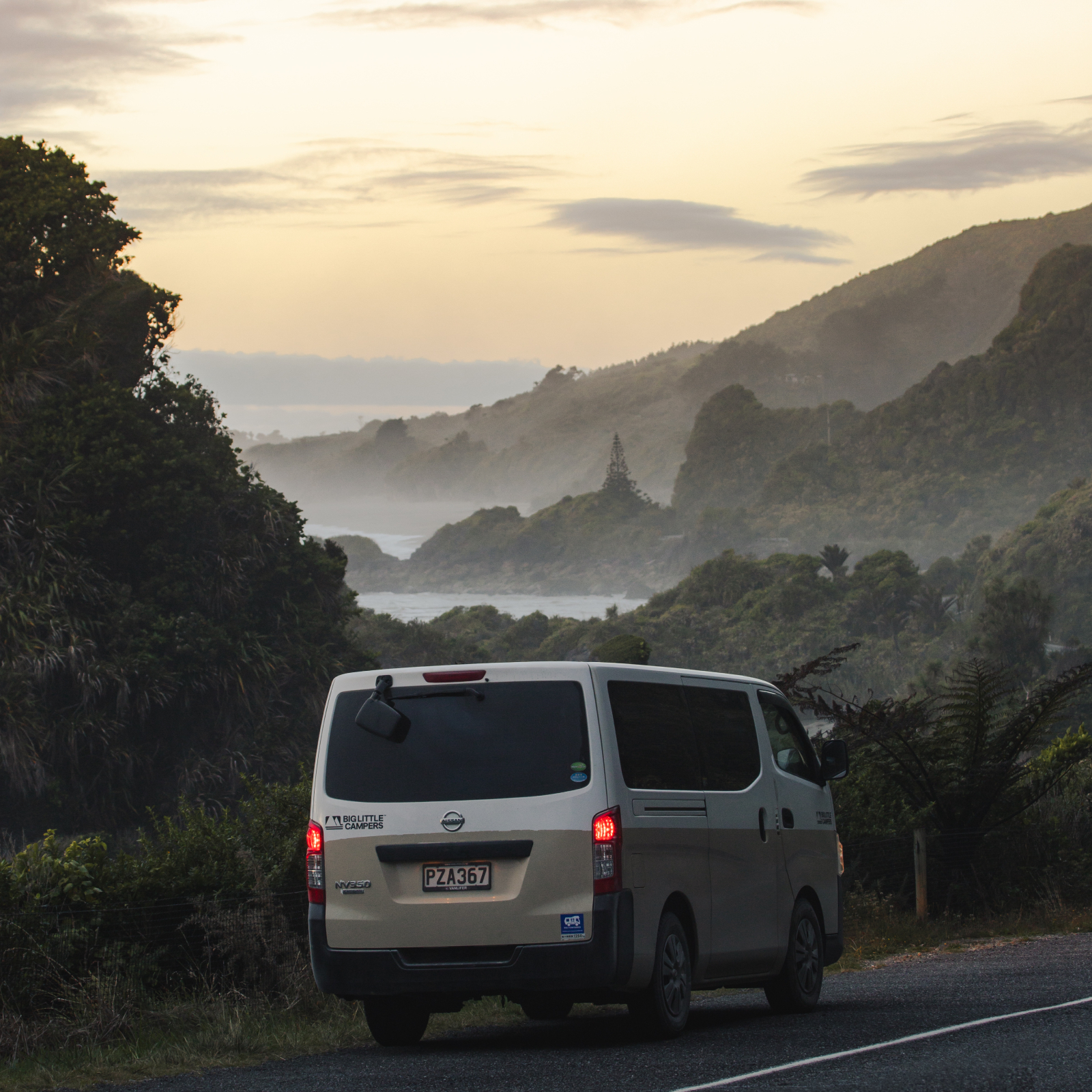
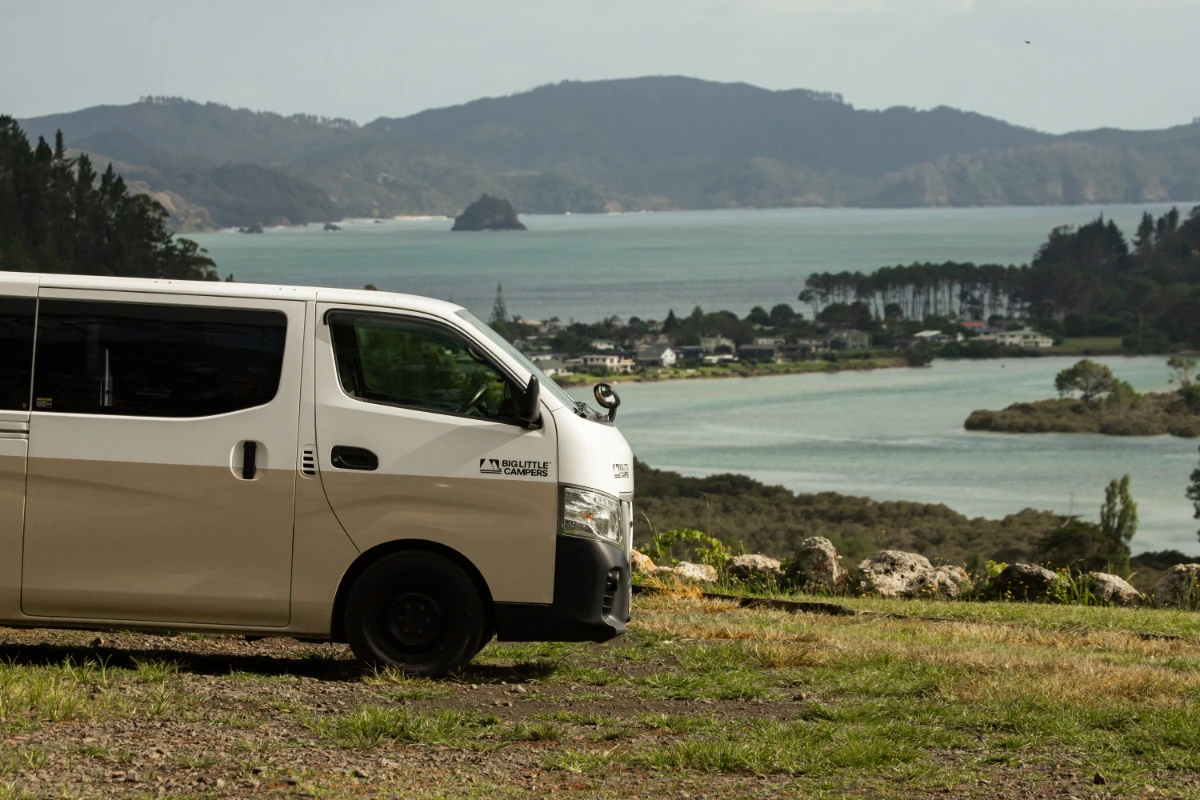
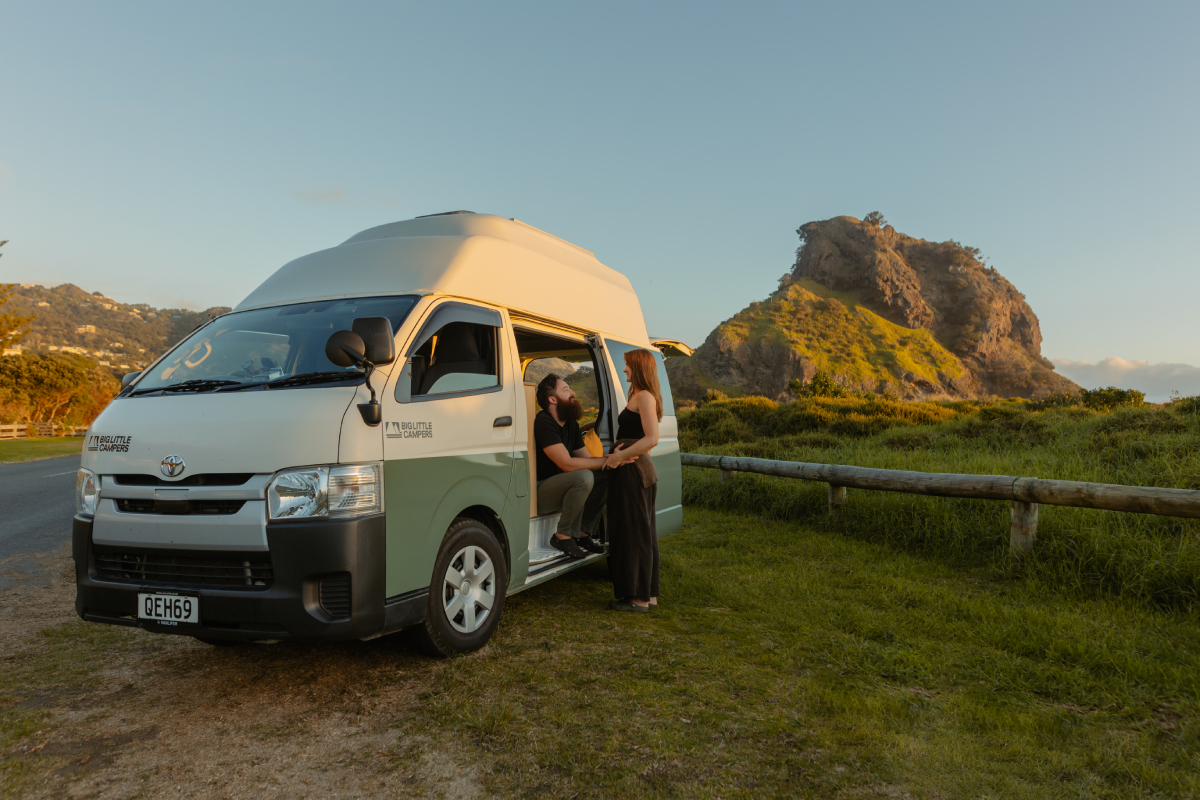
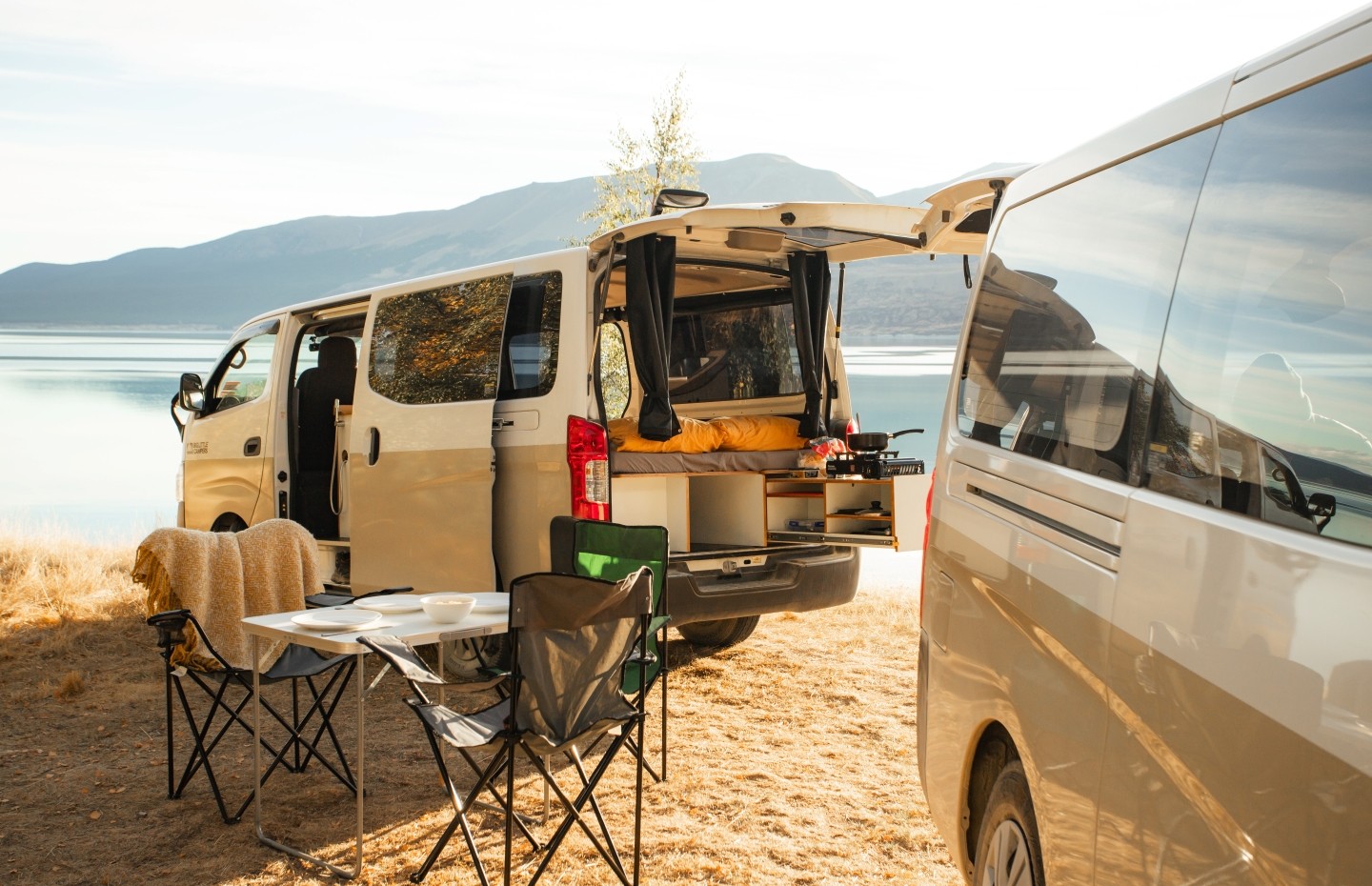
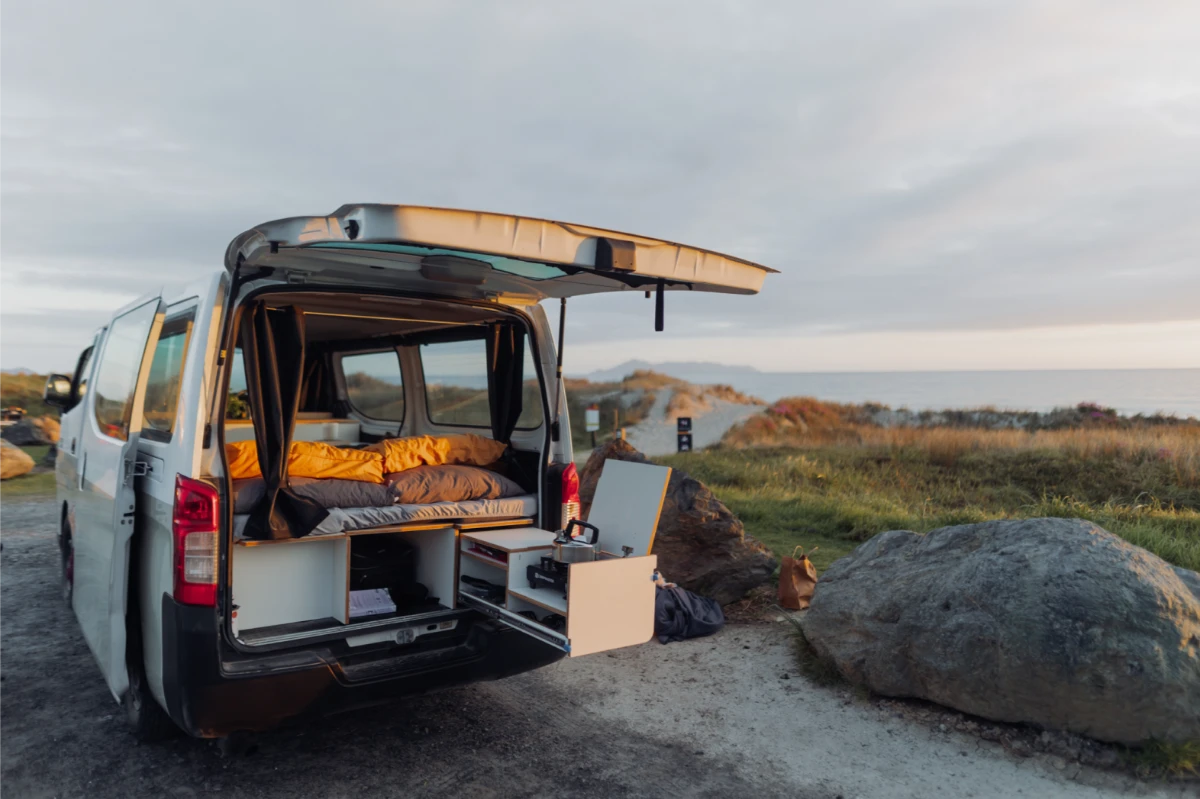
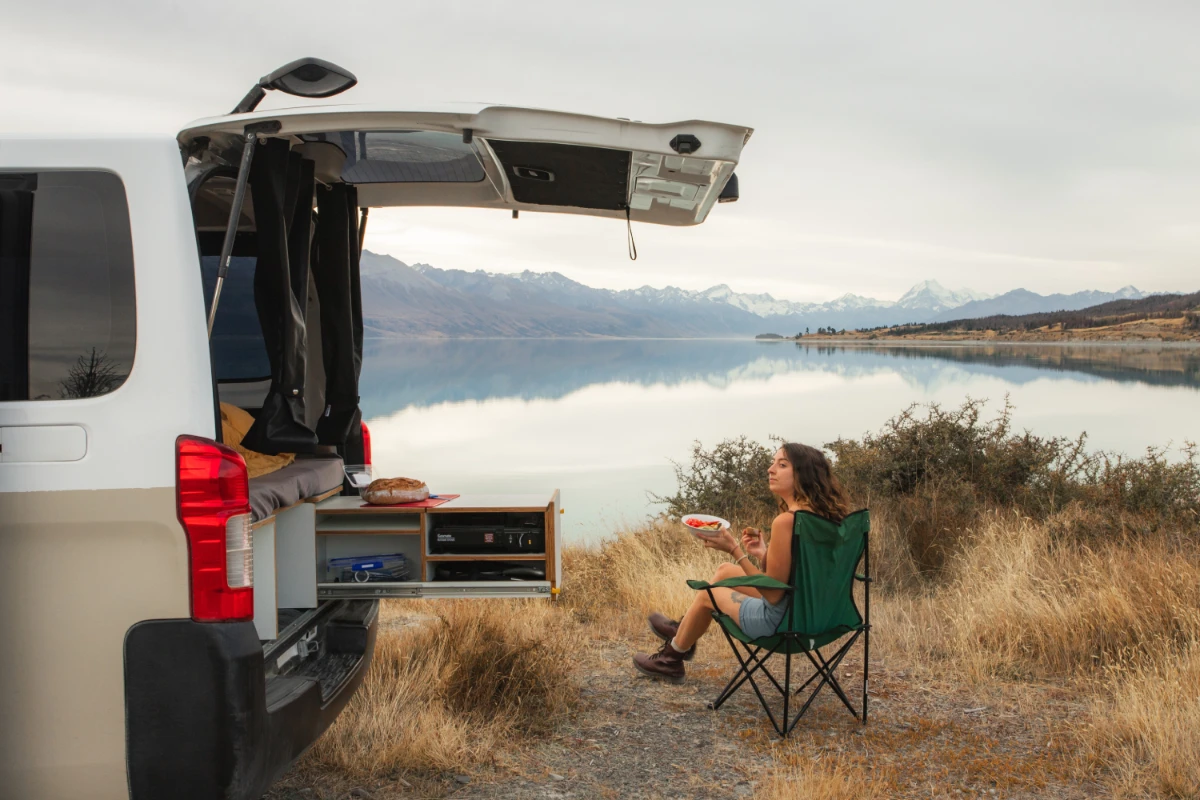
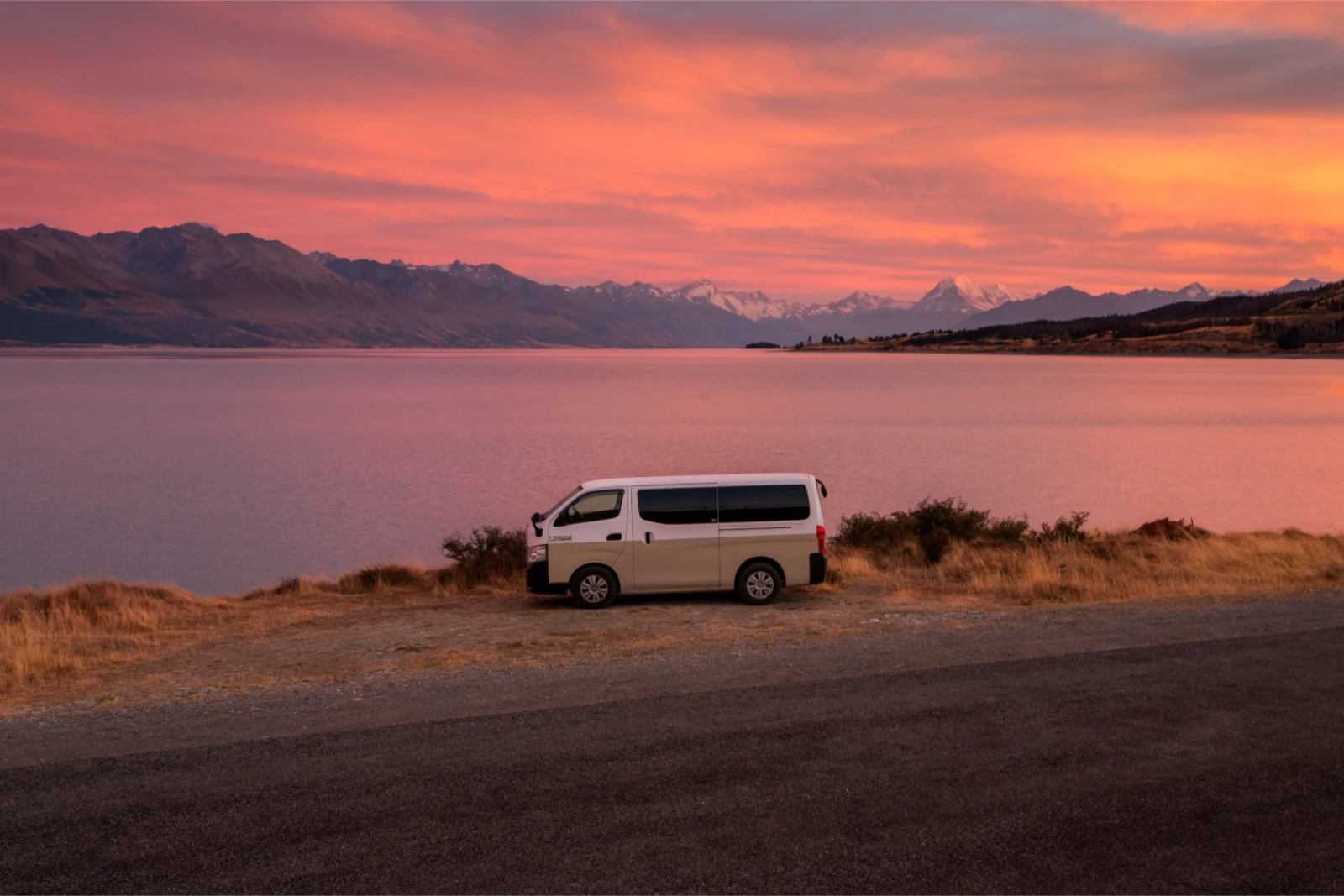
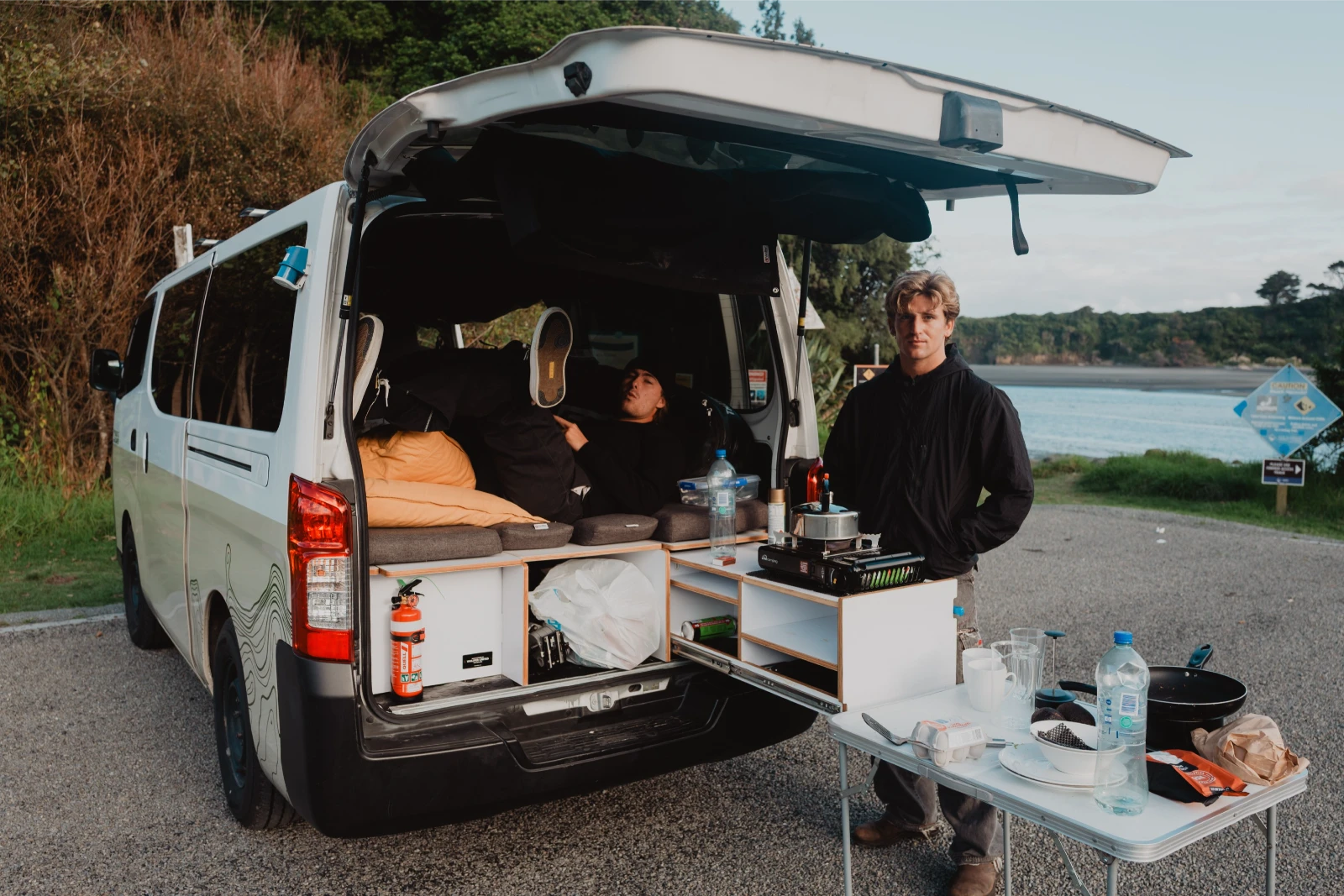
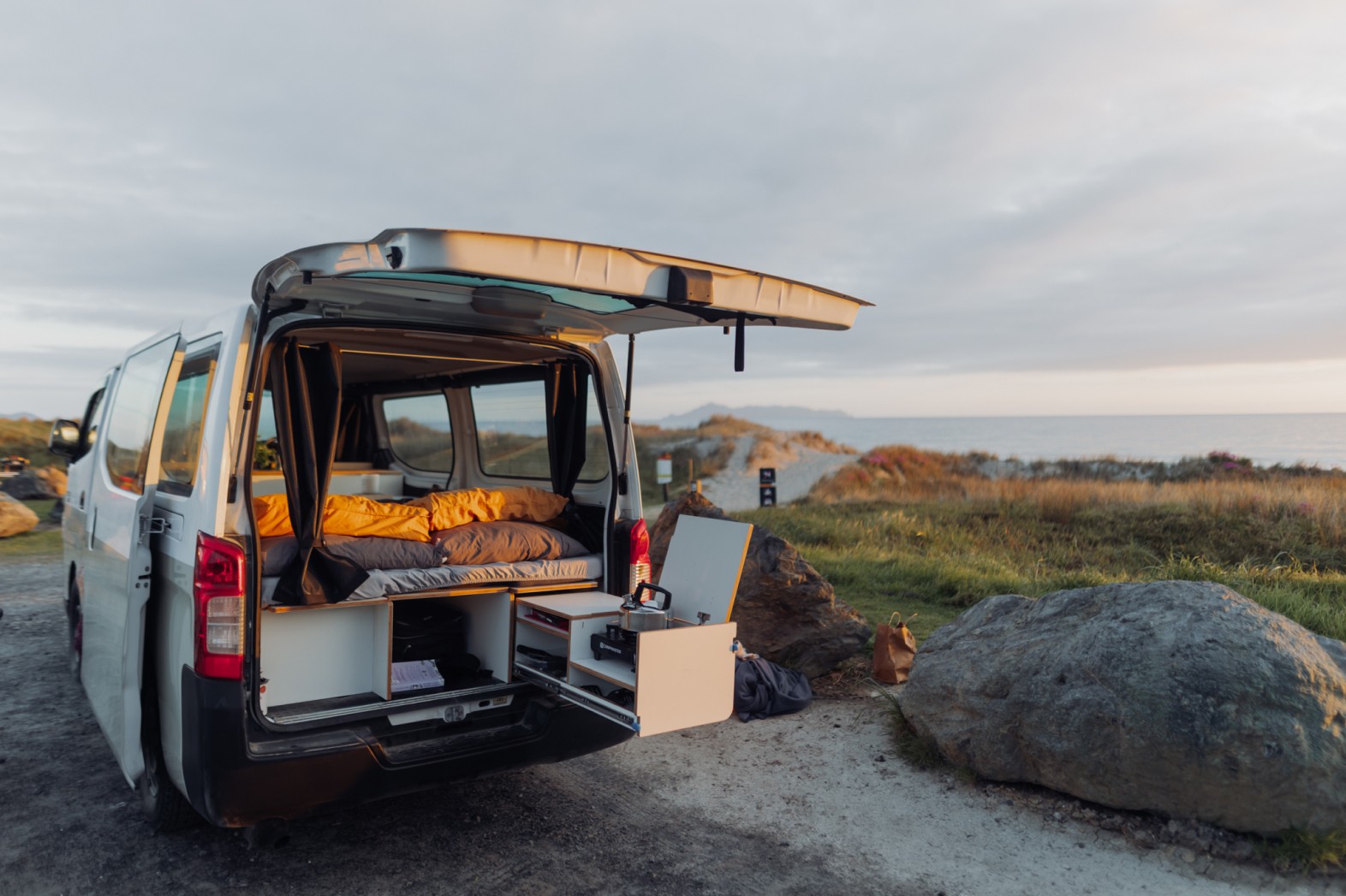
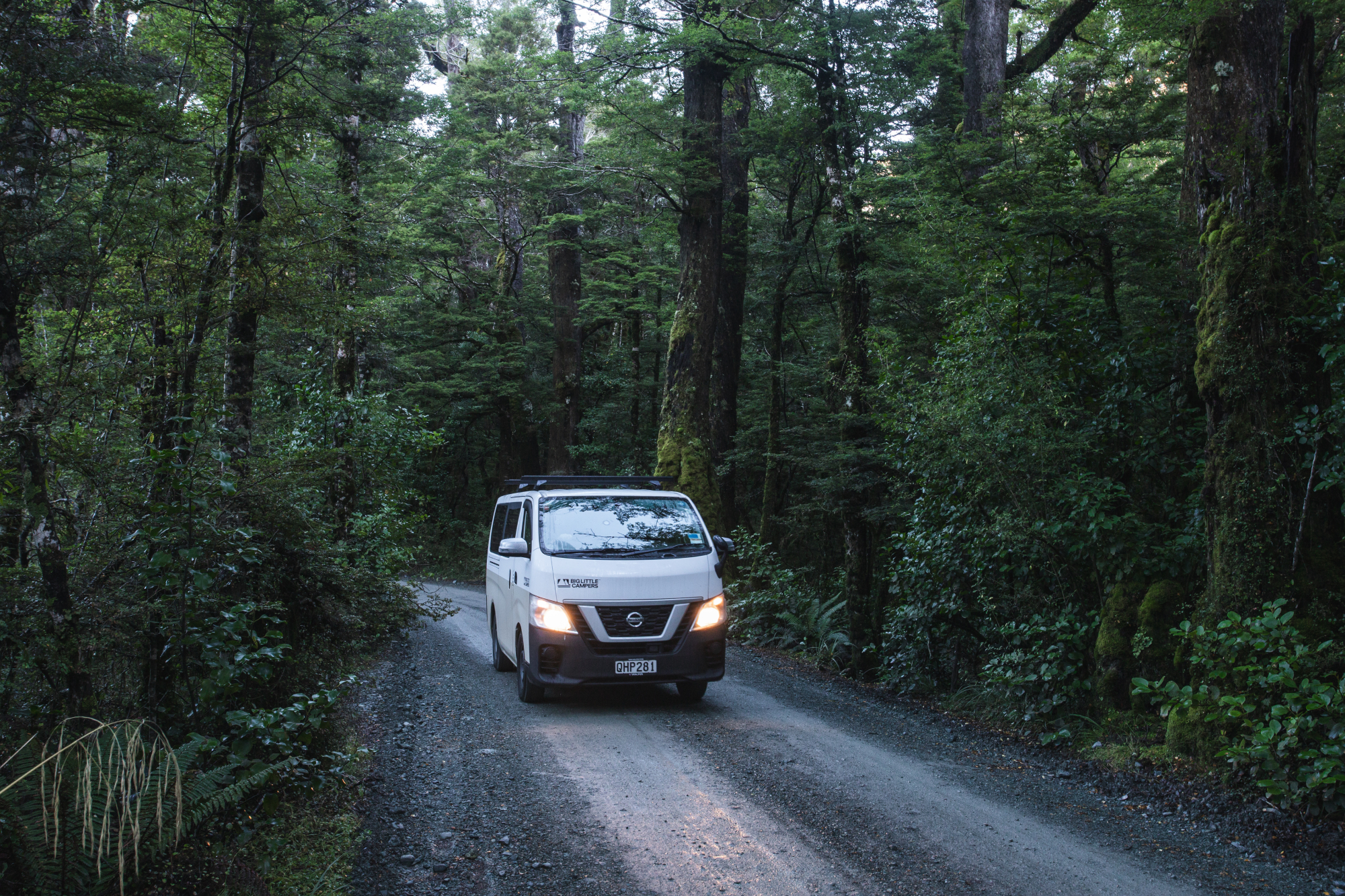
Picking the Right Van for Your TripWhen hiring a campervan, match it to how you cook and how long you are out. Every Big Little Campers van is certified self-contained, so your choice comes down to space rather than where you can legally park. The Little One is a two-berth on a Nissan NV350, with a kitchen that slides out the back. Compact, easy on narrow roads, and the cheapest way into a self-contained van. The Big One adds standing height and an indoor kitchen, which matters more than you think when the sandflies come out on the West Coast. That one sleeps three. The Biggest One is the premium two-berth, with a full bathroom, 85 litres of fresh water, diesel heating and hot water on board. If you still haven't figured out the best campervan for you, then our guide to choosing the right campervan gives you a proper walkthrough. |
|
Frequently Asked Questions About Summer CampervansWhat months are peak campervan season in New Zealand?November to March, with the peak running from mid-December to late January. Those six weeks coincide with the school holidays and international arrivals. This makes booking a van and a campsite during this season a bit of a challenge, so nothing beats early preparation here. February still delivers summer weather with less pressure. How far ahead should you book a campervan for December and January?Three to six months out. Availability runs out before prices peak. Independent operators with smaller fleets sell out first. Reading this in spring, and planning for a December trip, better book now. Is three weeks enough time in New Zealand?Yes, and it is close to ideal. Three weeks covers both islands at a reasonable pace: roughly ten days south, a week north, and the Cook Strait crossing between them. It also avoids the constant-driving trap that catches shorter trips. How many days do you need for the South Island?Ten to fourteen days for a proper loop. A week covers Christchurch to Queenstown via the Mackenzie country. Fourteen adds the West Coast glaciers or the Catlins. Under seven and you are seeing one corner, not the island. What is a good three-week campervan itinerary for New Zealand?Auckland to the Coromandel, down through Rotorua and Taupō to Wellington, ferry to Picton, then Kaikōura, Christchurch, the Mackenzie lakes, Queenstown and Fiordland. Roughly 2,500 kilometres, with room for two or three nights where it is worth staying put. How much does a two-week campervan trip in New Zealand cost?Around NZ$3,500 to NZ$6,150 for two over summer, covering van hire, fuel, campsites and food. The van is the largest line at NZ$2,100 to NZ$4,200. Travelling in February instead of January cuts that meaningfully. Is a campervan holiday worth it compared to flights and hotels?It depends on how you want to travel. Summer hotel and car rates climb alongside van rates, so costs land closer than the daily rate suggests. What you get is a night at Lake Pukaki rather than the nearest town in a motel. Do you need a special licence to drive a campervan in New Zealand?No. A standard full car licence covers every campervan in our fleet. If your licence is not in English, carry an accurate translation or an International Driving Permit alongside it. Always bring the physical licence with you when driving. Note that from 1 November 2026 the period you can drive on an overseas car licence is shortened from 18 months to 12 months, per NZ Transport Agency Waka Kotahi. |
ReferencesDepartment of Conservation. (2026). Book huts, campsites, lodges and Great Walks. https://www.doc.govt.nz/parks-and-recreation/places-to-go/online-bookings/ New Zealand Government. (2026). Freedom camping. https://www.govt.nz/browse/recreation-and-the-environment/freedom-camping/ NZ Transport Agency Waka Kotahi. (2026). Driving on New Zealand roads. https://www.nzta.govt.nz/travelling-on-our-roads/visitors-and-new-residents/driving-on-nz-roads |
Get Your Summer Sorted
Summer 2026-27 availability is already narrowing by the hour. Pick your dates, pick your island, and get the van locked in before the December block goes.
Big Little Campers is a small independent outfit with depots at Auckland and Christchurch airports. We have driven every route in this planner ourselves.
If you're unsure which van or island suits your trip, then contact us and tell us your dates. We will point you to locations that are sensible and feasible, depending on what you have in mind.
Check availability and book now for summer 2026-27.
|
Summer is when New Zealand is at its best and at its busiest. A campervan New Zealand trip scheduled for December and January means longer daylight and warm swimming waters. It also means that you'll be joined by other campers and travellers having the same idea for a summer itinerary. The travellers who make the most of their trips know to sort the mundane things early on: planning and booking the dates, choosing the van, and looking for a place to sleep. Here is the planner we would hand a mate booking their first summer roadie. Peak season dates, how far ahead to book, what campervan hire in New Zealand actually costs, and how to pick the best locations between the islands. |
Quick SummaryPeak campervaning New Zealand season runs from roughly November to March, with the rush concentrated during summertime between mid-December and late January. If you intend to travel in that window, be sure to book your van three to six months out. Expect a budget somewhere between NZ$150 and NZ$300 per day for a well-set-up two- or three-berth van during summer. This includes fuel and campsite fees. Two weeks is enough for you to appreciate what one island has to offer, and three weeks will suffice for both North and South Islands. Book available Department of Conservation campsites as soon as your dates are locked in. Since the 2026-27 season opened for booking in May, expect popular sites near Abel Tasman and the Coromandel to fill up quickly. There are also two rules to keep in mind if you're looking forward to summer travel. Starting this year, the green warrant is now the only self-containment certificate that counts for free roadside camping. Driving with an overseas car licence here in NZ will be valid for only 12 months, starting 1 November 2026. So be sure these are all covered in your whole trip even before you fly. |
When Is Peak Campervan Season in New Zealand?Peak season begins to kick off from November to March, with the busiest months being from December to the end of January. That six-week block covers the New Zealand school summer holidays, and also coincides with the arrival of most international visitors. February is the sweet spot. The weather is ideal, kids are back at school, campervans and campsites are more available and relatively quieter. If your schedule allows it, avoiding the busiest time is worth it. |
|
|
Seasons differ more than most first-timers expect:
|
|
|
When to Book for a December or January TripBook three to six months ahead for mid-December to January travel. For summer, that means you are already inside the window. Expect a bit of constraint in terms of campsite and van availability. Usually, small independent fleets get booked quickly compared to big operators since we offer fewer vans. This campervan booking pattern is somewhat predictable every year. The fortnight either side of Christmas from 18 December to 5 January gets booked first. The rest of the January school holidays go next, followed by February and March. By October, what is left tends to be the wrong size van or the wrong pickup city. New Zealand campervan holiday deals mostly show up as early-bird rates, so waiting rarely pays over summer. If your schedule is not yet locked in, it's always preferred to look for flexible booking options before you commit. Our guide on when to book campervan hire in New Zealand covers the timing question across the whole year. |
How Long Do You Need for a Campervan New Zealand Trip?Two weeks is enough for one island and three weeks is enough for both. Anything under ten days will end up with you spending more time driving on the road, rather than camping. Take note that several South Island trips may require ten to fourteen days. Christchurch to Queenstown is a five to seven-day run if your itinerary includes staying at Lake Tekapo, Lake Pukaki and Wānaka. Check drive times before you lock a route, because 300 kilometres of winding road add more time to your long day of travel. Add the West Coast or the Catlins, and you end up travelling for two weeks. Three weeks lets you do both islands with the Cook Strait ferry in the middle. This is the classic 3-week campervan itinerary New Zealand visitors go for. With ten days, pick one island and dive in. One-way hire between Auckland and Christchurch saves you the backtrack. |
What a Summer Campervan Road Trip CostsBudget NZ$150 to NZ$300 per day for the van itself during peak summer season, with larger motorhomes running well past NZ$500. That same vehicle drops to NZ$50 to NZ$100 a day in winter. The season you choose moves your total cost more than anything else. For two people on a two-week summer trip, a realistic New Zealand campervan trip budget looks like this:
That brings you to around NZ$3,500 to NZ$6,150 for two. This is enough to cover transport, accommodation and food. Set it against a rental car at roughly NZ$100 a day plus summer motel rates, and the cheaper option becomes obvious. Priced this way, renting a campervan in New Zealand stops looking like the more expensive option. Check the daily rate against what it includes. Unlimited kilometres, bedding and kitchen gear should be standard fare on New Zealand campervan holidays. You save money by cooking in the van rather than by finding a cheaper van. Road user charges are billed separately. Our full cost breakdown goes deeper on the per-day numbers. |
North Island or South Island for Summer?Pick the South Island if you're looking to explore the mountainside, untouched beauty, hiking and experience dark sky gazing. The North Island is the way to go if you prefer beaches, city exploring, events and shorter trips. Both are fantastic in summer, but they suit different trips. Ideally, you'll fit in both! Christchurch to Queenstown is the South Island's headline run. Five to seven days through the Mackenzie Basin gets you Lake Tekapo, Aoraki and Wānaka before you drop into Queenstown. Our Christchurch to Queenstown route guide covers the stops worth pulling over for. Extend it up the West Coast or across to Abel Tasman National Park and you are at a fortnight, which is where our South Island planning guide earns its keep. Auckland to the Coromandel and the thermal belt is the North Island equivalent, and it asks far less of you behind the wheel. Cathedral Cove and Hot Water Beach sit under three hours from the depot, with Rotorua and Taupō a similar hop inland. There is a small town every hour or so for fuel and a resupply, and our North Island scenic drives guide maps the campervan-friendly ones. Water temperature and drive distances usually settle the choice. Northern beaches are warm enough to swim from December, most South Island lakes stay cold even in January, and southern legs between stops run noticeably longer. If you're still undecided, our North Island versus South Island comparison provides additional details on what to expect from these routes. |
|
|
|
Booking Campsites Before the Summer RushBook available DOC campsites the moment your dates are finalised. The Department of Conservation booking system opened the 2026-27 season early this year in May. DOC now takes bookings for stays through to 30 June 2027, so expect the popular summer sites to have been filling since then. Not every DOC site takes bookings. Many are first-come, first-served, and will be filled by early afternoon during the holidays. Bookable sites near Abel Tasman, the Coromandel and Golden Bay get booked fast, especially from December to February. Freedom camping is a great alternative to campsites. Most travellers mix those with DOC sites and the occasional holiday park for a hot shower and a laundry run. The good DOC sites put you a short walk from the water. To experience this, you will need a certified self-contained van for the majority of free sites. A green warrant replaced the old blue sticker on 7 June 2026, and a fixed toilet is now mandatory. Camping without it in a site that requires certification carries a hefty NZ$400 infringement fee per instance of the offence. Be sure to check this before you leave. Our campsite directory lists spots by region, and the rules guide covers what councils enforce. |
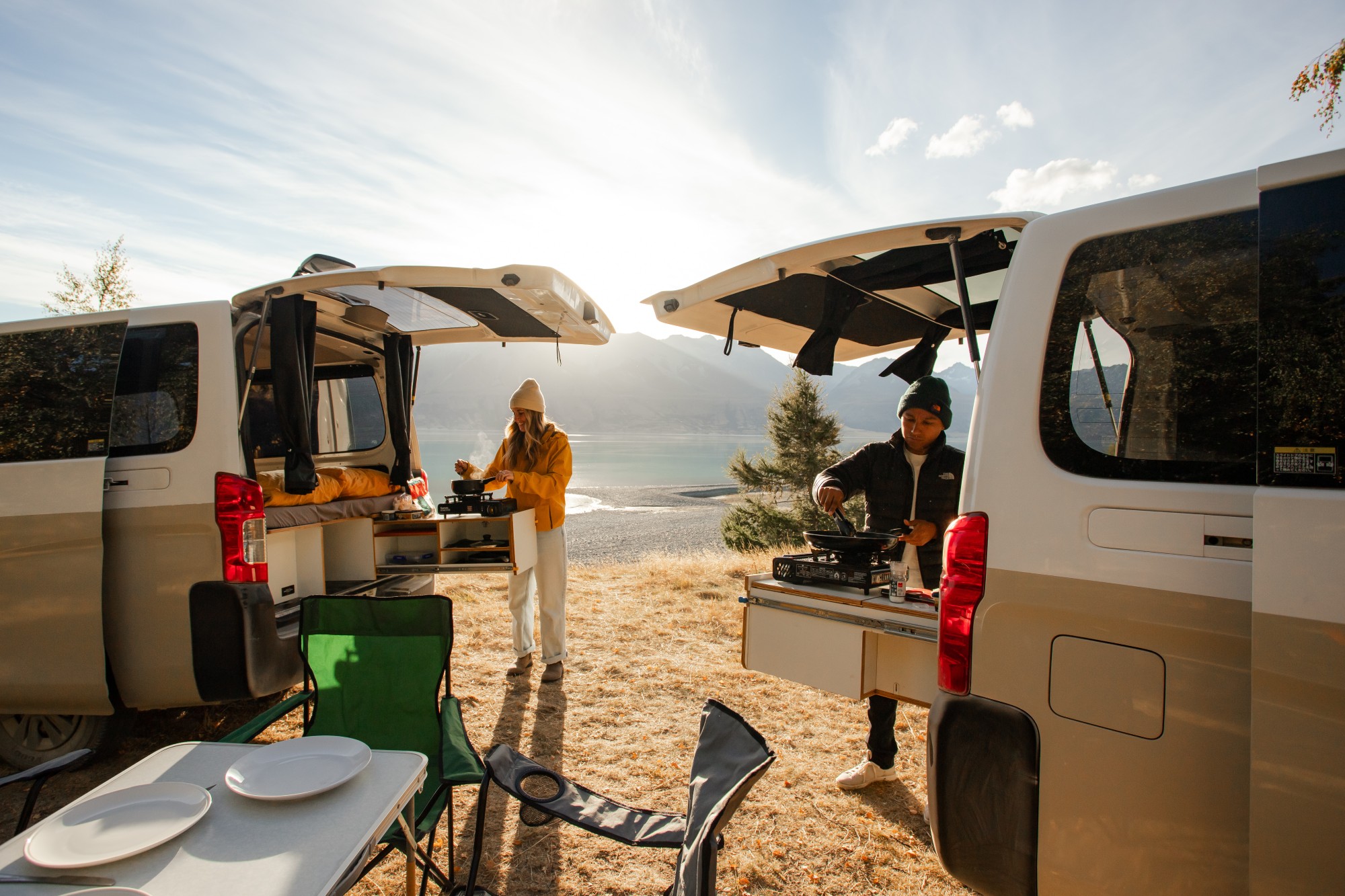
Picking the Right Van for Your TripWhen hiring a campervan, match it to how you cook and how long you are out. Every Big Little Campers van is certified self-contained, so your choice comes down to space rather than where you can legally park. The Little One is a two-berth on a Nissan NV350, with a kitchen that slides out the back. Compact, easy on narrow roads, and the cheapest way into a self-contained van. The Big One adds standing height and an indoor kitchen, which matters more than you think when the sandflies come out on the West Coast. That one sleeps three. The Biggest One is the premium two-berth, with a full bathroom, 85 litres of fresh water, diesel heating and hot water on board. If you still haven't figured out the best campervan for you, then our guide to choosing the right campervan gives you a proper walkthrough. |
|
Frequently Asked Questions About Summer CampervansWhat months are peak campervan season in New Zealand?November to March, with the peak running from mid-December to late January. Those six weeks coincide with the school holidays and international arrivals. This makes booking a van and a campsite during this season a bit of a challenge, so nothing beats early preparation here. February still delivers summer weather with less pressure. How far ahead should you book a campervan for December and January?Three to six months out. Availability runs out before prices peak. Independent operators with smaller fleets sell out first. Reading this in spring, and planning for a December trip, better book now. Is three weeks enough time in New Zealand?Yes, and it is close to ideal. Three weeks covers both islands at a reasonable pace: roughly ten days south, a week north, and the Cook Strait crossing between them. It also avoids the constant-driving trap that catches shorter trips. How many days do you need for the South Island?Ten to fourteen days for a proper loop. A week covers Christchurch to Queenstown via the Mackenzie country. Fourteen adds the West Coast glaciers or the Catlins. Under seven and you are seeing one corner, not the island. What is a good three-week campervan itinerary for New Zealand?Auckland to the Coromandel, down through Rotorua and Taupō to Wellington, ferry to Picton, then Kaikōura, Christchurch, the Mackenzie lakes, Queenstown and Fiordland. Roughly 2,500 kilometres, with room for two or three nights where it is worth staying put. How much does a two-week campervan trip in New Zealand cost?Around NZ$3,500 to NZ$6,150 for two over summer, covering van hire, fuel, campsites and food. The van is the largest line at NZ$2,100 to NZ$4,200. Travelling in February instead of January cuts that meaningfully. Is a campervan holiday worth it compared to flights and hotels?It depends on how you want to travel. Summer hotel and car rates climb alongside van rates, so costs land closer than the daily rate suggests. What you get is a night at Lake Pukaki rather than the nearest town in a motel. Do you need a special licence to drive a campervan in New Zealand?No. A standard full car licence covers every campervan in our fleet. If your licence is not in English, carry an accurate translation or an International Driving Permit alongside it. Always bring the physical licence with you when driving. Note that from 1 November 2026 the period you can drive on an overseas car licence is shortened from 18 months to 12 months, per NZ Transport Agency Waka Kotahi. |
ReferencesDepartment of Conservation. (2026). Book huts, campsites, lodges and Great Walks. https://www.doc.govt.nz/parks-and-recreation/places-to-go/online-bookings/ New Zealand Government. (2026). Freedom camping. https://www.govt.nz/browse/recreation-and-the-environment/freedom-camping/ NZ Transport Agency Waka Kotahi. (2026). Driving on New Zealand roads. https://www.nzta.govt.nz/travelling-on-our-roads/visitors-and-new-residents/driving-on-nz-roads |
Get Your Summer Sorted
Summer 2026-27 availability is already narrowing by the hour. Pick your dates, pick your island, and get the van locked in before the December block goes.
Big Little Campers is a small independent outfit with depots at Auckland and Christchurch airports. We have driven every route in this planner ourselves.
If you're unsure which van or island suits your trip, then contact us and tell us your dates. We will point you to locations that are sensible and feasible, depending on what you have in mind.
Check availability and book now for summer 2026-27.
Read more










.jpg)
.jpg)
.jpg)
.jpg)
.jpg)

.jpg)
.jpg)



.jpg)