Chat with a human
Let us help you pick the perfect camper for your once in a lifetime adventure

|
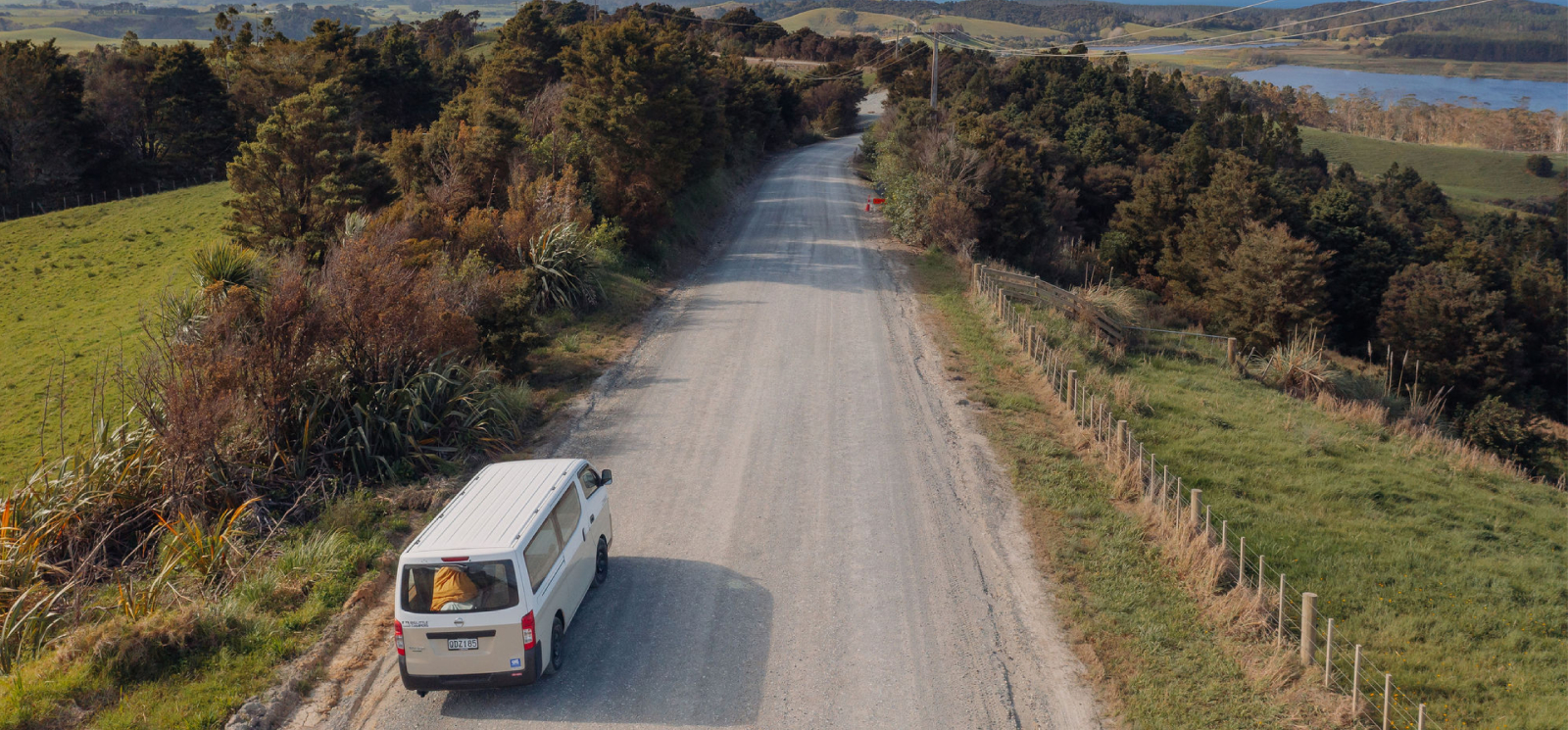
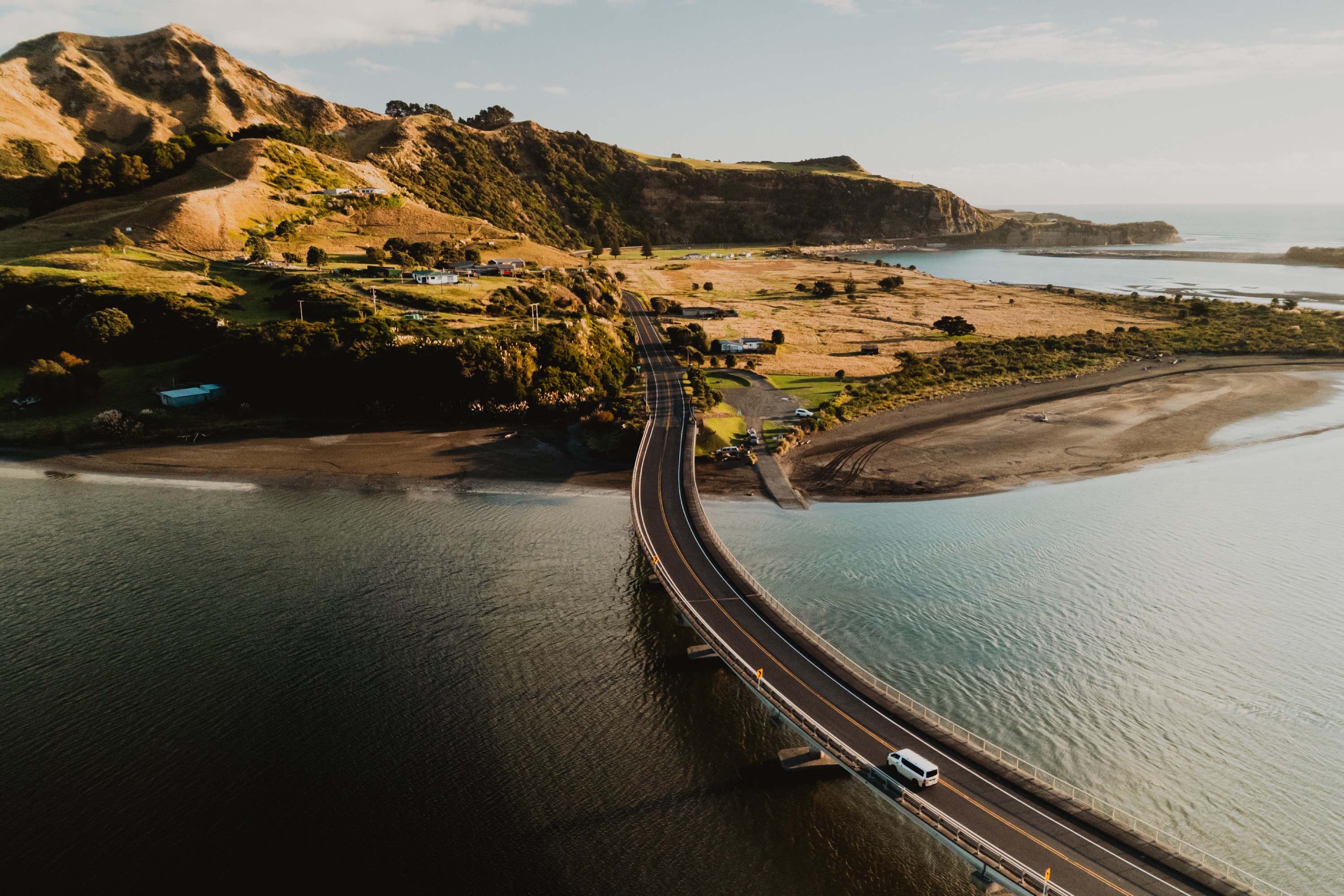
A 2026 road trip through NZ starts with a simple question: What kind of campervan rental New Zealand trip do you want? That answer shapes everything. The van you choose. The pace you travel at. The places you stay longer. We talk to travellers every week who are figuring this out. Some have been planning for years. Others booked flights first and are now filling in the details. Either way, a bit of planning upfront makes the whole trip easier and more enjoyable. |
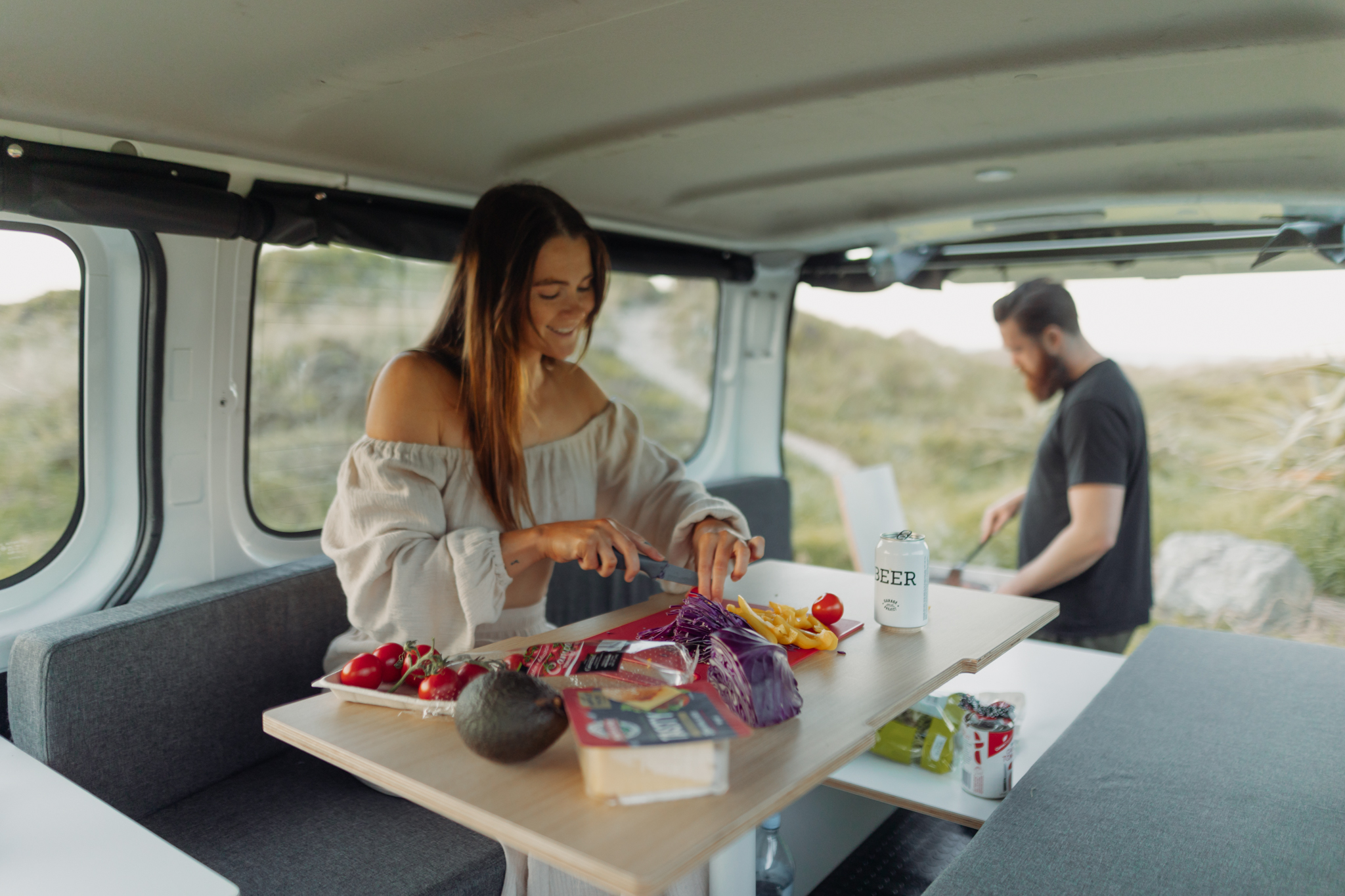
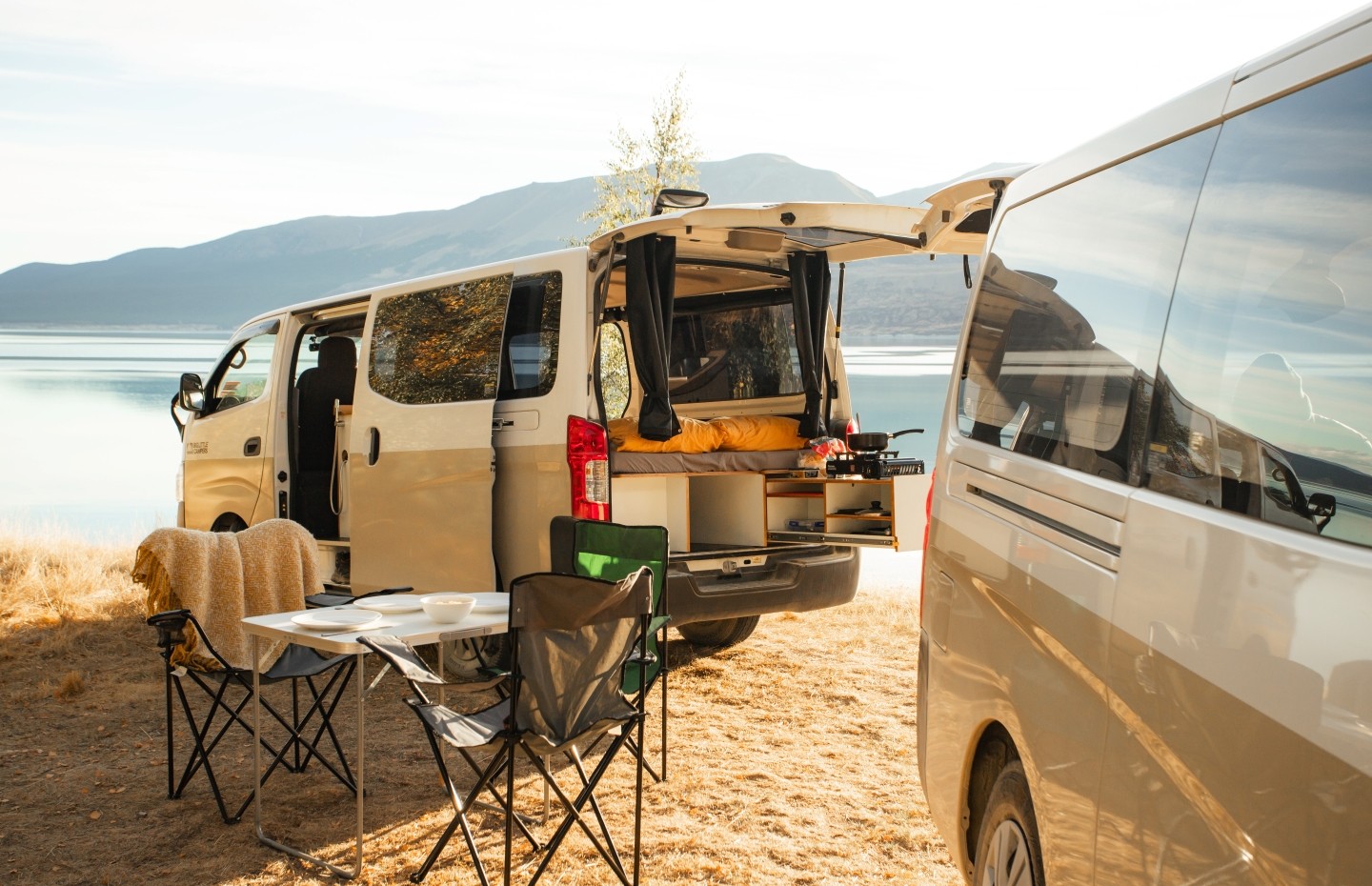
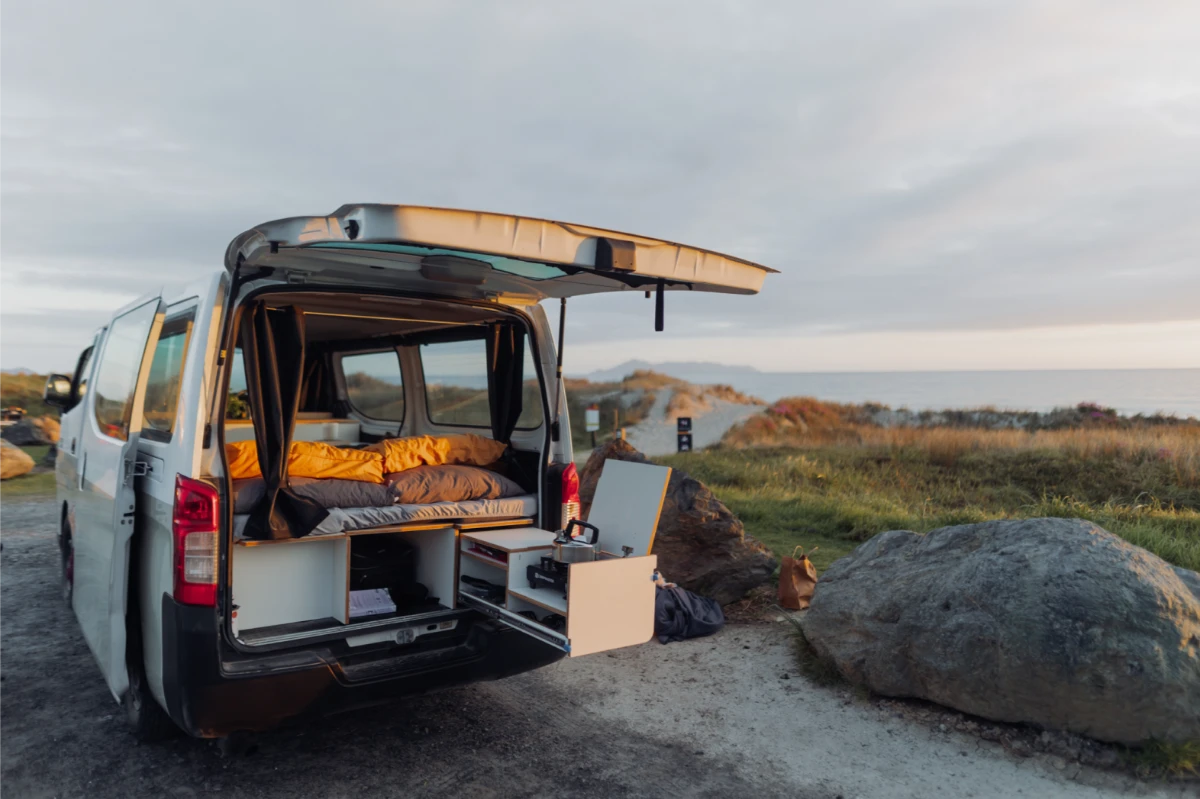
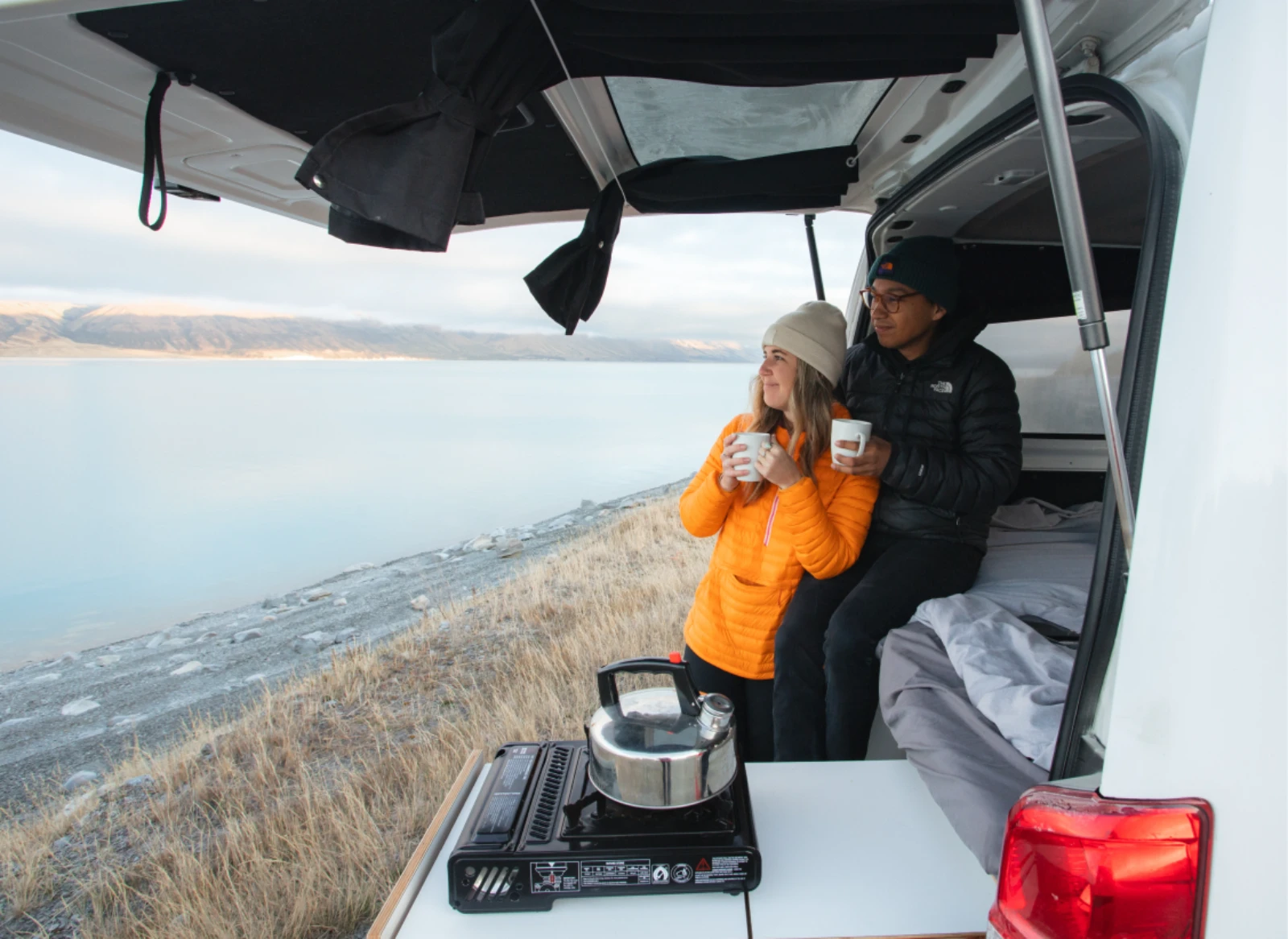
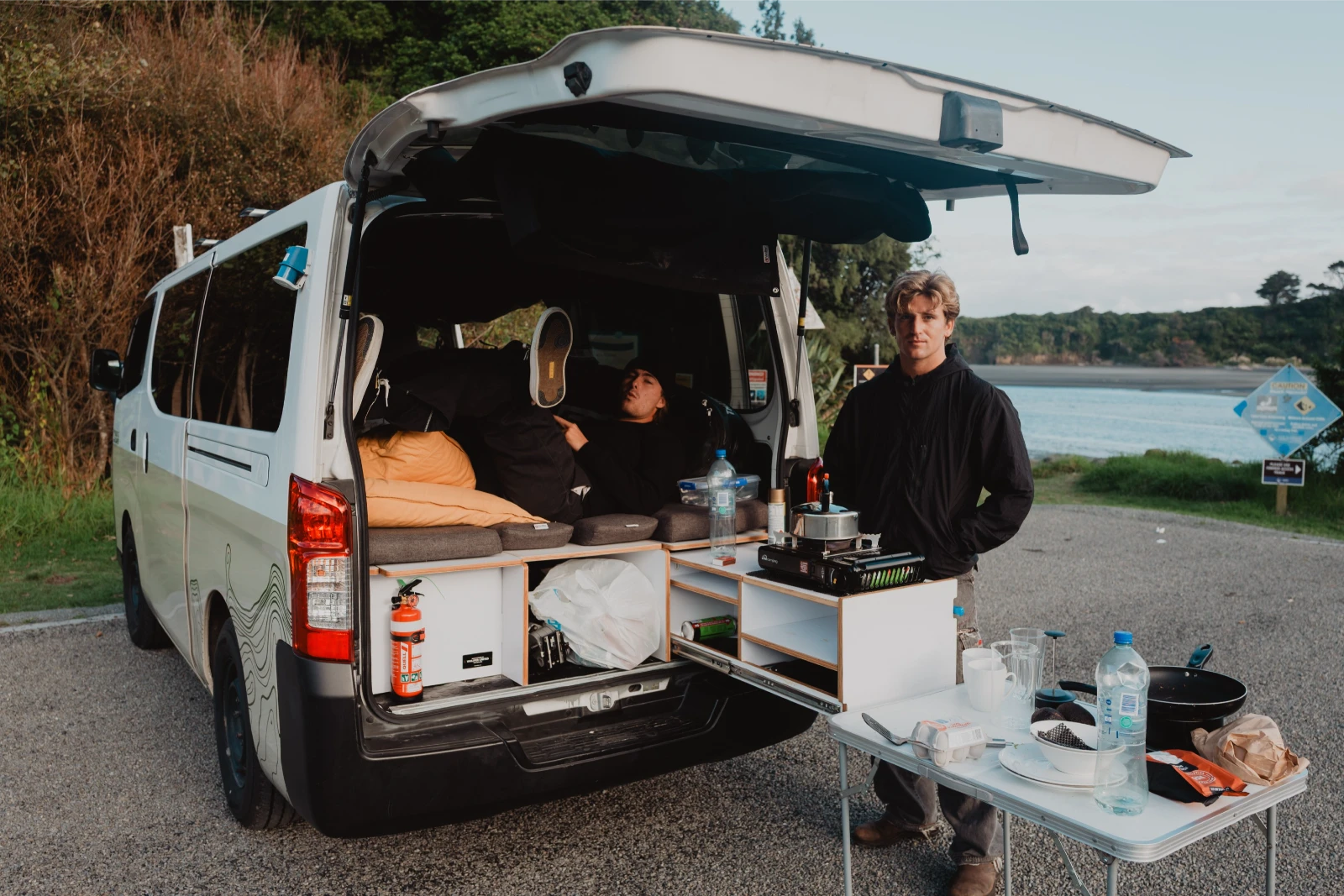
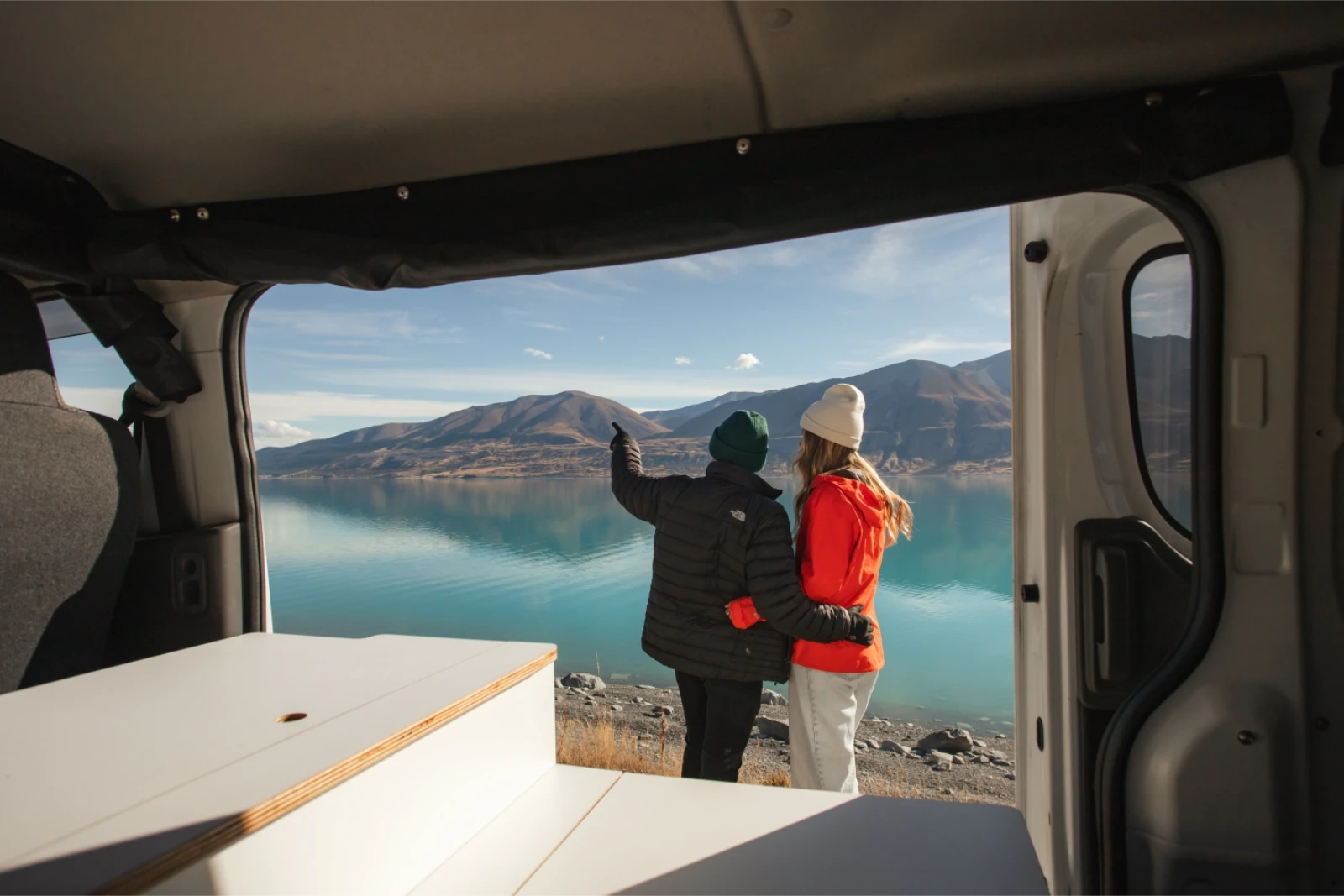
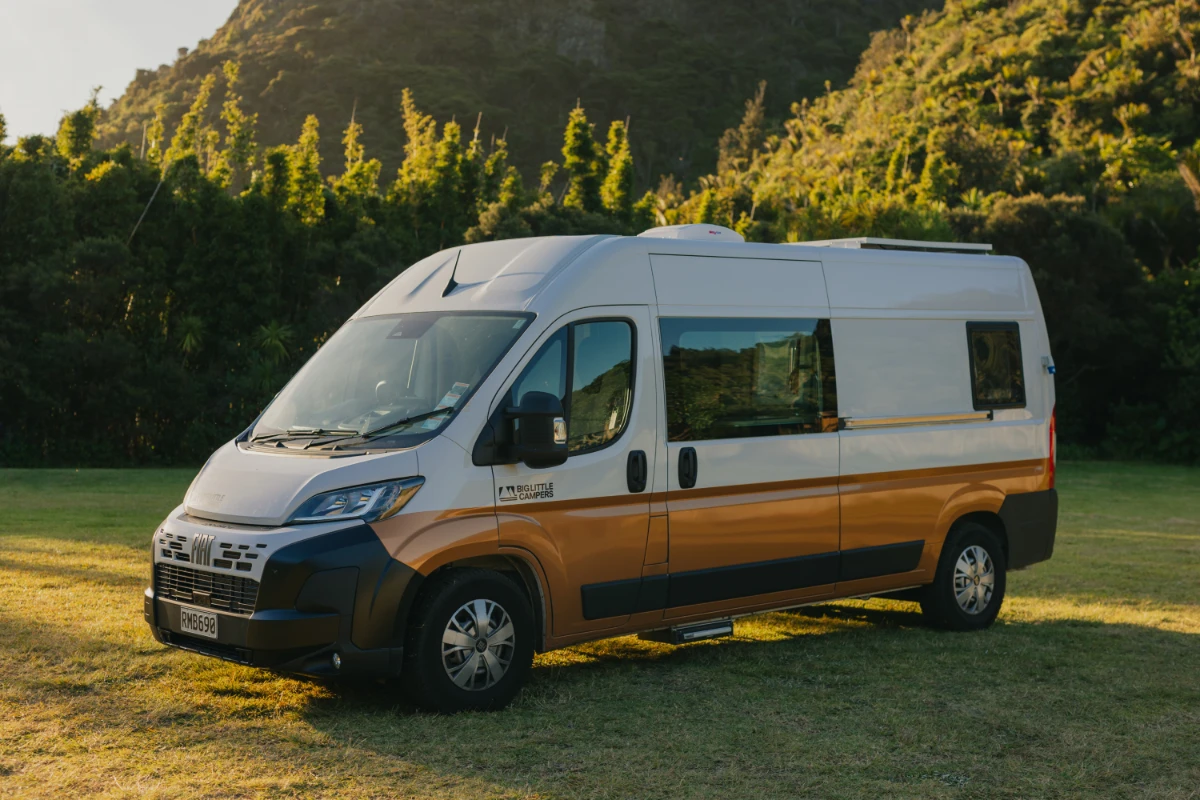
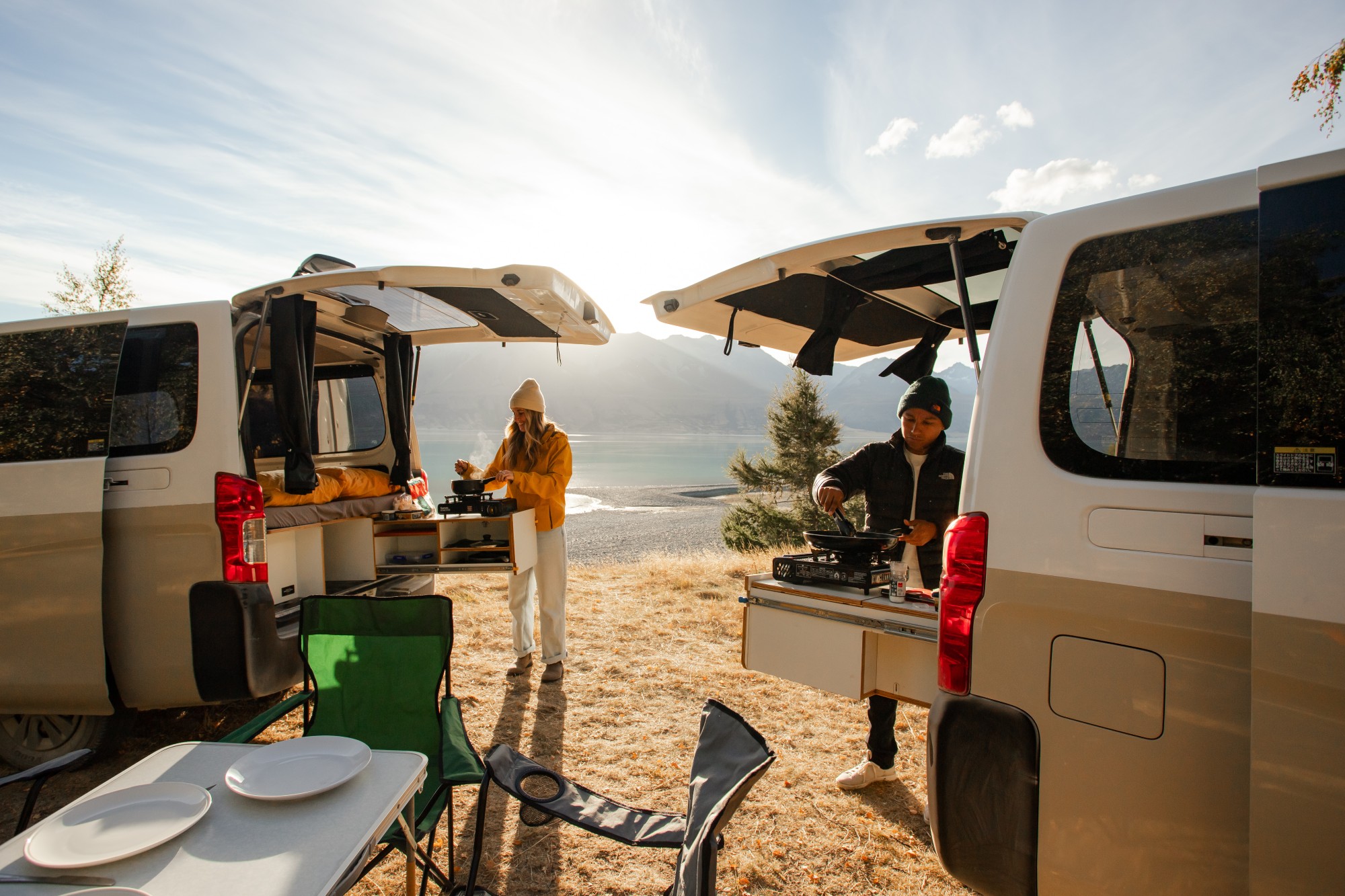
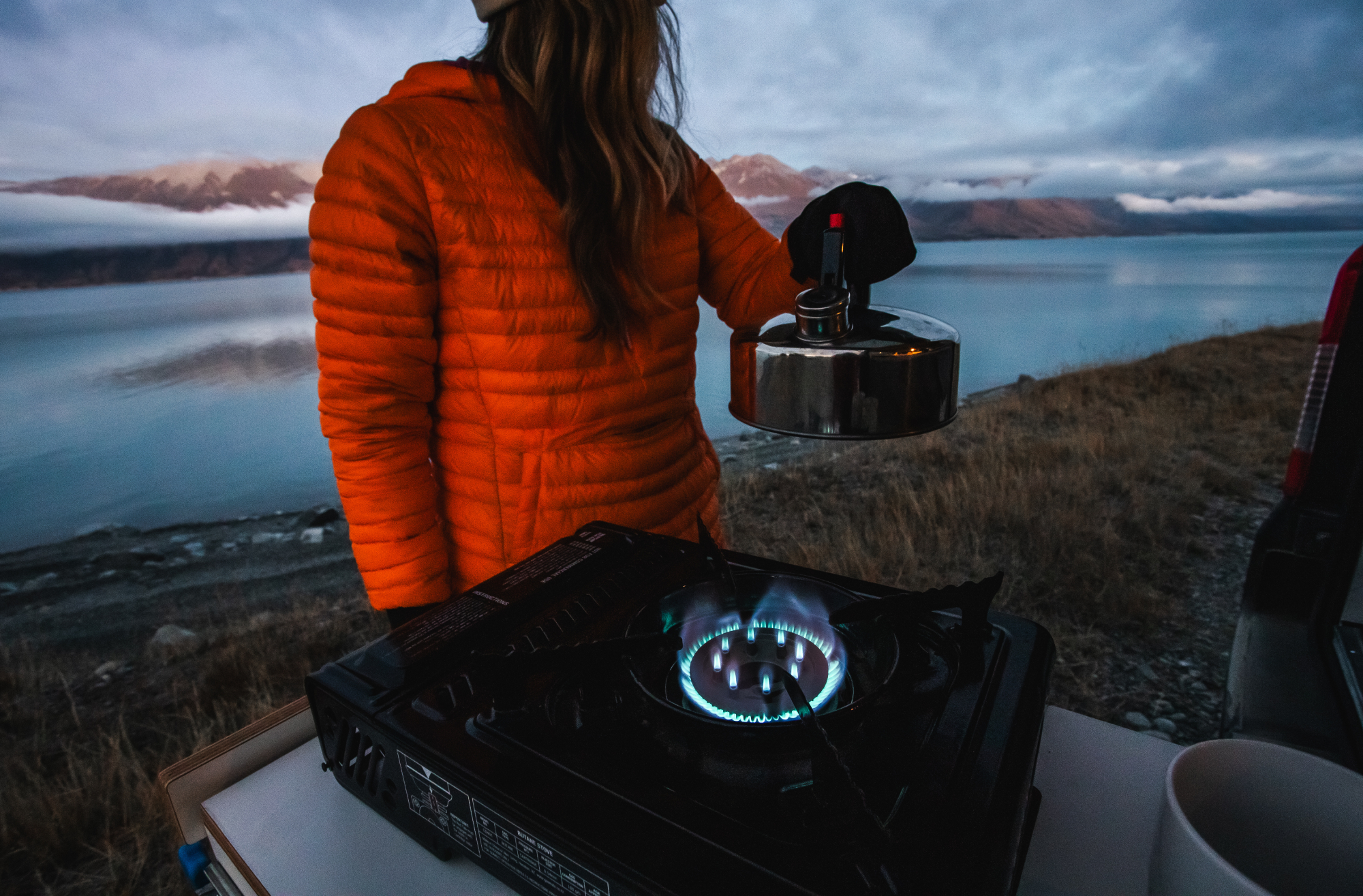
Figure Out How You Like to TravelBefore comparing vans or mapping routes, it helps to pause and think about what kind of trip you're after. PaceSome travellers want to cover as much ground as possible, waking up somewhere new every day. Others prefer finding a spot they love and staying put for a few nights. The first group needs a van that's easy to pack up and go. The second group cares more about comfort and living space. FoodIf you plan to cook most meals, you will want a decent kitchen and enough fridge space for groceries. If you prefer eating out or grabbing food on the go, you can keep things simpler. ComfortA basic bed and portable stove are more than enough for some people. Others want a proper shower, heating, and room to stand up inside. Both choices are okay, but knowing what you truly need makes choosing the right NZ campervan rental much easier. |

|
|
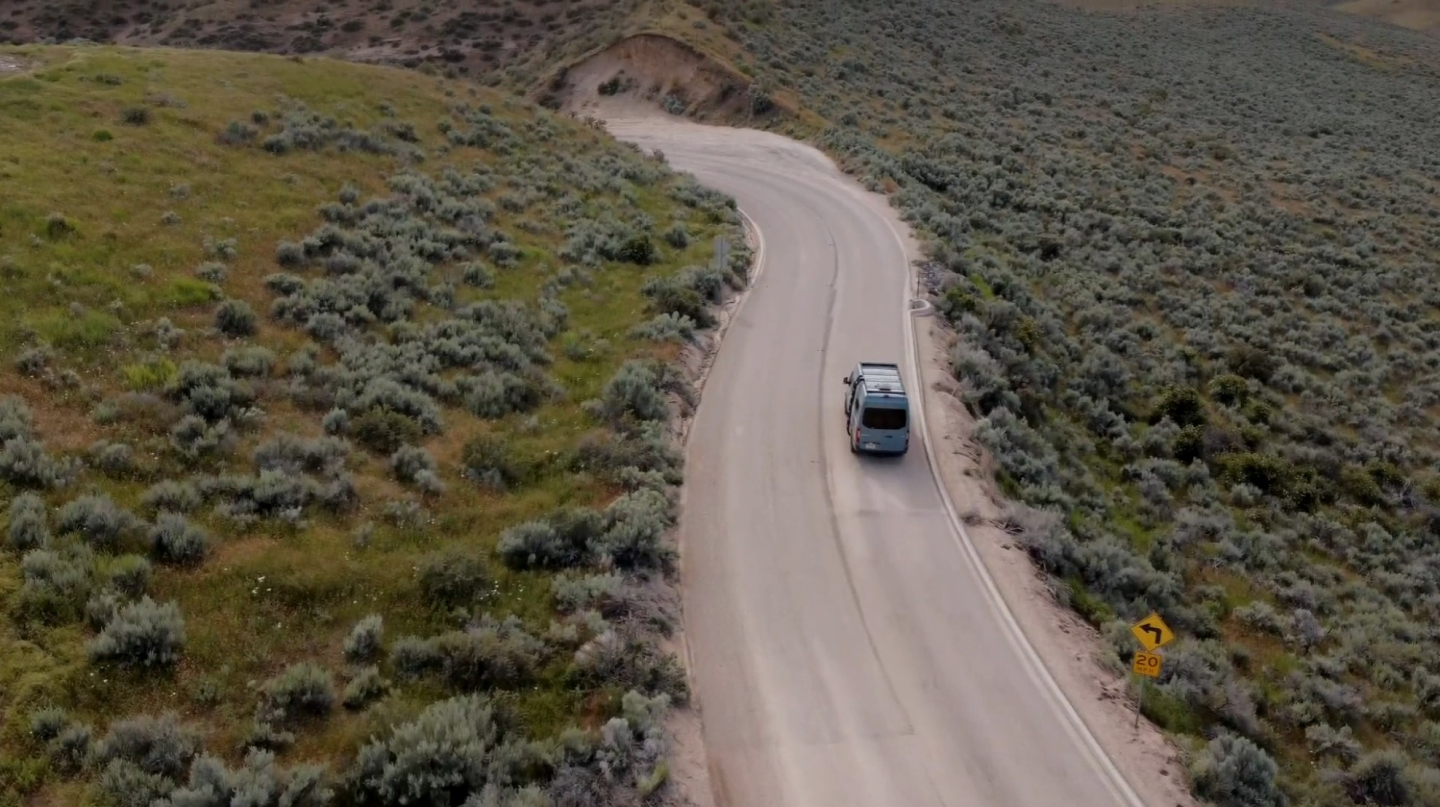
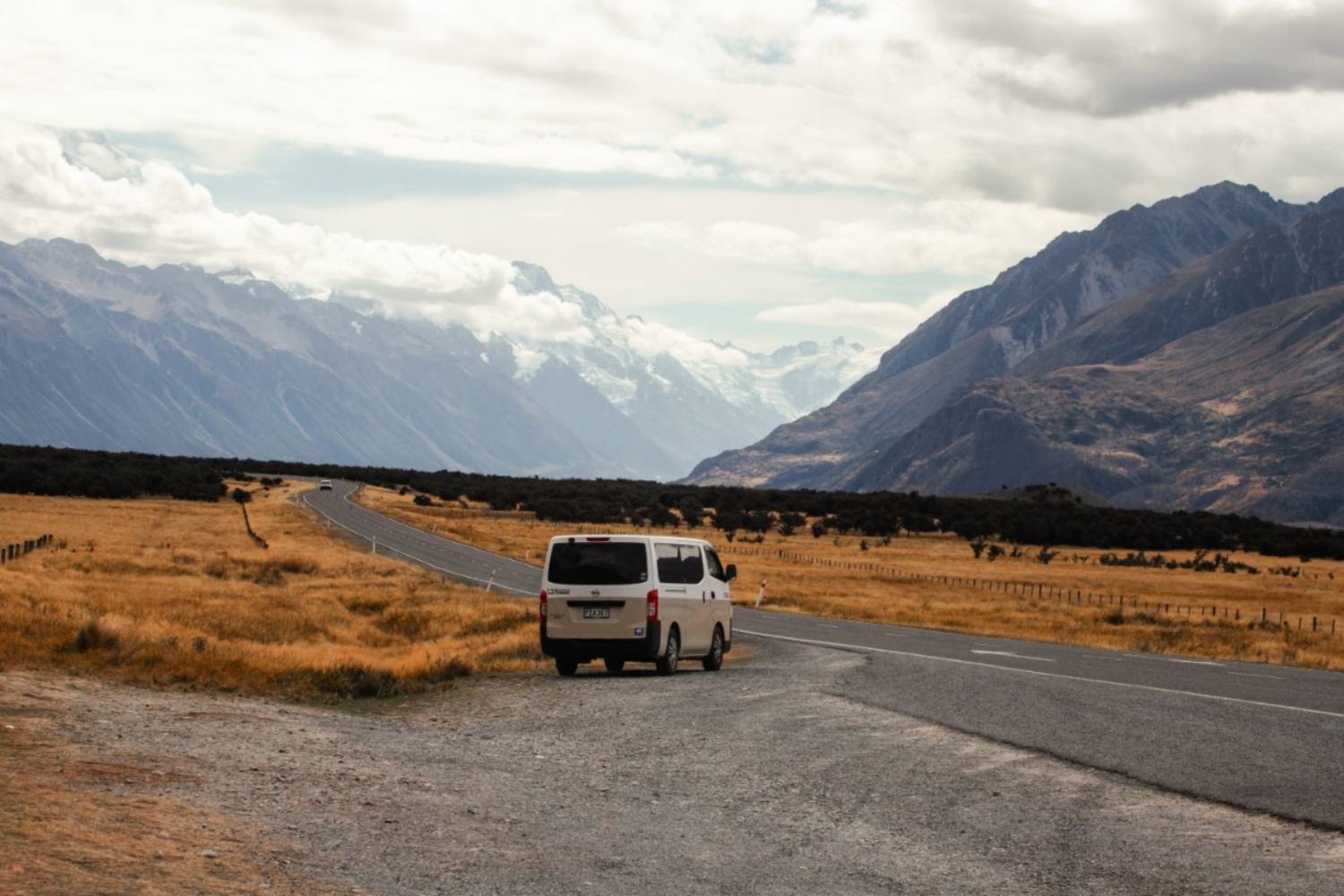
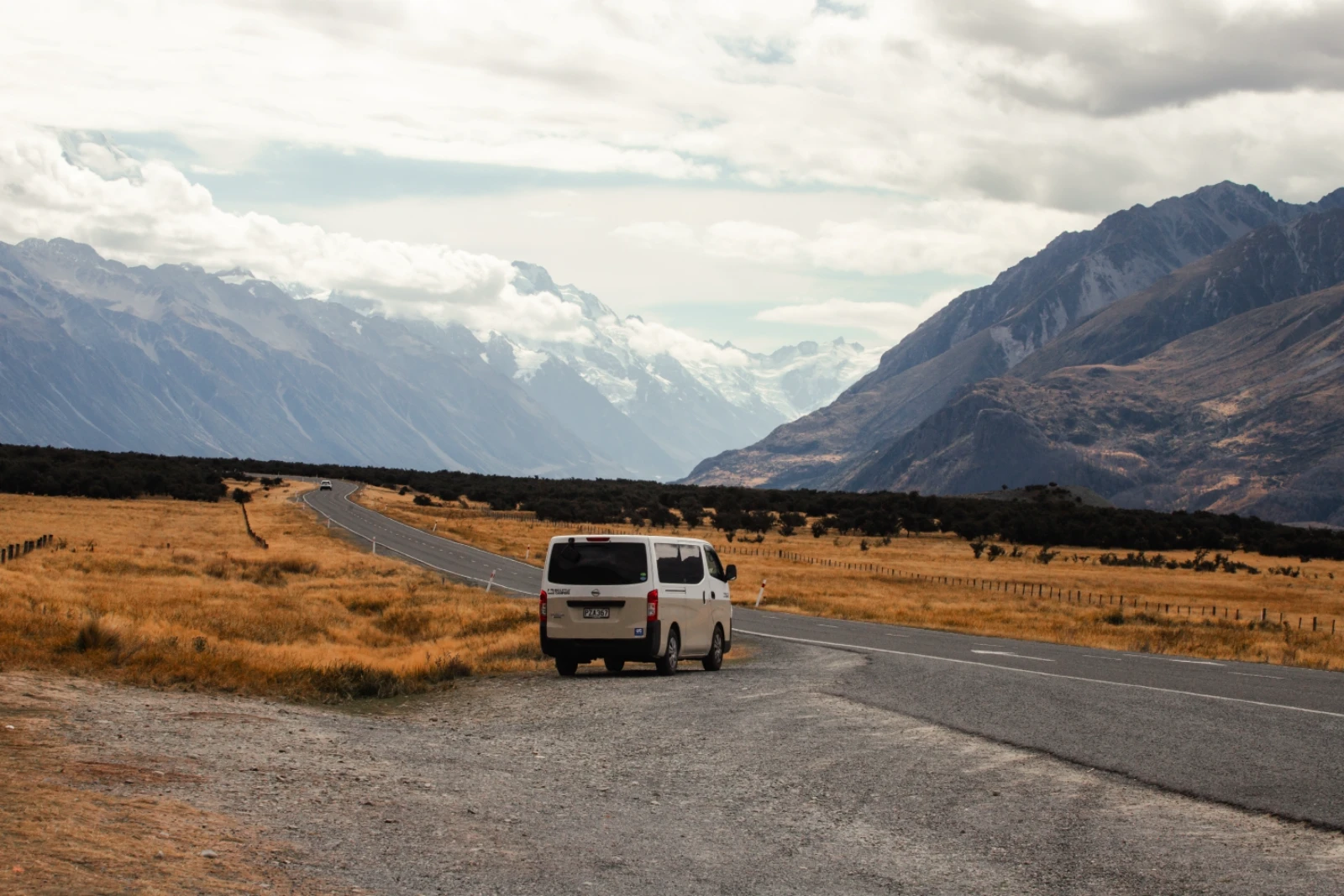
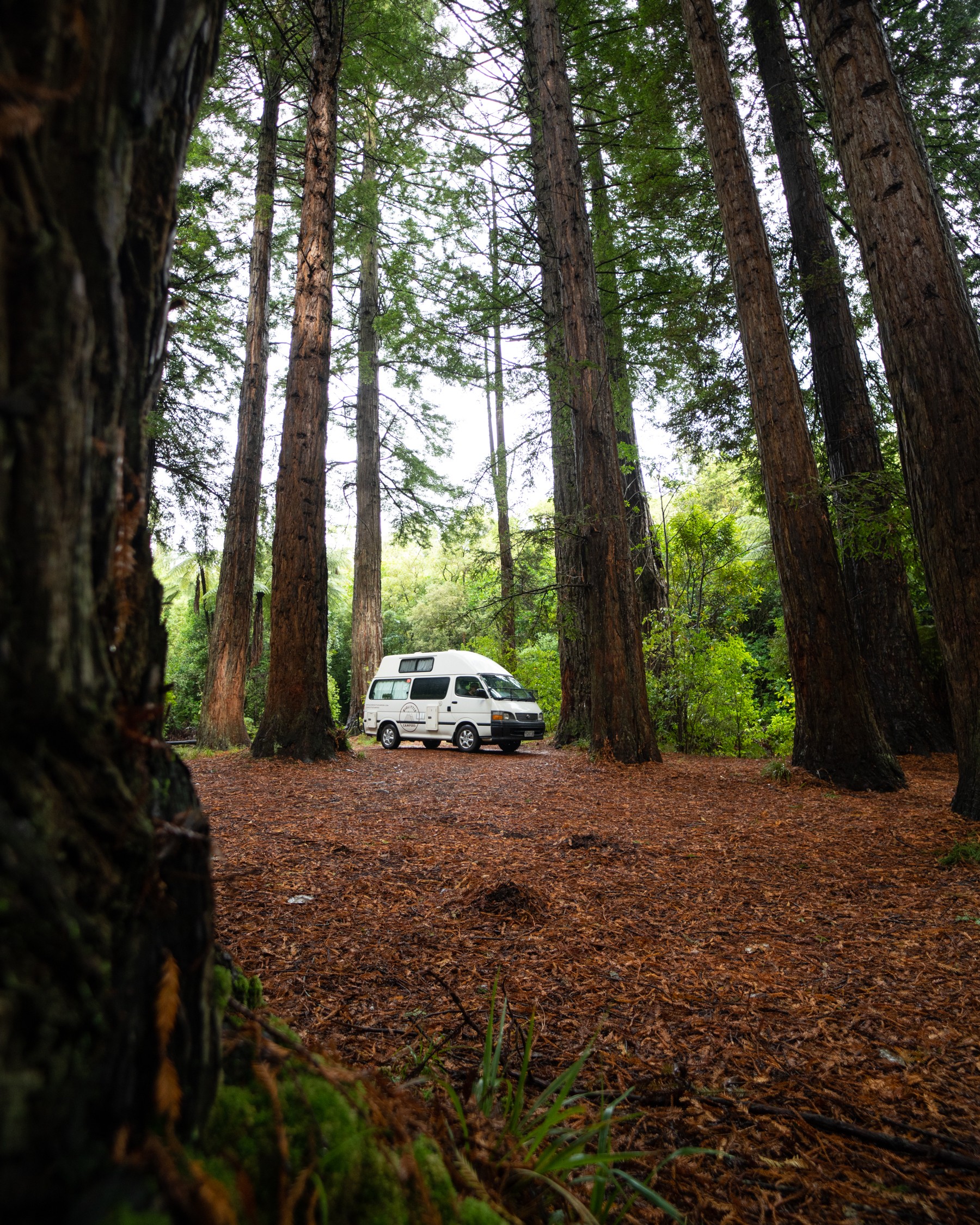
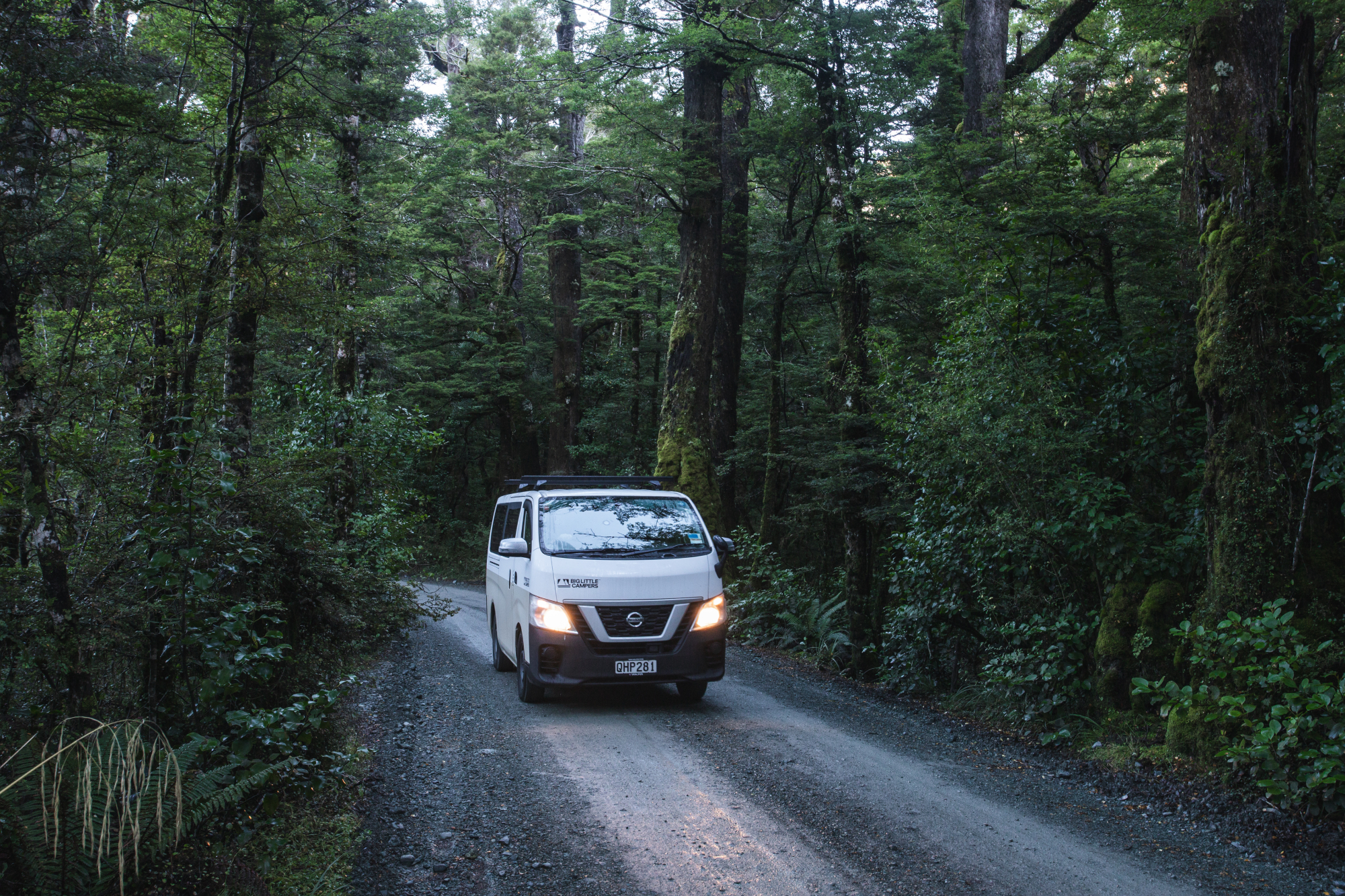
How Much Time Do You HaveThe biggest planning mistake is trying to fit too much into too few days. New Zealand may seem small on a map. However, the roads are winding, and the scenery is beautiful. You will definitely want to take a second look. Two weeks or less: Pick one region to explore. Rushing between islands in ten days means more driving than experiencing the sights and sounds. Three weeks: You can do one island thoroughly, or cover both at a comfortable pace using the ferry as a midpoint. Four weeks or more: Be attuned with the weather, and stay longer when a place feels right. Take detours without worrying too much about the time. Leave buffer days. Weather changes, roads take longer than expected, and local tips often lead to the best stops. The best trips leave room for that. |
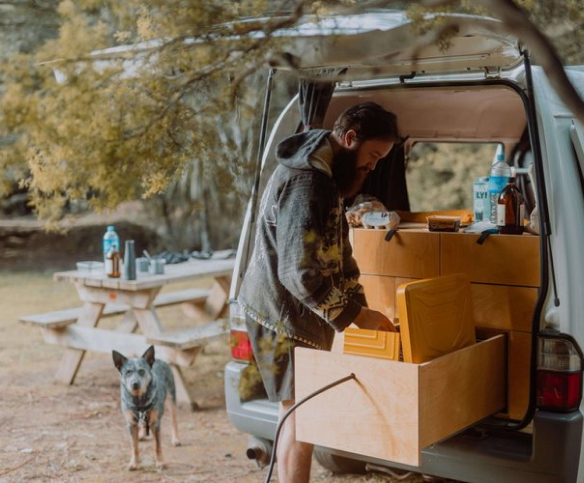
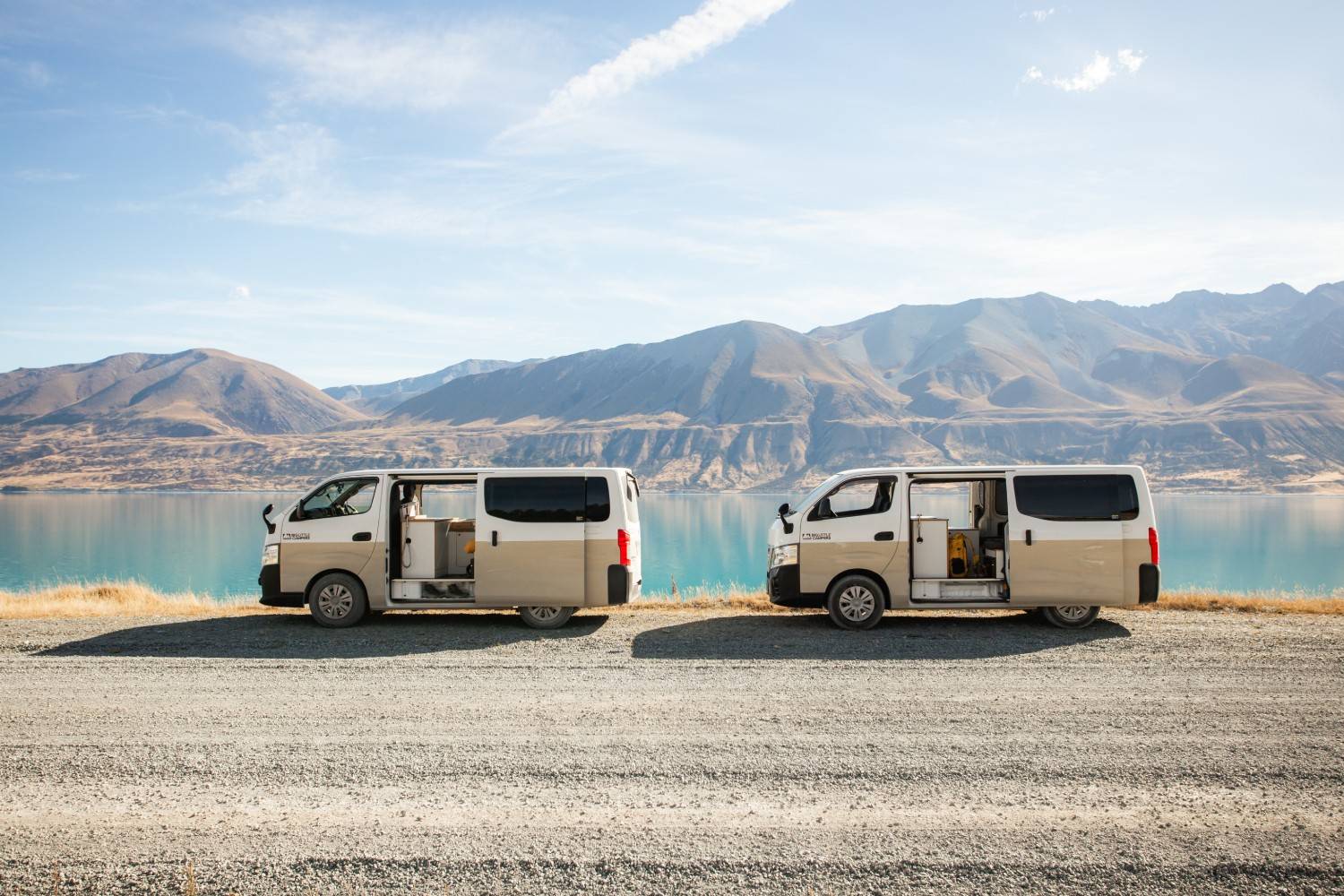
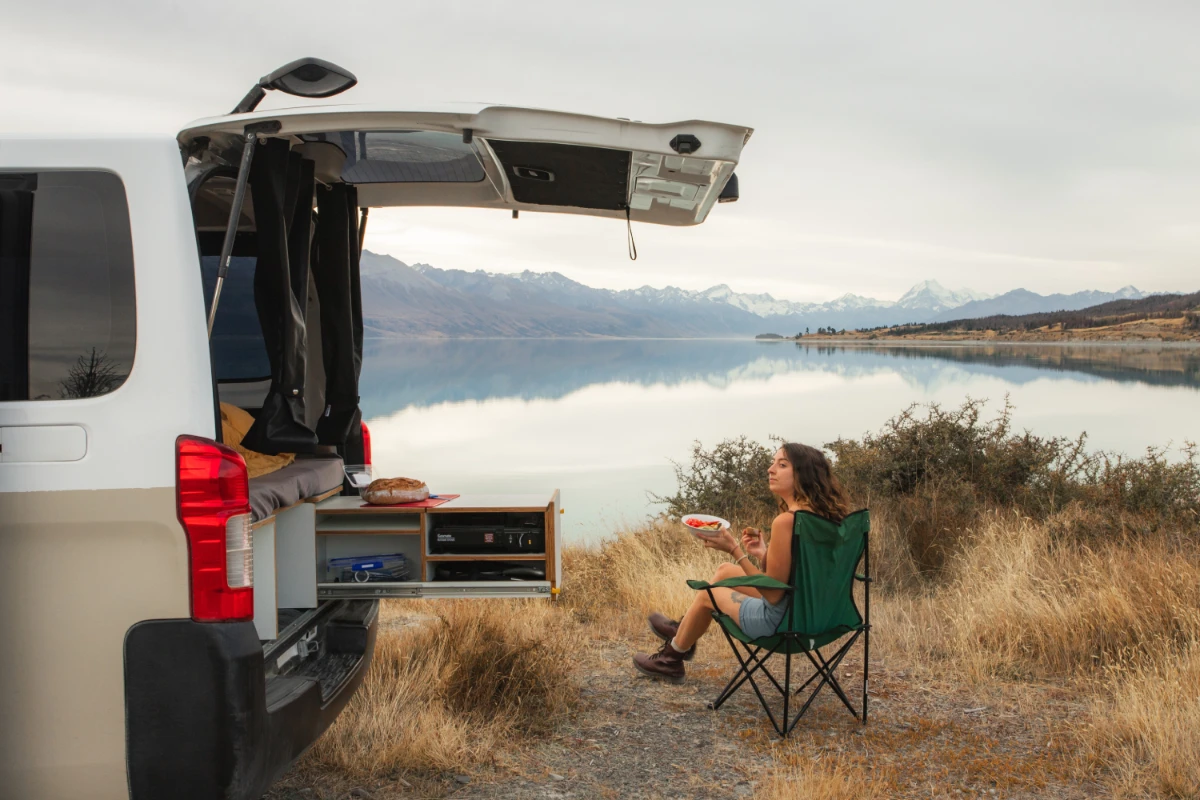
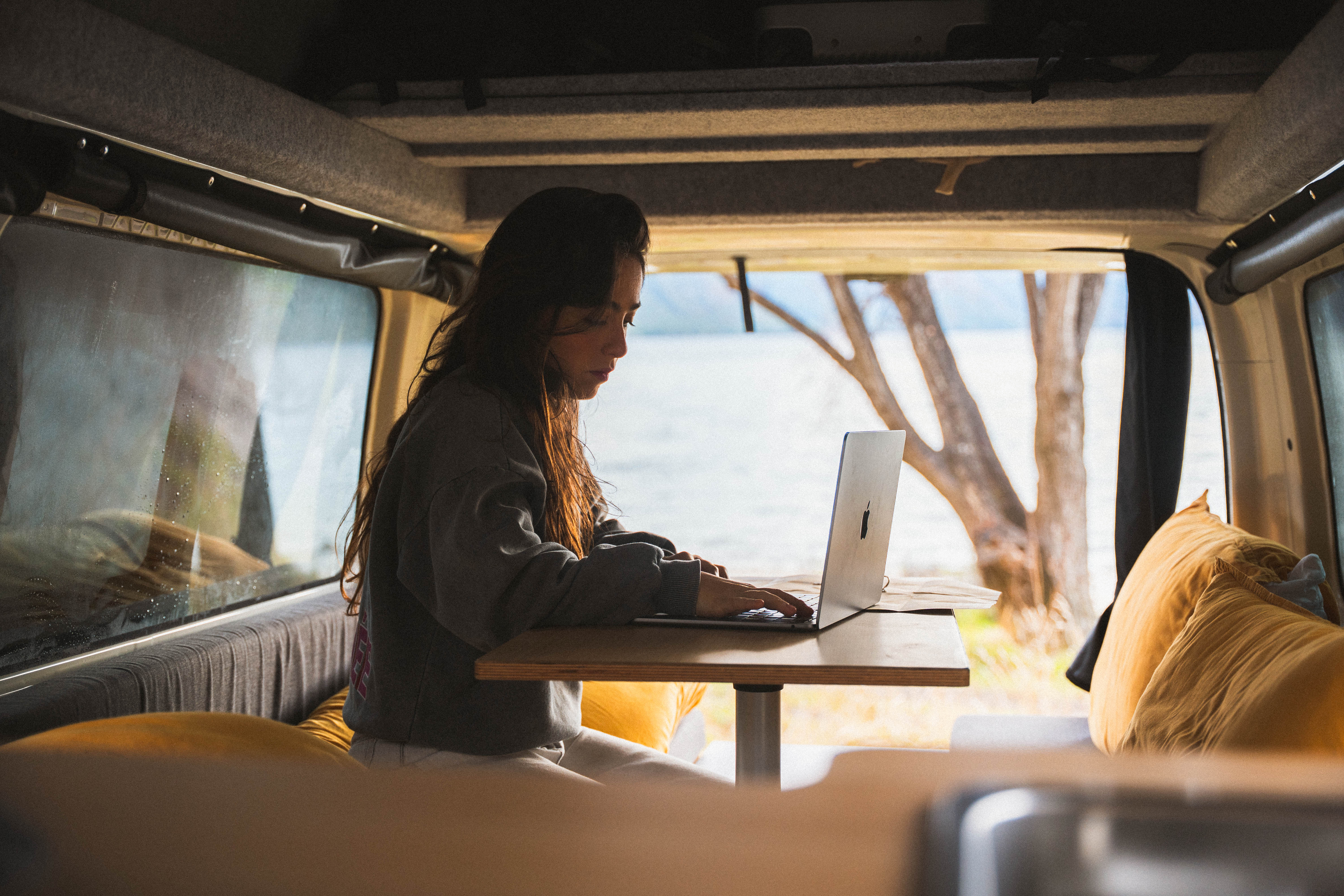
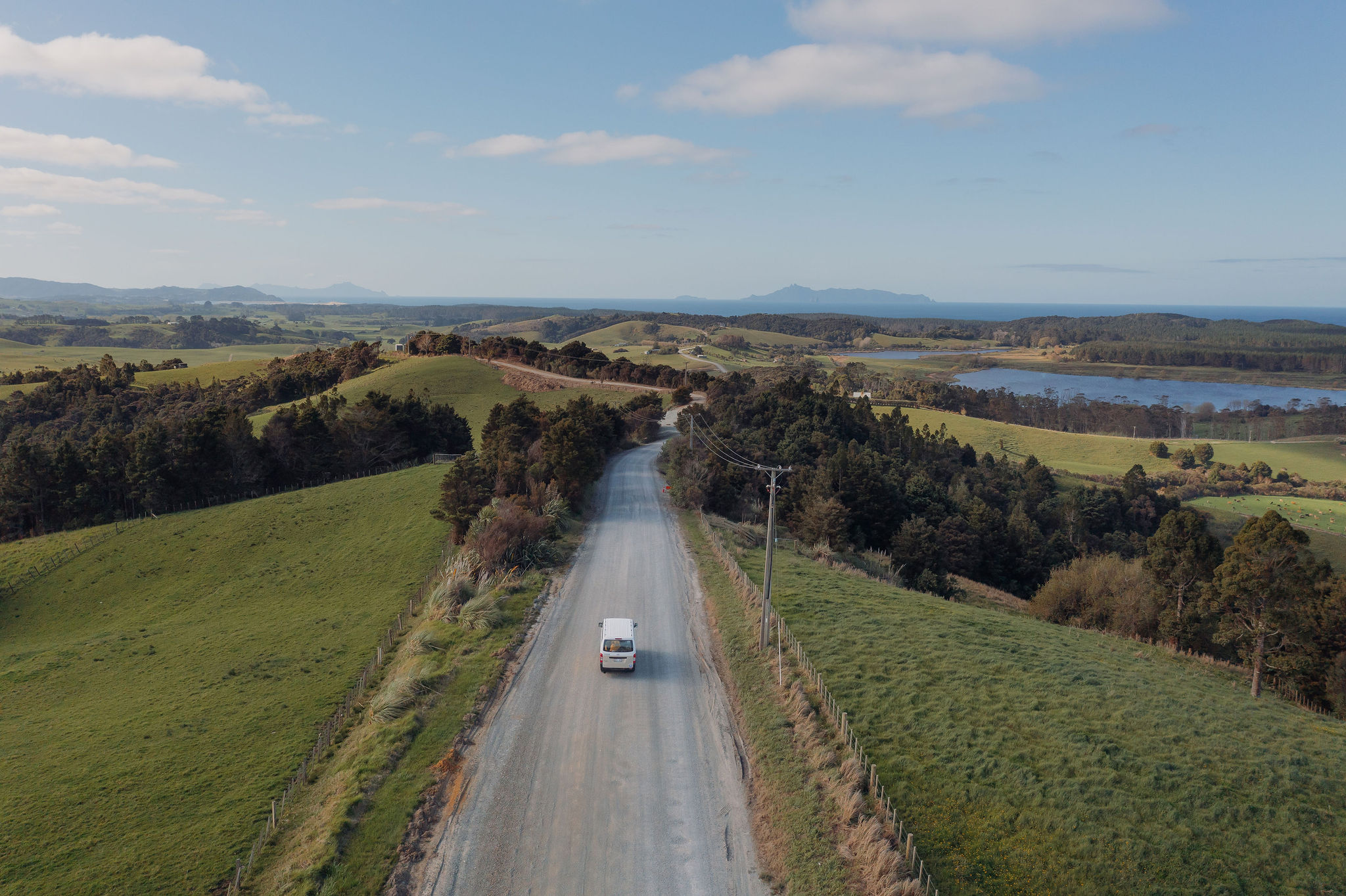
Understand What You're Paying ForRenting campervans isn't all about the daily rate. The total cost includes fuel, where you stay each night, and how you plan to have your meals. The vanIt covers transport and accommodation in one hit. That's the trade-off that makes campervanning work financially. FuelThis adds up depending on distance and efficiency. Plan your route with this in mind, especially on the South Island, where towns can be far apart. Camping costsThis can range from free to $50+ per night. A self-contained van opens up freedom camping at designated spots, saving hundreds over a two-week trip. FoodMost of your budget may go here. A working kitchen means you can save money through supermarket runs instead of cafes. Most travellers find their preferred rhythm: cook breakfast and dinner, and treat themselves to a hearty lunch every few days. |
|

|
Get Your Campervan Rental New Zealand Paperwork Sorted EarlyCheck that your driver’s licence is valid in New Zealand.. Most overseas licences are valid in New Zealand for up to 12 months. If yours isn't in English, you'll need an official translation or an International Driving Permit. Sort this before you fly. Review your travel insurance and make sure it covers campervan travel, not just standard car rental. Be sure to read the fine print now before you leave. Book at the Right Time
|
Leave Room for Surprises
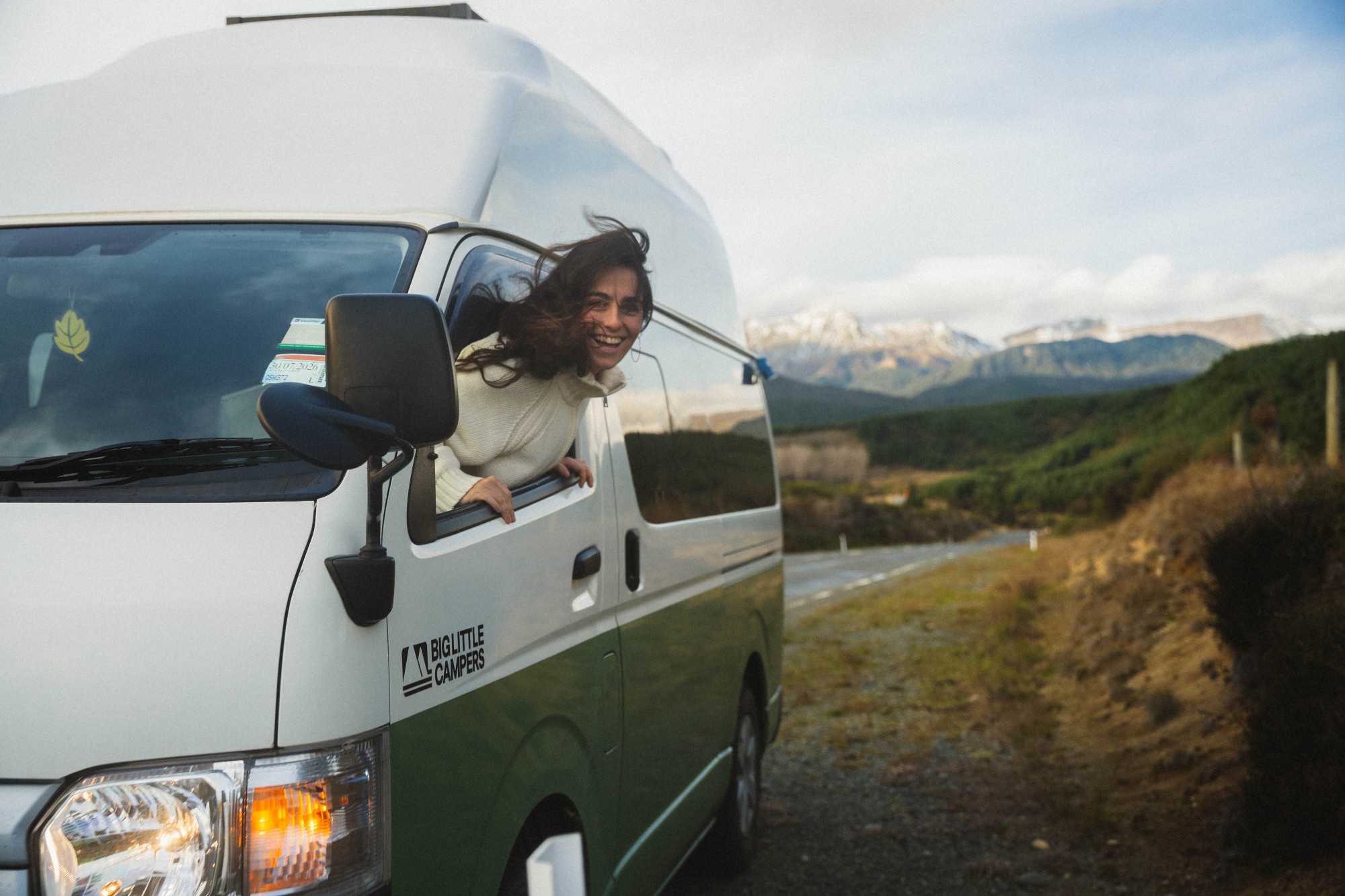
The best road trips are rarely the ones that stick perfectly to the plan.
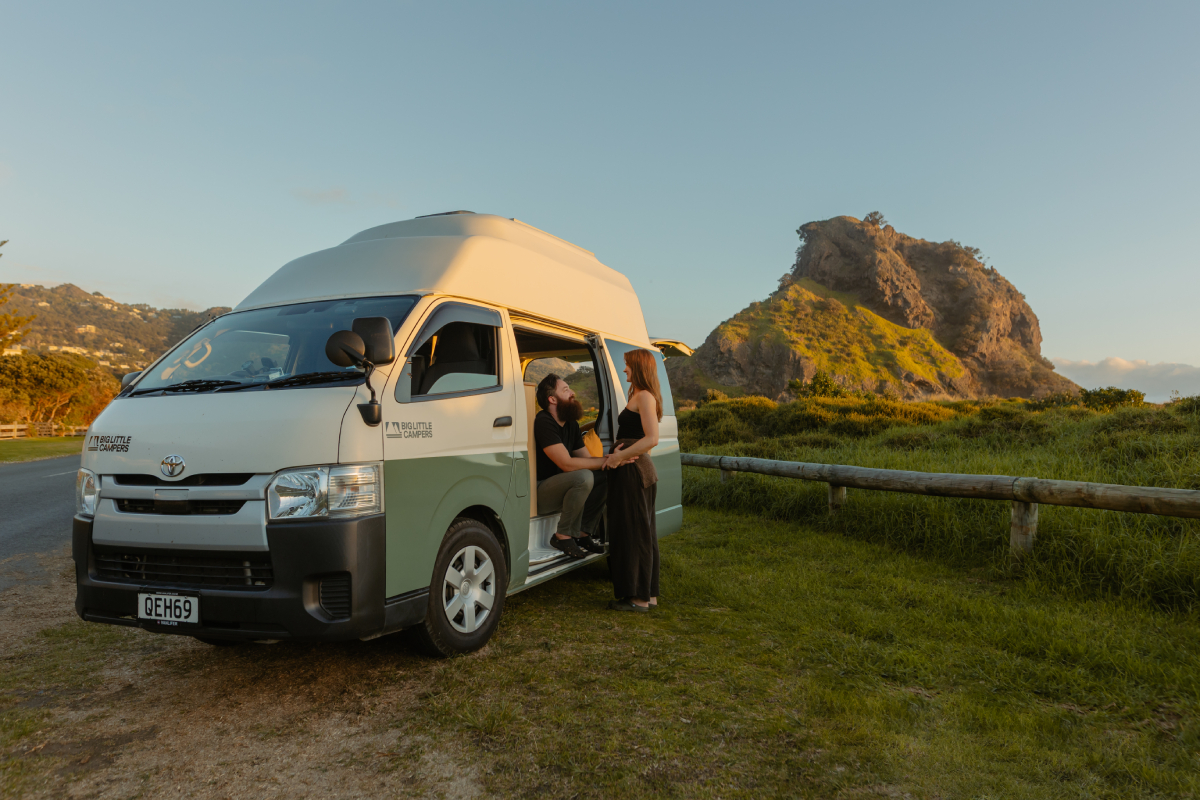
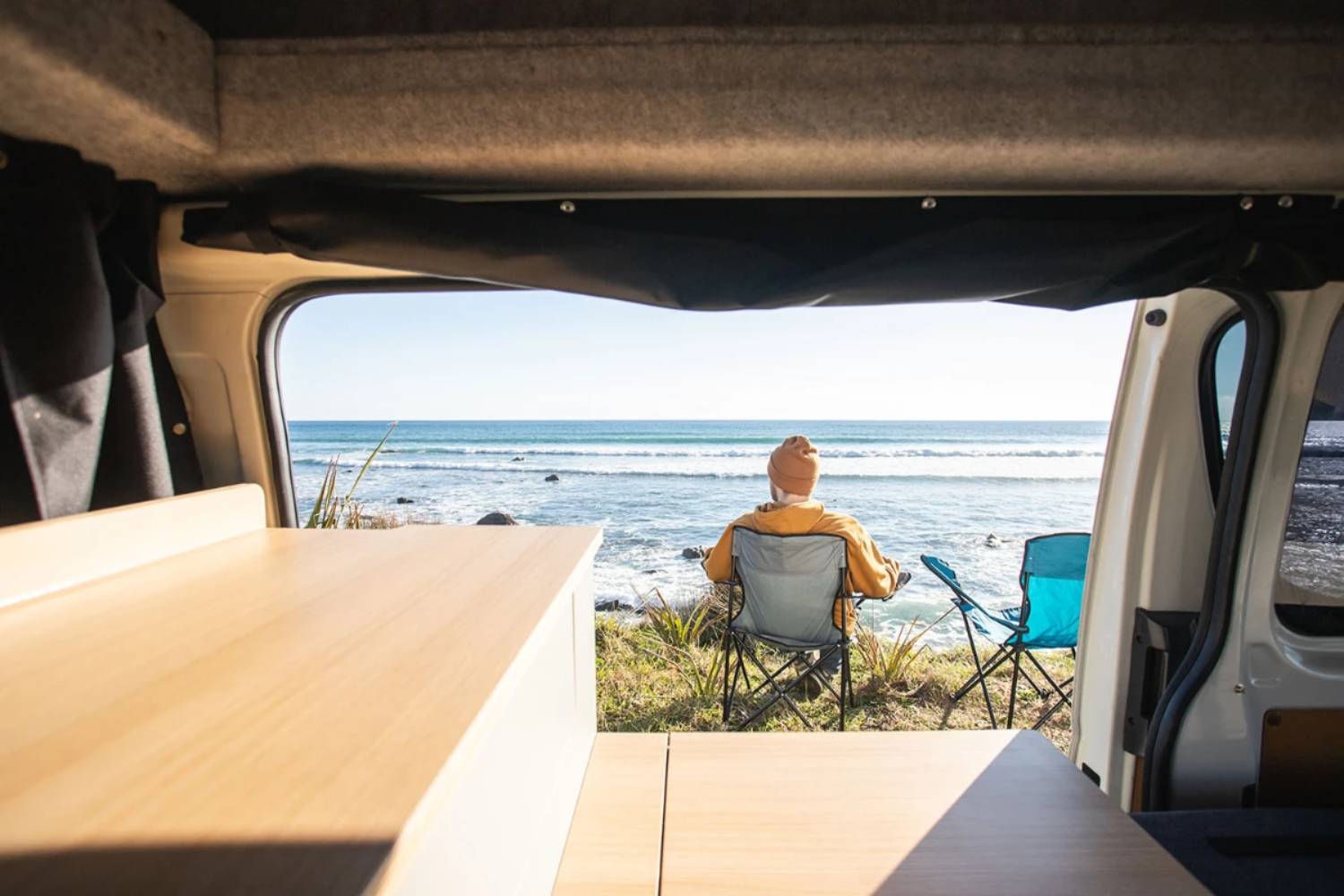
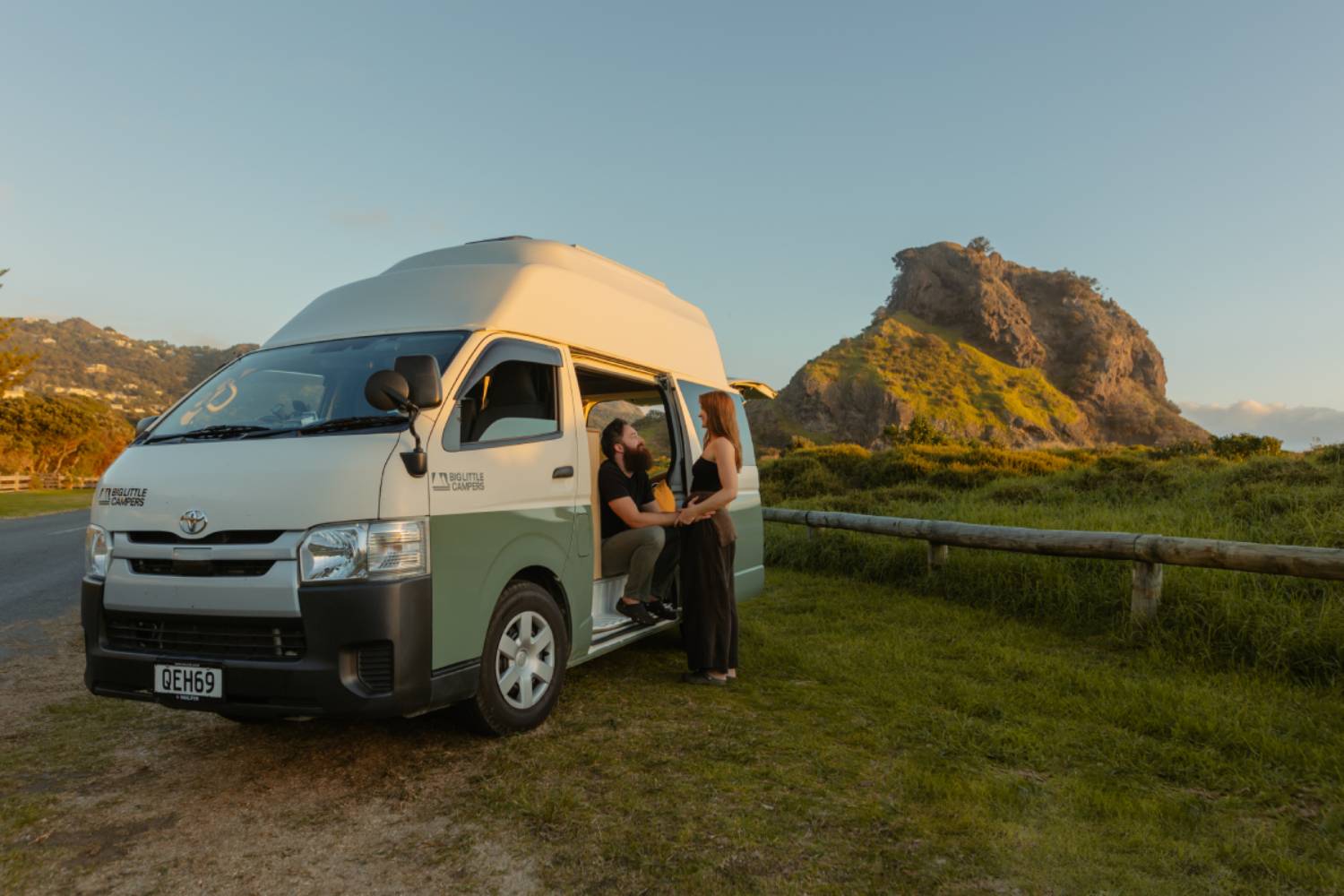
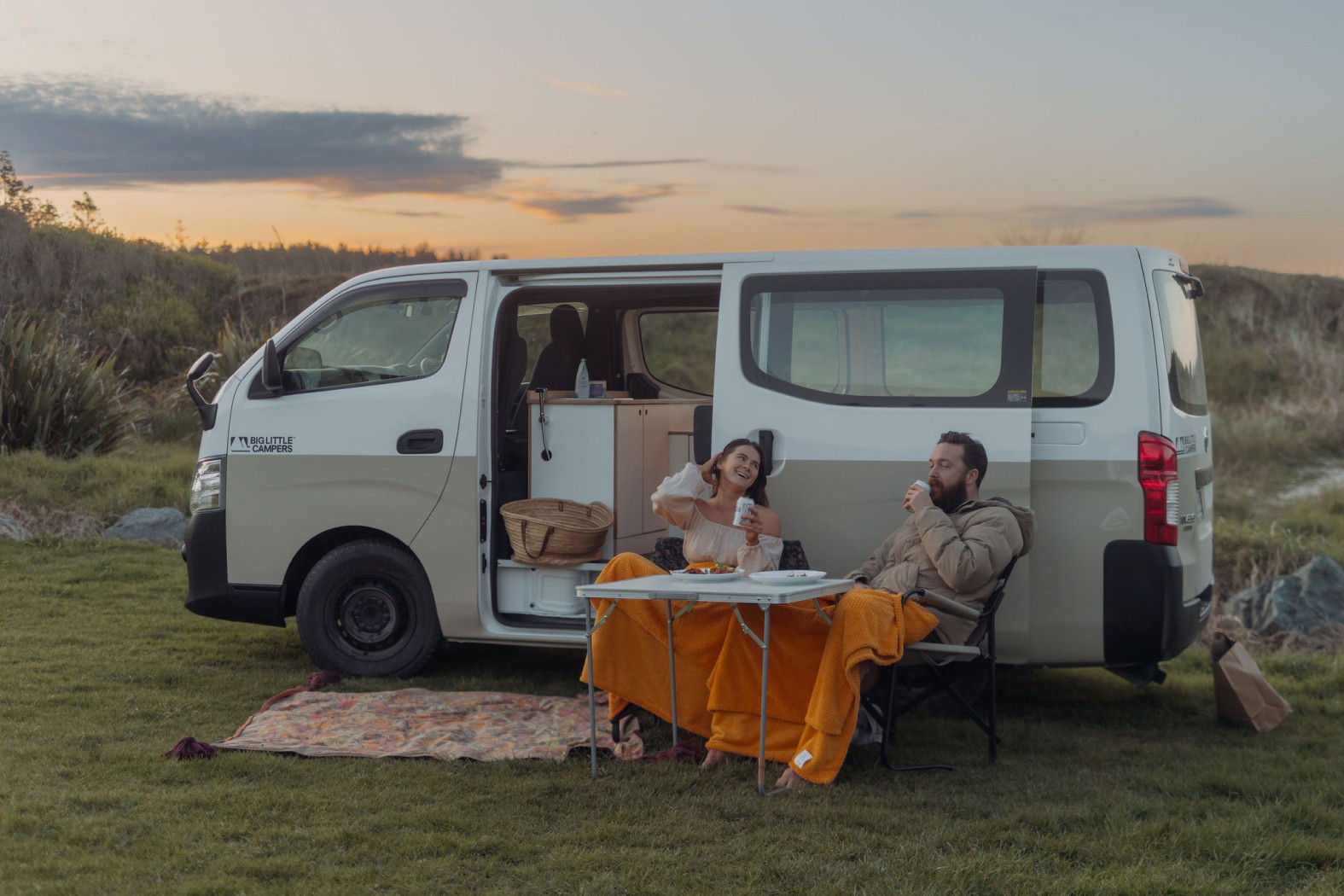
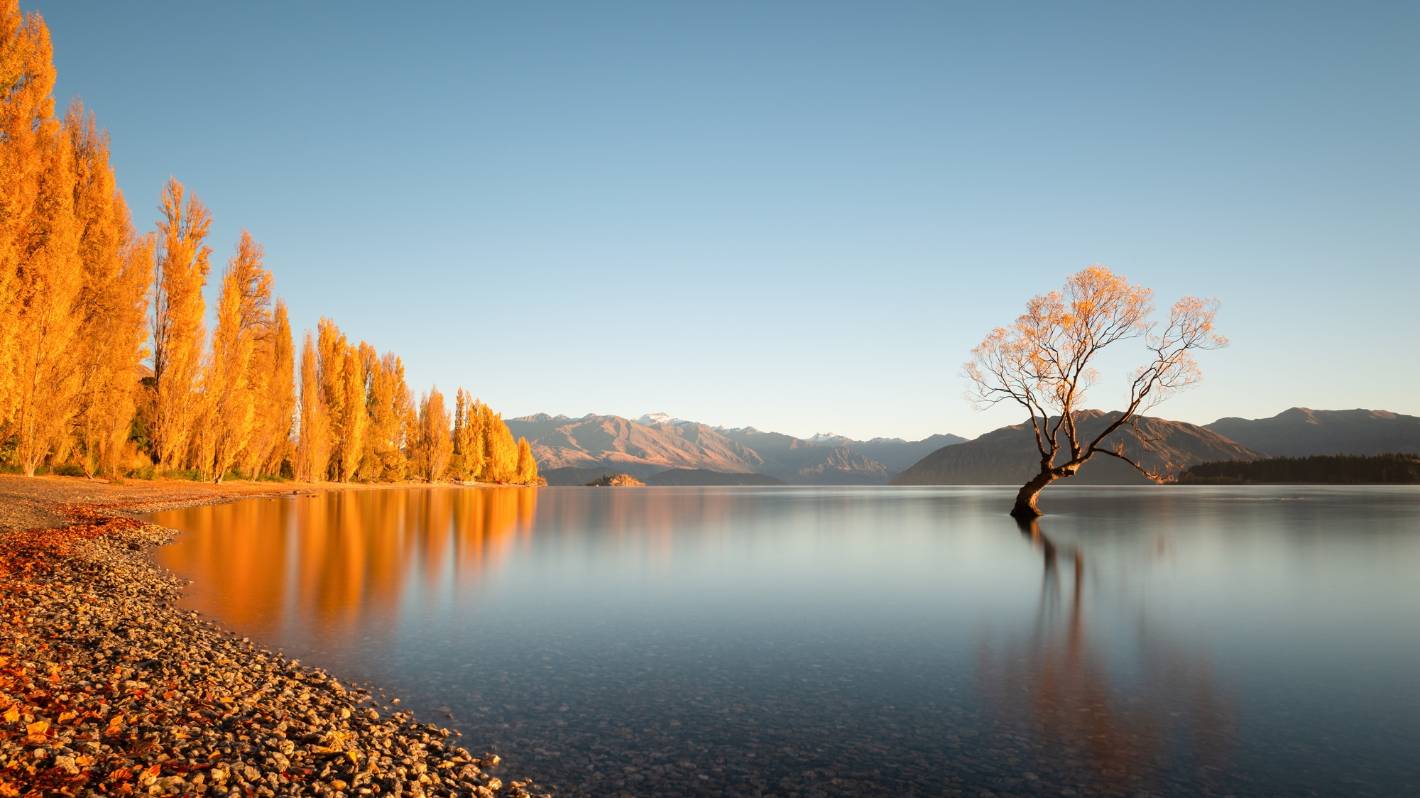
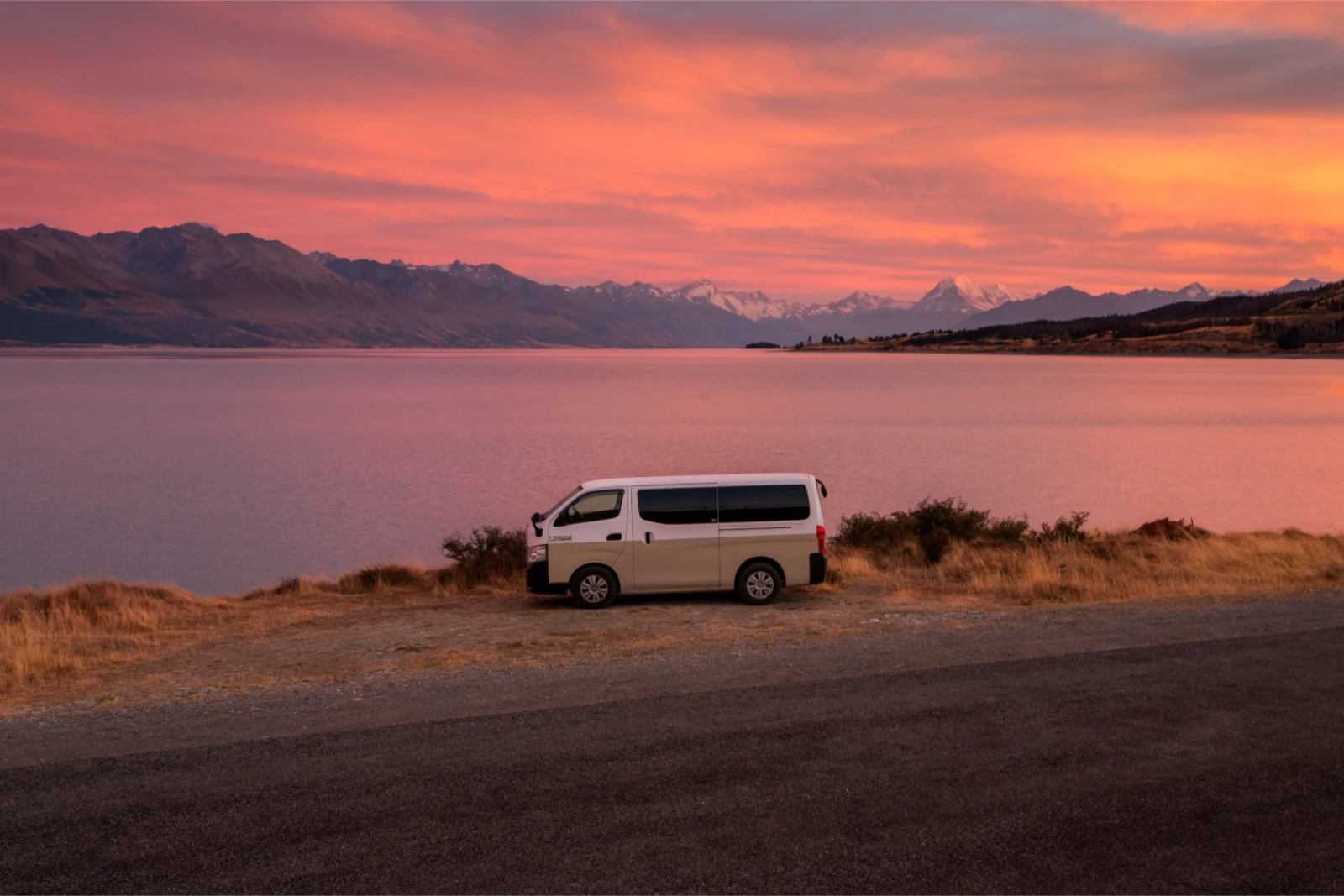
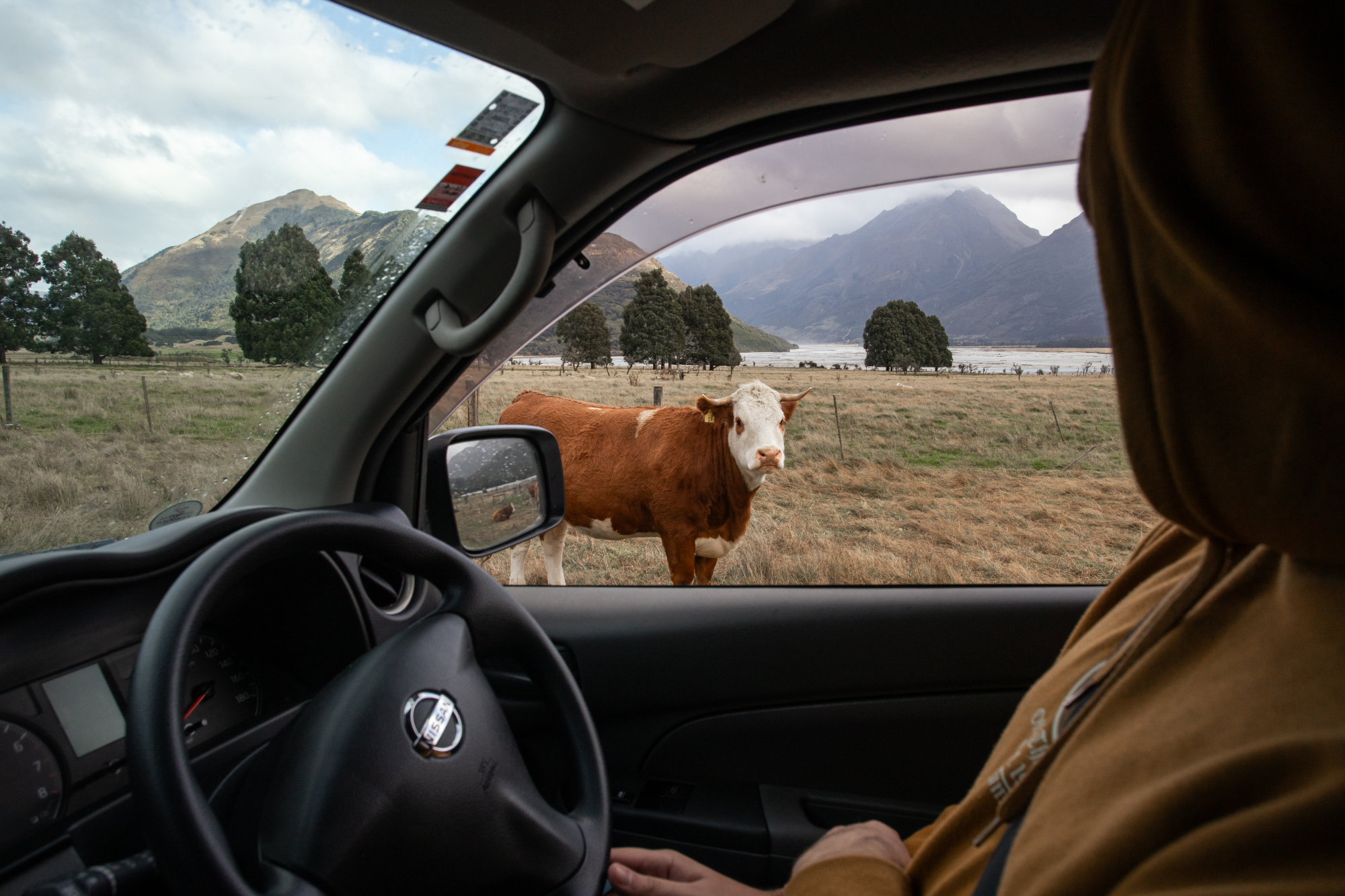
They're the ones where you stumble onto a beach at sunset or decide to stay an extra night because the weather's perfect.
Plan enough to feel prepared. Leave enough space to stay flexible.
We've done these trips ourselves - and we're happy to help you figure out what makes sense for yours. Find the right setup or get in touch with our BLC Team for personalised route recommendations.
|
A 2026 road trip through NZ starts with a simple question: What kind of campervan rental New Zealand trip do you want? That answer shapes everything. The van you choose. The pace you travel at. The places you stay longer. We talk to travellers every week who are figuring this out. Some have been planning for years. Others booked flights first and are now filling in the details. Either way, a bit of planning upfront makes the whole trip easier and more enjoyable. |
Figure Out How You Like to TravelBefore comparing vans or mapping routes, it helps to pause and think about what kind of trip you're after. PaceSome travellers want to cover as much ground as possible, waking up somewhere new every day. Others prefer finding a spot they love and staying put for a few nights. The first group needs a van that's easy to pack up and go. The second group cares more about comfort and living space. FoodIf you plan to cook most meals, you will want a decent kitchen and enough fridge space for groceries. If you prefer eating out or grabbing food on the go, you can keep things simpler. ComfortA basic bed and portable stove are more than enough for some people. Others want a proper shower, heating, and room to stand up inside. Both choices are okay, but knowing what you truly need makes choosing the right NZ campervan rental much easier. |
|
|
|
How Much Time Do You HaveThe biggest planning mistake is trying to fit too much into too few days. New Zealand may seem small on a map. However, the roads are winding, and the scenery is beautiful. You will definitely want to take a second look. Two weeks or less: Pick one region to explore. Rushing between islands in ten days means more driving than experiencing the sights and sounds. Three weeks: You can do one island thoroughly, or cover both at a comfortable pace using the ferry as a midpoint. Four weeks or more: Be attuned with the weather, and stay longer when a place feels right. Take detours without worrying too much about the time. Leave buffer days. Weather changes, roads take longer than expected, and local tips often lead to the best stops. The best trips leave room for that. |
Understand What You're Paying ForRenting campervans isn't all about the daily rate. The total cost includes fuel, where you stay each night, and how you plan to have your meals. The vanIt covers transport and accommodation in one hit. That's the trade-off that makes campervanning work financially. FuelThis adds up depending on distance and efficiency. Plan your route with this in mind, especially on the South Island, where towns can be far apart. Camping costsThis can range from free to $50+ per night. A self-contained van opens up freedom camping at designated spots, saving hundreds over a two-week trip. FoodMost of your budget may go here. A working kitchen means you can save money through supermarket runs instead of cafes. Most travellers find their preferred rhythm: cook breakfast and dinner, and treat themselves to a hearty lunch every few days. |
|
|
|
Get Your Campervan Rental New Zealand Paperwork Sorted EarlyCheck that your driver’s licence is valid in New Zealand.. Most overseas licences are valid in New Zealand for up to 12 months. If yours isn't in English, you'll need an official translation or an International Driving Permit. Sort this before you fly. Review your travel insurance and make sure it covers campervan travel, not just standard car rental. Be sure to read the fine print now before you leave. Book at the Right Time
|
Leave Room for Surprises
The best road trips are rarely the ones that stick perfectly to the plan.
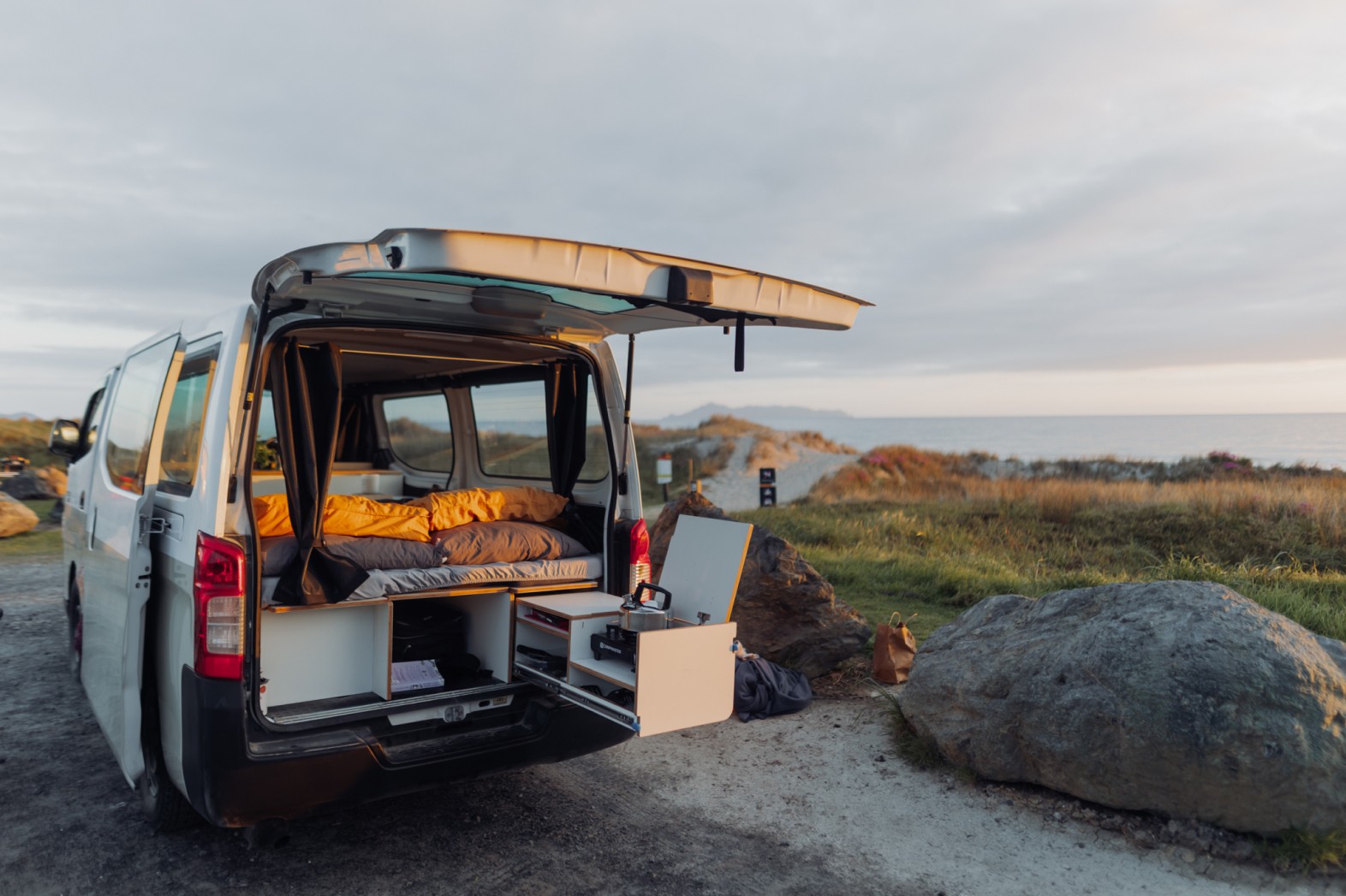
They're the ones where you stumble onto a beach at sunset or decide to stay an extra night because the weather's perfect.
Plan enough to feel prepared. Leave enough space to stay flexible.
We've done these trips ourselves - and we're happy to help you figure out what makes sense for yours. Find the right setup or get in touch with our BLC Team for personalised route recommendations.
Read more





.jpg)
.jpg)
.jpg)
.jpg)
.jpg)

.jpg)
.jpg)



.jpg)