Chat with a human
Let us help you pick the perfect camper for your once in a lifetime adventure
|
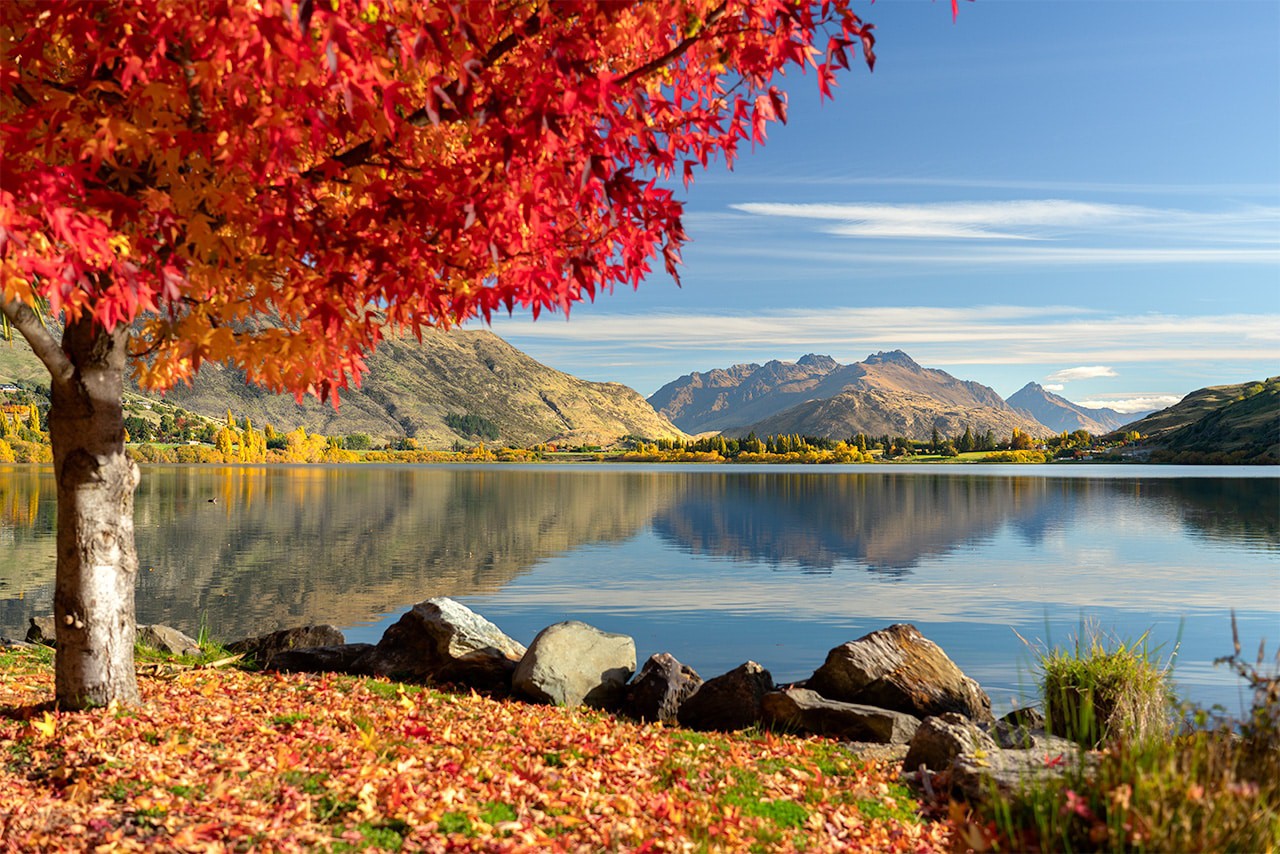
A self-contained campervan rental in New Zealand changes how your road trip works. Freedom camping rules have tightened over the past few years. The van you choose now directly affects where you can stay overnight. Without certification, your options are quite limited. We build and rent self-contained campervans because we travel in them ourselves. The difference between being certified and not having it shapes the entire trip. |
|
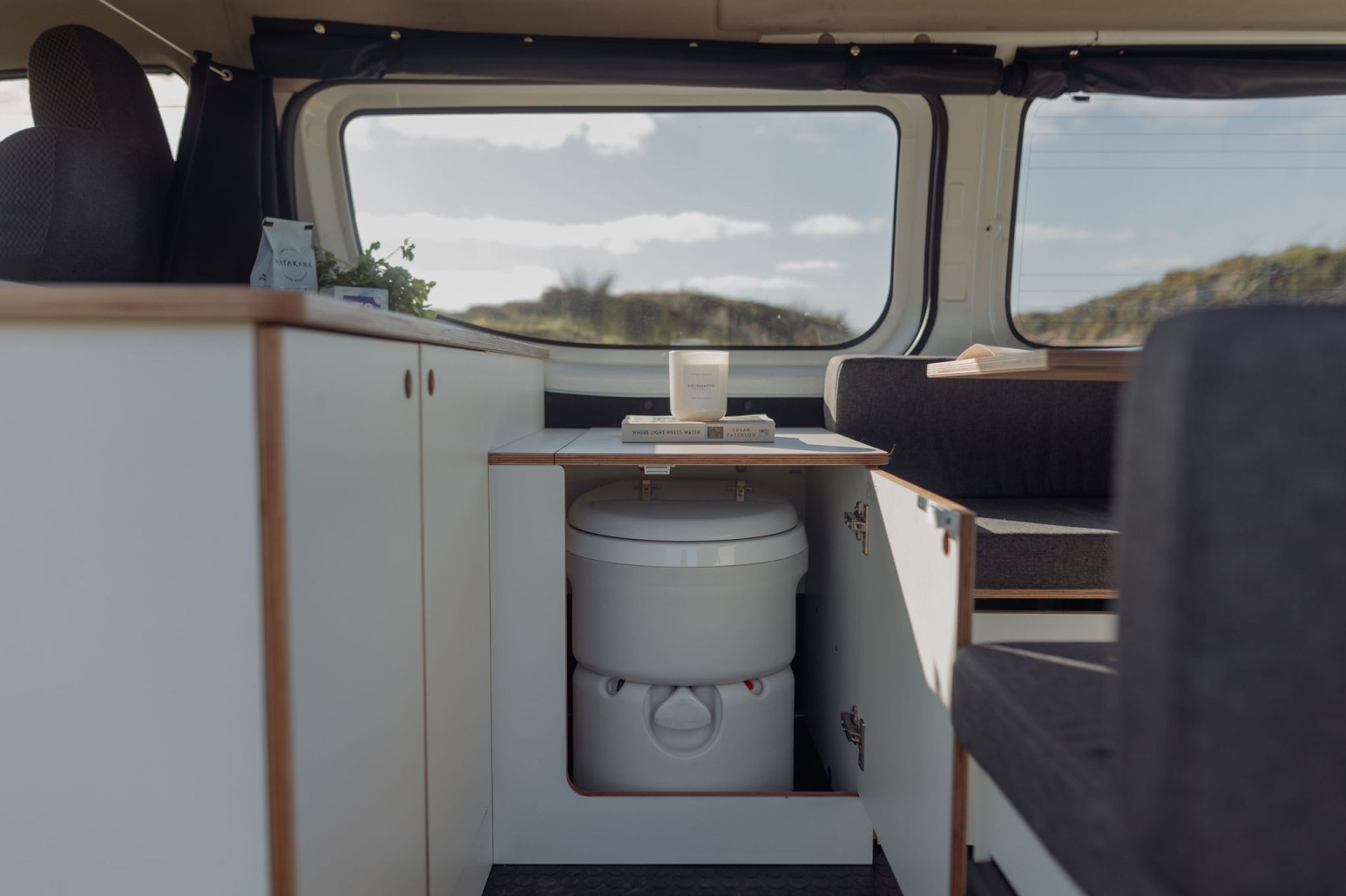
Self-Contained Campervan Rental in New Zealand: What the Rules Say NowThe Freedom Camping Act of 2011 set the original framework. The Self-contained Motor Vehicles Legislation Act of 2023 tightened it. The biggest change? portable toilets no longer count. To be certified, your campervan must have:
From December 2024, rental vehicles need the green warrant. Private vehicles have until June 2026 to comply. If you’re hiring a campervan, ask the operator to confirm it has a current green warrant. Don’t assume. Without it, you're limited to holiday parks and powered campsites. Those are fine, but at $40 to $60 a night, they add quickly, and you miss the spots that make campervanning here worth doing. |
What Self-Contained Means on the RoadA certified self-contained campervan can sustain you for at least three days without outside facilities. Here's what that includes and why each part matters.
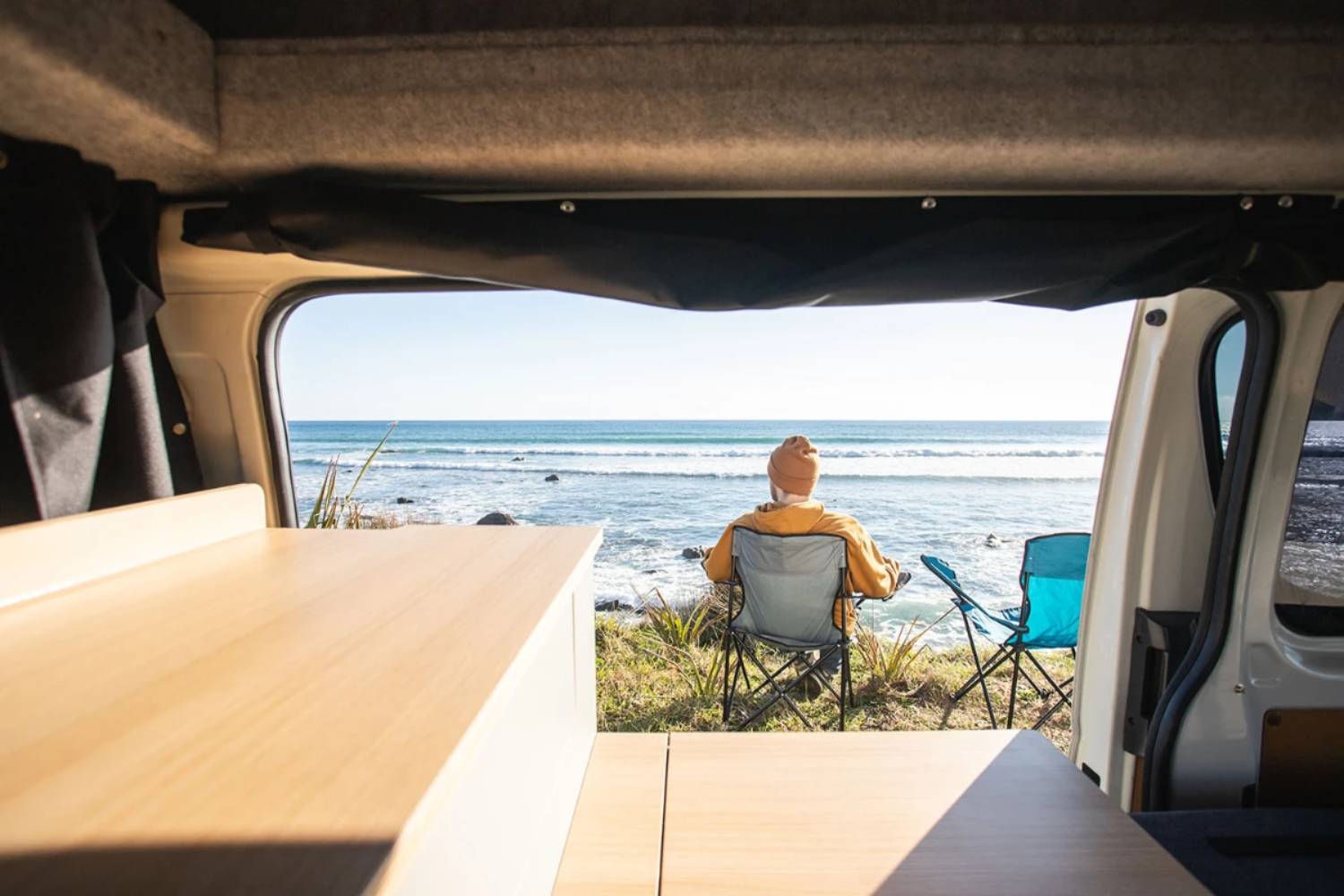
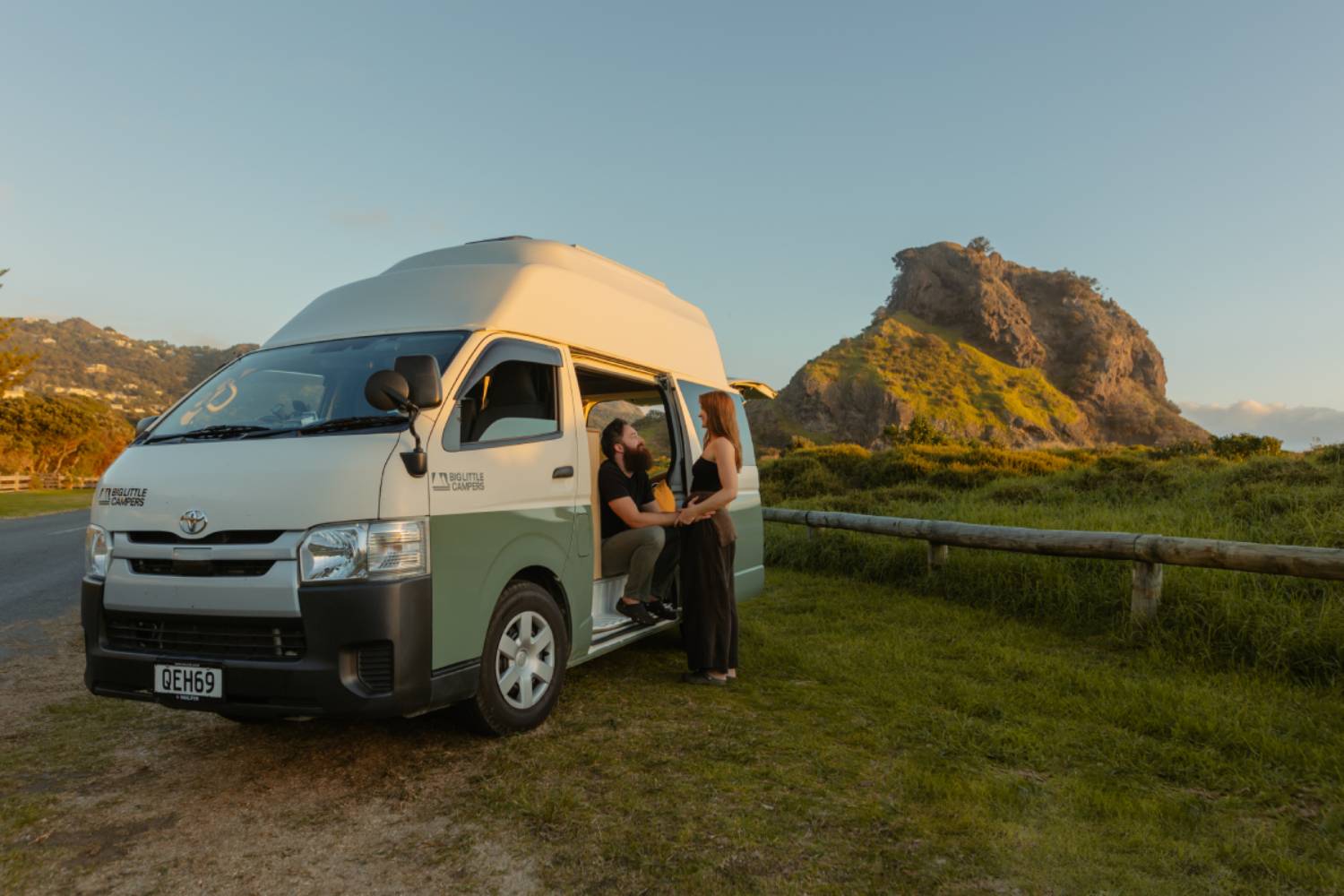
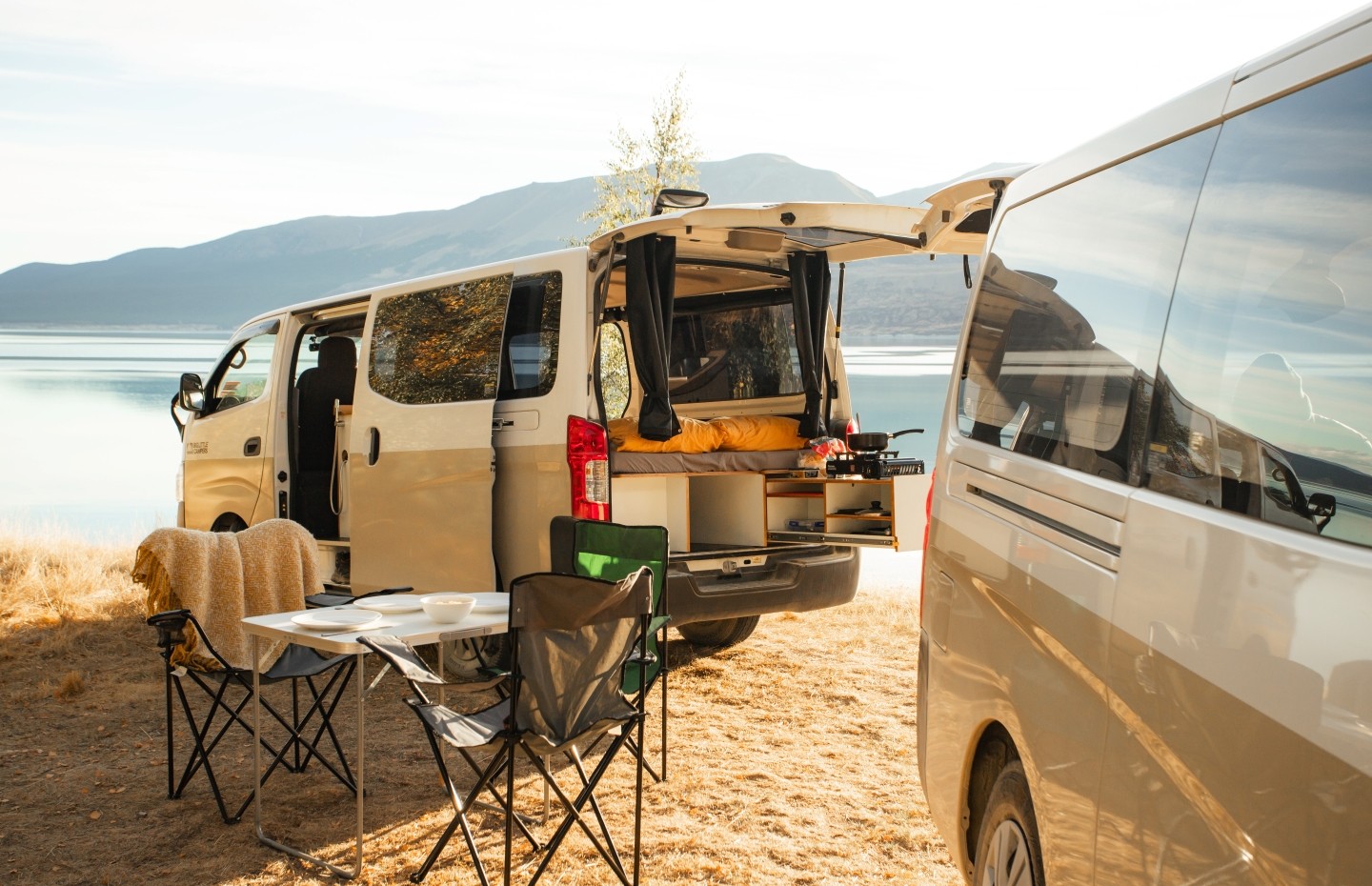
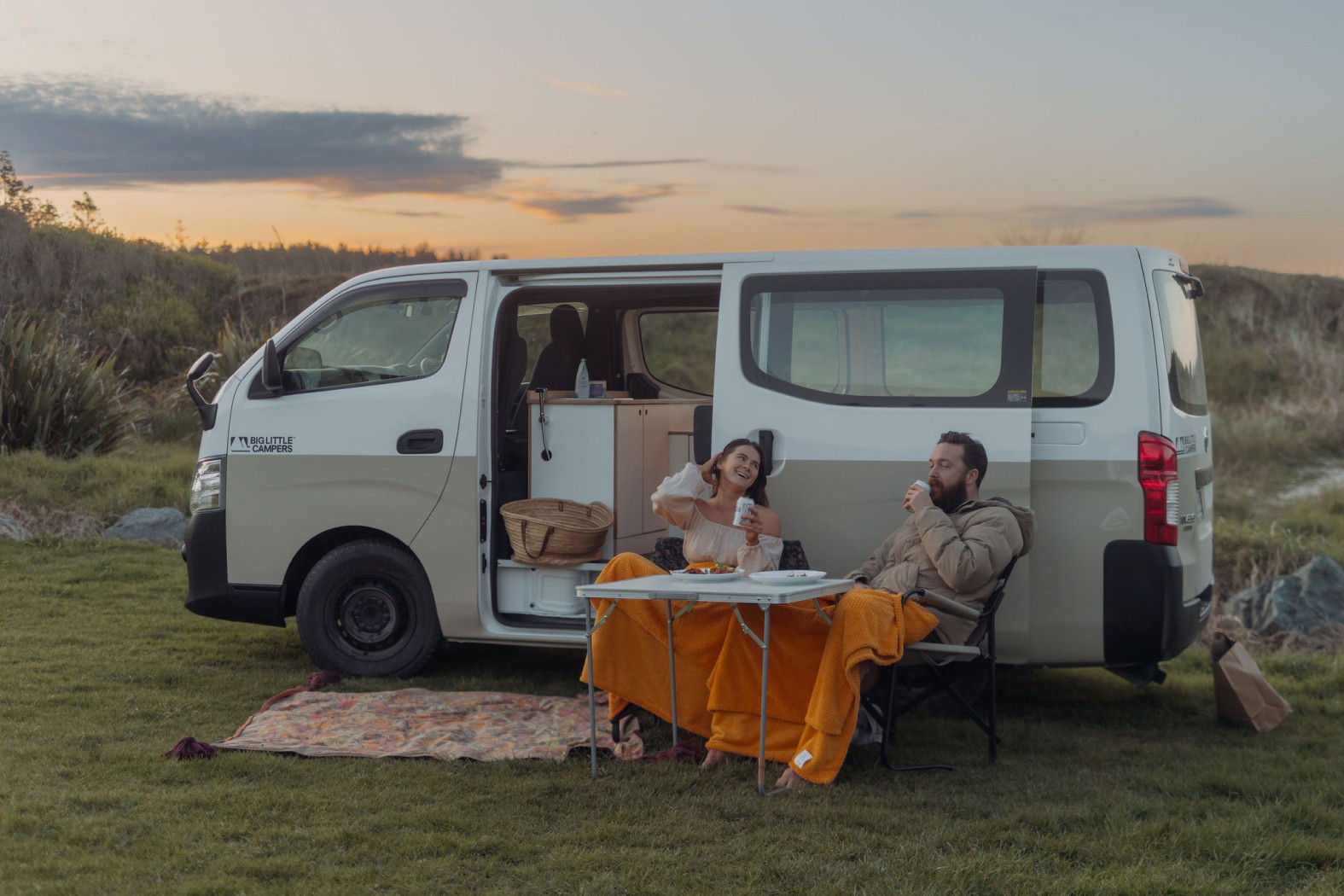
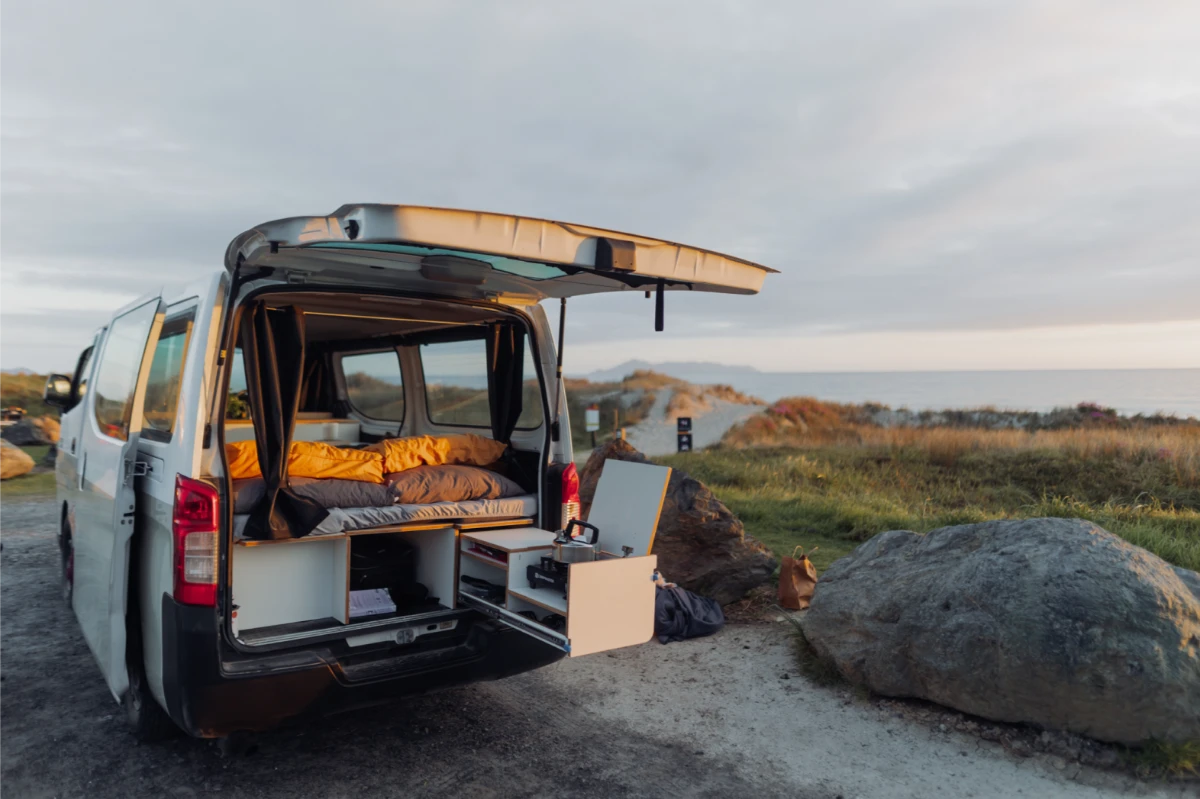
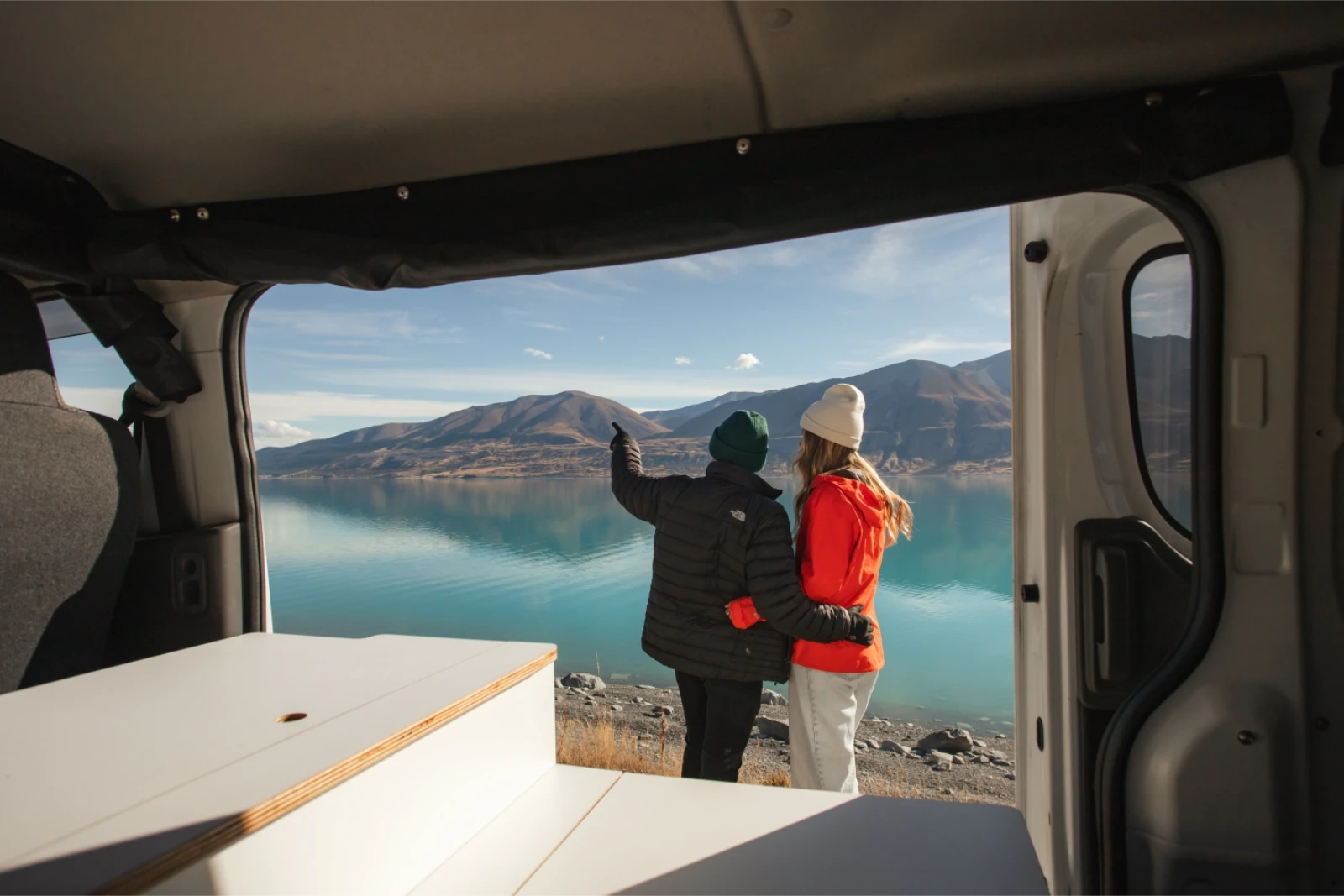
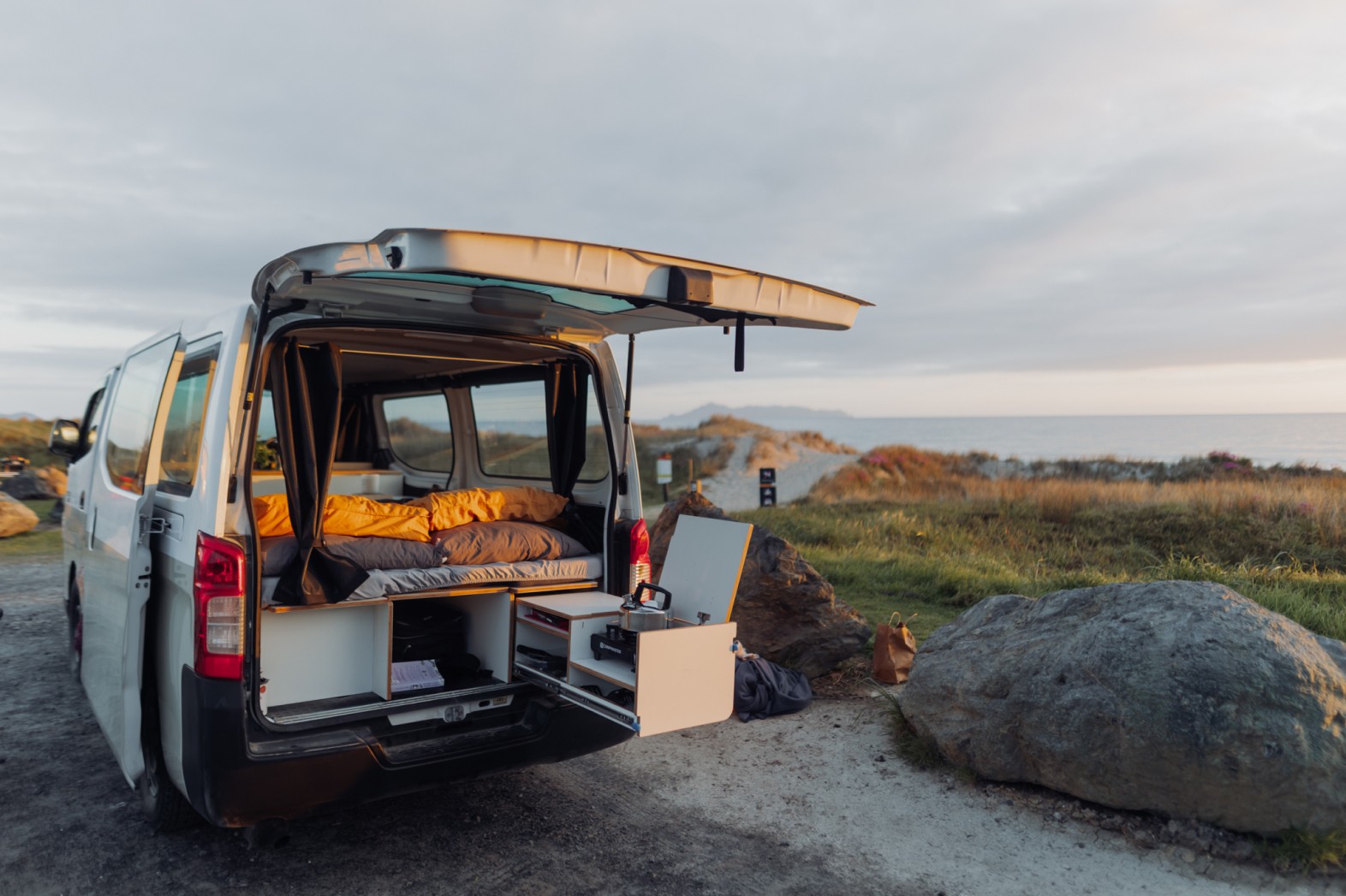
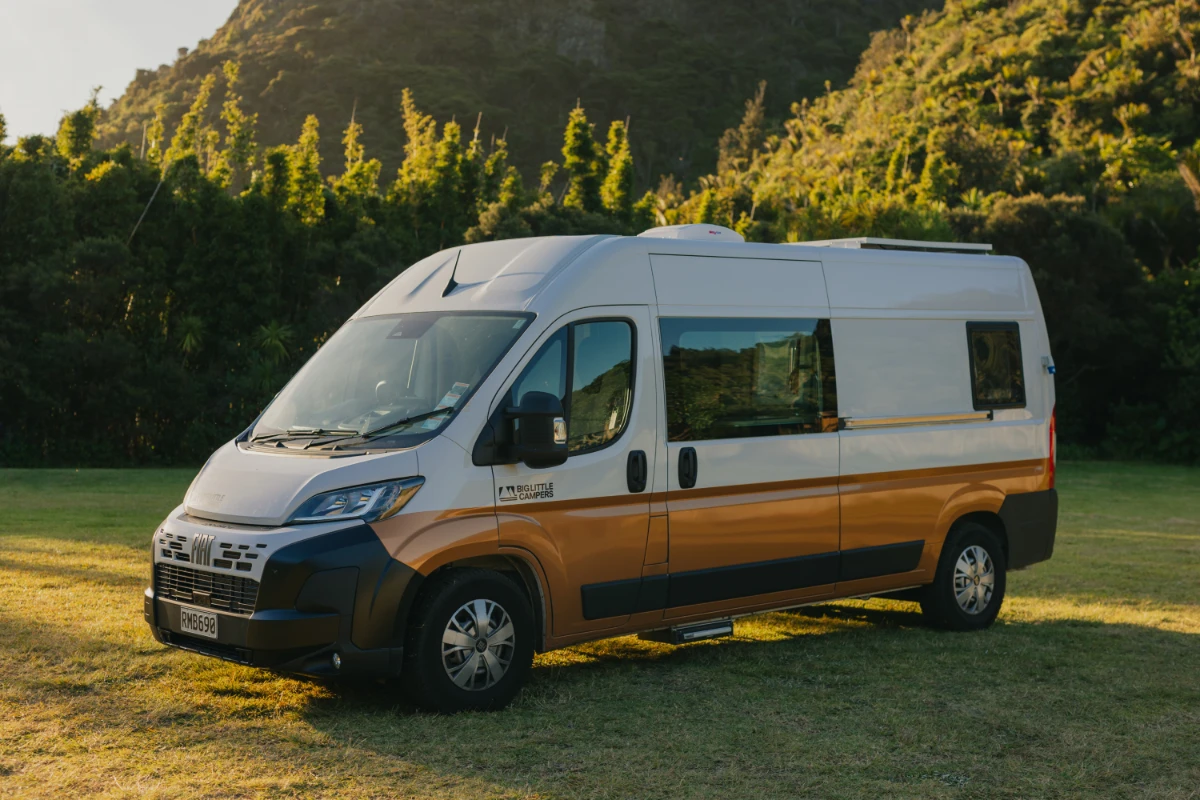
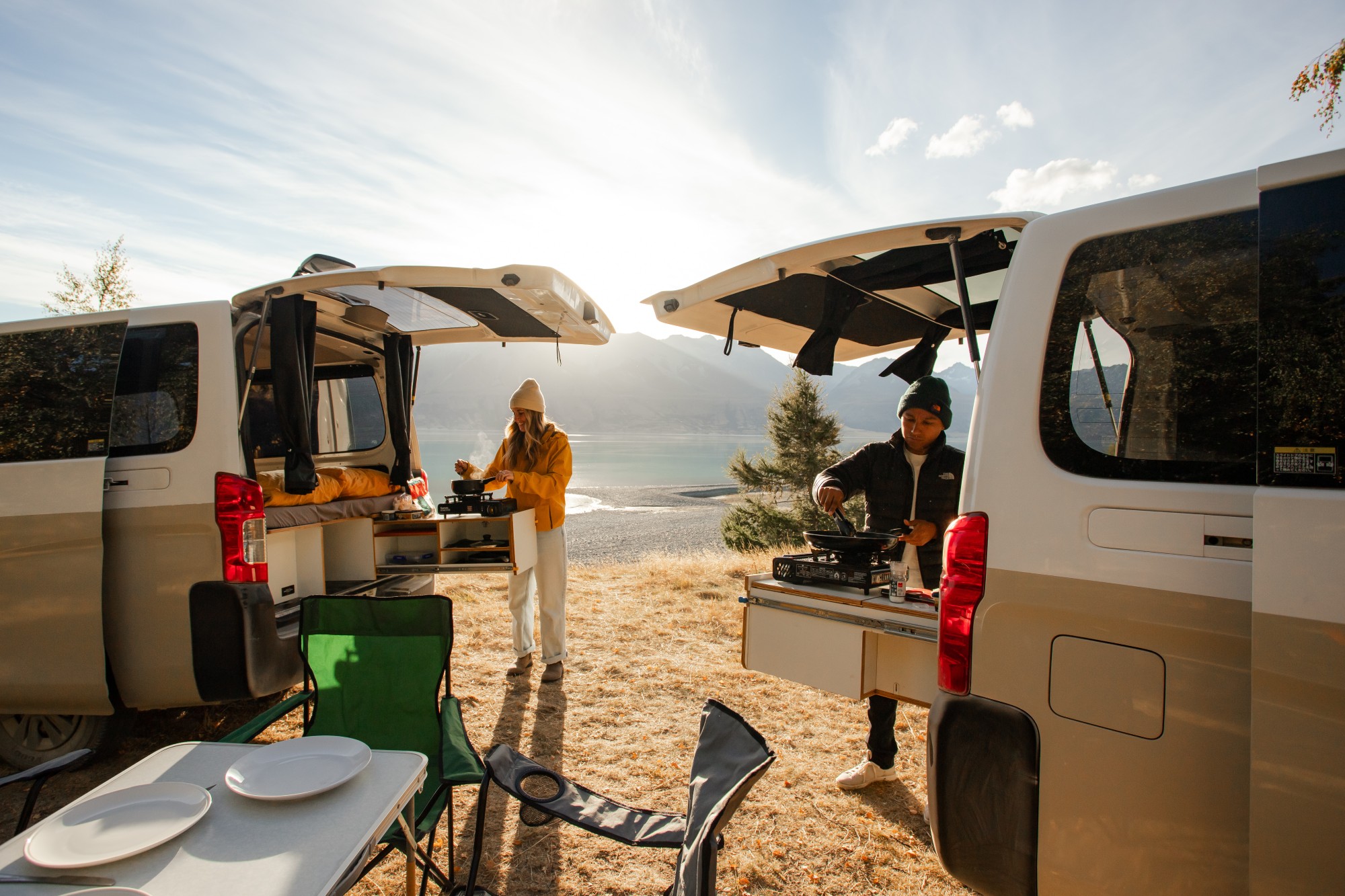
The result is real freedom. Park up at a beach, a lake, or a clearing in the bush and stay overnight legally. No booking. No fees. Just you and the view. At Big Little Campers, every van in our fleet meets the current certification standard. We designed them around the kind of trips we take ourselves. Self-contained campervans with proper insulation, diesel heating, and the setup to camp off-grid for days. |

|
.jpg)
|
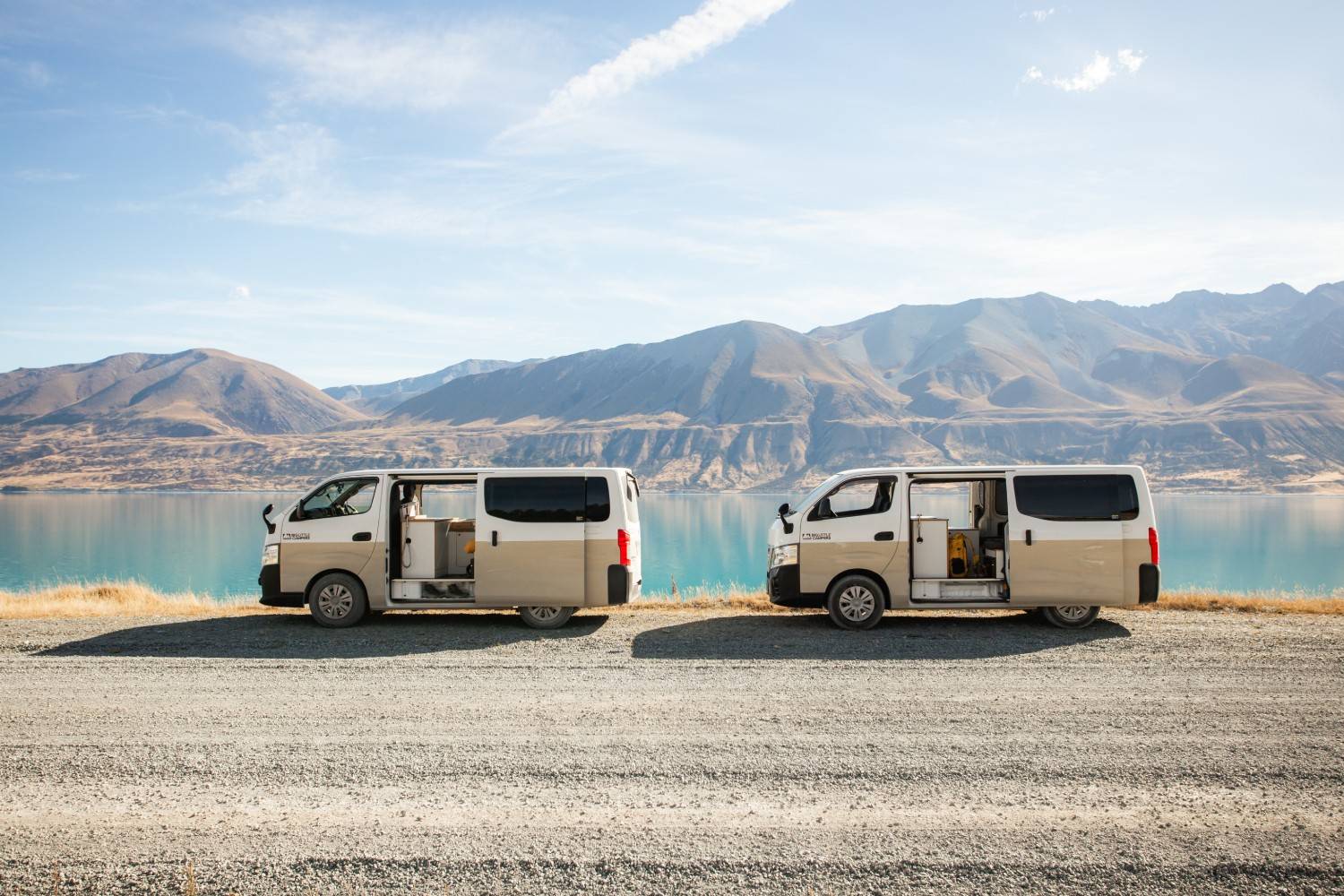
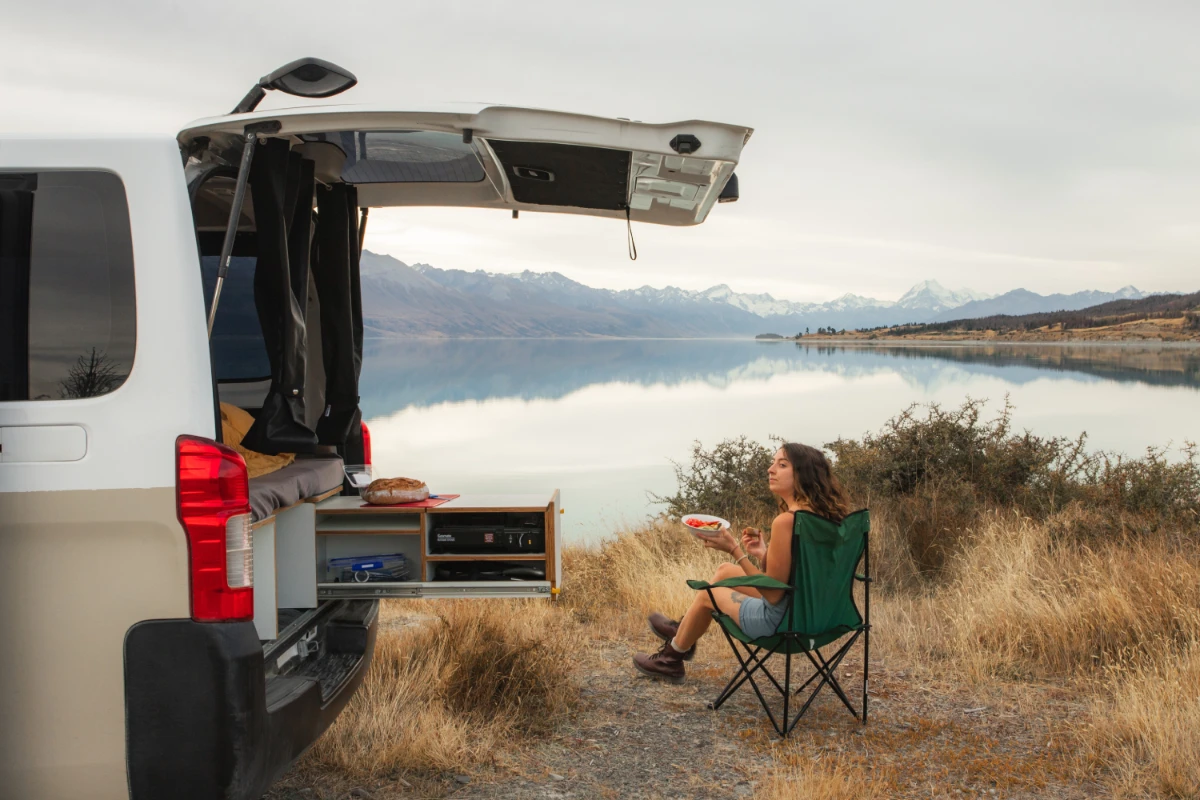
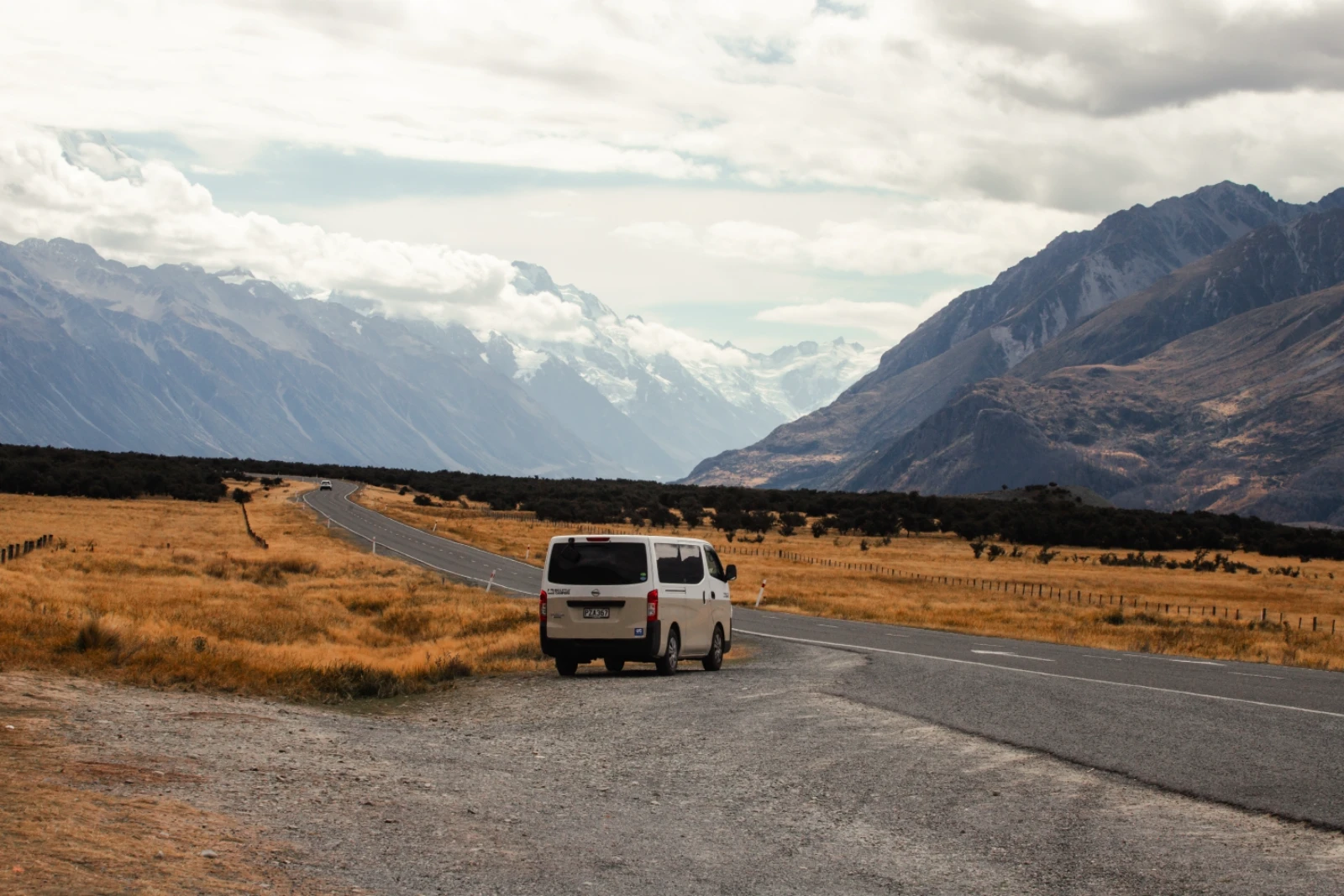
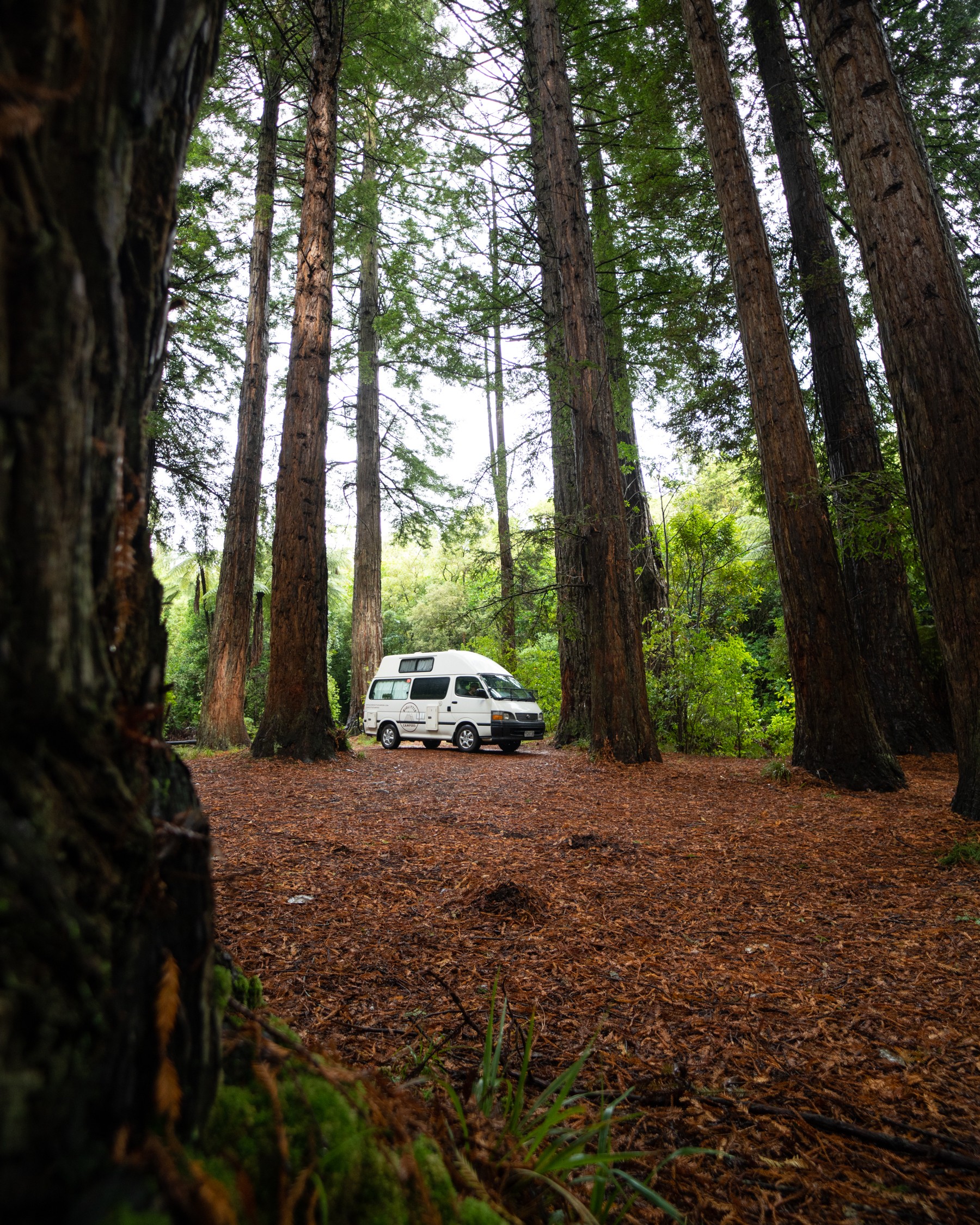
What Certified Campervans Open UpFreedom camping regulations vary by region. Some councils allow it broadly for certified vehicles. Others restrict it to specific sites. Without a self-contained campervan, most of those doors stay closed. The South Island has council-approved camping spots near lakes, rivers, and the coastline. Most are only accessible to certified vehicles. The North Island has fewer freedom camping spots overall, but they're still worth the detour. The Plumbers, Gasfitters, and Drainlayers Board (PGDB) oversees the green warrant certification system. The Department of Conservation, or DOC, manages a large portion of the land where freedom camping is permitted. National parks have their own rules, so check before you park up. The spots you remember most are the quiet ones. No crowd, no noise. Almost all of them require self-contained certification to access. Prohibited Areas and FinesNot every piece of public land is open for camping. Councils set prohibited areas, and they're clearly signposted. Urban areas, popular beaches during peak season, and certain conservation reserves are often off-limits. Fines for camping in restricted areas start at $400 and climb higher for waste-related offences. The NZ Self-Contained Vehicles Register lets you verify whether a vehicle is certified. Council websites list where freedom camping is allowed in each region. Self-containment isn't just about legal access. It protects the waterways and bush that make these spots worth visiting. That's why these rules exist, and it's why we take them seriously. |
Combining Freedom Camping with Paid SitesMost travellers don't freedom camp every night, and you don't need to. A good rhythm is a few nights off-grid, then a night at a holiday park to recharge, do laundry, and have a long shower. Staying in DOC campsites sits somewhere in between. The cost for basic facilities is usually around $8 to $15 a night. This mix keeps your costs down and your trip flexible. For a fuller picture of where you can sleep overnight in a campervan, we've covered the rules in detail. Holiday parks are convenient and social. Freedom camping is quieter and more independent. A certified van gives you both options. It Comes Down to FlexibilityA campervan rental in New Zealand without self-containment still gets you on the road. But it limits where you can stop and how freely you travel. With a certified van, you get real flexibility. Pull over when a spot looks right. Stay as long as the council allows. Wake up somewhere you chose on a whim. That’s the kind of travel we built Big Little Campers around. Well-set-up vans. Updated certification. The freedom to go where the road takes you. |
|
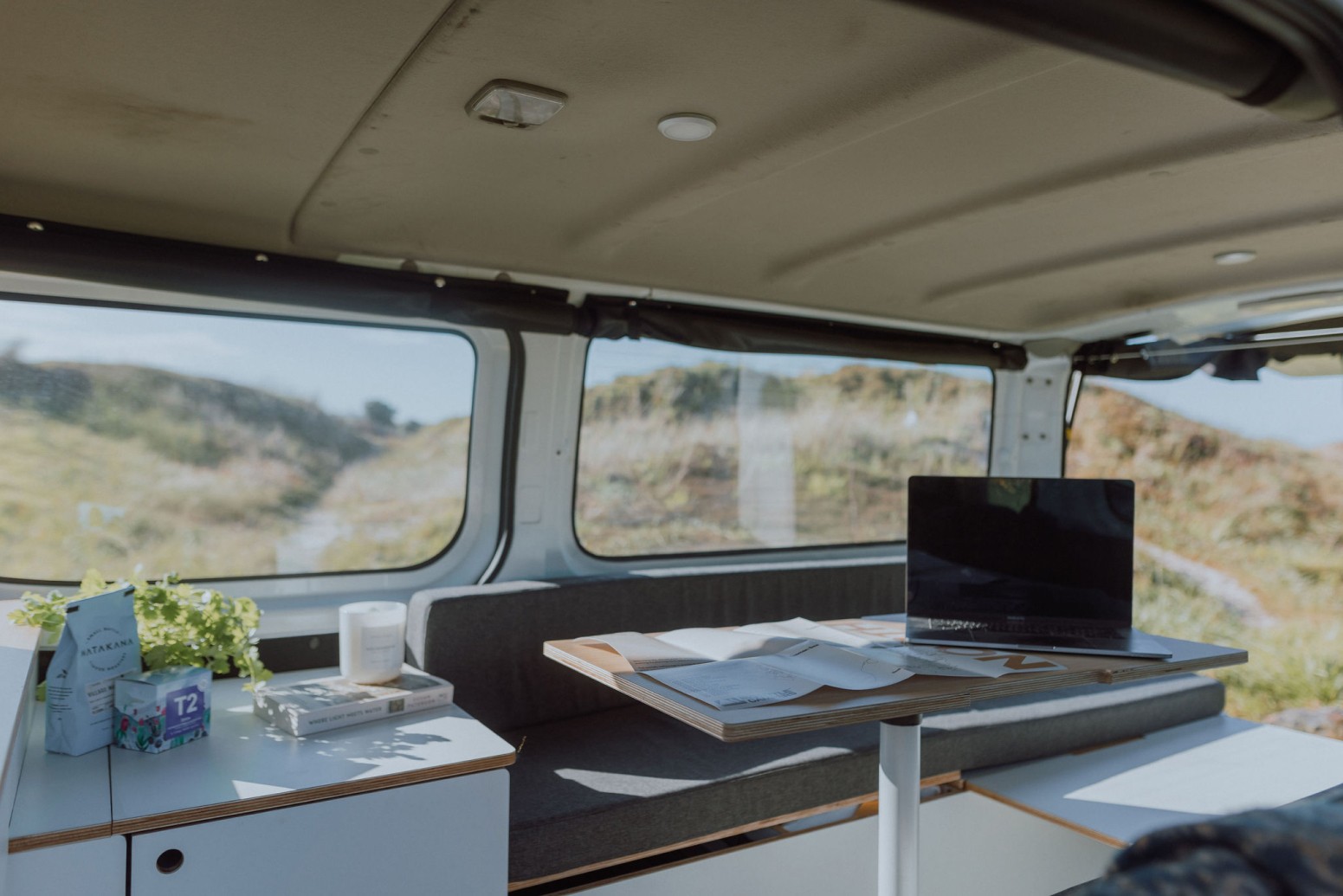
Go certified and protect New Zealand's natural beauty. Our certified self-contained campervans meet all requirements for responsible freedom camping. Get in touch with our BLC team to book your next awesome trip.
|
A self-contained campervan rental in New Zealand changes how your road trip works. Freedom camping rules have tightened over the past few years. The van you choose now directly affects where you can stay overnight. Without certification, your options are quite limited. We build and rent self-contained campervans because we travel in them ourselves. The difference between being certified and not having it shapes the entire trip. |
|
|
Self-Contained Campervan Rental in New Zealand: What the Rules Say NowThe Freedom Camping Act of 2011 set the original framework. The Self-contained Motor Vehicles Legislation Act of 2023 tightened it. The biggest change? portable toilets no longer count. To be certified, your campervan must have:
From December 2024, rental vehicles need the green warrant. Private vehicles have until June 2026 to comply. If you’re hiring a campervan, ask the operator to confirm it has a current green warrant. Don’t assume. Without it, you're limited to holiday parks and powered campsites. Those are fine, but at $40 to $60 a night, they add quickly, and you miss the spots that make campervanning here worth doing. |
What Self-Contained Means on the RoadA certified self-contained campervan can sustain you for at least three days without outside facilities. Here's what that includes and why each part matters.
The result is real freedom. Park up at a beach, a lake, or a clearing in the bush and stay overnight legally. No booking. No fees. Just you and the view. At Big Little Campers, every van in our fleet meets the current certification standard. We designed them around the kind of trips we take ourselves. Self-contained campervans with proper insulation, diesel heating, and the setup to camp off-grid for days. |
|
|
|
What Certified Campervans Open UpFreedom camping regulations vary by region. Some councils allow it broadly for certified vehicles. Others restrict it to specific sites. Without a self-contained campervan, most of those doors stay closed. The South Island has council-approved camping spots near lakes, rivers, and the coastline. Most are only accessible to certified vehicles. The North Island has fewer freedom camping spots overall, but they're still worth the detour. The Plumbers, Gasfitters, and Drainlayers Board (PGDB) oversees the green warrant certification system. The Department of Conservation, or DOC, manages a large portion of the land where freedom camping is permitted. National parks have their own rules, so check before you park up. The spots you remember most are the quiet ones. No crowd, no noise. Almost all of them require self-contained certification to access. Prohibited Areas and FinesNot every piece of public land is open for camping. Councils set prohibited areas, and they're clearly signposted. Urban areas, popular beaches during peak season, and certain conservation reserves are often off-limits. Fines for camping in restricted areas start at $400 and climb higher for waste-related offences. The NZ Self-Contained Vehicles Register lets you verify whether a vehicle is certified. Council websites list where freedom camping is allowed in each region. Self-containment isn't just about legal access. It protects the waterways and bush that make these spots worth visiting. That's why these rules exist, and it's why we take them seriously. |
Combining Freedom Camping with Paid SitesMost travellers don't freedom camp every night, and you don't need to. A good rhythm is a few nights off-grid, then a night at a holiday park to recharge, do laundry, and have a long shower. Staying in DOC campsites sits somewhere in between. The cost for basic facilities is usually around $8 to $15 a night. This mix keeps your costs down and your trip flexible. For a fuller picture of where you can sleep overnight in a campervan, we've covered the rules in detail. Holiday parks are convenient and social. Freedom camping is quieter and more independent. A certified van gives you both options. It Comes Down to FlexibilityA campervan rental in New Zealand without self-containment still gets you on the road. But it limits where you can stop and how freely you travel. With a certified van, you get real flexibility. Pull over when a spot looks right. Stay as long as the council allows. Wake up somewhere you chose on a whim. That’s the kind of travel we built Big Little Campers around. Well-set-up vans. Updated certification. The freedom to go where the road takes you. |
|
Go certified and protect New Zealand's natural beauty. Our certified self-contained campervans meet all requirements for responsible freedom camping. Get in touch with our BLC team to book your next awesome trip.
Read more







.jpg)
.jpg)
.jpg)
.jpg)
.jpg)

.jpg)
.jpg)



.jpg)