Chat with a human
Let us help you pick the perfect camper for your once in a lifetime adventure
|
Auckland Airport is where most New Zealand road trips begin — it's the easiest place to grab a van, shake off the jet lag, and roll straight into your holiday. But if it's your first time, the start can feel like the fuzzy part: where's the depot, how do you get there, and what actually happens when you collect the van? Here's exactly what day one looks like, from clearing customs to driving off. If you're ready to book, you can see live pricing, the fleet, and availability on our campervan hire at Auckland Airport page — this guide is about what to expect once you've booked. |
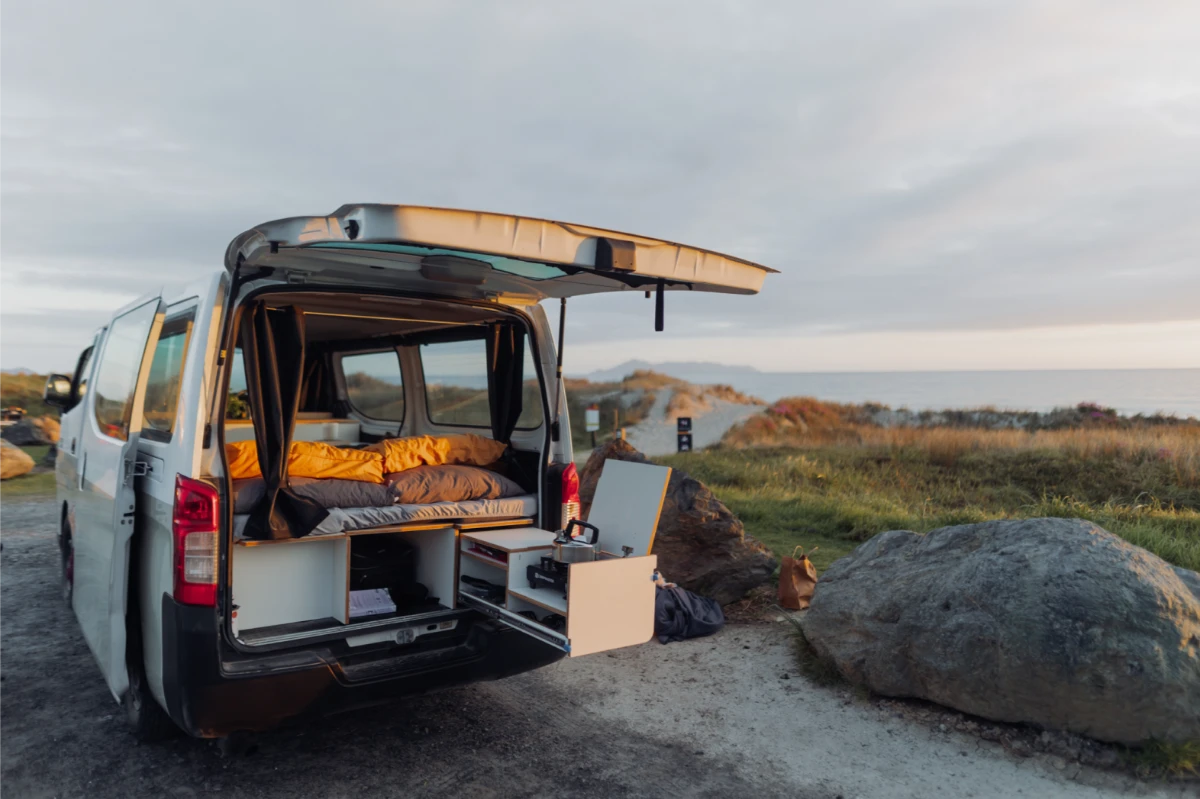
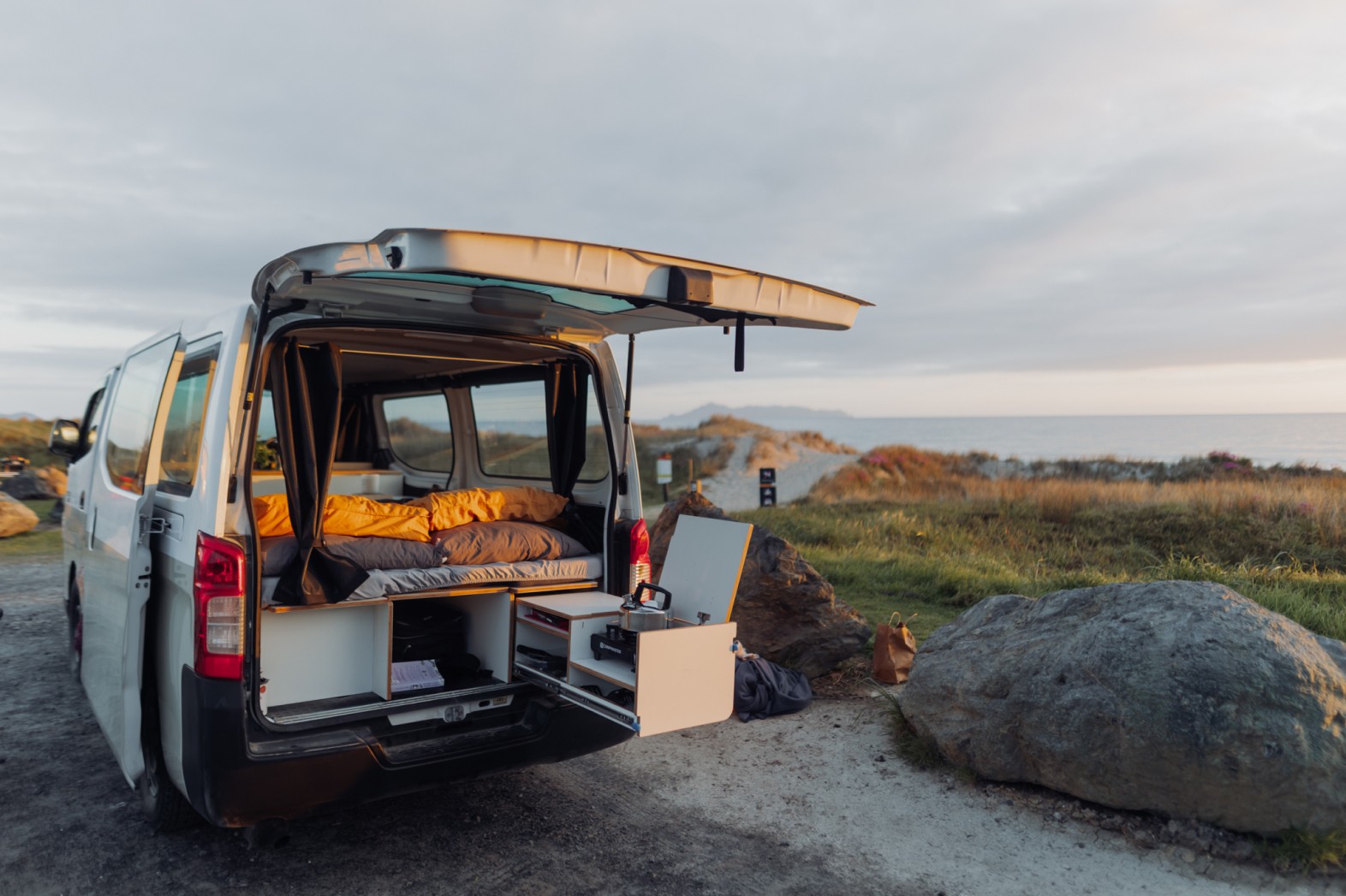
How Campervan Transfers WorkMost campervan depots aren’t inside the airport. They’re in Māngere, just a few minutes down the road. Once you land, you’ll need a quick transfer to get there. With Big Little Campers, you just tell us when you’re arriving. We line up the transfer around your flight, so you’re not wandering around trying to guess which shuttle is yours. After you’ve cleared customs and grabbed your bags, it’s a short walk to the transport hub where off-site transfers pick up. From there, it’s a couple of minutes to the depot. Easy. No waiting around, no confusion. What Pick Up Looks LikePlan for around 30 to 45 minutes at pick up. That gives us time to walk you through the van properly, cover the kitchen setup, water system, power, and everything else you’ll use on the road. If it’s your first campervan trip, don’t stress. We won’t hand over the keys until you feel confident and comfortable. A quick tip: do your grocery shop after pick up. It’s way easier to stock the fridge once you’ve seen how much space you’ve got. There are supermarkets close by, so you can grab everything before hitting the motorway. |
|
|
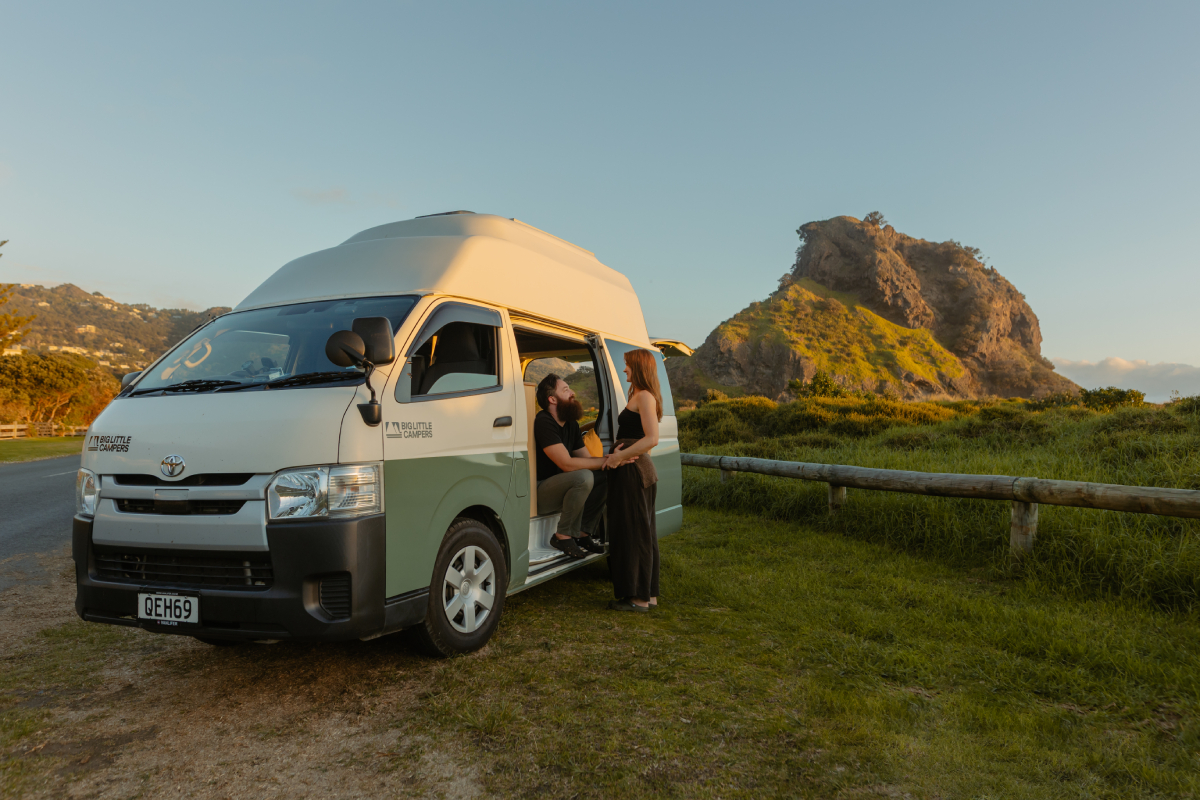
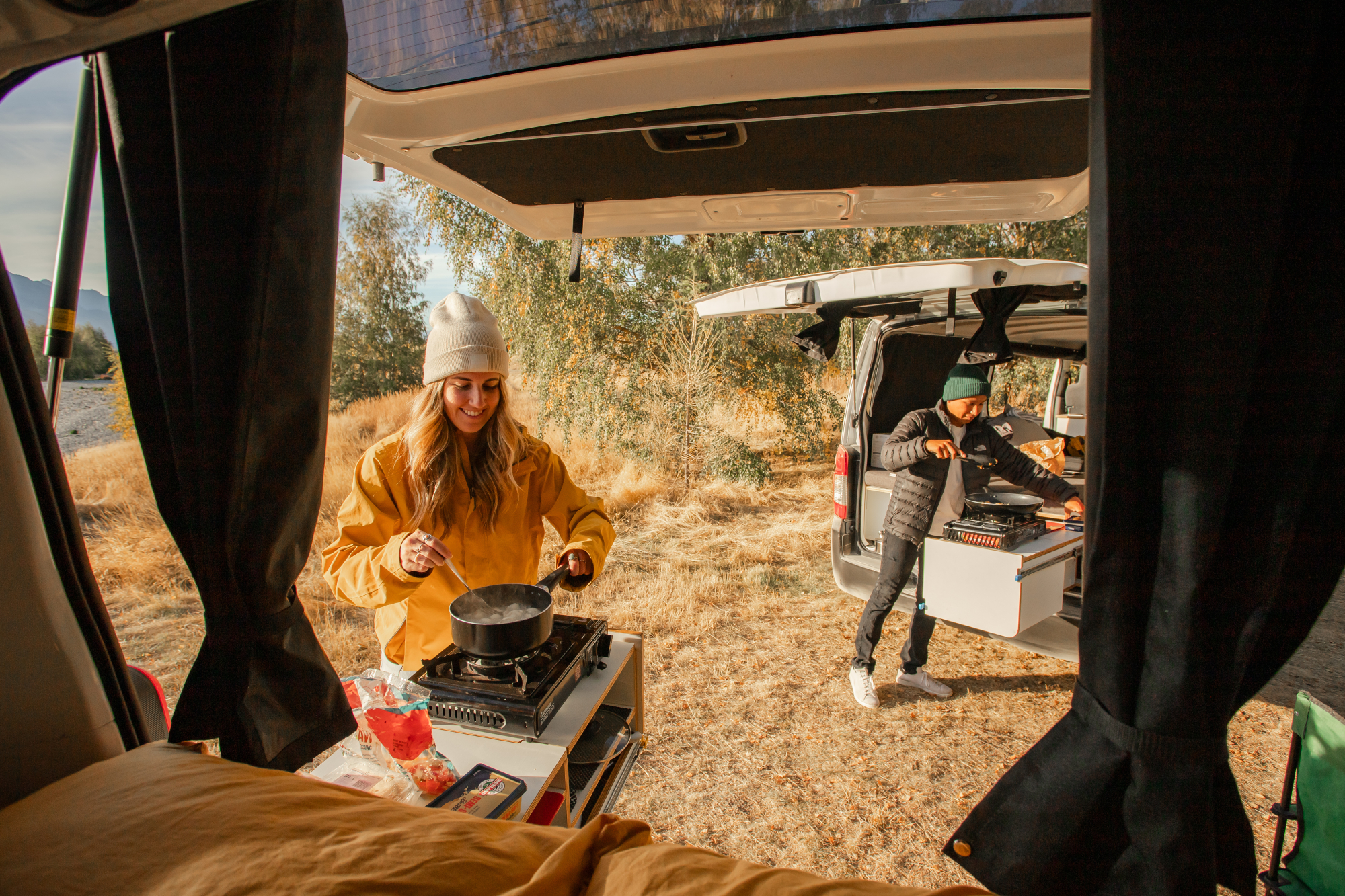
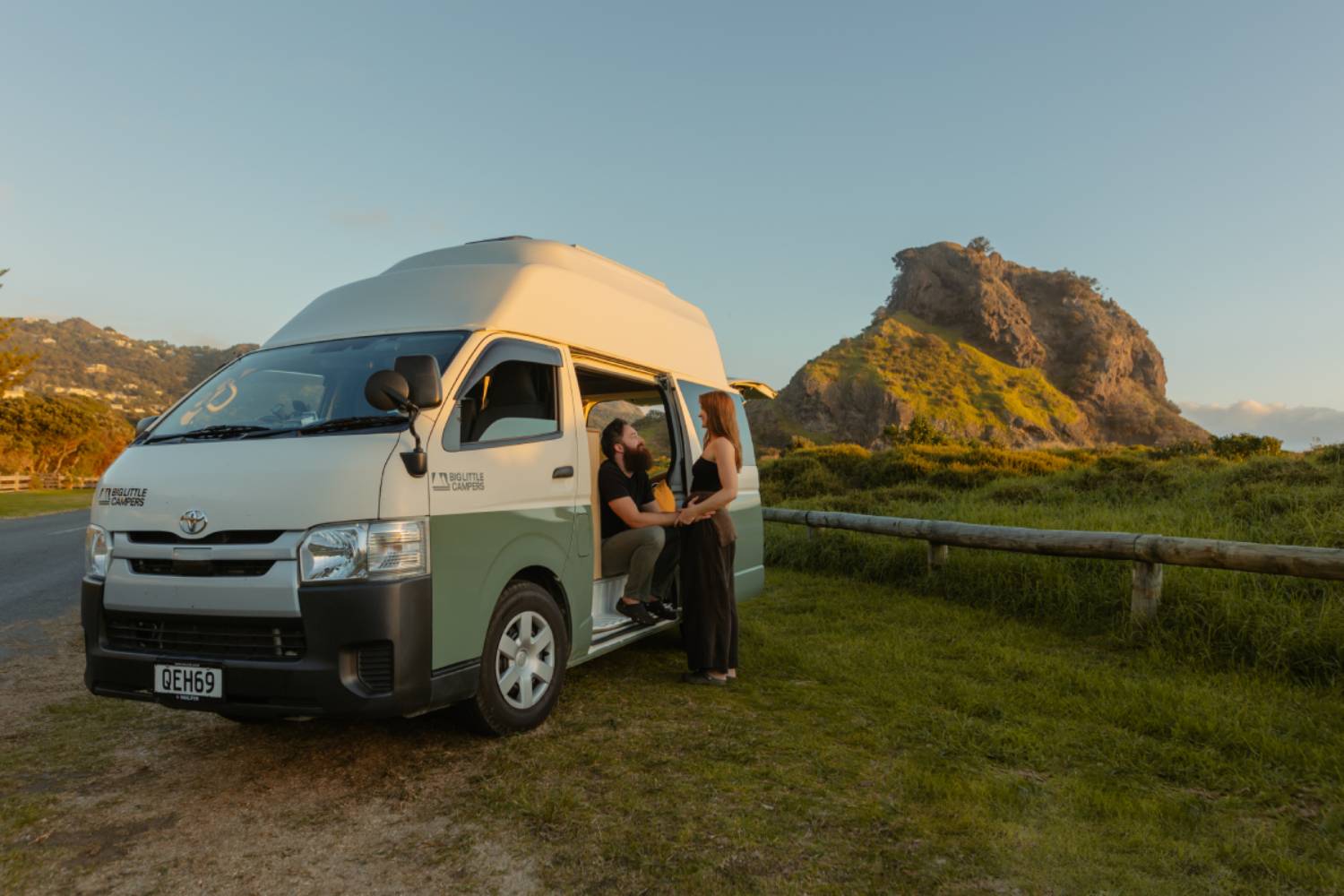
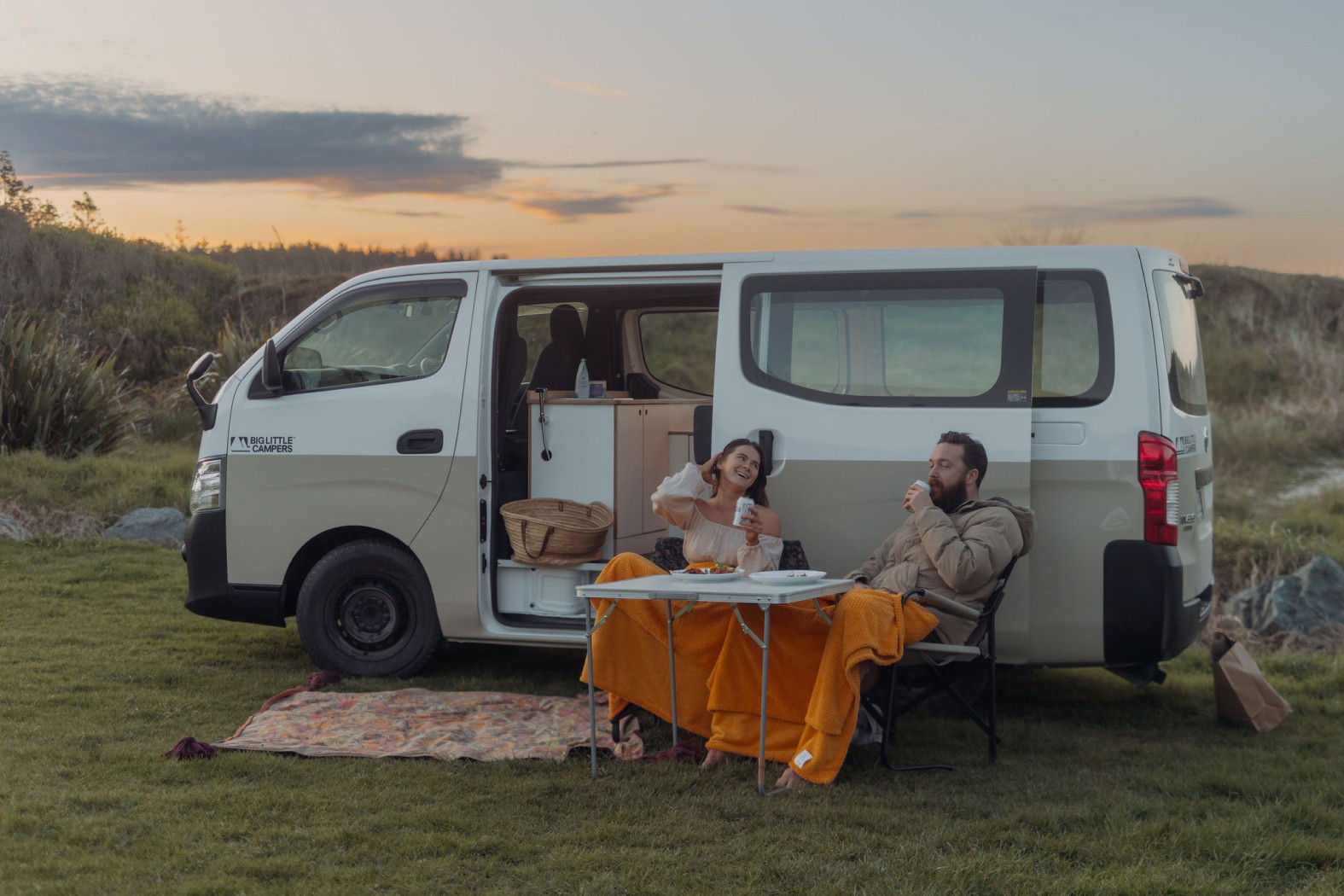
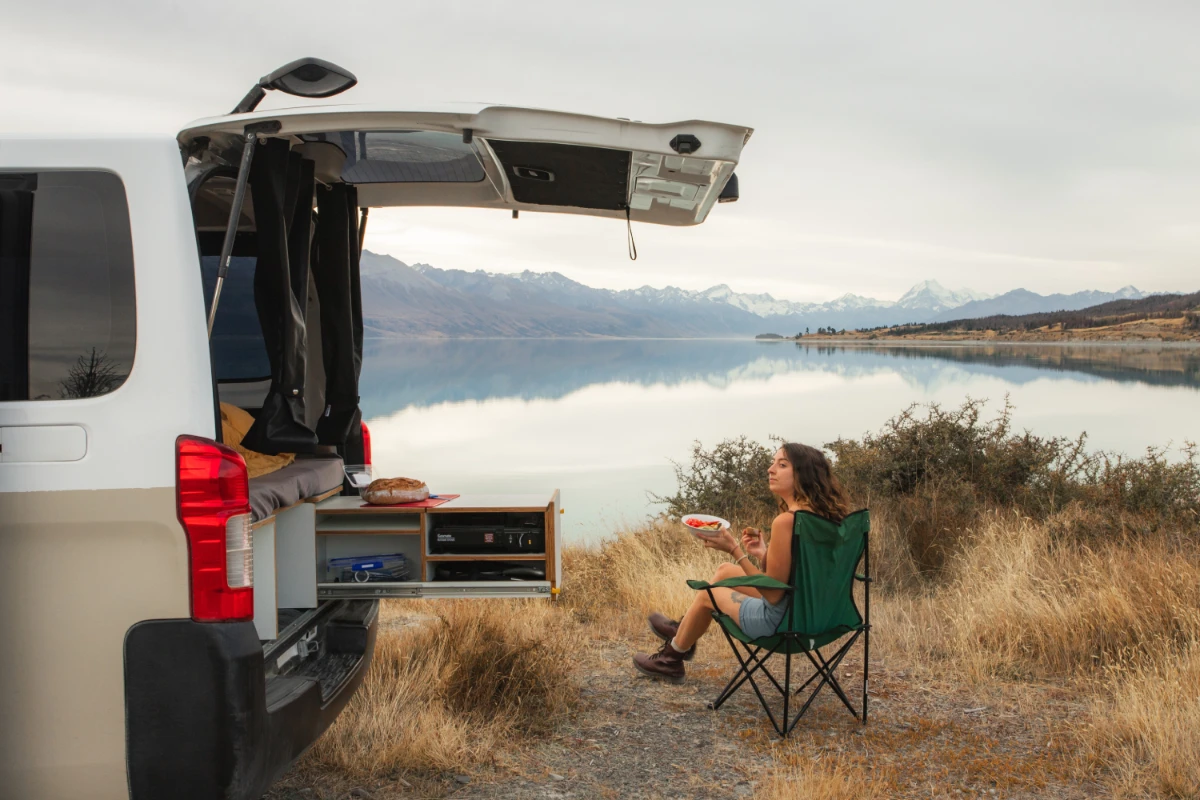
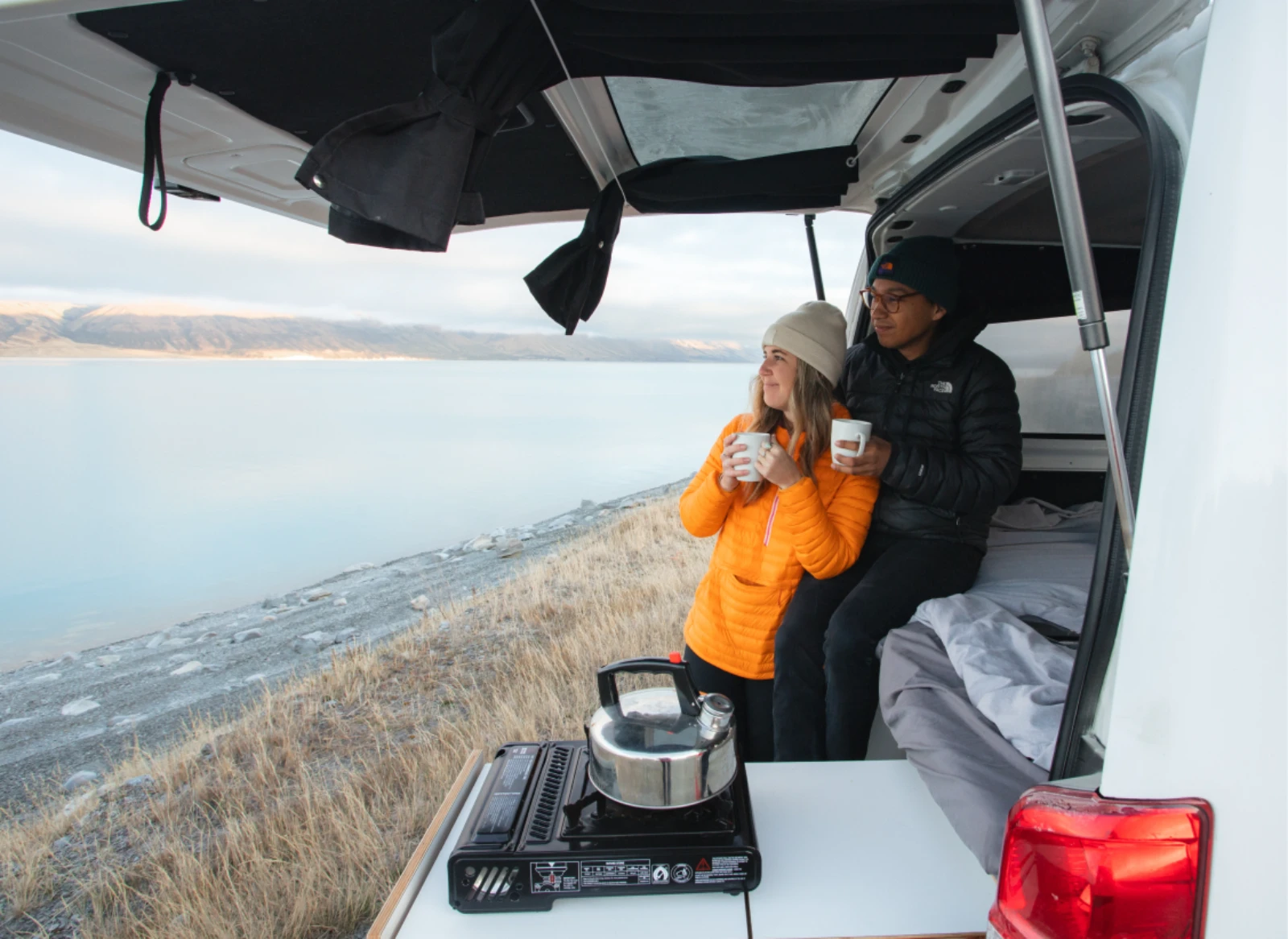
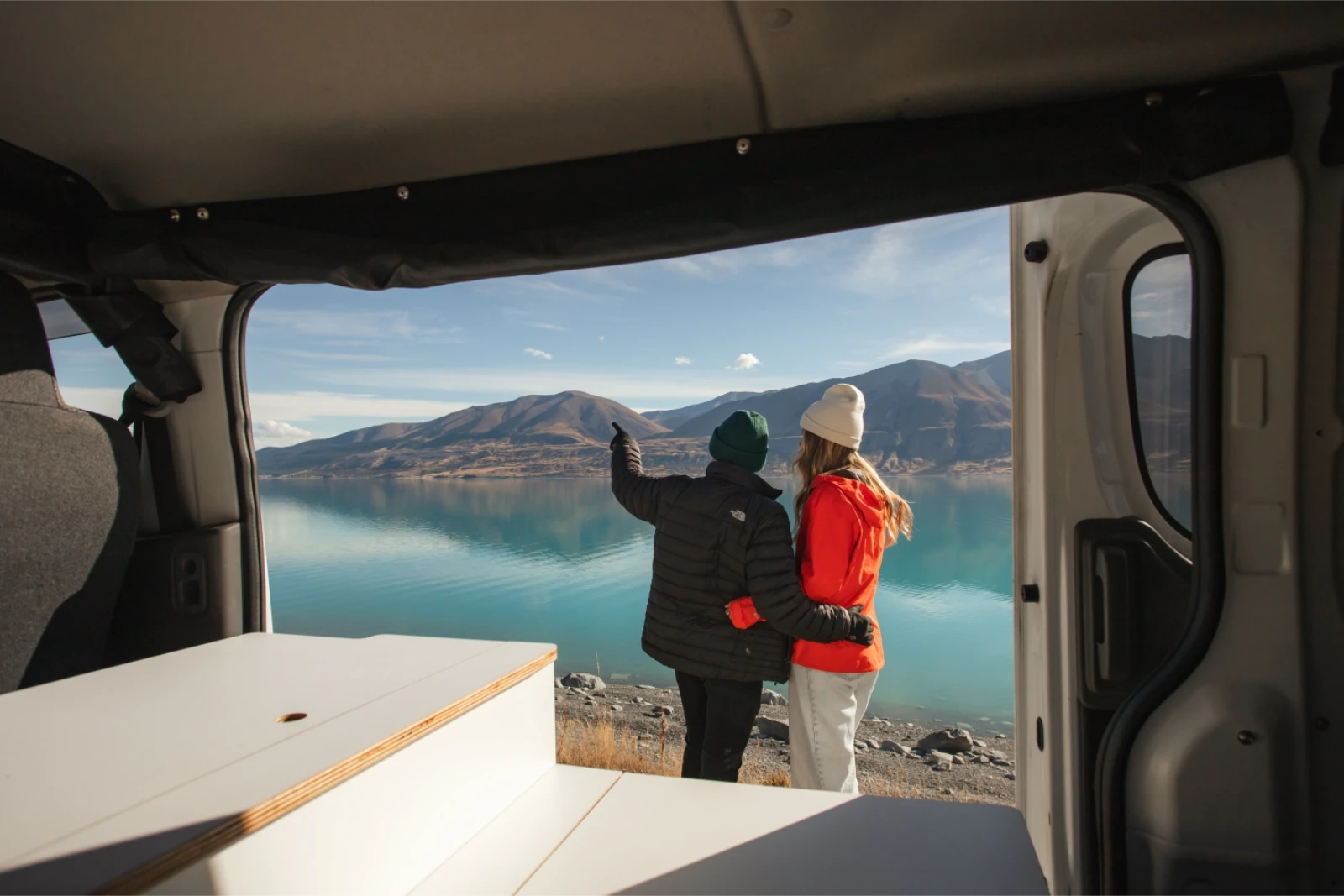
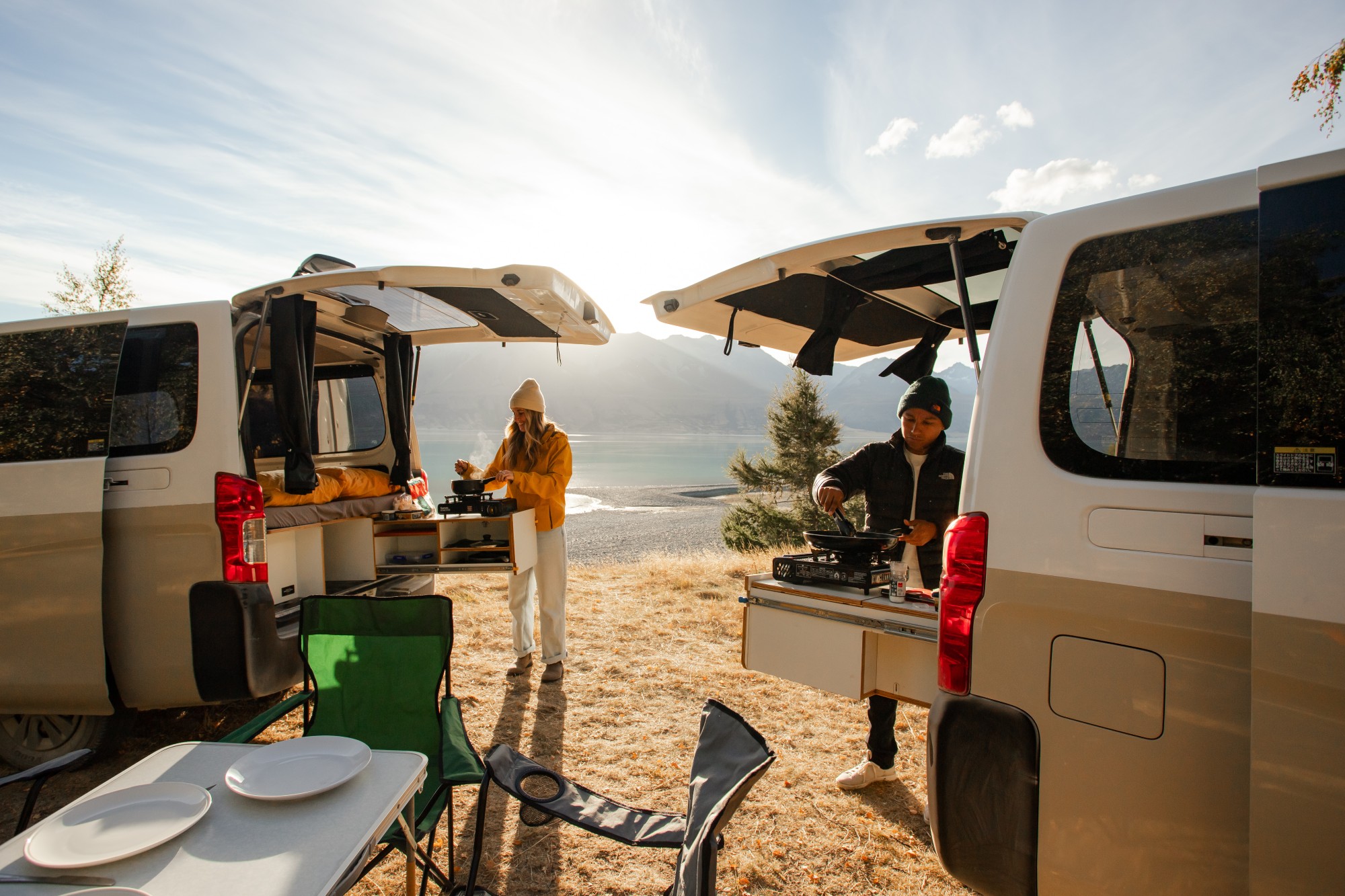
Why Self-Contained MattersIf you want real freedom on your trip, self-contained certification is non-negotiable. It lets you stay at the best DOC campsites and council-approved freedom camping spots. Think lakes, beaches, forest edges, and quiet little corners most people never get to stay in. Without that certification, you’ll mostly rely on holiday parks, which cost more and give you less flexibility. Every BLC van is fully self-contained because that’s how we travel ourselves. If you want a deeper look at freedom camping rules, we’ve got a guide that covers the essentials. What will it cost? Pricing moves with the season, the van, and how long you're away. Rather than quote rough figures here, we keep live rates and what's included on the Auckland campervan hire page — check there for current pricing before you book. |
|
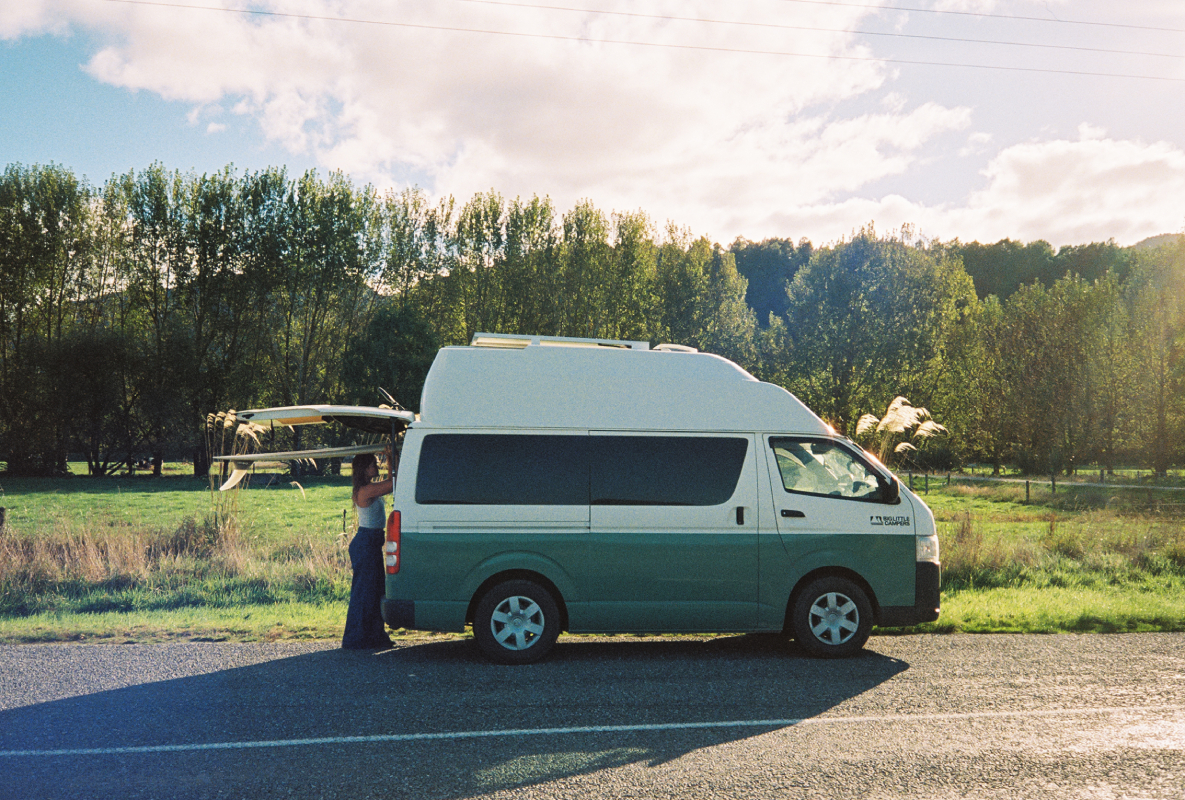
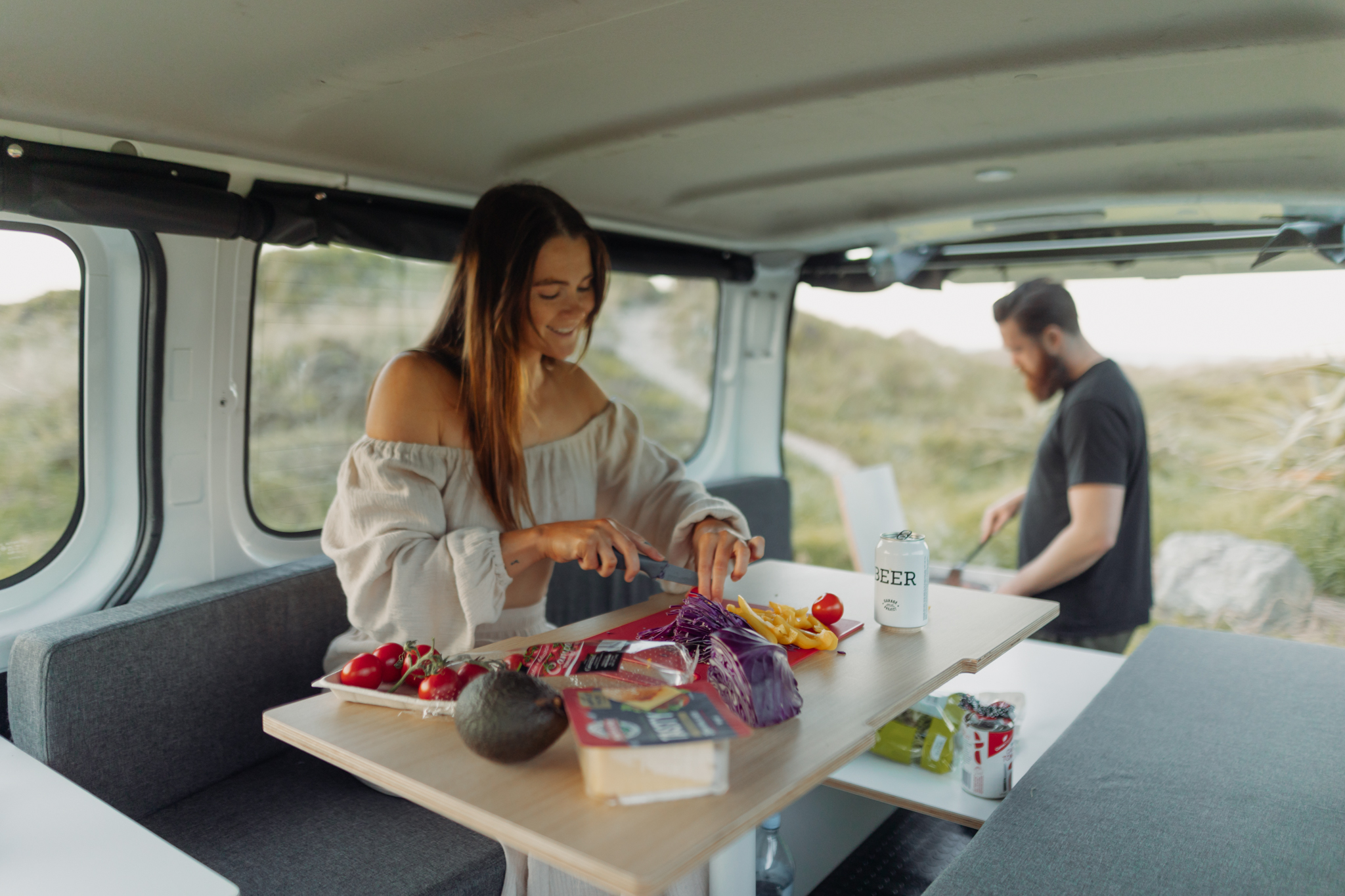
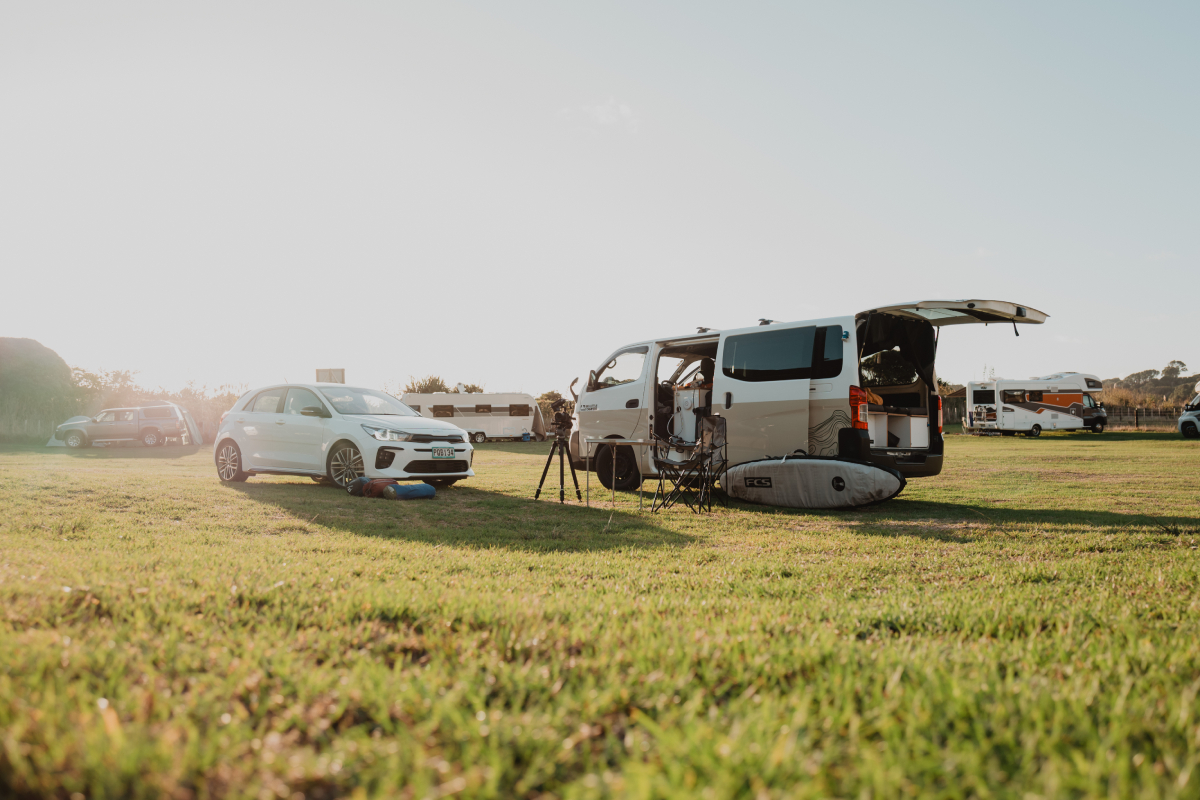
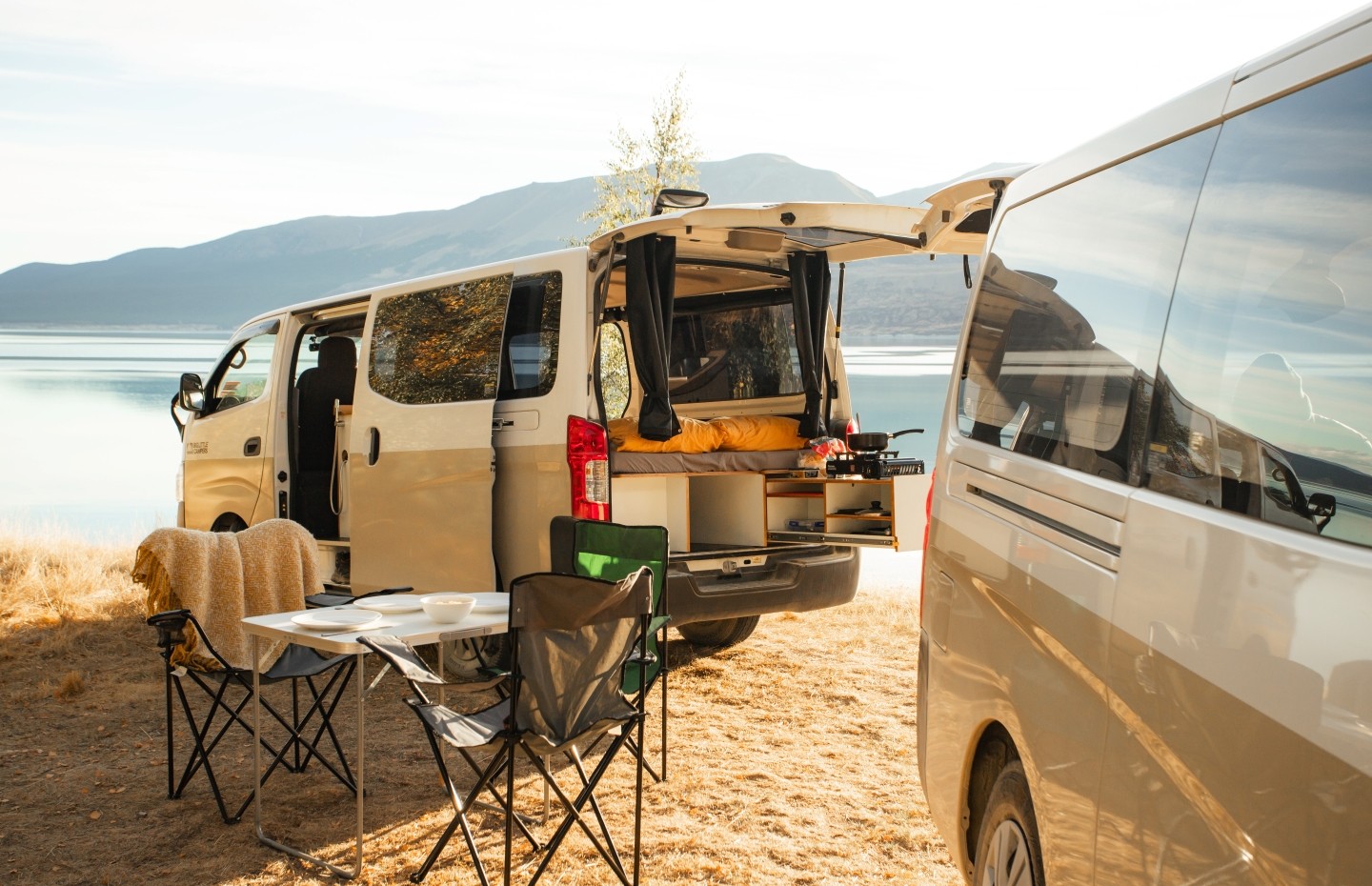
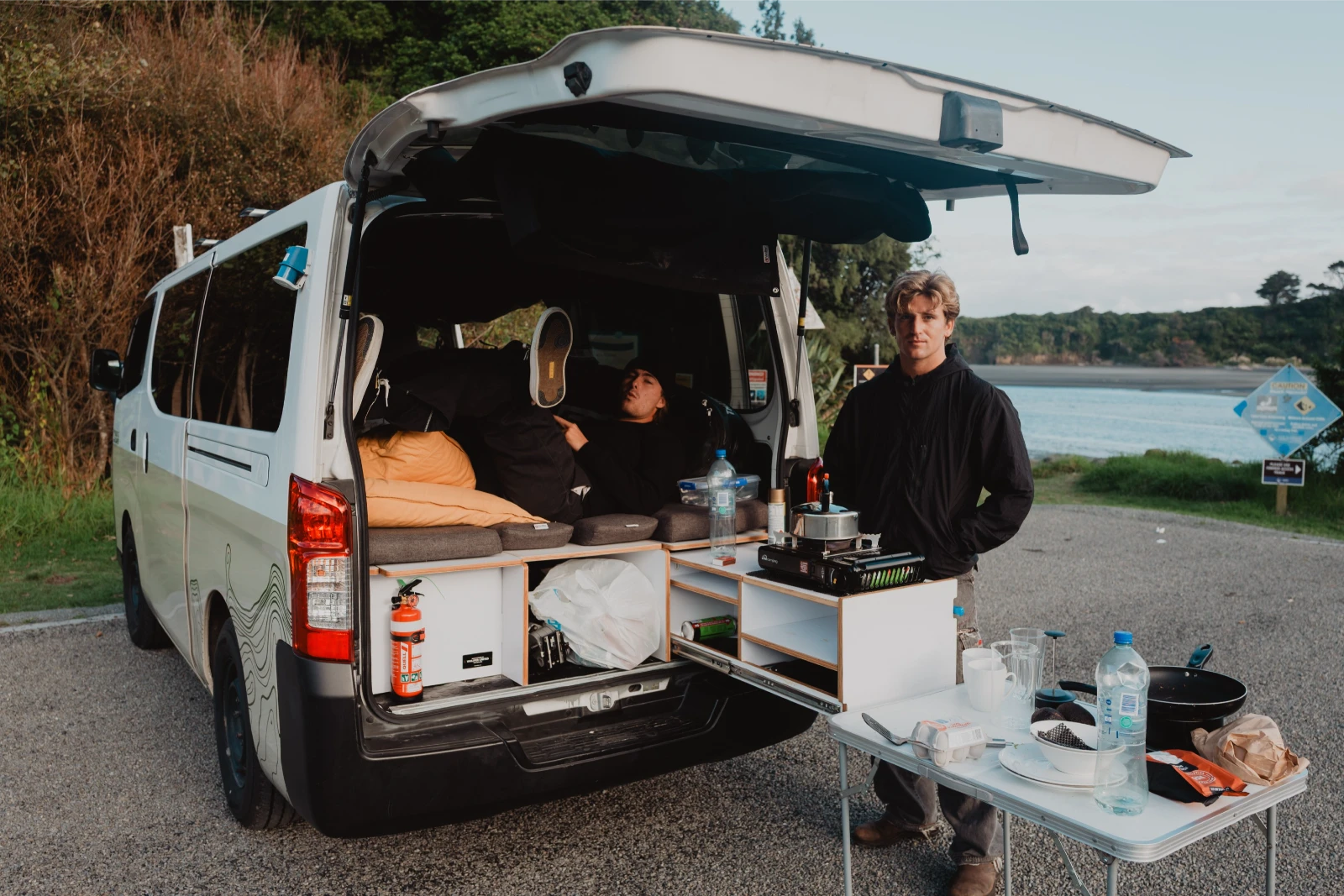
A quick pre-trip checklist. A few things make the first day smoother, whoever you book with. Look for a reliable, well-kept van — newer, properly maintained vans use less fuel and handle NZ roads better. Check what's actually included: bedding, kitchen gear, chairs, tables, and unlimited kilometres should be standard, not paid extras. And confirm your insurance cover and whether there's genuine 24/7 roadside support — NZ has plenty of remote stretches where you'll want someone in your corner. A reliable, well-kept vanNewer, properly maintained vans use less fuel, handle NZ roads better, and give you peace of mind. Older vans can cost less upfront but often cost more on the road. What's IncludedBedding, kitchen gear, chairs, and tables are all standard offerings. If you have to add everything as extras, expect the rate to be higher. The same goes for unlimited kilometres. Insurance and SupportMake sure you understand what's covered before you start your journey. More importantly, check if there's genuine 24/7 roadside support. NZ has plenty of remote stretches where you want someone in your corner if something goes wrong. |
|

|
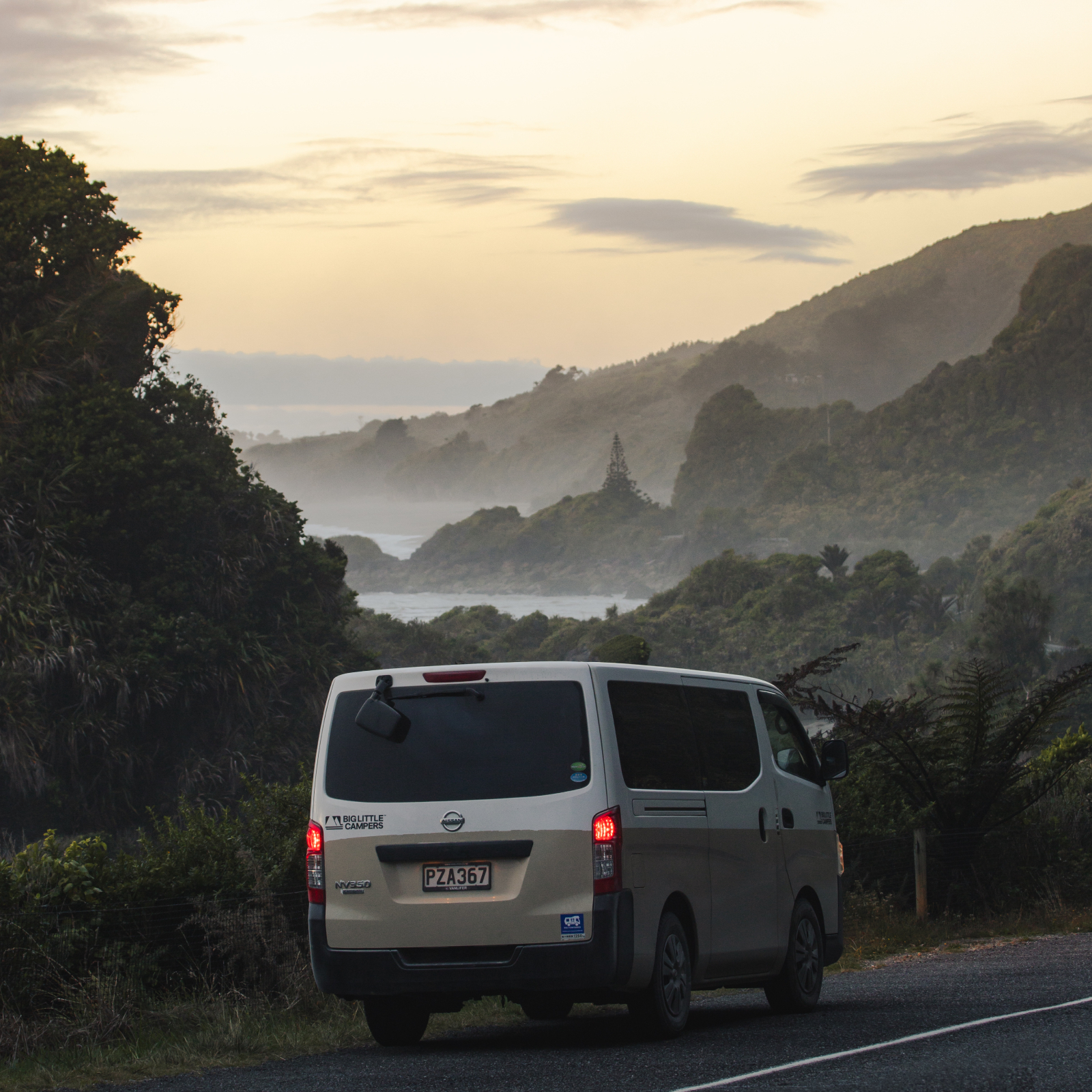
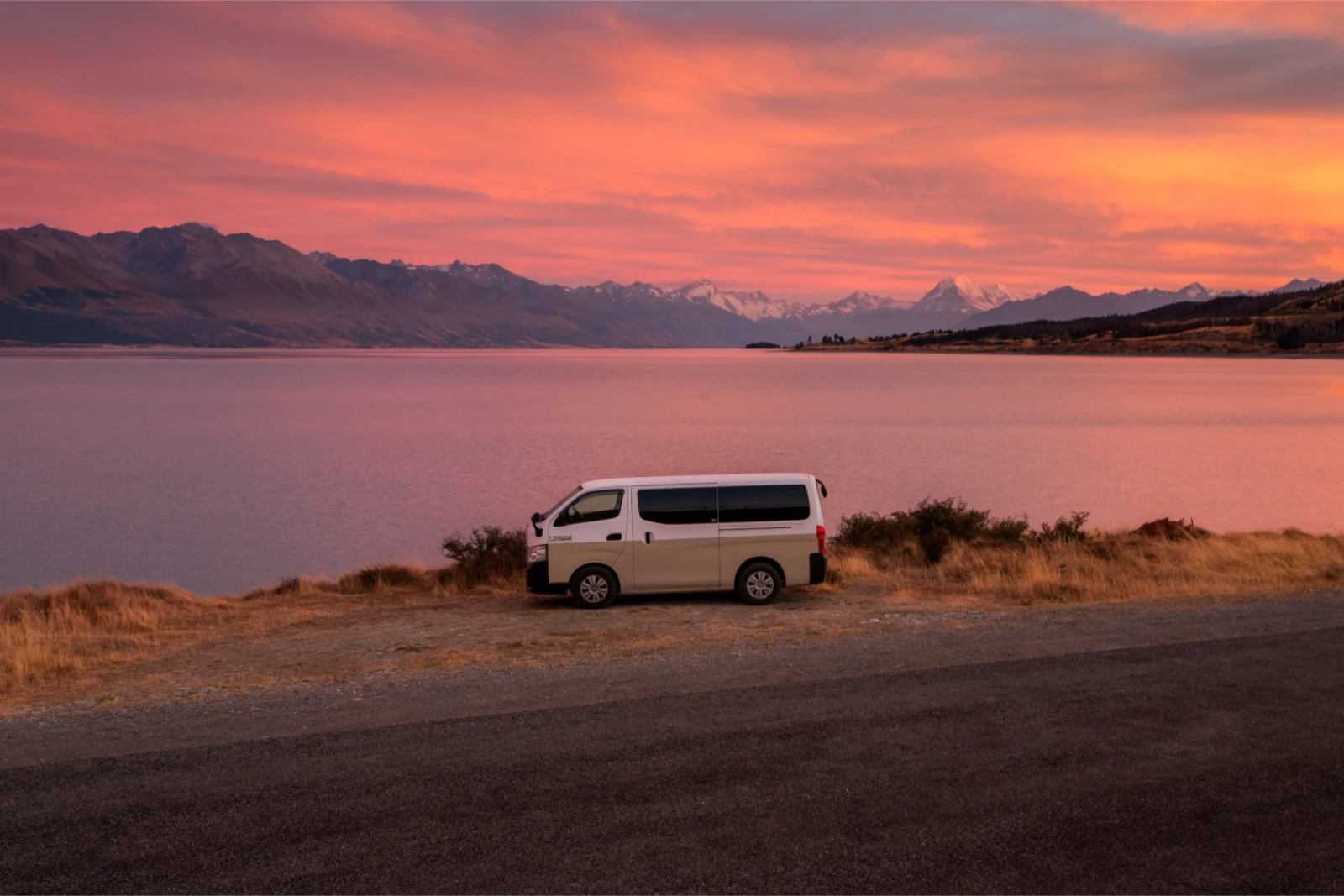
Where to Go From AucklandAuckland is a great launch point for both islands.Head north to the Bay of Islands for beaches, history, and dolphins. Head east to the Coromandel Peninsula for white sand and bush-clad hills. Or go south through the Waikato towards Rotorua's geothermal spots. Our guide to scenic North Island drives covers the best campervan-friendly routes. Planning something bigger? One-way rentals let you pick up in Auckland and drop off in Christchurch or Queenstown after exploring both islands. It's the best way to see the country without doubling back. Tips for a Smooth StartA couple of simple things help the first day go well. Try to arrive early. Give yourself time to reach the depot before closing, especially after a long-haul flight. Customs can take a while, and it’s nicer to settle into the van when you’re not rushing. Download Rankers. It shows freedom camping spots, DOC campsites, dump stations, and facilities across the country. Handy when you’re off-grid or out of signal. Take it slow on day one. If you’re used to driving on the right-hand side, ease into it. Stick to quieter roads until you feel comfortable. |
Start Your Trip Right
Hiring a campervan at Auckland Airport is easy once you know what to expect. All you need is a good operator, a reliable van, and a pick-up process that feels straightforward.
At Big Little Campers, we keep things simple. Our vans are self-contained, well-maintained, and built by travellers who know these roads inside out. We’re independent, family-run, and we care a lot about getting people set up for a proper NZ roady.
Flying into Auckland? We’ll coordinate your transfer, walk you through the van, and get you on the road without any fuss. Get in touch with our team when you’re ready to start planning.
|
Auckland Airport is where most New Zealand road trips begin — it's the easiest place to grab a van, shake off the jet lag, and roll straight into your holiday. But if it's your first time, the start can feel like the fuzzy part: where's the depot, how do you get there, and what actually happens when you collect the van? Here's exactly what day one looks like, from clearing customs to driving off. If you're ready to book, you can see live pricing, the fleet, and availability on our campervan hire at Auckland Airport page — this guide is about what to expect once you've booked. |
How Campervan Transfers WorkMost campervan depots aren’t inside the airport. They’re in Māngere, just a few minutes down the road. Once you land, you’ll need a quick transfer to get there. With Big Little Campers, you just tell us when you’re arriving. We line up the transfer around your flight, so you’re not wandering around trying to guess which shuttle is yours. After you’ve cleared customs and grabbed your bags, it’s a short walk to the transport hub where off-site transfers pick up. From there, it’s a couple of minutes to the depot. Easy. No waiting around, no confusion. What Pick Up Looks LikePlan for around 30 to 45 minutes at pick up. That gives us time to walk you through the van properly, cover the kitchen setup, water system, power, and everything else you’ll use on the road. If it’s your first campervan trip, don’t stress. We won’t hand over the keys until you feel confident and comfortable. A quick tip: do your grocery shop after pick up. It’s way easier to stock the fridge once you’ve seen how much space you’ve got. There are supermarkets close by, so you can grab everything before hitting the motorway. |
|
|
|
Why Self-Contained MattersIf you want real freedom on your trip, self-contained certification is non-negotiable. It lets you stay at the best DOC campsites and council-approved freedom camping spots. Think lakes, beaches, forest edges, and quiet little corners most people never get to stay in. Without that certification, you’ll mostly rely on holiday parks, which cost more and give you less flexibility. Every BLC van is fully self-contained because that’s how we travel ourselves. If you want a deeper look at freedom camping rules, we’ve got a guide that covers the essentials. What will it cost? Pricing moves with the season, the van, and how long you're away. Rather than quote rough figures here, we keep live rates and what's included on the Auckland campervan hire page — check there for current pricing before you book. |
|
A quick pre-trip checklist. A few things make the first day smoother, whoever you book with. Look for a reliable, well-kept van — newer, properly maintained vans use less fuel and handle NZ roads better. Check what's actually included: bedding, kitchen gear, chairs, tables, and unlimited kilometres should be standard, not paid extras. And confirm your insurance cover and whether there's genuine 24/7 roadside support — NZ has plenty of remote stretches where you'll want someone in your corner. A reliable, well-kept vanNewer, properly maintained vans use less fuel, handle NZ roads better, and give you peace of mind. Older vans can cost less upfront but often cost more on the road. What's IncludedBedding, kitchen gear, chairs, and tables are all standard offerings. If you have to add everything as extras, expect the rate to be higher. The same goes for unlimited kilometres. Insurance and SupportMake sure you understand what's covered before you start your journey. More importantly, check if there's genuine 24/7 roadside support. NZ has plenty of remote stretches where you want someone in your corner if something goes wrong. |
|
|
|
Where to Go From AucklandAuckland is a great launch point for both islands.Head north to the Bay of Islands for beaches, history, and dolphins. Head east to the Coromandel Peninsula for white sand and bush-clad hills. Or go south through the Waikato towards Rotorua's geothermal spots. Our guide to scenic North Island drives covers the best campervan-friendly routes. Planning something bigger? One-way rentals let you pick up in Auckland and drop off in Christchurch or Queenstown after exploring both islands. It's the best way to see the country without doubling back. Tips for a Smooth StartA couple of simple things help the first day go well. Try to arrive early. Give yourself time to reach the depot before closing, especially after a long-haul flight. Customs can take a while, and it’s nicer to settle into the van when you’re not rushing. Download Rankers. It shows freedom camping spots, DOC campsites, dump stations, and facilities across the country. Handy when you’re off-grid or out of signal. Take it slow on day one. If you’re used to driving on the right-hand side, ease into it. Stick to quieter roads until you feel comfortable. |
Start Your Trip Right
Hiring a campervan at Auckland Airport is easy once you know what to expect. All you need is a good operator, a reliable van, and a pick-up process that feels straightforward.
At Big Little Campers, we keep things simple. Our vans are self-contained, well-maintained, and built by travellers who know these roads inside out. We’re independent, family-run, and we care a lot about getting people set up for a proper NZ roady.
Flying into Auckland? We’ll coordinate your transfer, walk you through the van, and get you on the road without any fuss. Get in touch with our team when you’re ready to start planning.
Read more








.jpg)
.jpg)
.jpg)
.jpg)
.jpg)

.jpg)
.jpg)



.jpg)