Chat with a human
Let us help you pick the perfect camper for your once in a lifetime adventure
|
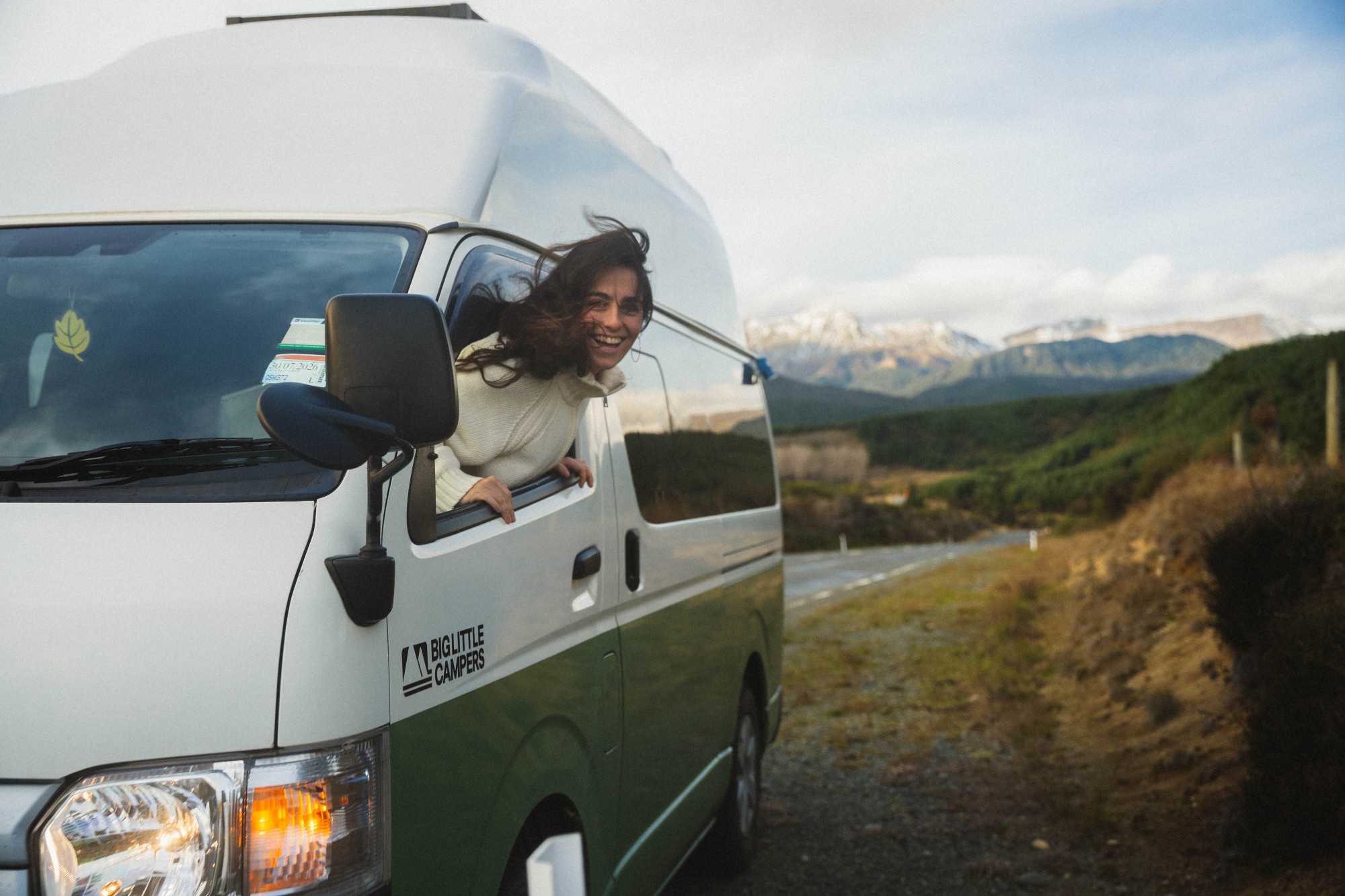
If this is your first time hiring a campervan in New Zealand, it is normal to have questions. Driving something bigger than a car. Working out where to park. Figuring out the day-to-day rhythm of life on the road. We've helped hundreds of first-timers get started. Most arrive with the same concerns. Within a couple of days, they are relaxed, settled, and wondering why they did not do it sooner. Here's what's genuinely useful to know before you go. |
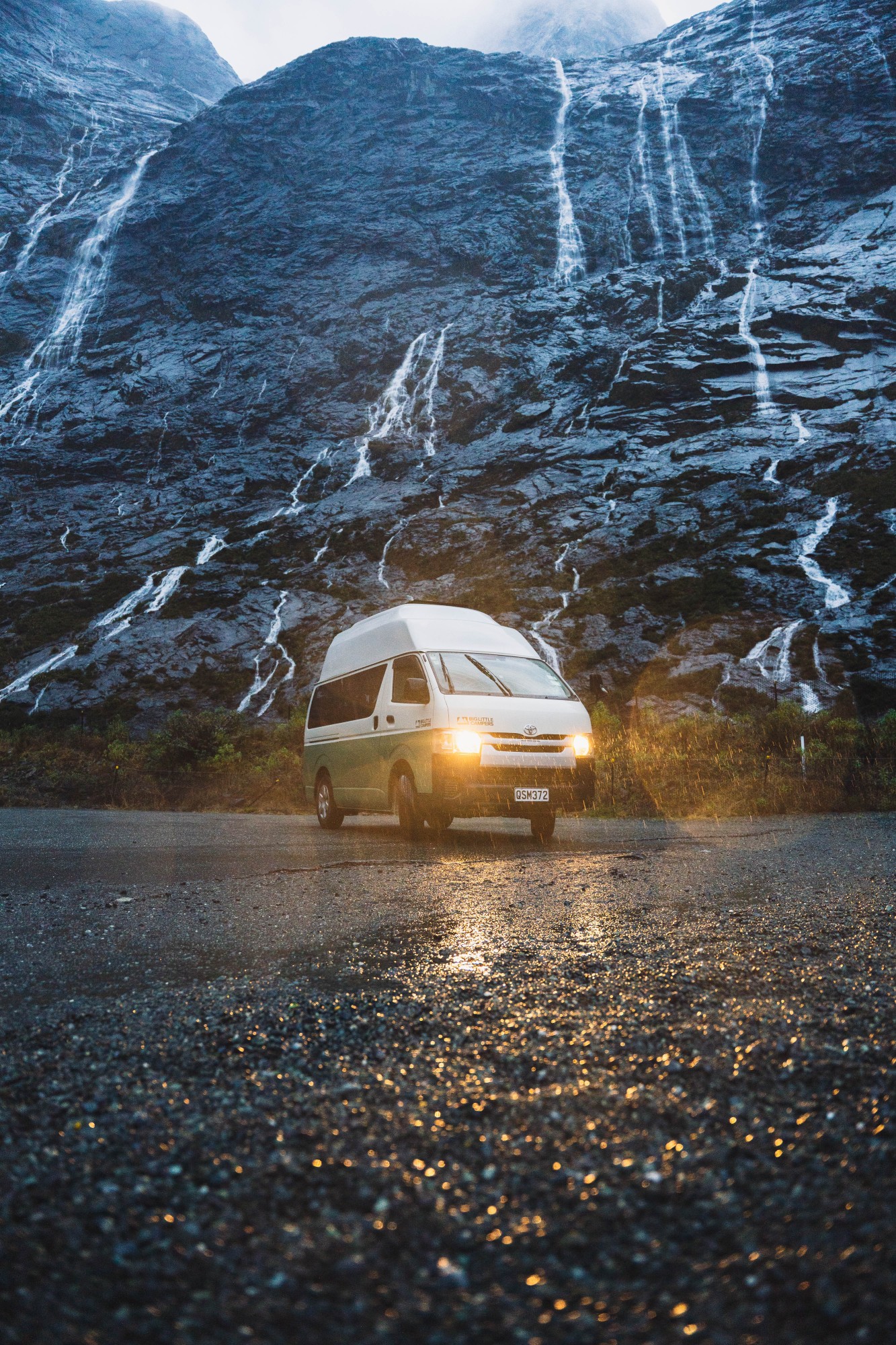
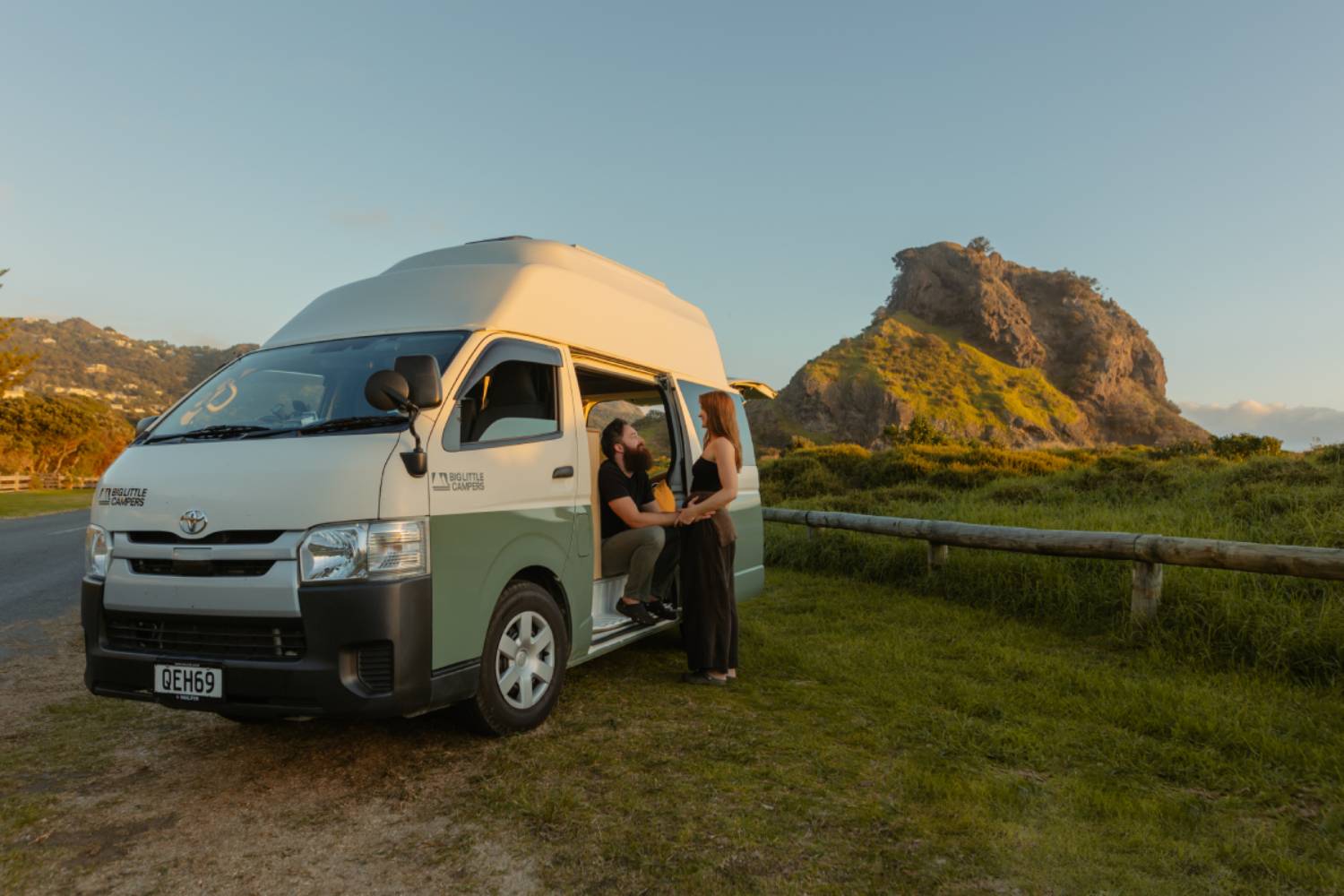
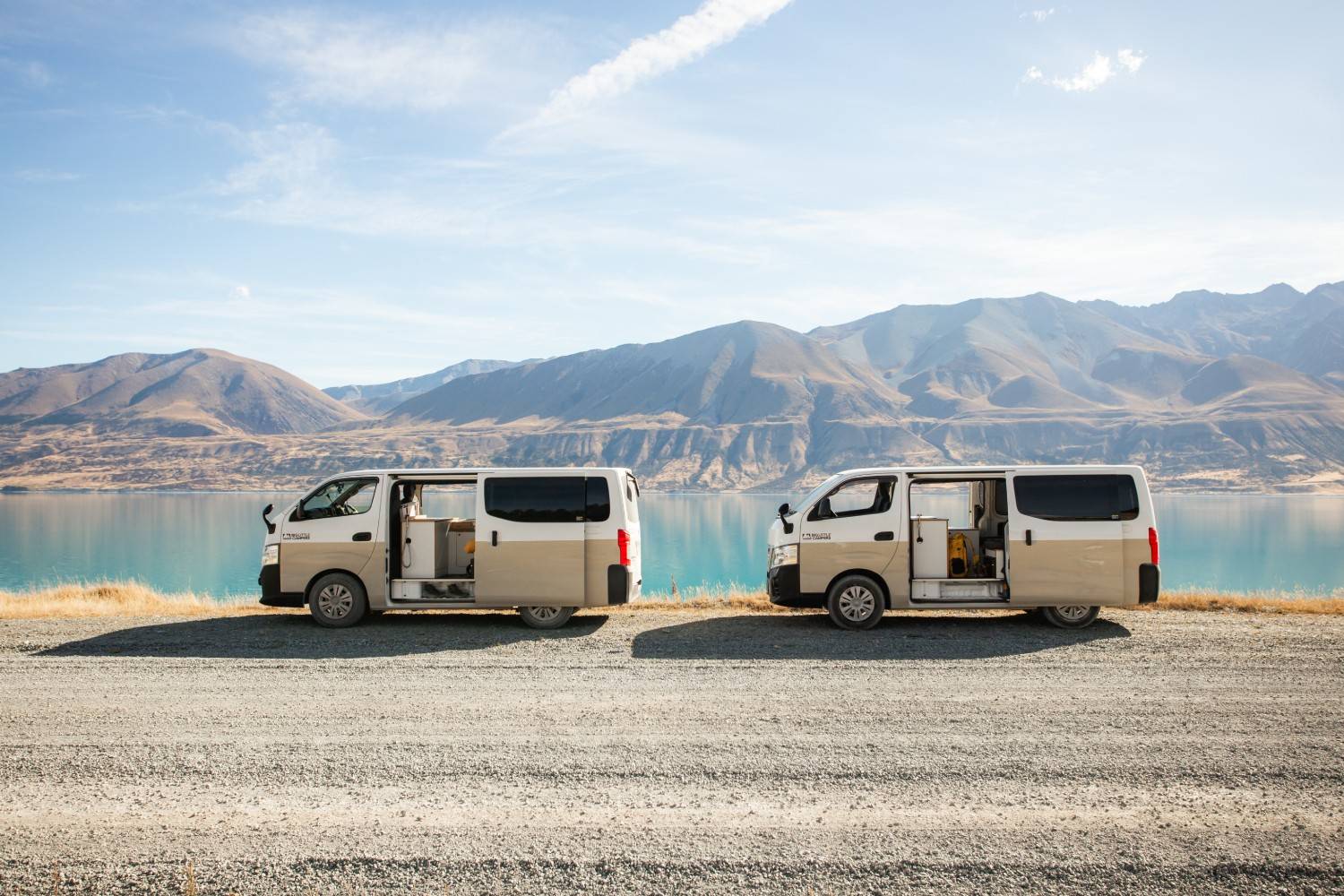
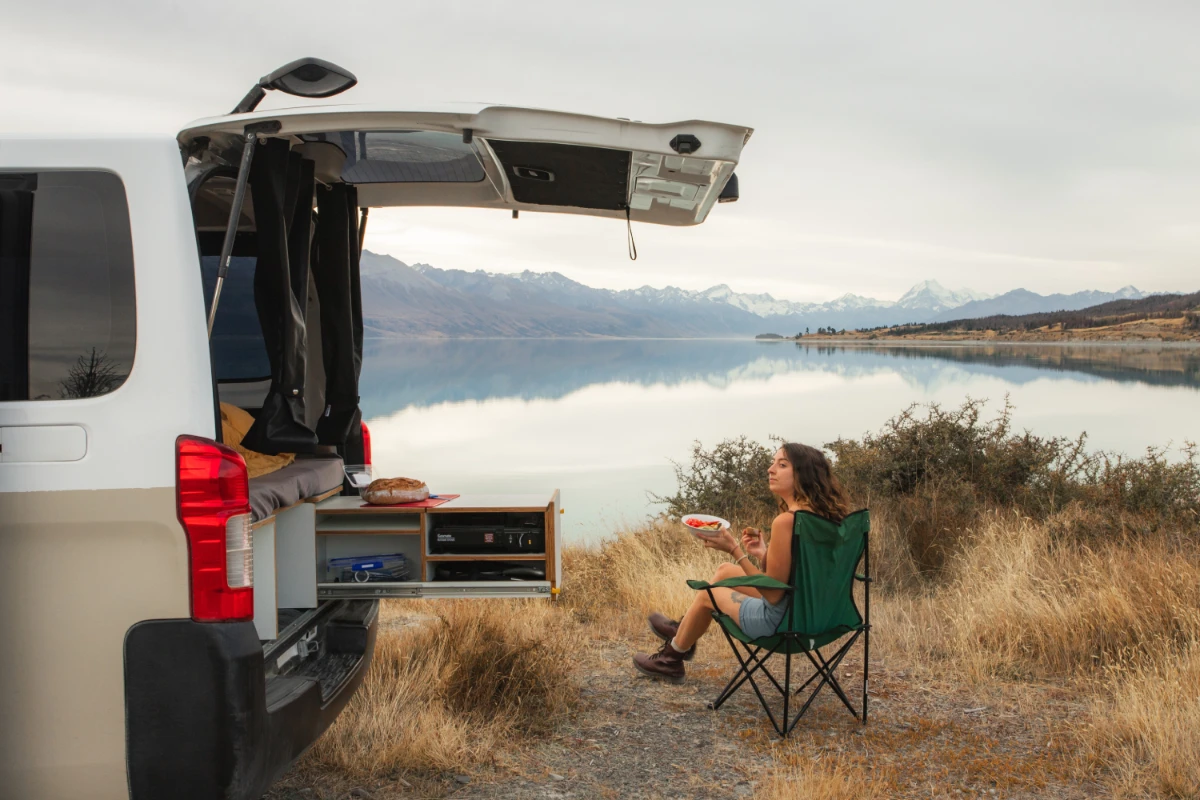
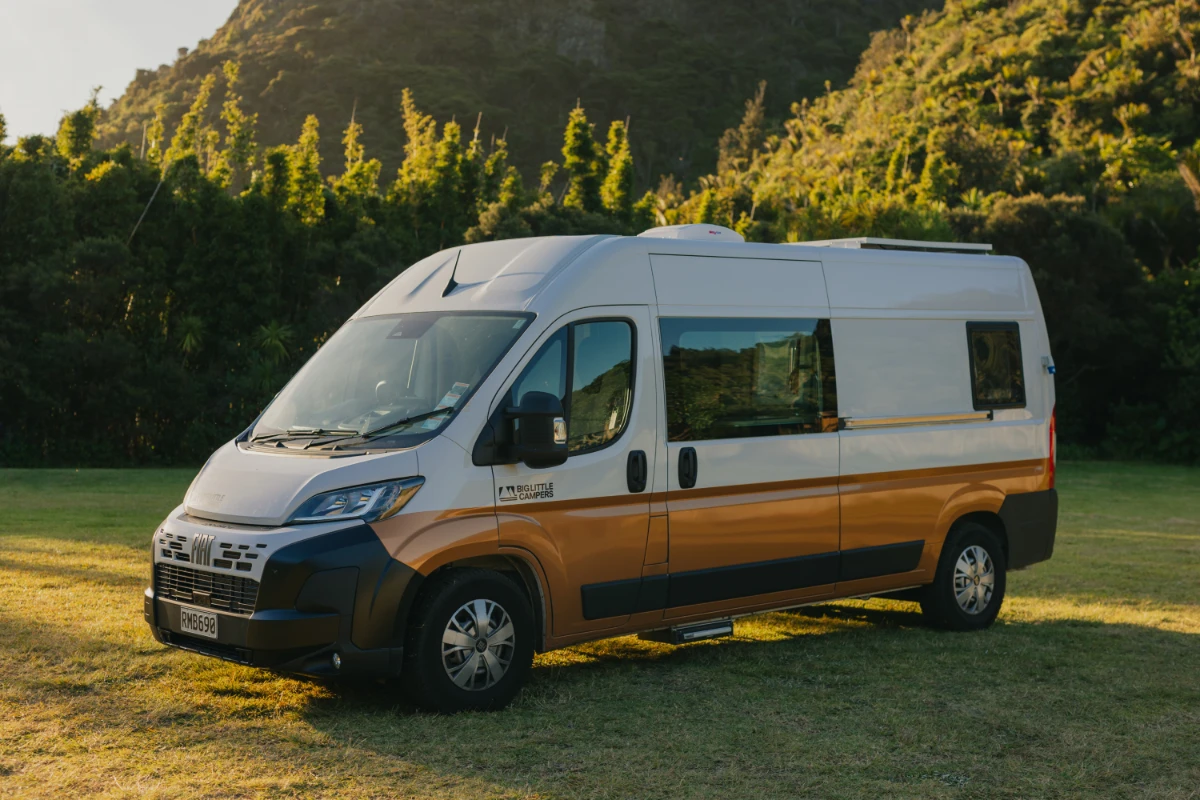
Choosing a Campervan That Works for YouWhen hiring a camper van, bigger isn't always better. A large motorhome might sound appealing until you are squeezing into a tight car park or heading down a narrow gravel road. For two people, a mid-size van tends to be the sweet spot. Enough room to cook dinner without bumping elbows, enough space to wait out a rainy afternoon, and small enough to park without stress. What matters more than size is what's on board. A fixed toilet and proper greywater system mean you're self-contained. These features are your ticket to the best freedom camping spots in the country. A diesel heater means you're not layering up three jumpers when the temperature drops overnight in Fiordland. If you're not sure what setup suits your trip, our guide on how to choose the best campervan for your NZ road trip breaks it down clearly. |

|
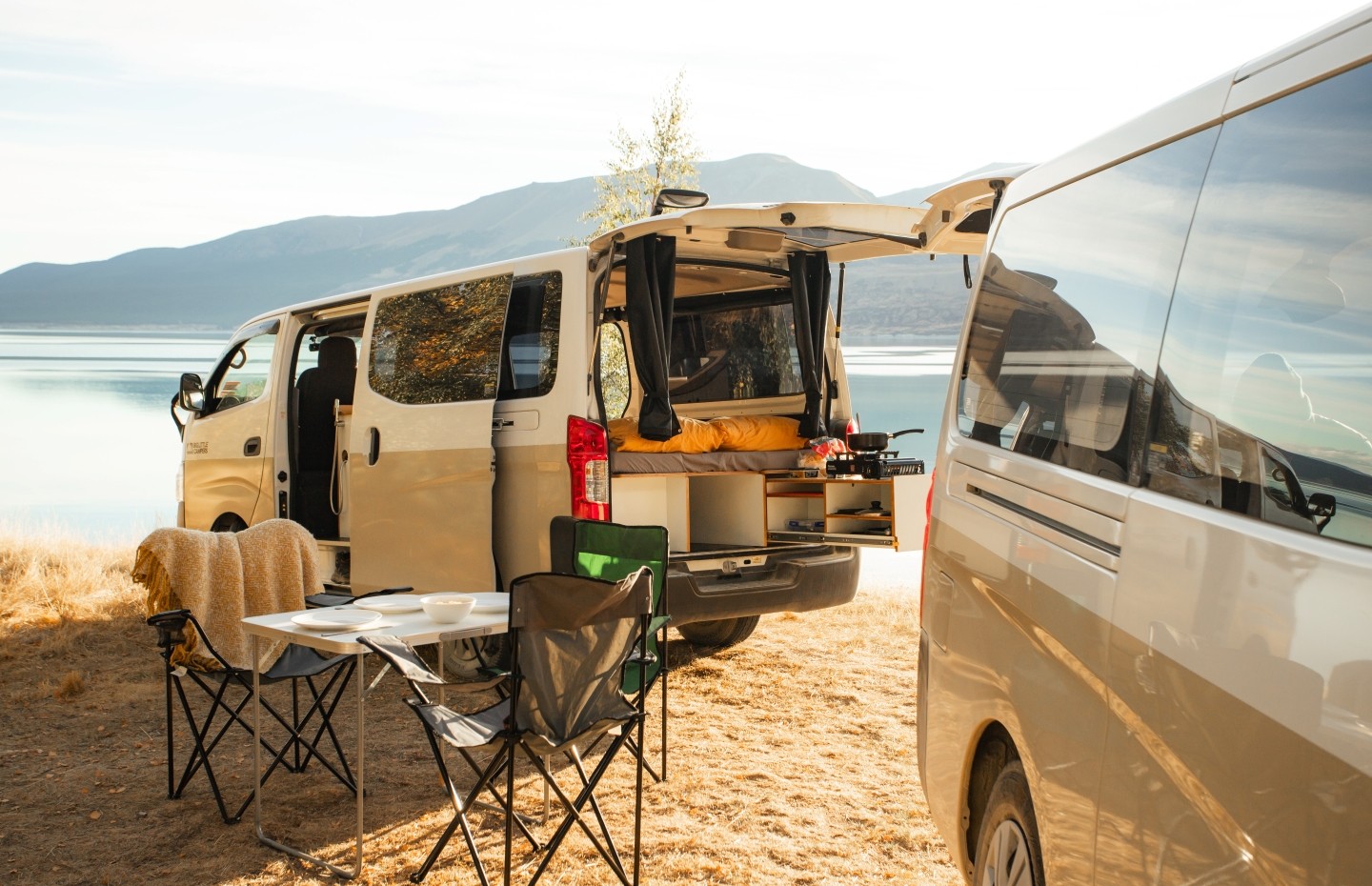
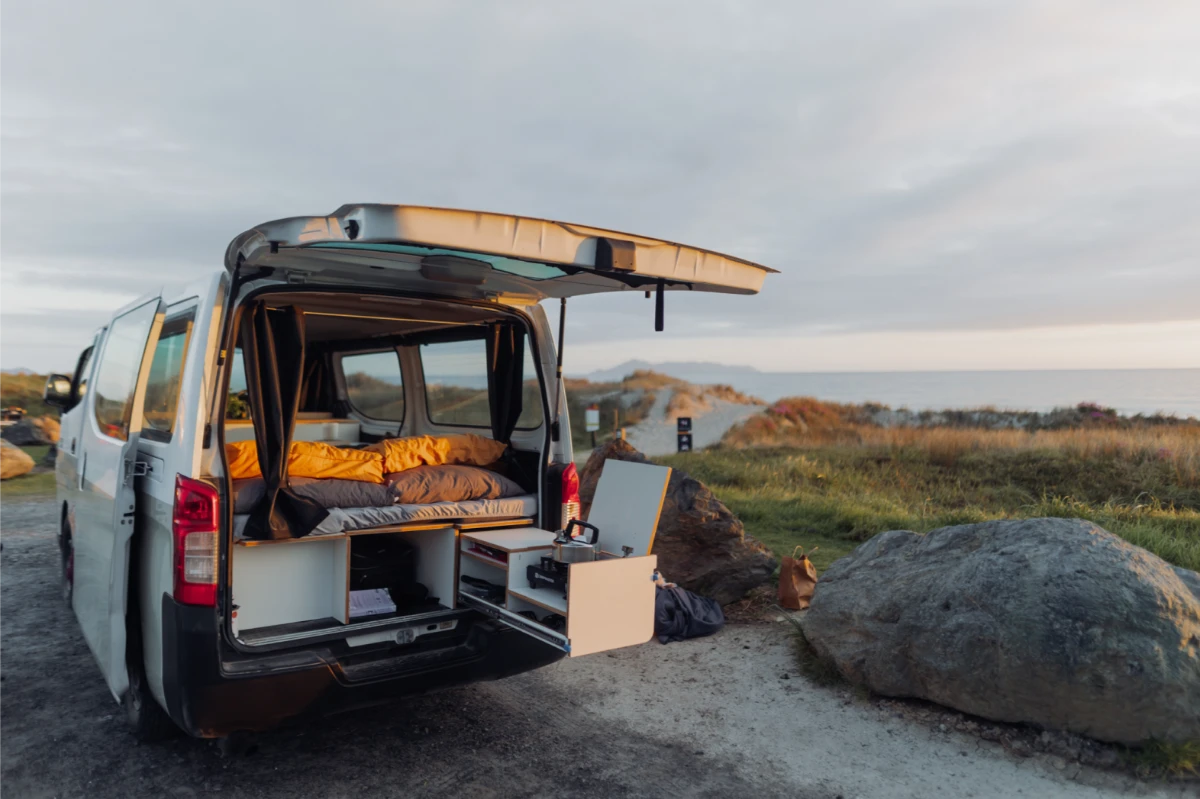
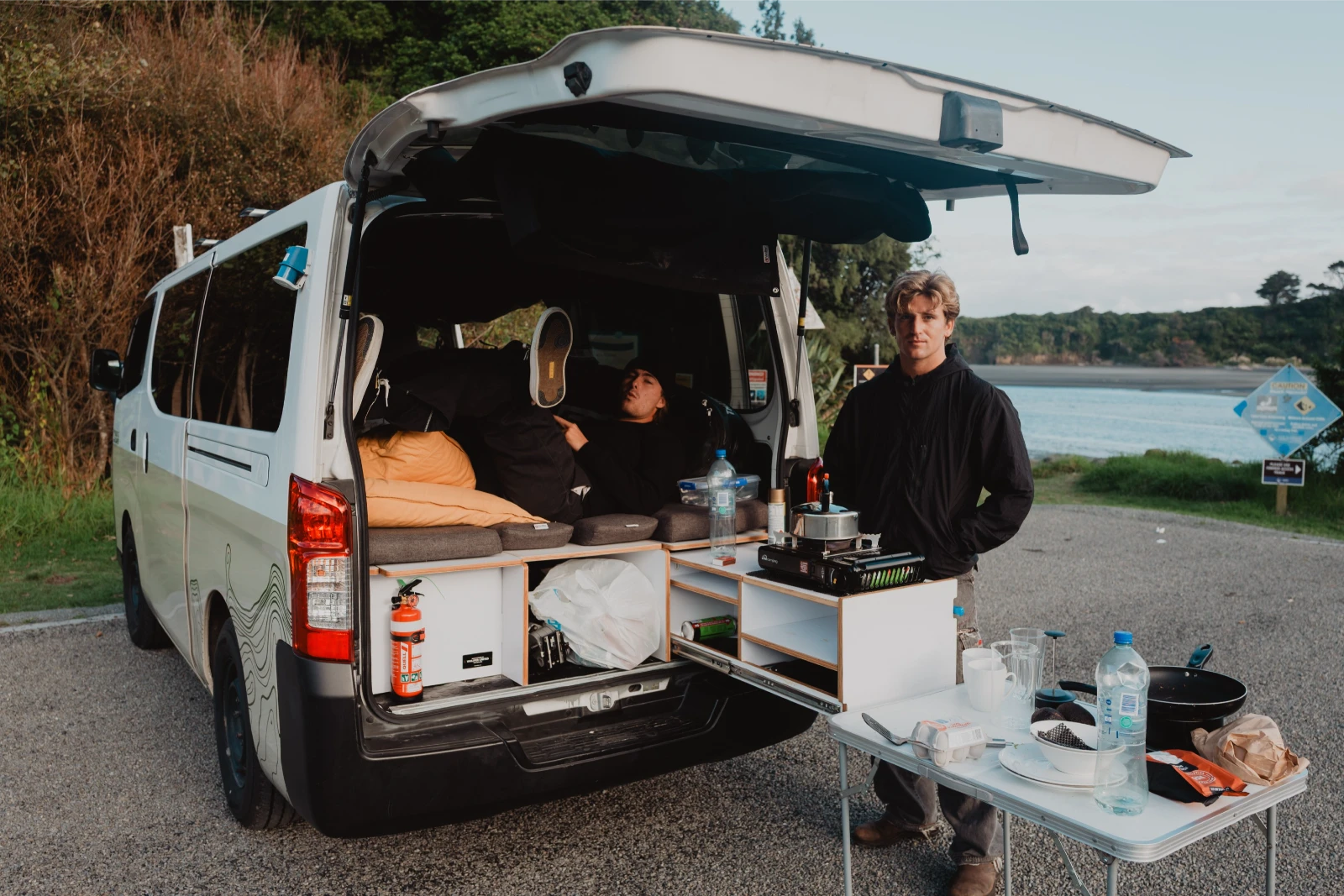
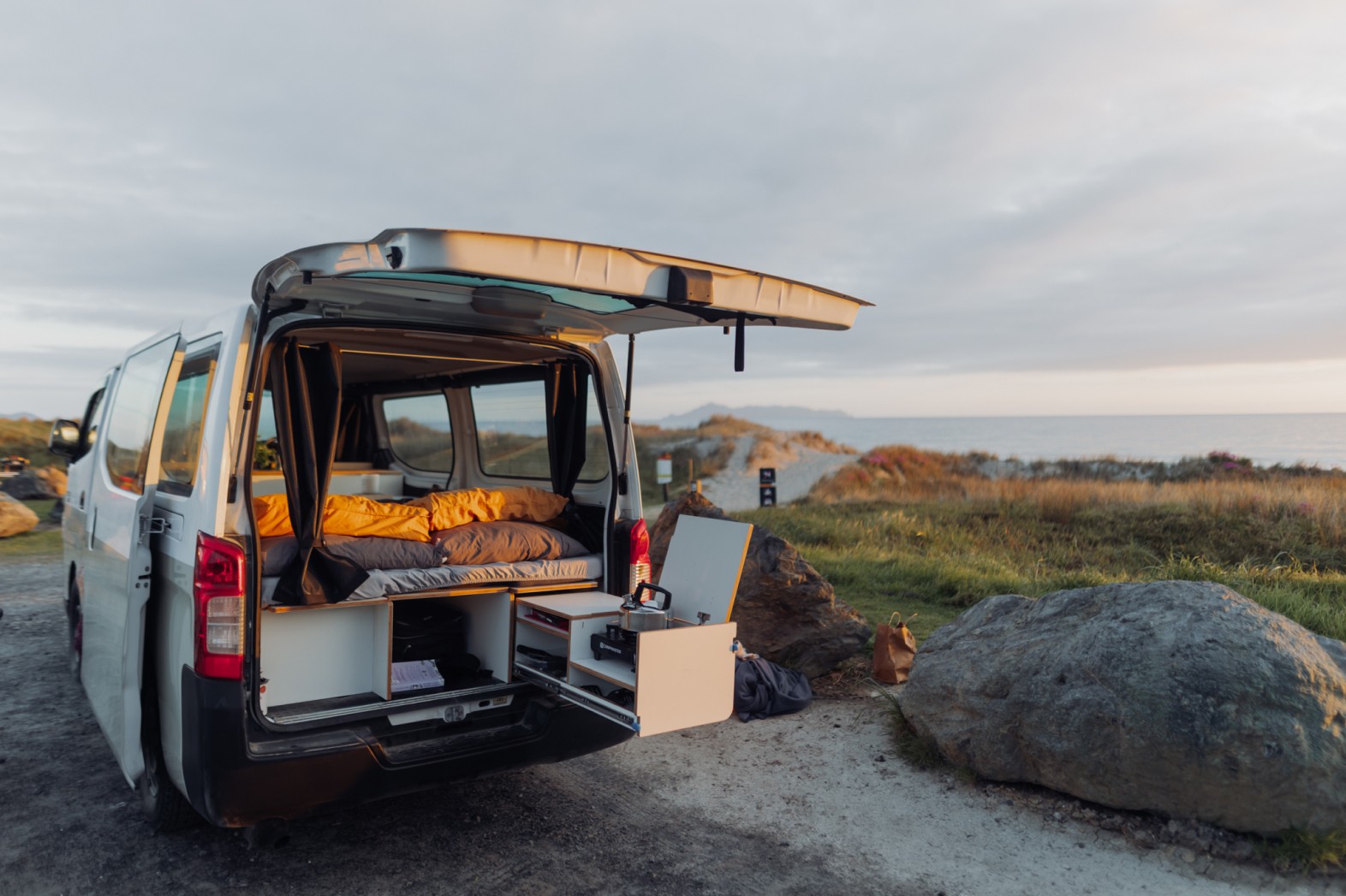
What Pickup Looks LikeHiring a campervan is not the same as renting a car. There is more to learn, and that is a good thing. Pickup usually takes around 30 to 45 minutes. We walk you through how everything works. The stove. Water systems. Bed setup. Power. Storage. We would rather take the time upfront than have you trying to figure it out later. Before you leave, check that everything is there. Bedding, cooking gear, utensils, toilet chemicals. These should be standard. If an operator charges extra for basics, it is worth questioning the value. |
|
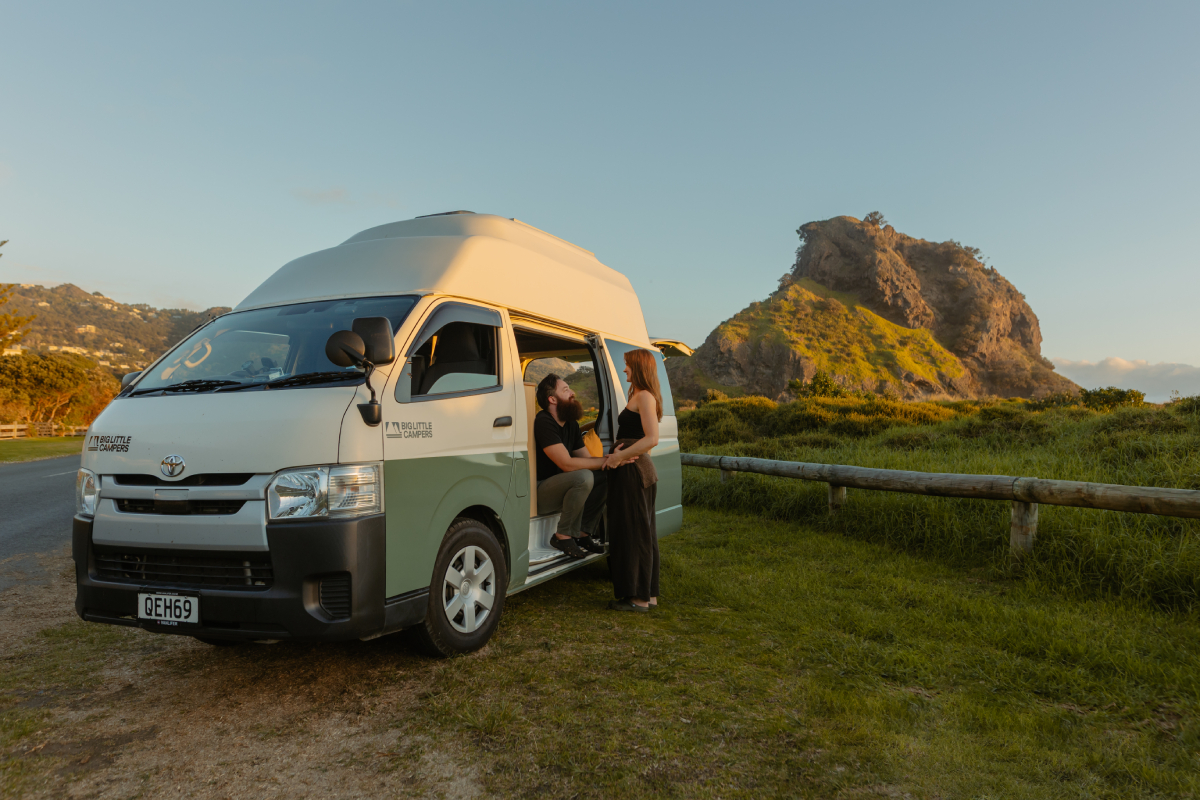
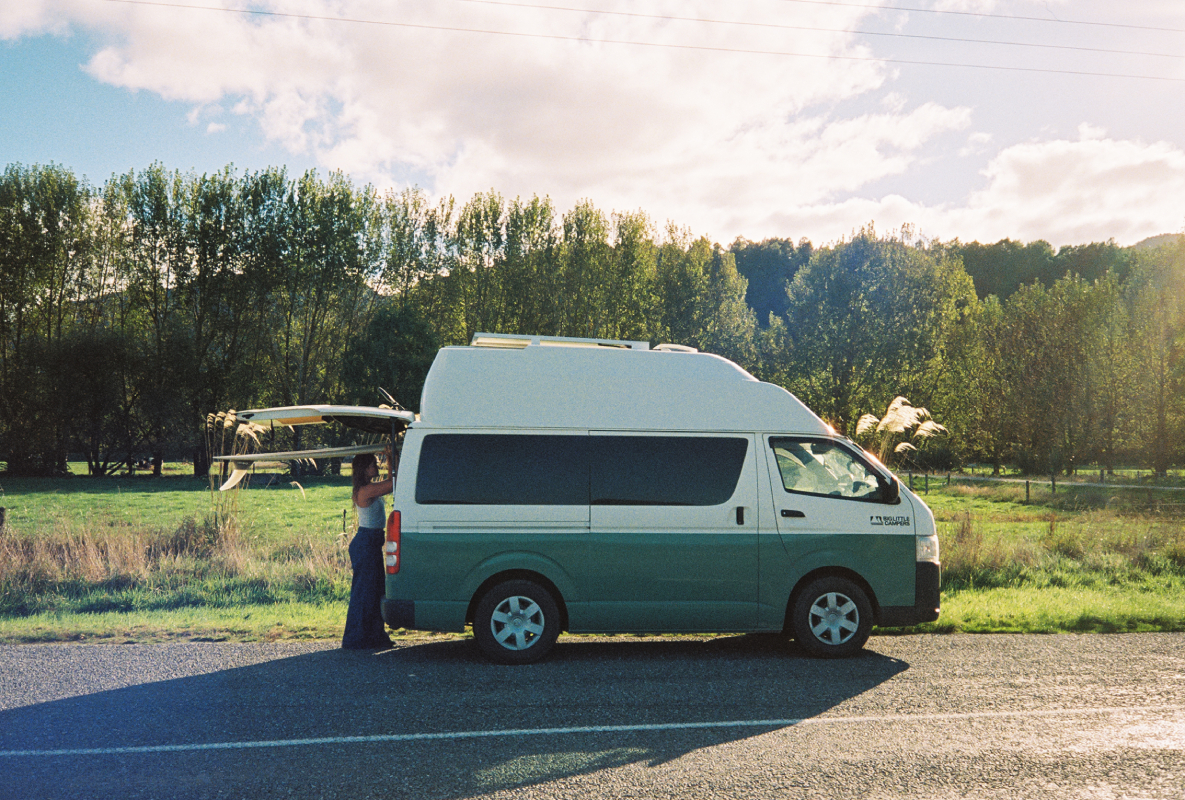
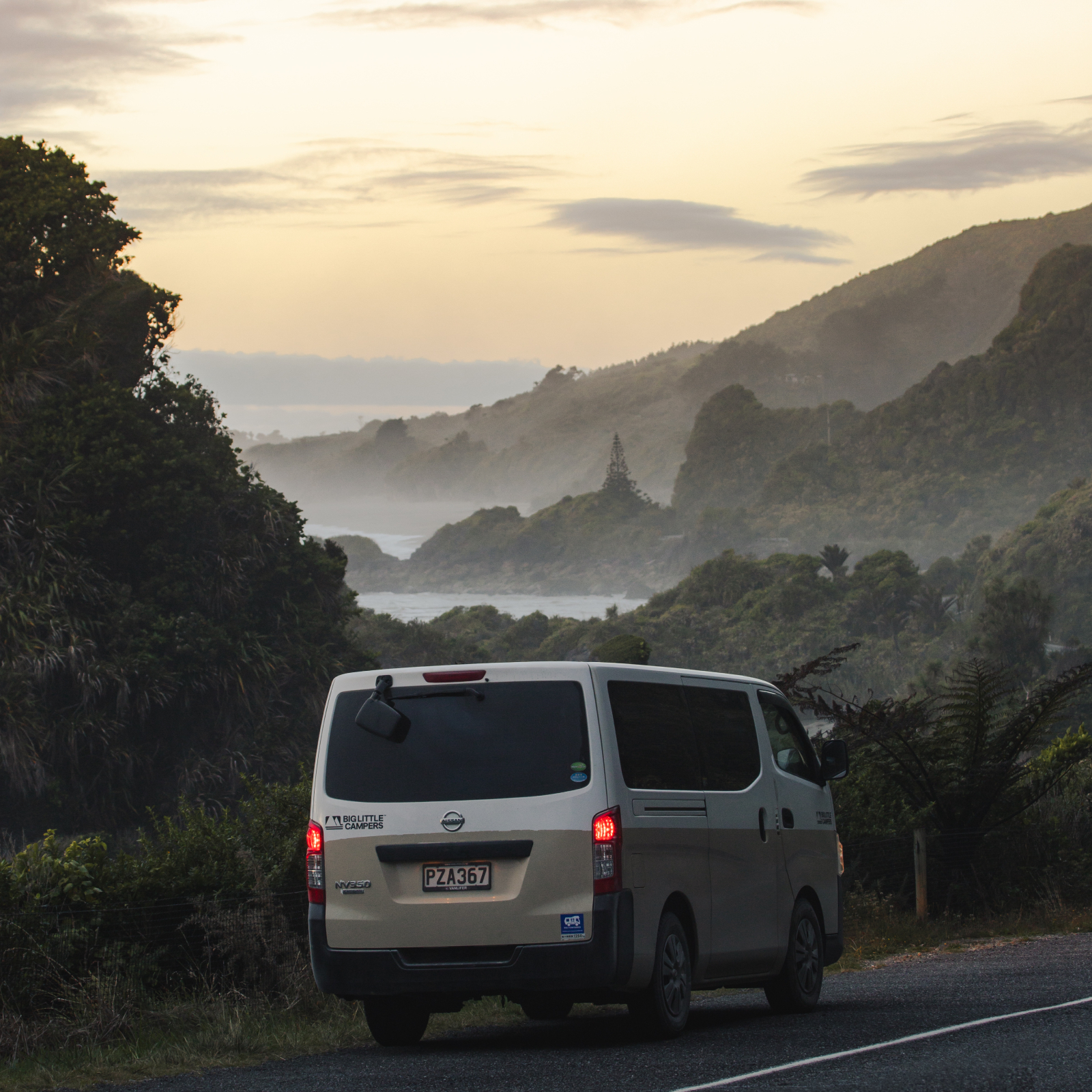
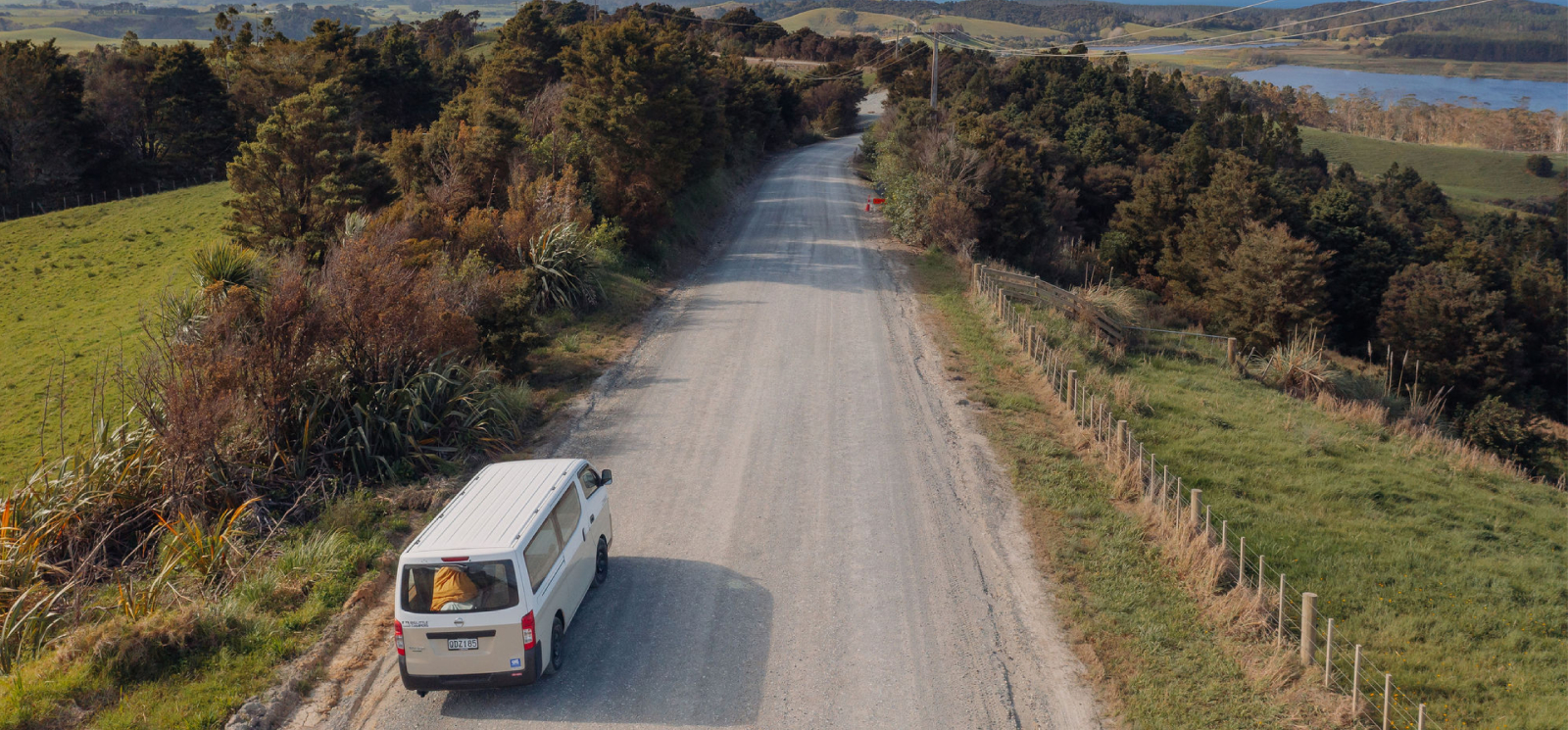
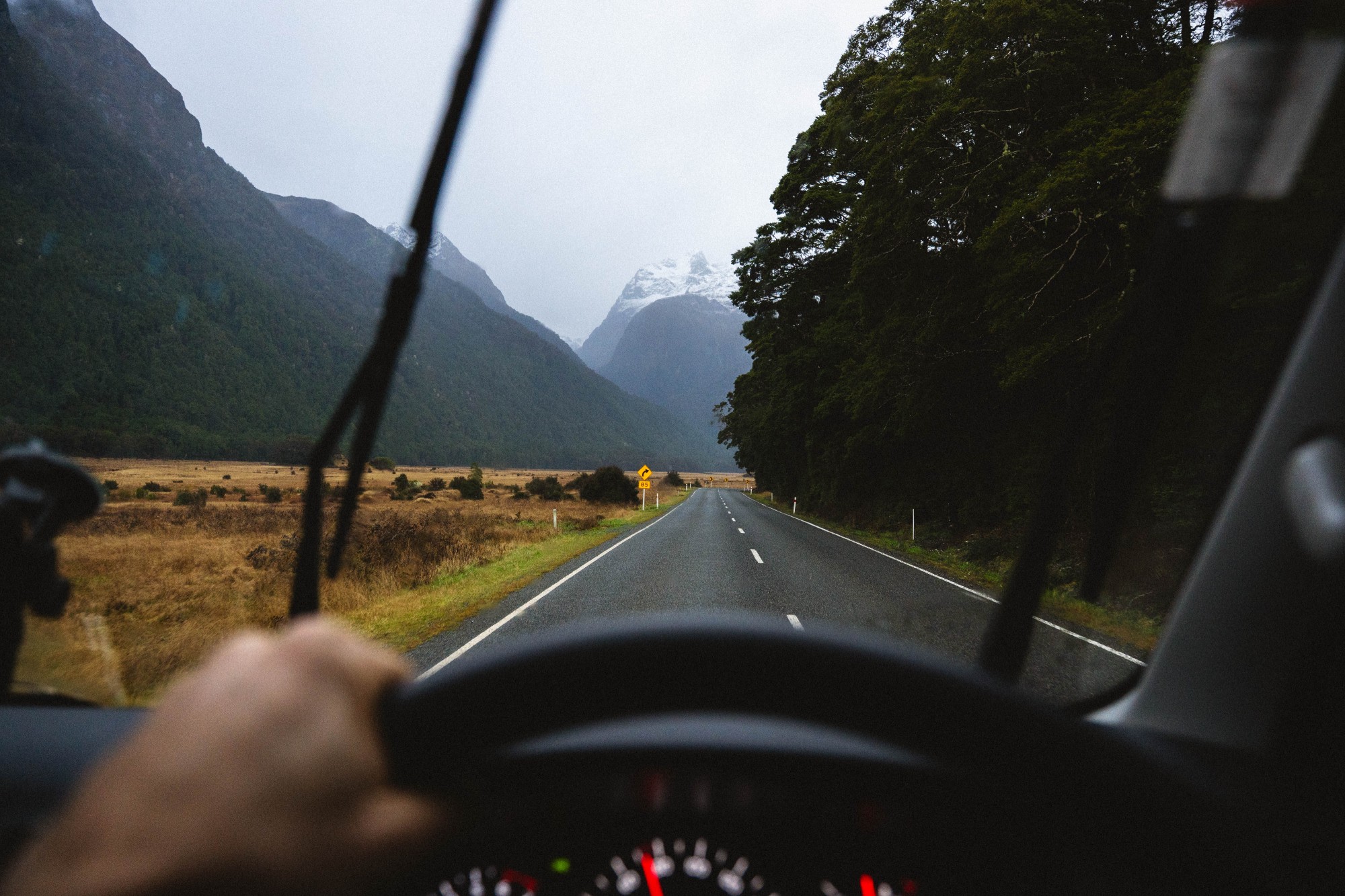
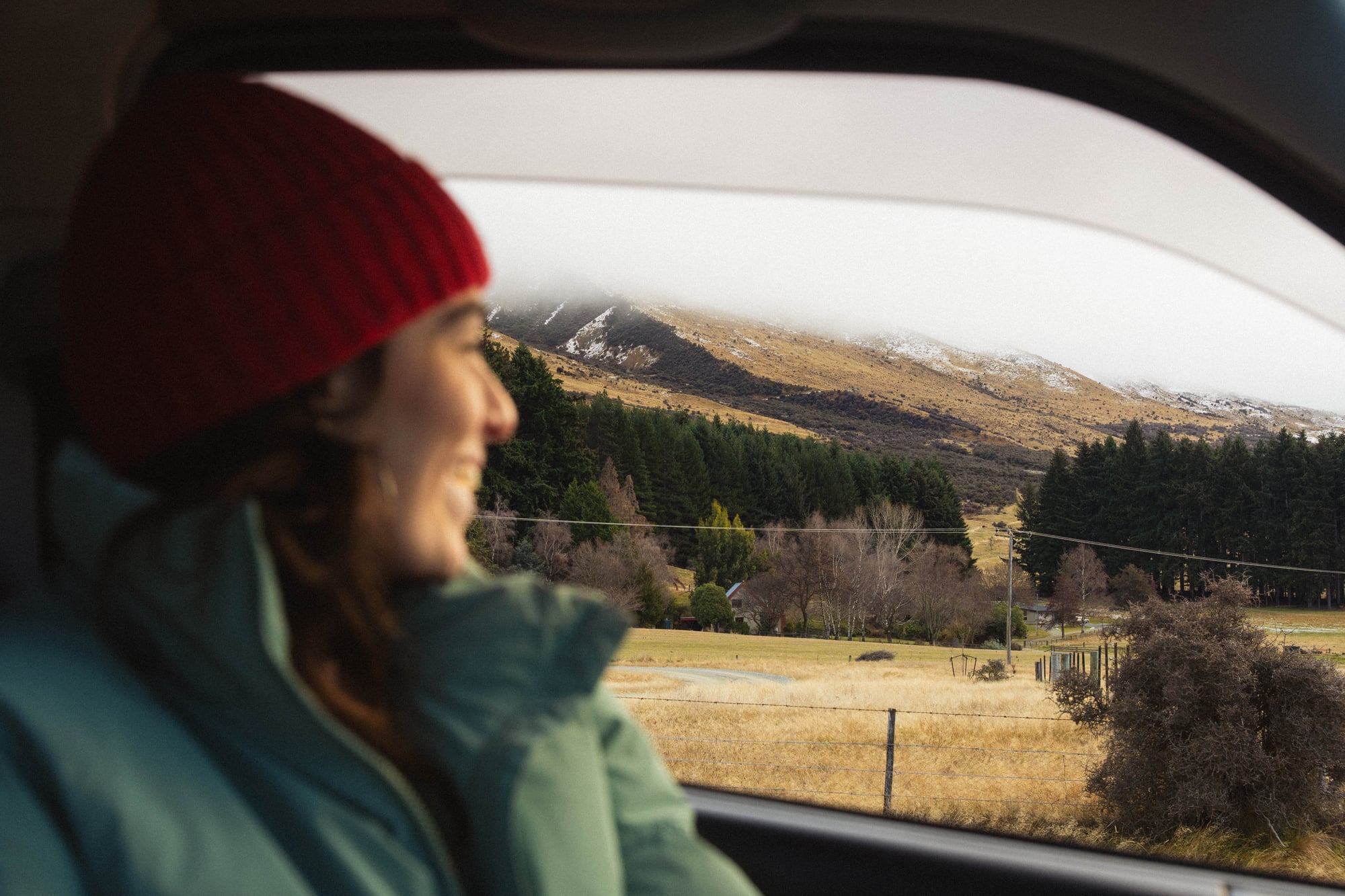
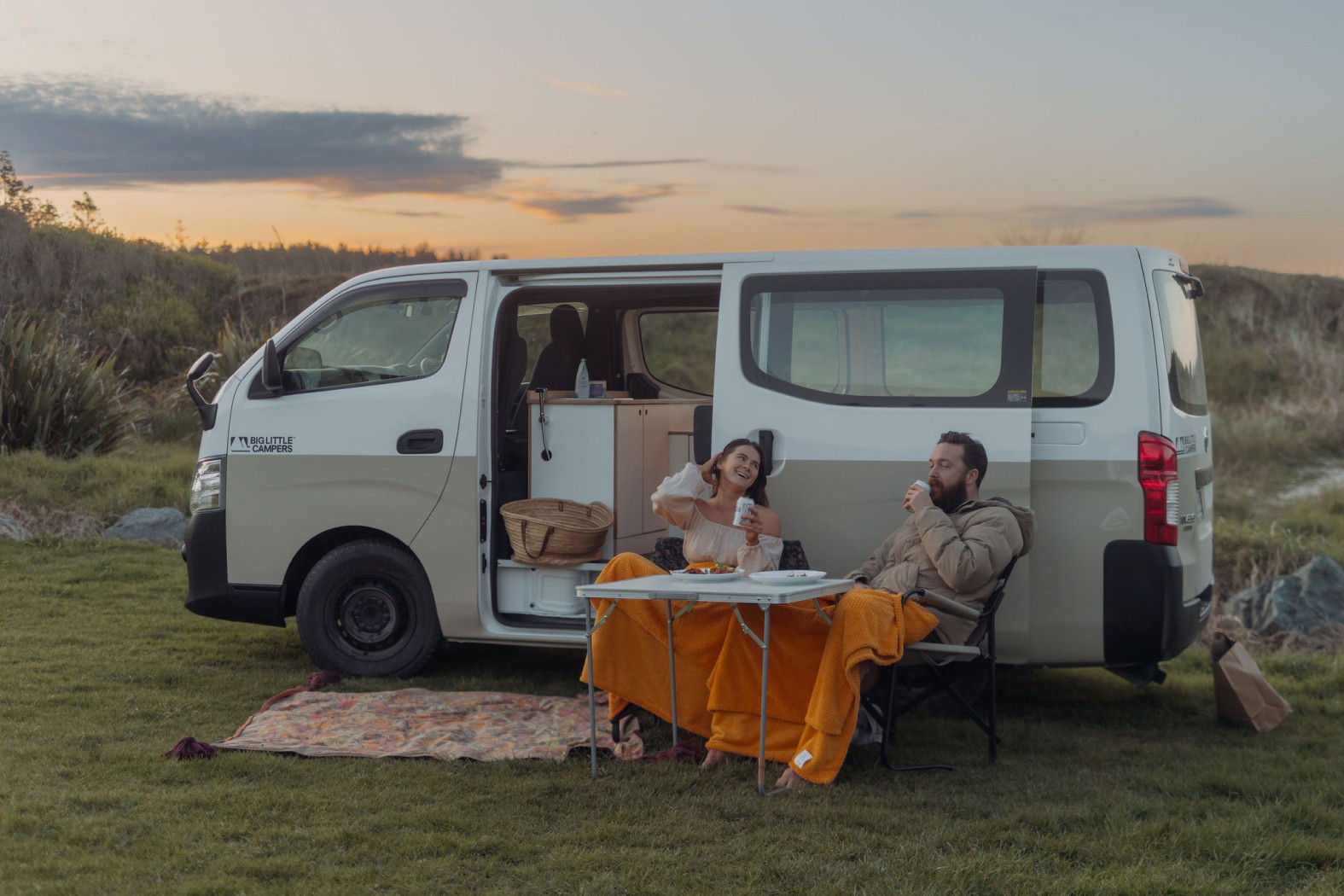
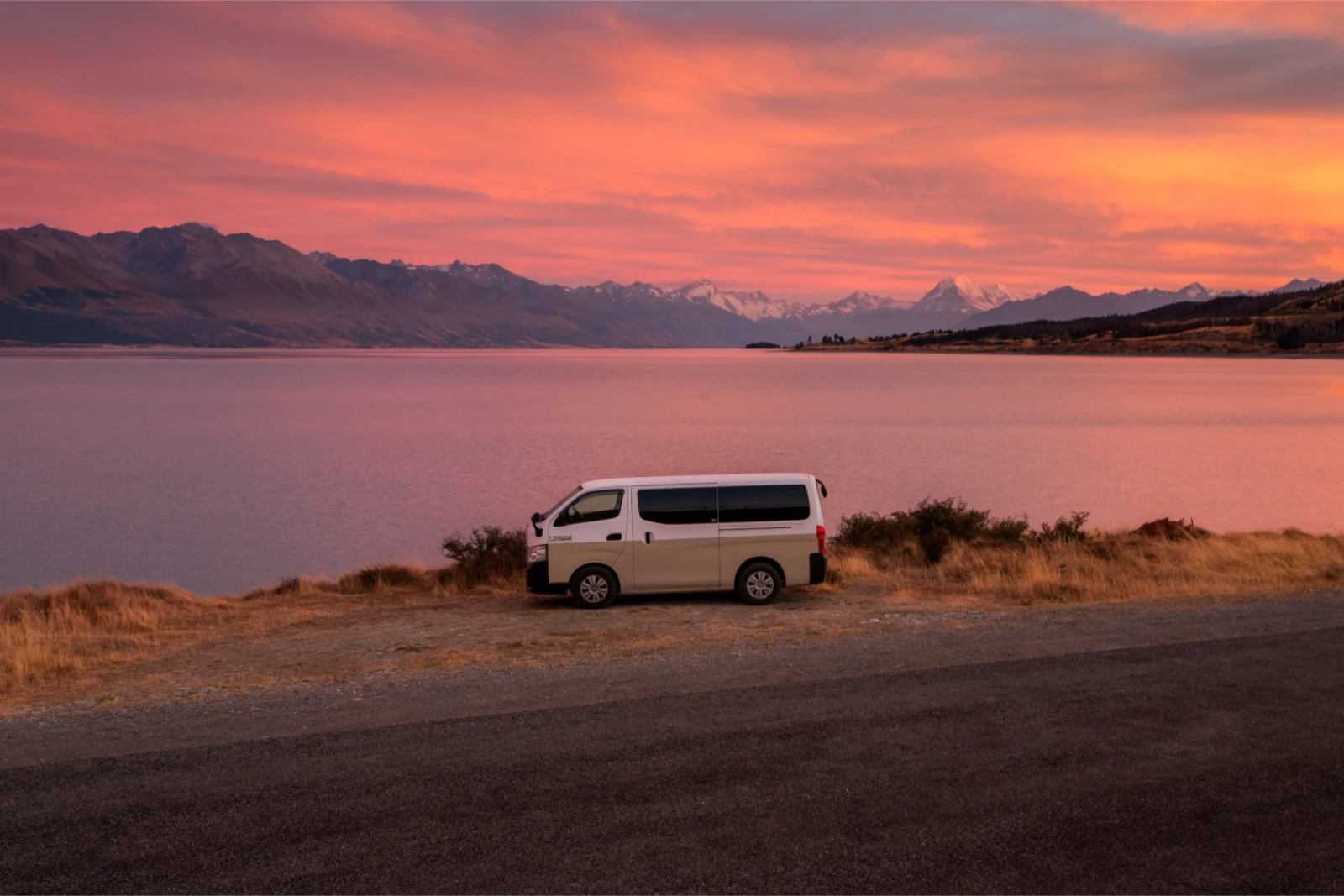
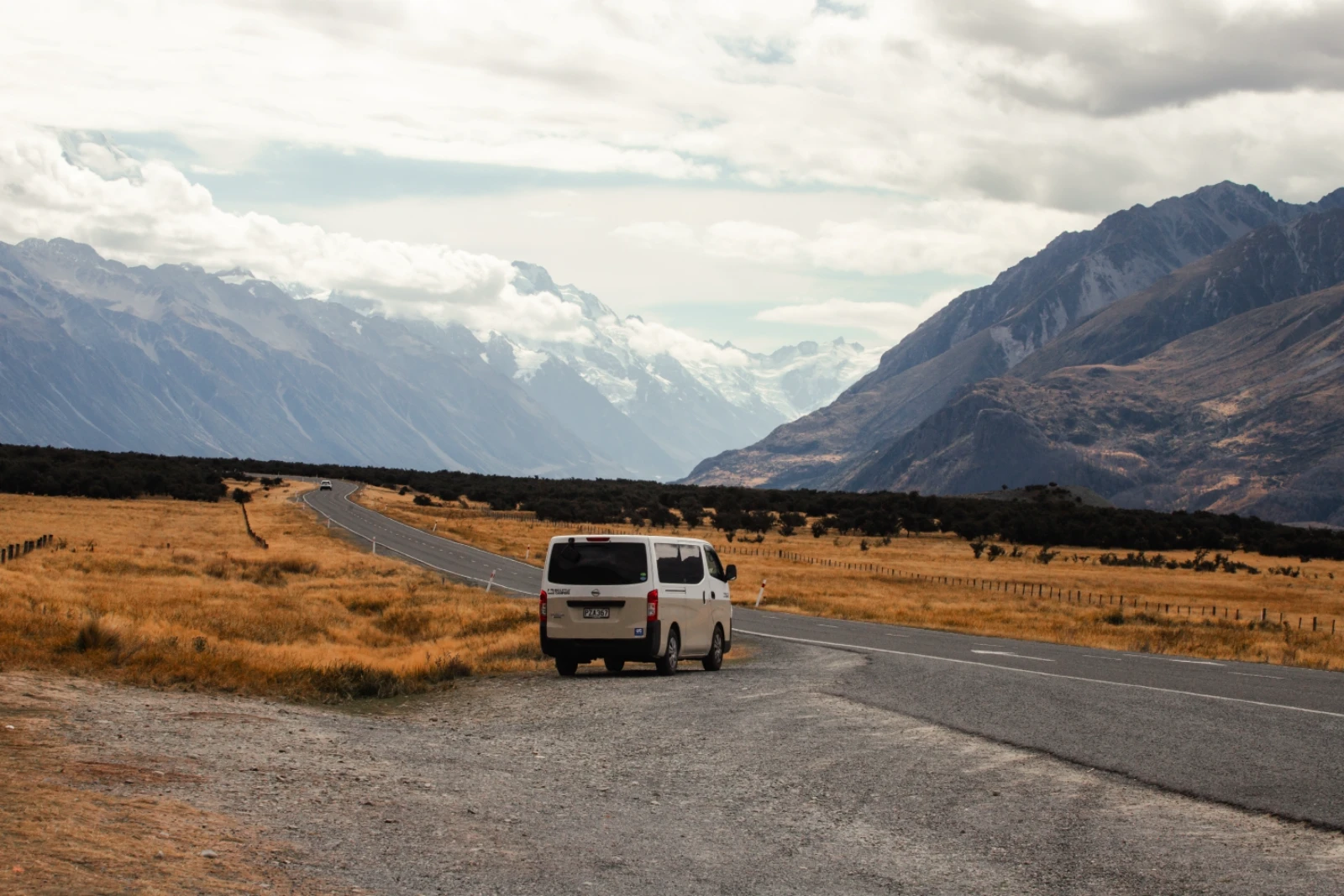
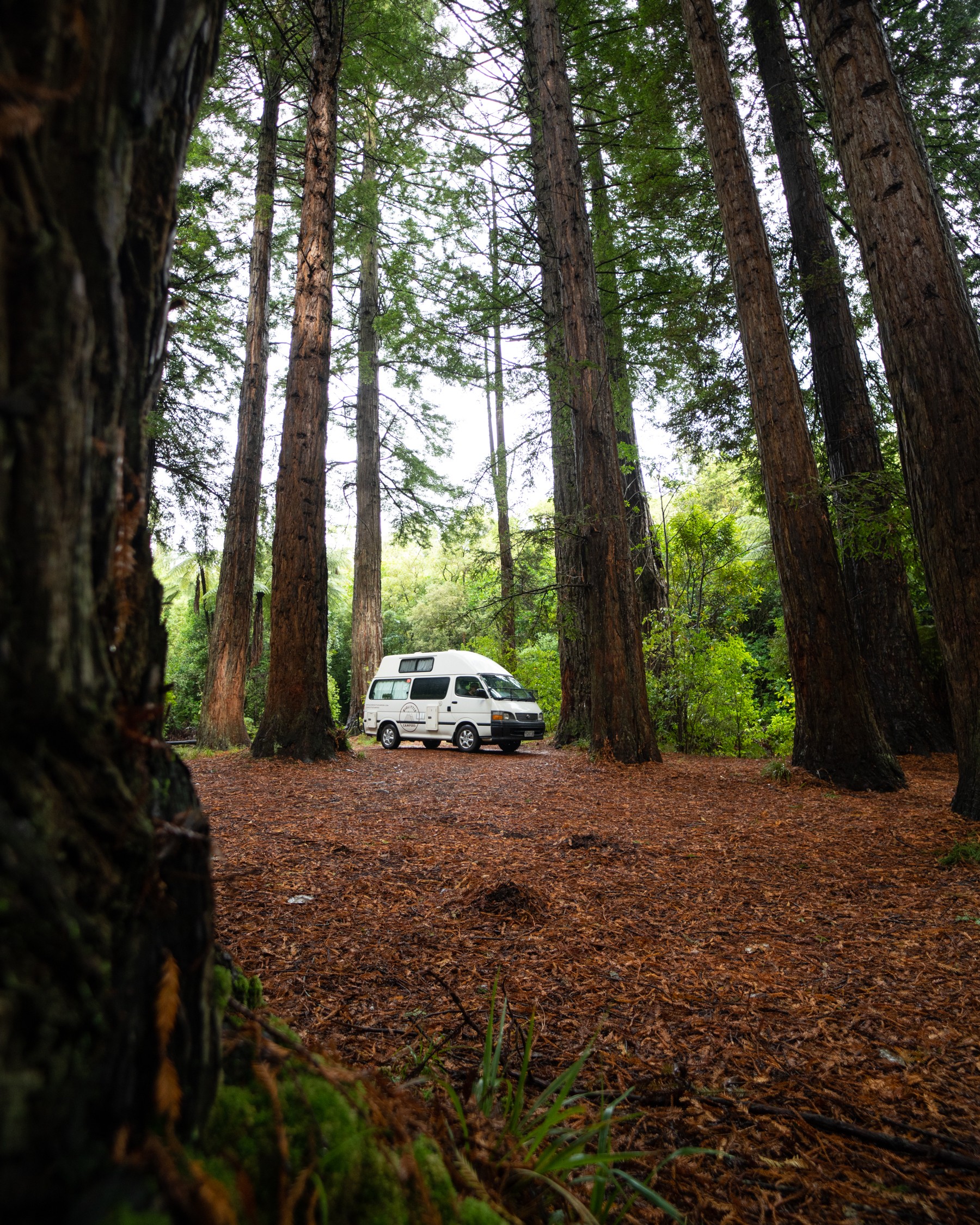
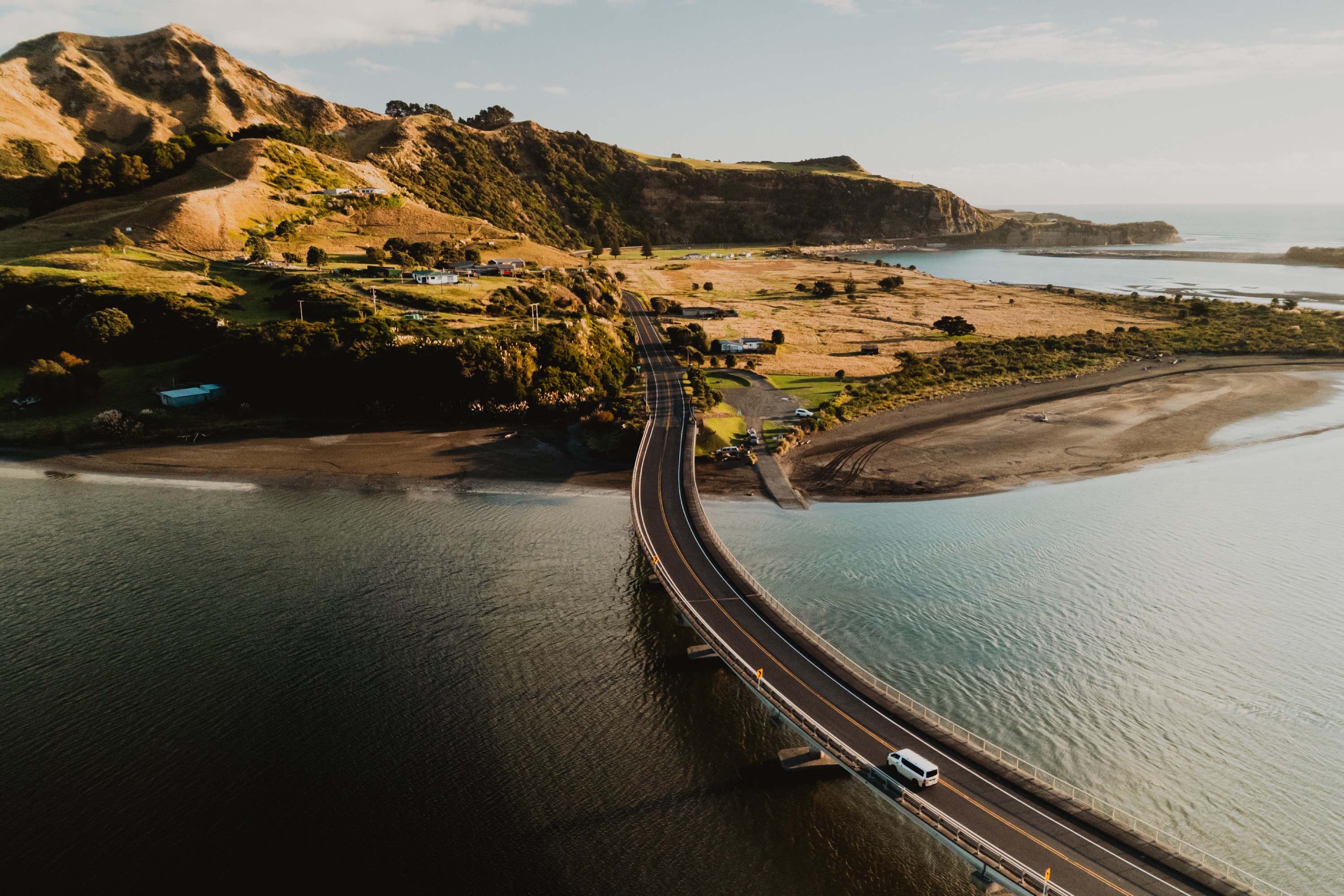
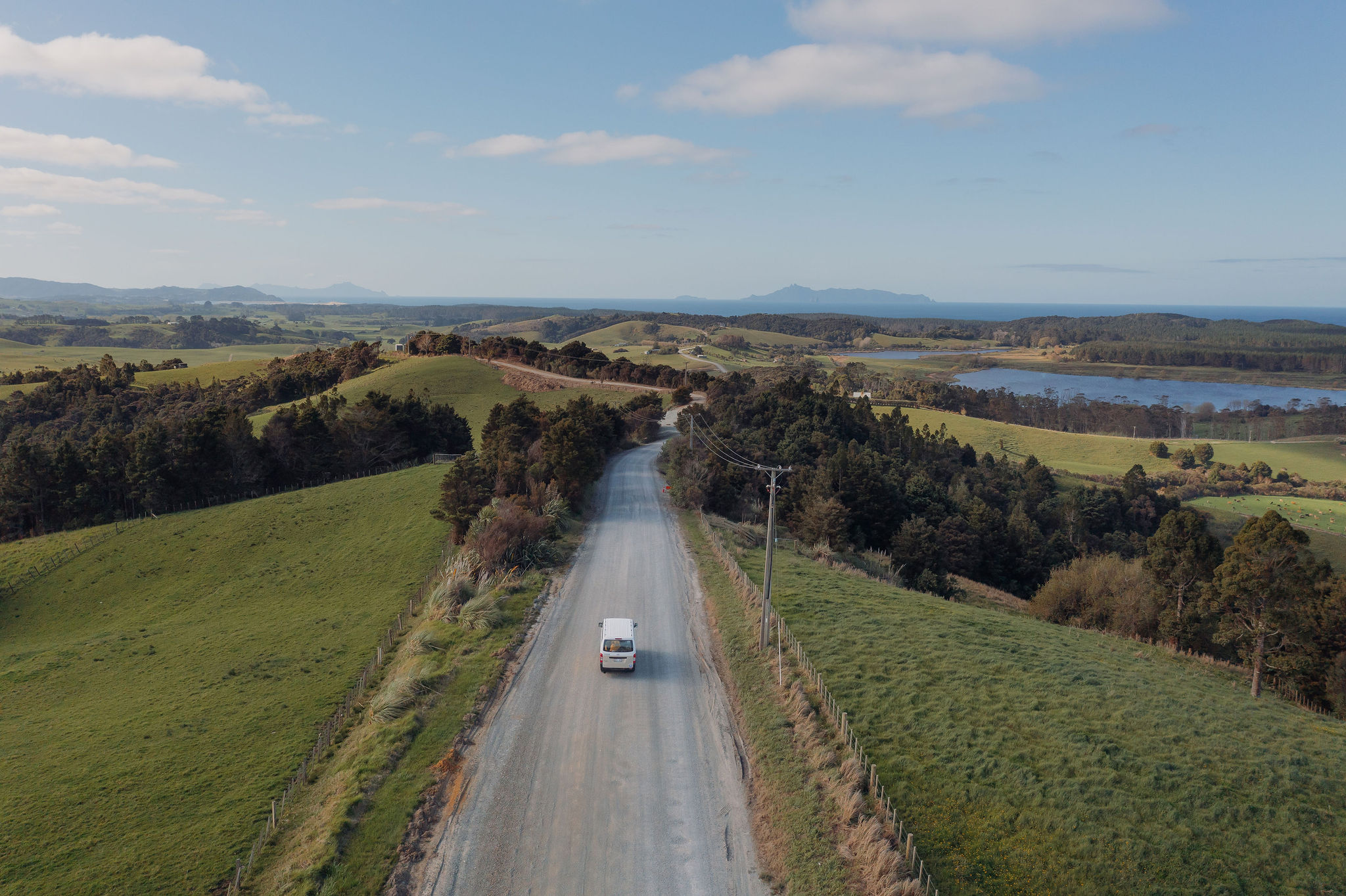
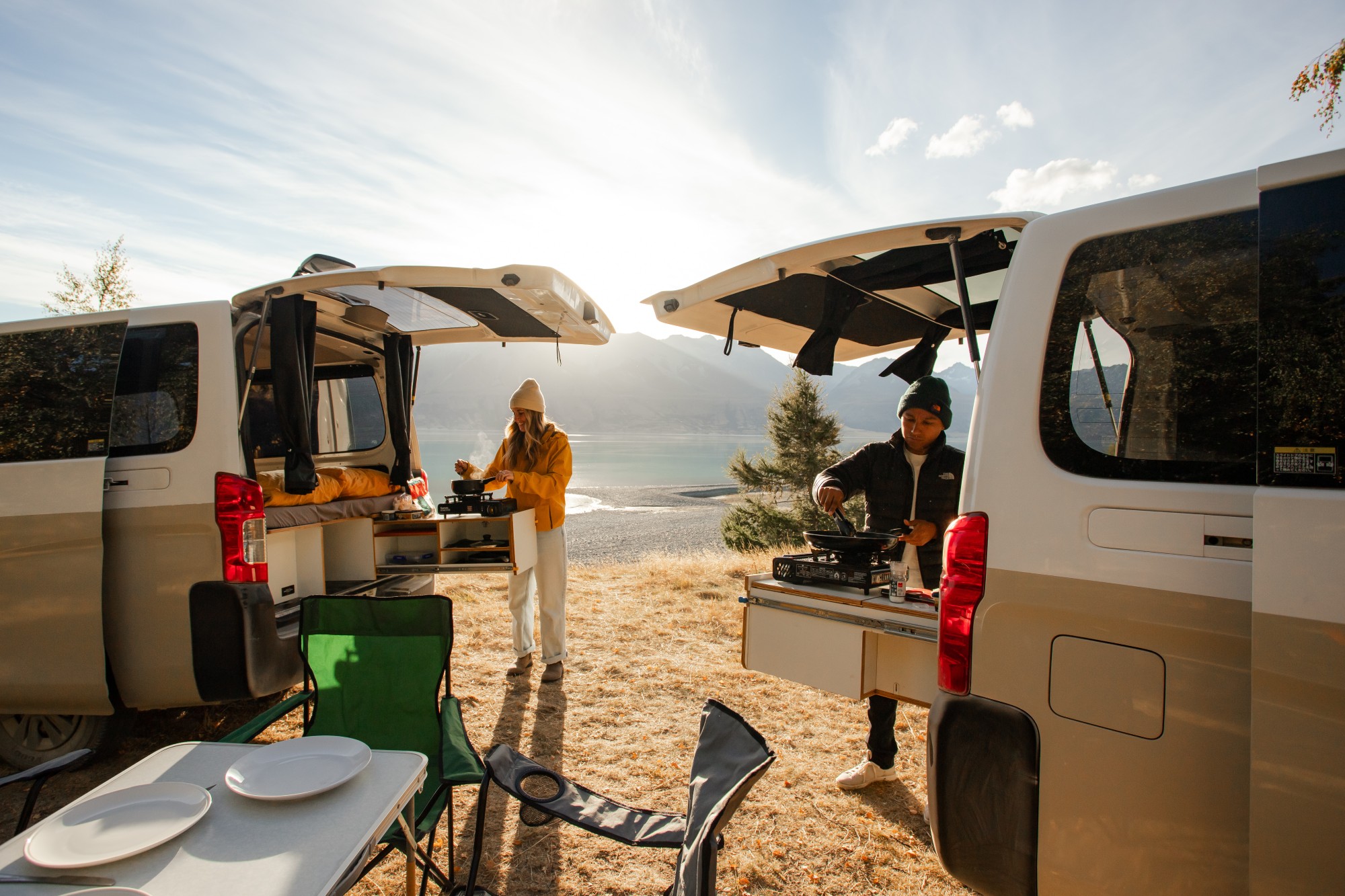
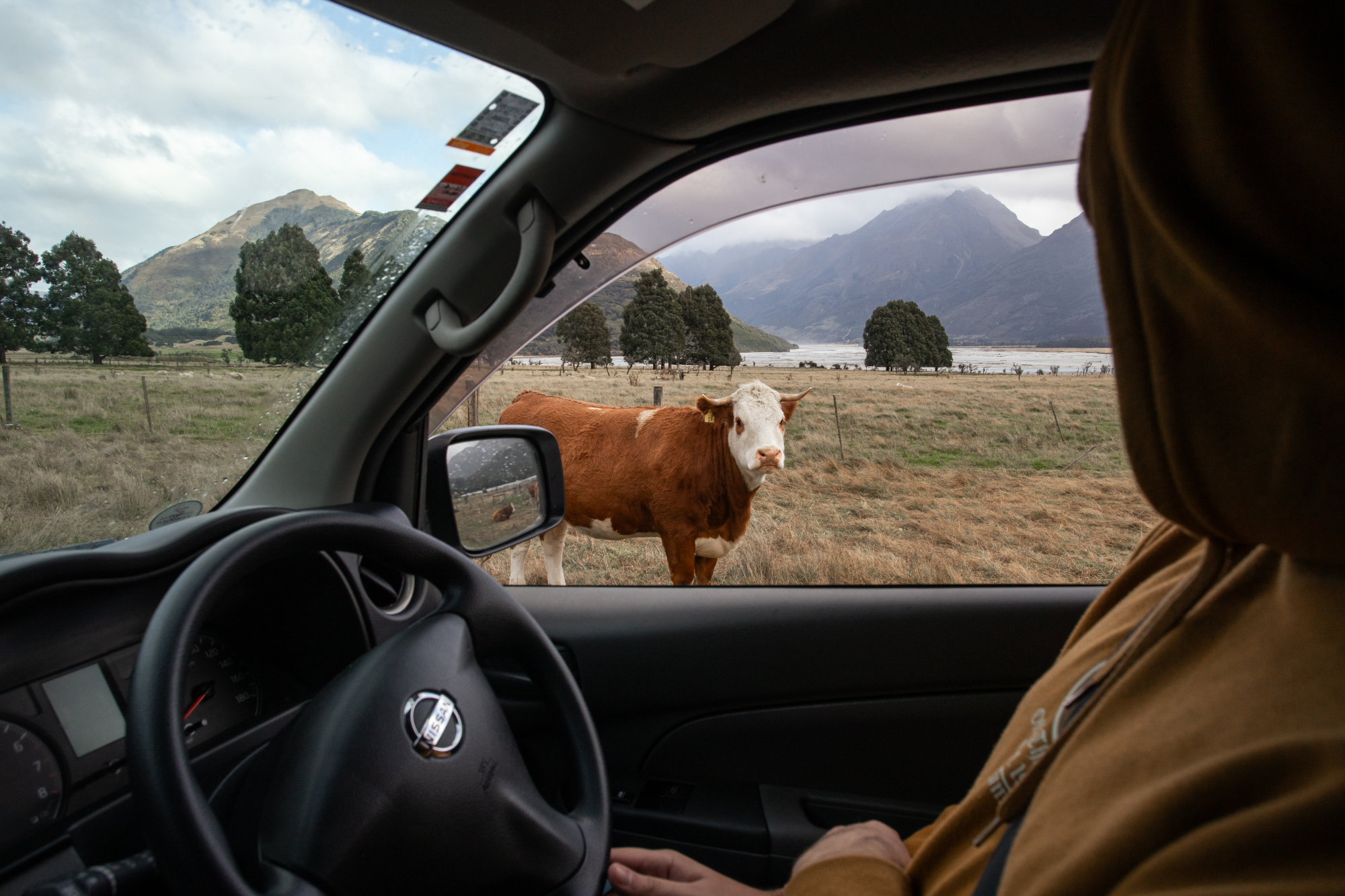
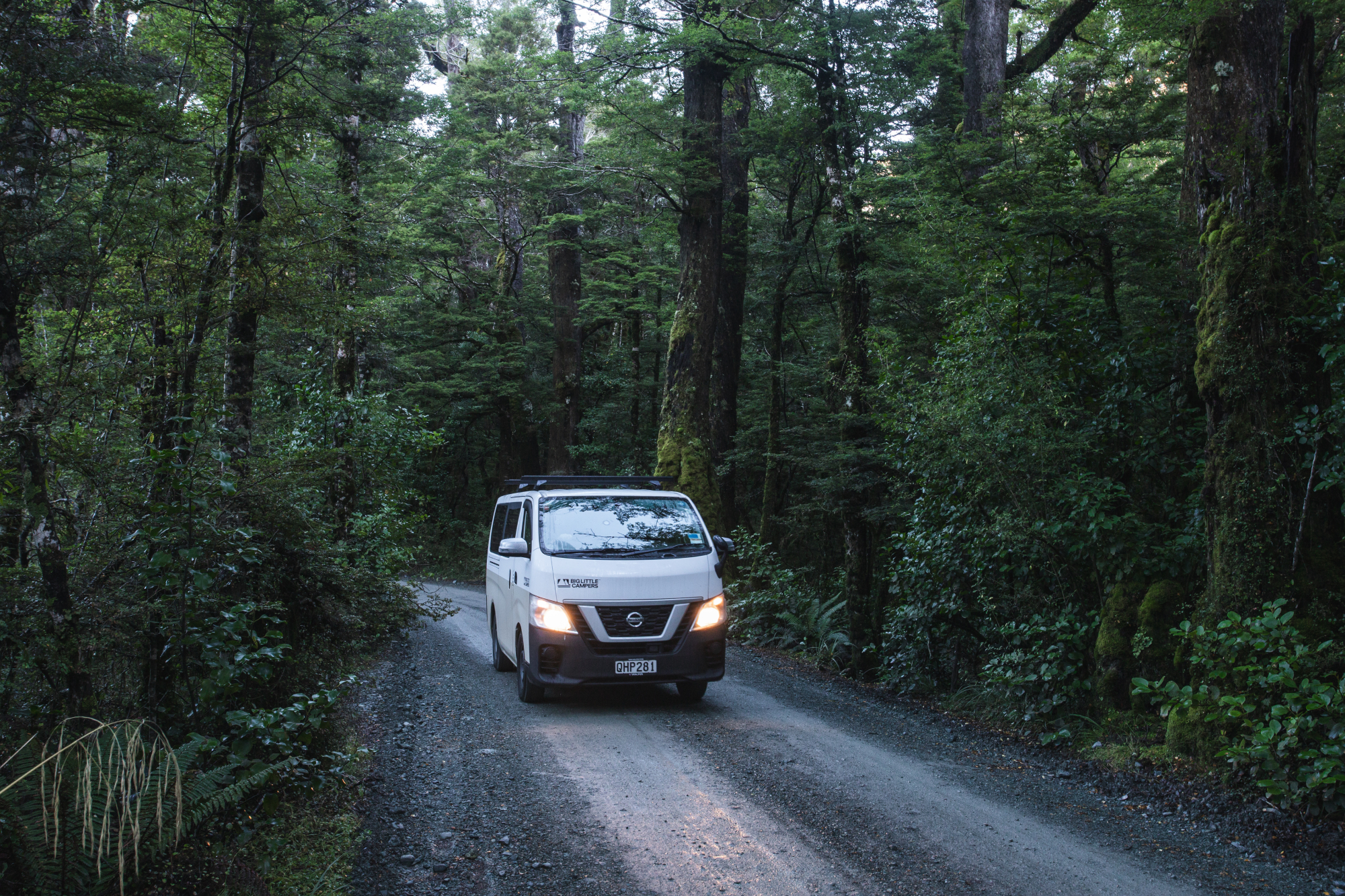
Driving a Campervan (It’s Easier Than You Think)The first ten minutes behind the wheel may feel a bit weird. The van's wider, and you're sitting higher than you're used to. Mirrors become your best friend. That said, if you can drive a car, you can drive a campervan. You just need to ease into it on day one. Stick to quieter roads, take corners a bit slower, and get comfortable with the size. NZ roads are often narrow and winding once you leave the main highways. Use passing bays if traffic builds up behind you. Letting others pass is common courtesy here. If you're coming from a country that drives on the right, the left-hand thing takes a day to get used to. Roundabouts may feel backwards, but just take your time. The NZ Transport Agency has a decent rundown on road rules for visitors. Where You Can Park OvernightFirst-time campervanners often miss this detail. Remember that you can't just pull over anywhere and sleep. Freedom camping is allowed in designated spots, but only if your van is self-contained. That means it has a fixed toilet, a freshwater tank, and a grey water storage. These are all certified and above board. Without it, you're limited to staying overnight at holiday parks. But with a certified campervan, you've got access to hundreds of DOC campsites and council-approved spots. Lakefronts. Forest clearings. Beaches where you can hear the waves from your bed. These are the places that make people fall in love with campervanning. The good news is you don't need to plan every night in detail or in advance. Most campervanners figure it out as they go, and that's part of the appeal of campervanning. What helps is having a rough idea of your options. Holiday parks offer powered sites, hot showers, and laundry facilities. DOC campsites are more basic but often in beautiful locations, usually $8 to $15 a night. And if your van is self-contained, you can freedom camp at designated spots for free. Apps like CamperMate and Rankers show what's nearby wherever you are. Worth downloading before you leave. They work offline, which helps when you're out of mobile range. Our freedom camping guide covers the rules and best practices in more detail. |
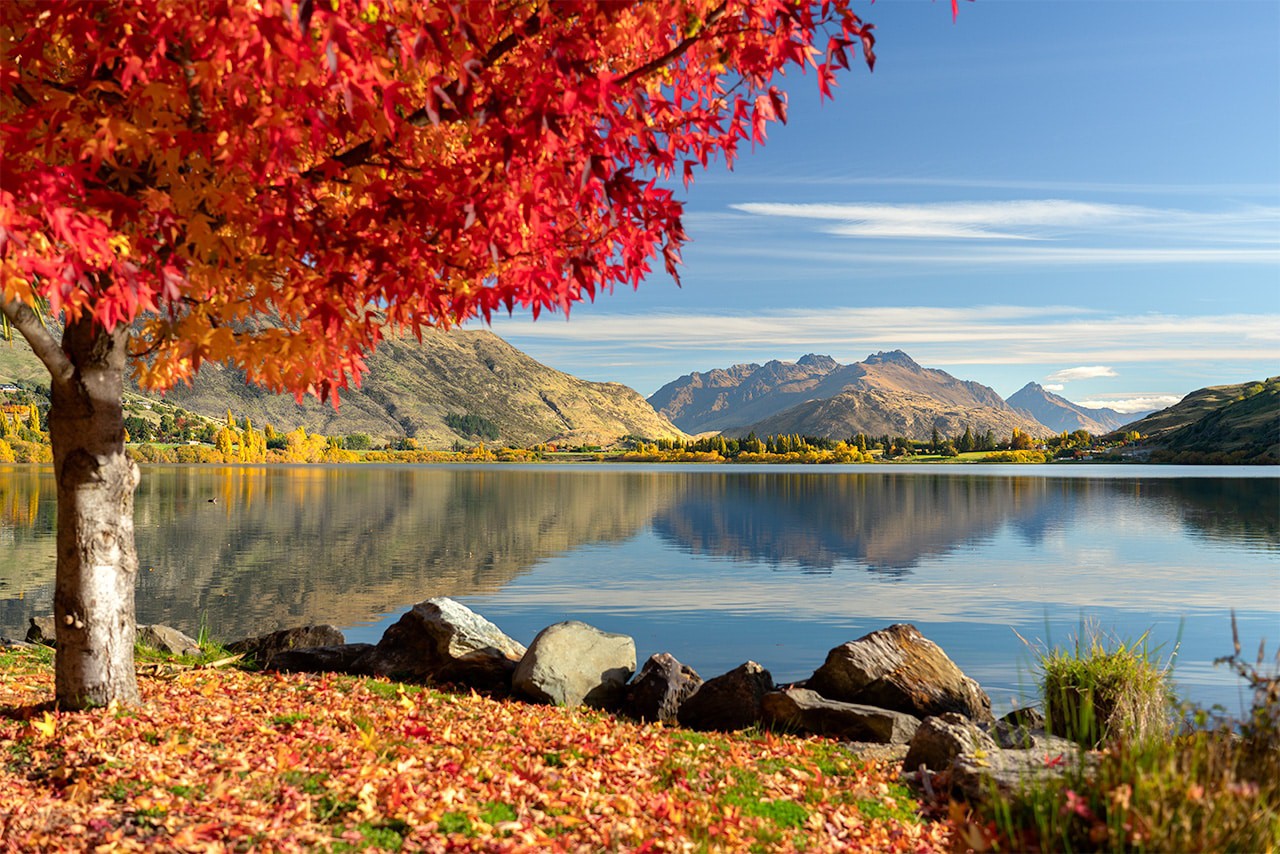
What It CostsCampervan rental in New Zealand runs from around NZ$100 to $300 a day, depending on the season and what you're after. Expect busier roads and higher rates during the summer. Shoulder season (spring and autumn) offers better deals and fewer crowds. We reckon it's the best time to travel. That daily rate covers both your transport and your accommodation. When you compare it to hiring a car, booking motels, and eating out every night, it often works out well. For two people over a couple of weeks, a realistic all-in budget sits around NZ$2,400 to $3,000 including fuel, campsites, and groceries. We've written a full cost breakdown if you want to get into the details. Questions Worth Asking Before You BookIf this is your first time renting a campervan, it can be hard to know what makes a good operator. Here are the questions we'd ask if we were booking for the first time:
|
|
|
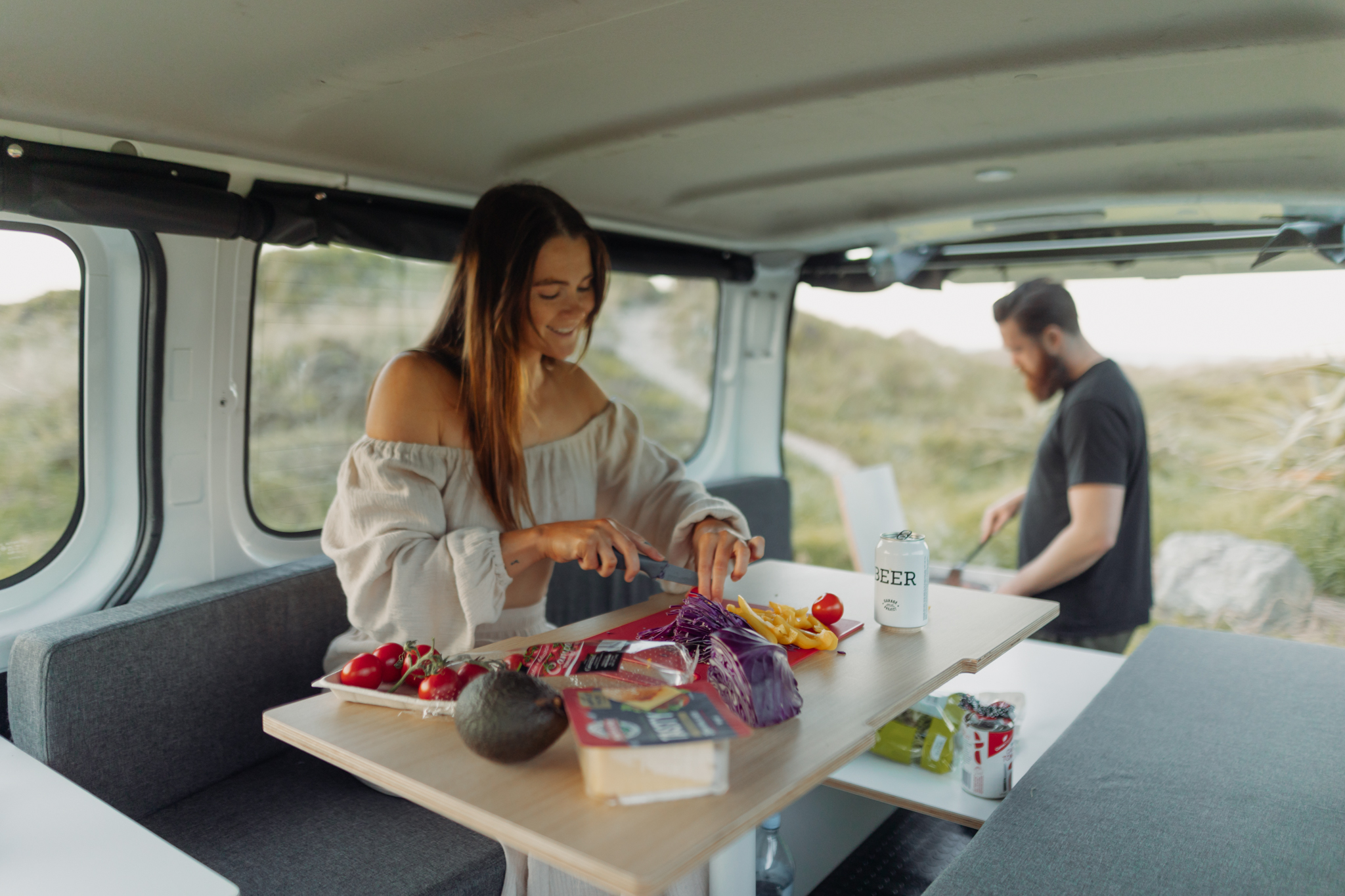
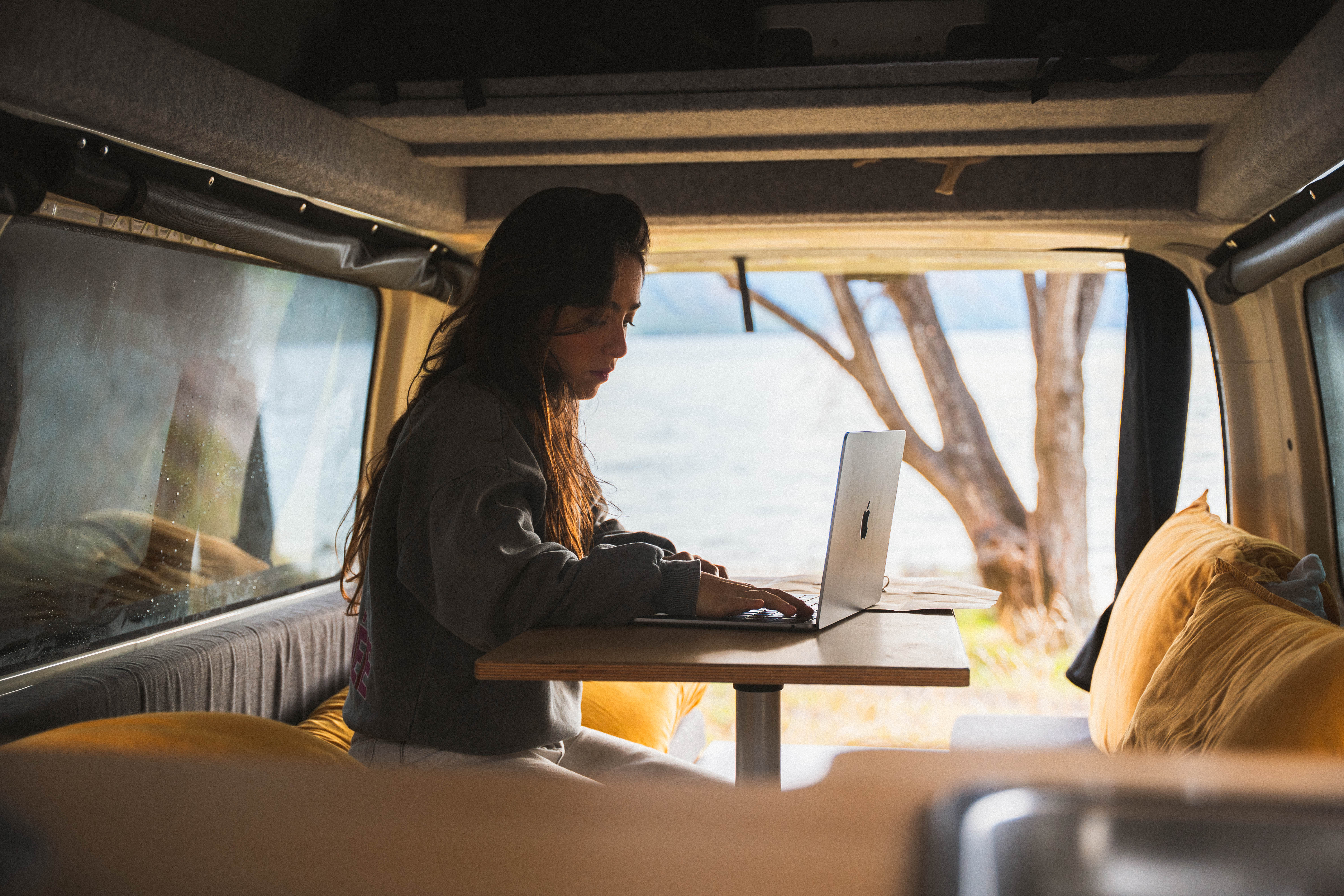
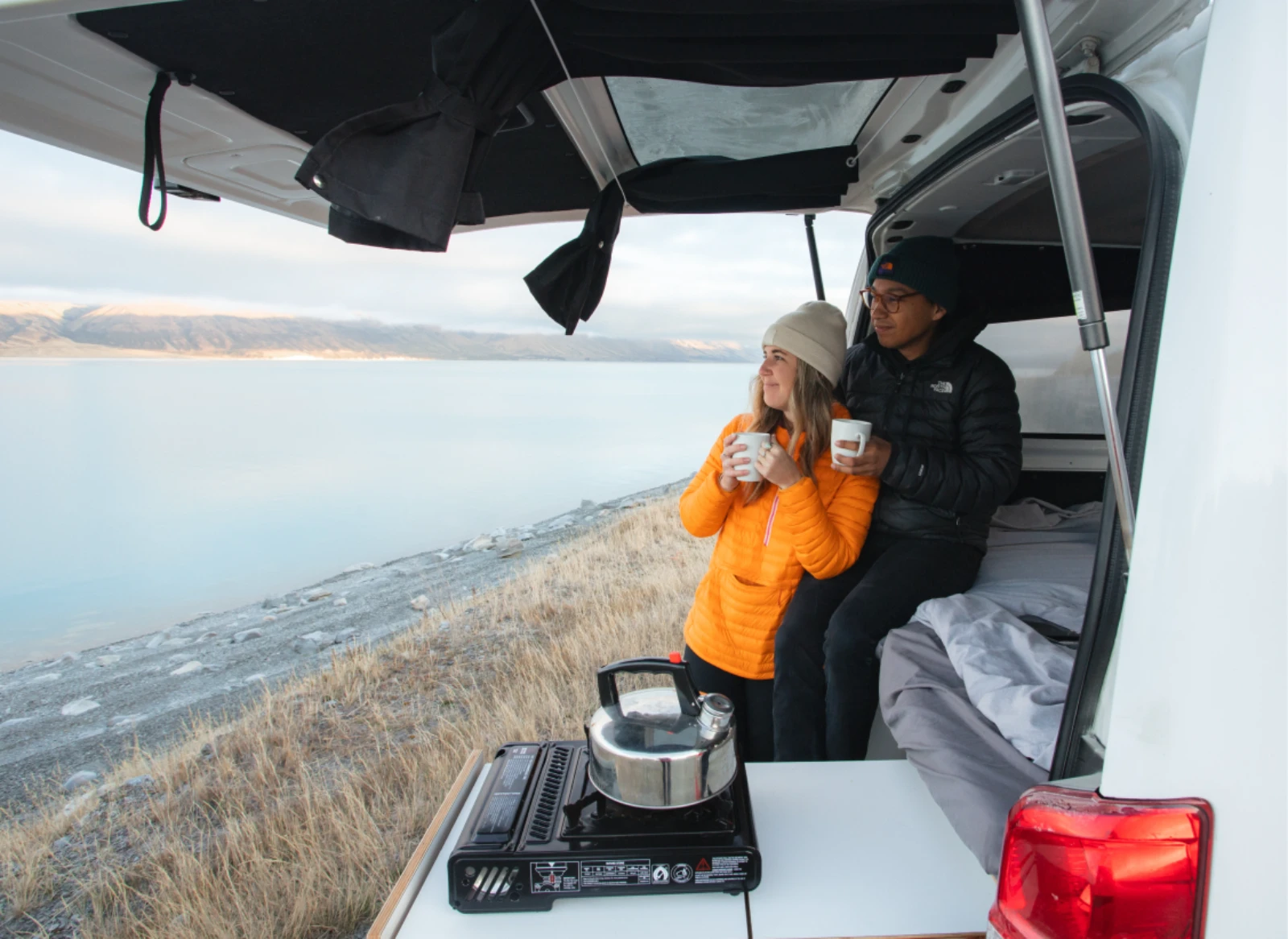
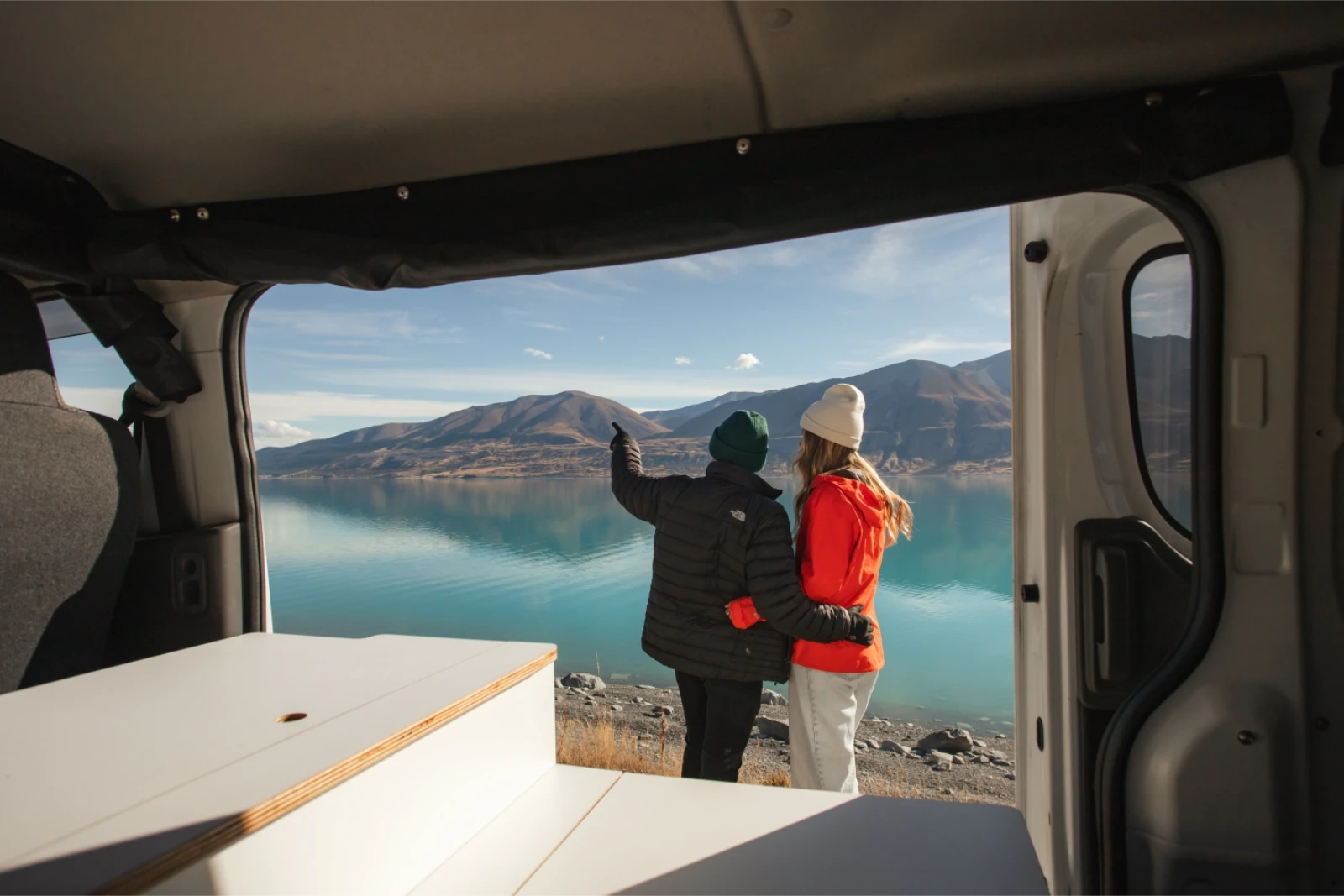
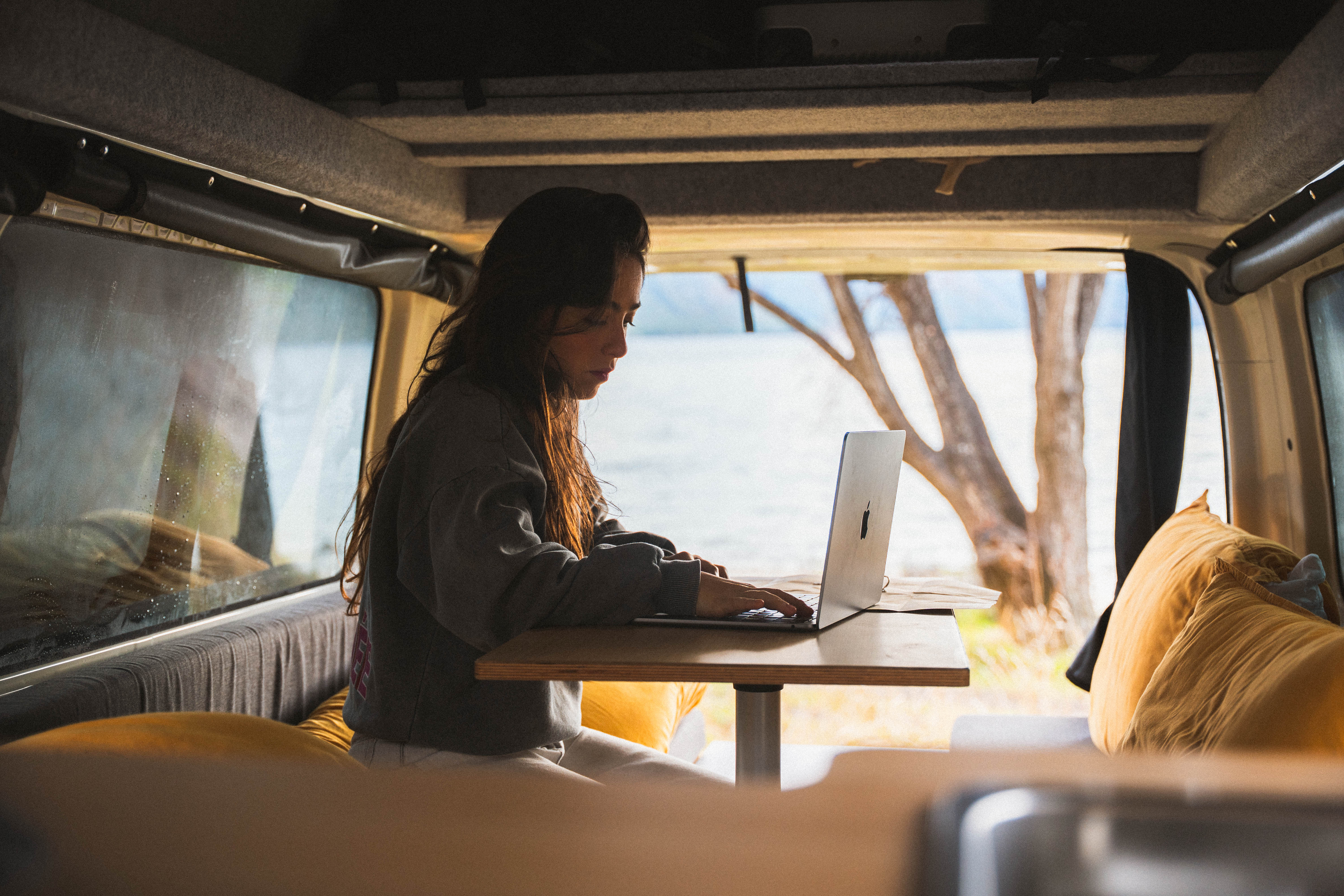
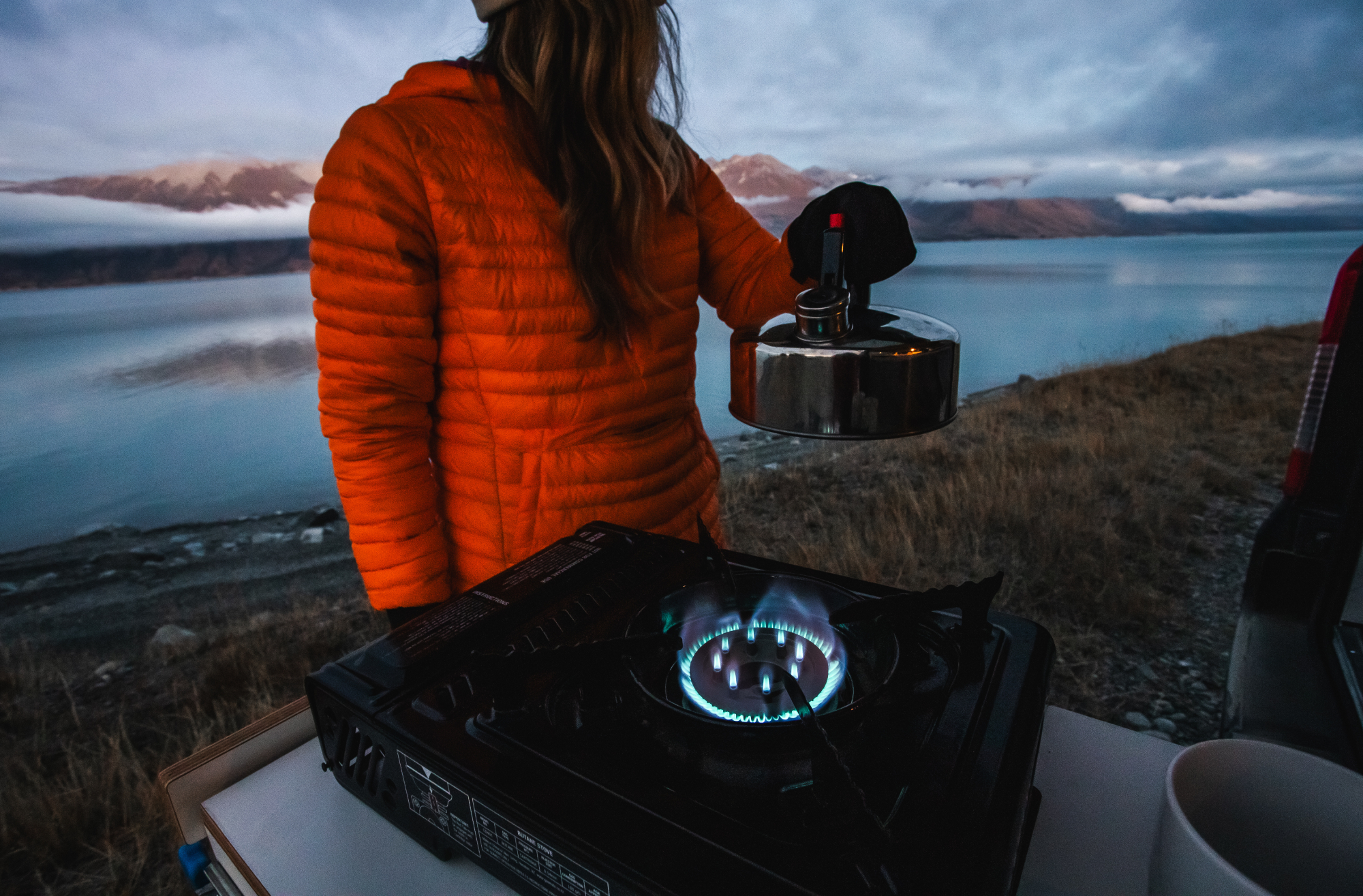
Your First Night on the RoadDon't try to conquer the country on day one. If you've just stepped off a long-haul flight, your body needs rest more than it needs kilometres. Stay somewhere close to the depot, shop for groceries once you have seen the fridge space, and set up camp while there is still daylight. Cooking your first meal in the van and settling in early makes the next day much easier. Getting the Hang of ItMost first-timers come back saying the same thing: they wish they'd done a campervan holiday sooner. There's something about waking up lakeside, making coffee with a view, and knowing that if you like a place, you can just stay. We've helped hundreds of people through their first campervan adventure. We'll walk you through the van properly, answer every question you've got, and make sure you feel sorted before you drive off. |
Never hired a campervan in NZ? No worries. Book with us and we'll make sure you're set up right. Get in touch — we're happy to help you plan.
|
If this is your first time hiring a campervan in New Zealand, it is normal to have questions. Driving something bigger than a car. Working out where to park. Figuring out the day-to-day rhythm of life on the road. We've helped hundreds of first-timers get started. Most arrive with the same concerns. Within a couple of days, they are relaxed, settled, and wondering why they did not do it sooner. Here's what's genuinely useful to know before you go. |
Choosing a Campervan That Works for YouWhen hiring a camper van, bigger isn't always better. A large motorhome might sound appealing until you are squeezing into a tight car park or heading down a narrow gravel road. For two people, a mid-size van tends to be the sweet spot. Enough room to cook dinner without bumping elbows, enough space to wait out a rainy afternoon, and small enough to park without stress. What matters more than size is what's on board. A fixed toilet and proper greywater system mean you're self-contained. These features are your ticket to the best freedom camping spots in the country. A diesel heater means you're not layering up three jumpers when the temperature drops overnight in Fiordland. If you're not sure what setup suits your trip, our guide on how to choose the best campervan for your NZ road trip breaks it down clearly. |
|
What Pickup Looks LikeHiring a campervan is not the same as renting a car. There is more to learn, and that is a good thing. Pickup usually takes around 30 to 45 minutes. We walk you through how everything works. The stove. Water systems. Bed setup. Power. Storage. We would rather take the time upfront than have you trying to figure it out later. Before you leave, check that everything is there. Bedding, cooking gear, utensils, toilet chemicals. These should be standard. If an operator charges extra for basics, it is worth questioning the value. |
|
|
Driving a Campervan (It’s Easier Than You Think)The first ten minutes behind the wheel may feel a bit weird. The van's wider, and you're sitting higher than you're used to. Mirrors become your best friend. That said, if you can drive a car, you can drive a campervan. You just need to ease into it on day one. Stick to quieter roads, take corners a bit slower, and get comfortable with the size. NZ roads are often narrow and winding once you leave the main highways. Use passing bays if traffic builds up behind you. Letting others pass is common courtesy here. If you're coming from a country that drives on the right, the left-hand thing takes a day to get used to. Roundabouts may feel backwards, but just take your time. The NZ Transport Agency has a decent rundown on road rules for visitors. Where You Can Park OvernightFirst-time campervanners often miss this detail. Remember that you can't just pull over anywhere and sleep. Freedom camping is allowed in designated spots, but only if your van is self-contained. That means it has a fixed toilet, a freshwater tank, and a grey water storage. These are all certified and above board. Without it, you're limited to staying overnight at holiday parks. But with a certified campervan, you've got access to hundreds of DOC campsites and council-approved spots. Lakefronts. Forest clearings. Beaches where you can hear the waves from your bed. These are the places that make people fall in love with campervanning. The good news is you don't need to plan every night in detail or in advance. Most campervanners figure it out as they go, and that's part of the appeal of campervanning. What helps is having a rough idea of your options. Holiday parks offer powered sites, hot showers, and laundry facilities. DOC campsites are more basic but often in beautiful locations, usually $8 to $15 a night. And if your van is self-contained, you can freedom camp at designated spots for free. Apps like CamperMate and Rankers show what's nearby wherever you are. Worth downloading before you leave. They work offline, which helps when you're out of mobile range. Our freedom camping guide covers the rules and best practices in more detail. |
What It CostsCampervan rental in New Zealand runs from around NZ$100 to $300 a day, depending on the season and what you're after. Expect busier roads and higher rates during the summer. Shoulder season (spring and autumn) offers better deals and fewer crowds. We reckon it's the best time to travel. That daily rate covers both your transport and your accommodation. When you compare it to hiring a car, booking motels, and eating out every night, it often works out well. For two people over a couple of weeks, a realistic all-in budget sits around NZ$2,400 to $3,000 including fuel, campsites, and groceries. We've written a full cost breakdown if you want to get into the details. Questions Worth Asking Before You BookIf this is your first time renting a campervan, it can be hard to know what makes a good operator. Here are the questions we'd ask if we were booking for the first time:
|
|
|
|
Your First Night on the RoadDon't try to conquer the country on day one. If you've just stepped off a long-haul flight, your body needs rest more than it needs kilometres. Stay somewhere close to the depot, shop for groceries once you have seen the fridge space, and set up camp while there is still daylight. Cooking your first meal in the van and settling in early makes the next day much easier. Getting the Hang of ItMost first-timers come back saying the same thing: they wish they'd done a campervan holiday sooner. There's something about waking up lakeside, making coffee with a view, and knowing that if you like a place, you can just stay. We've helped hundreds of people through their first campervan adventure. We'll walk you through the van properly, answer every question you've got, and make sure you feel sorted before you drive off. |
Never hired a campervan in NZ? No worries. Book with us and we'll make sure you're set up right. Get in touch — we're happy to help you plan.
Read more






.jpg)
.jpg)
.jpg)
.jpg)
.jpg)

.jpg)
.jpg)



.jpg)