Chat with a human
Let us help you pick the perfect camper for your once in a lifetime adventure
.jpg)
|
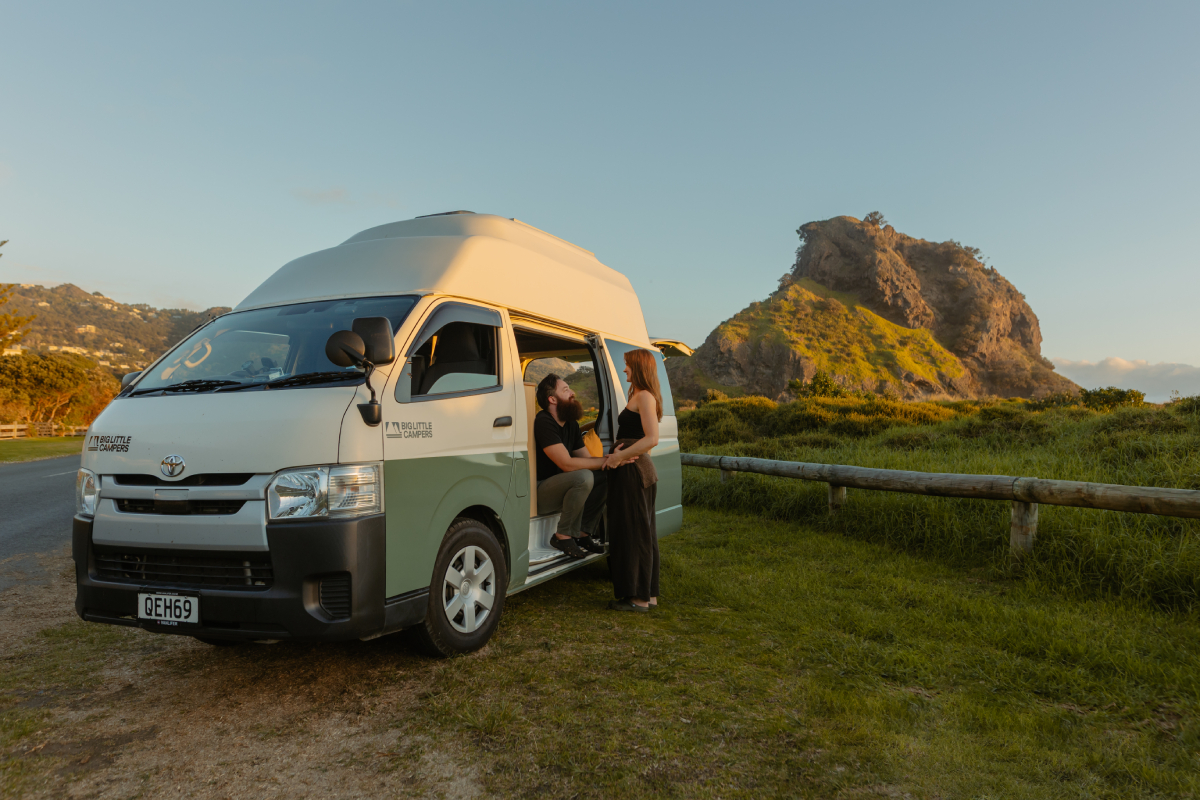
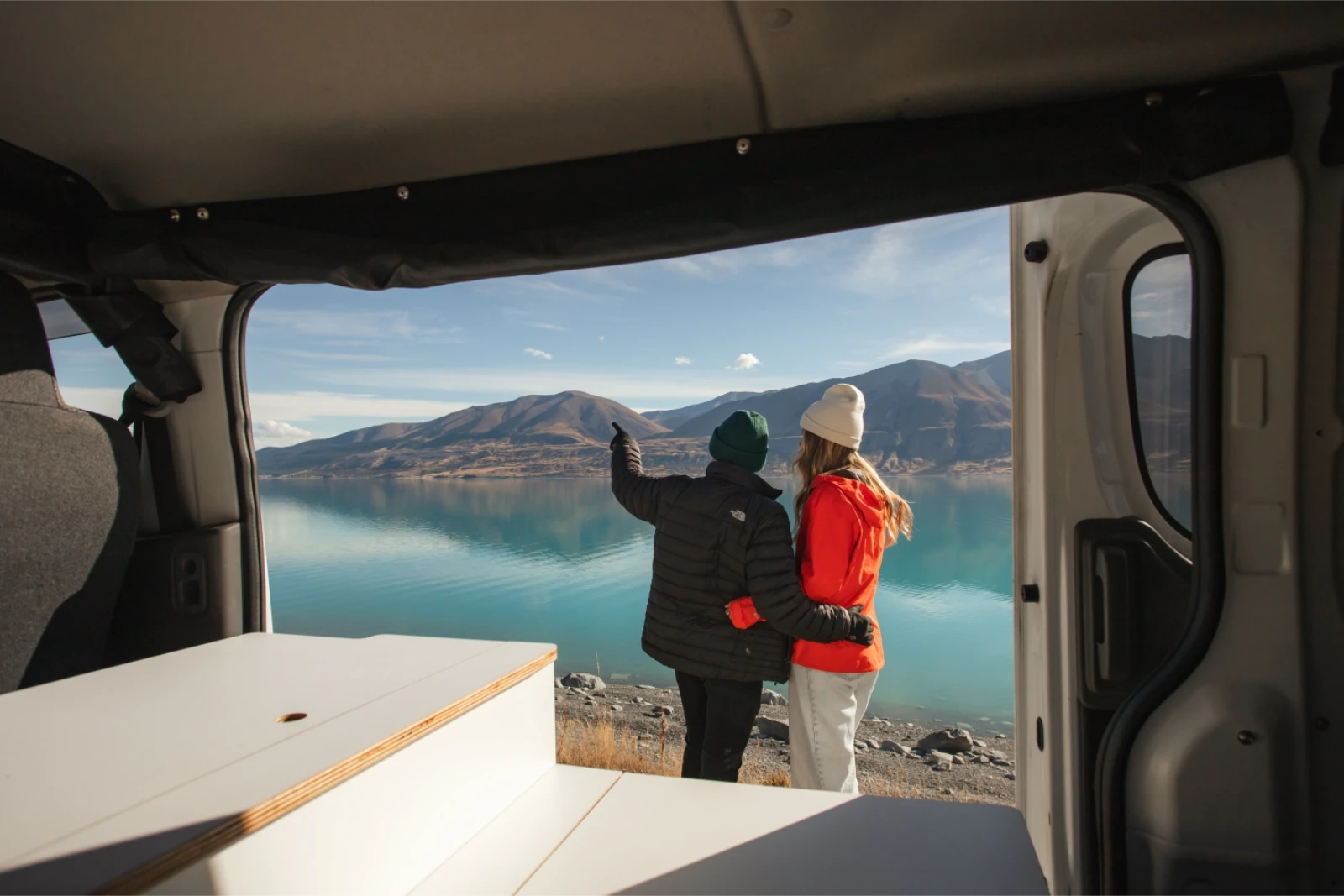
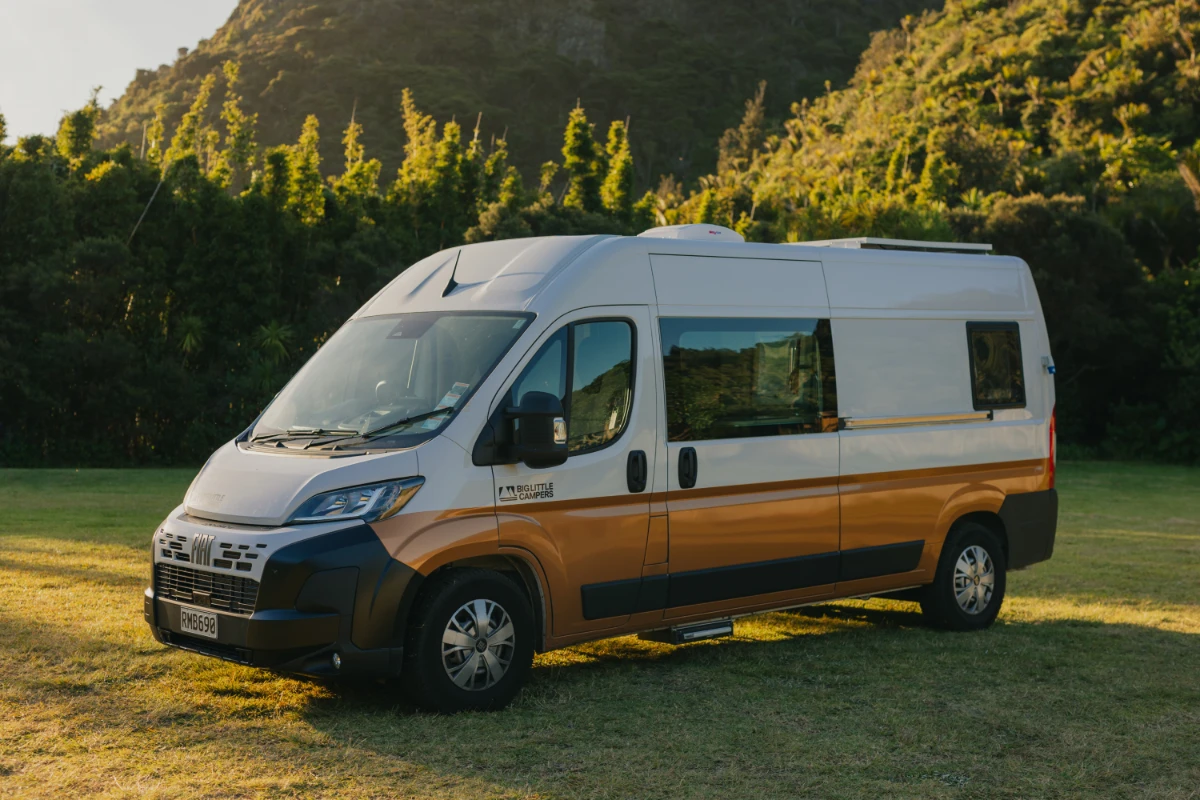
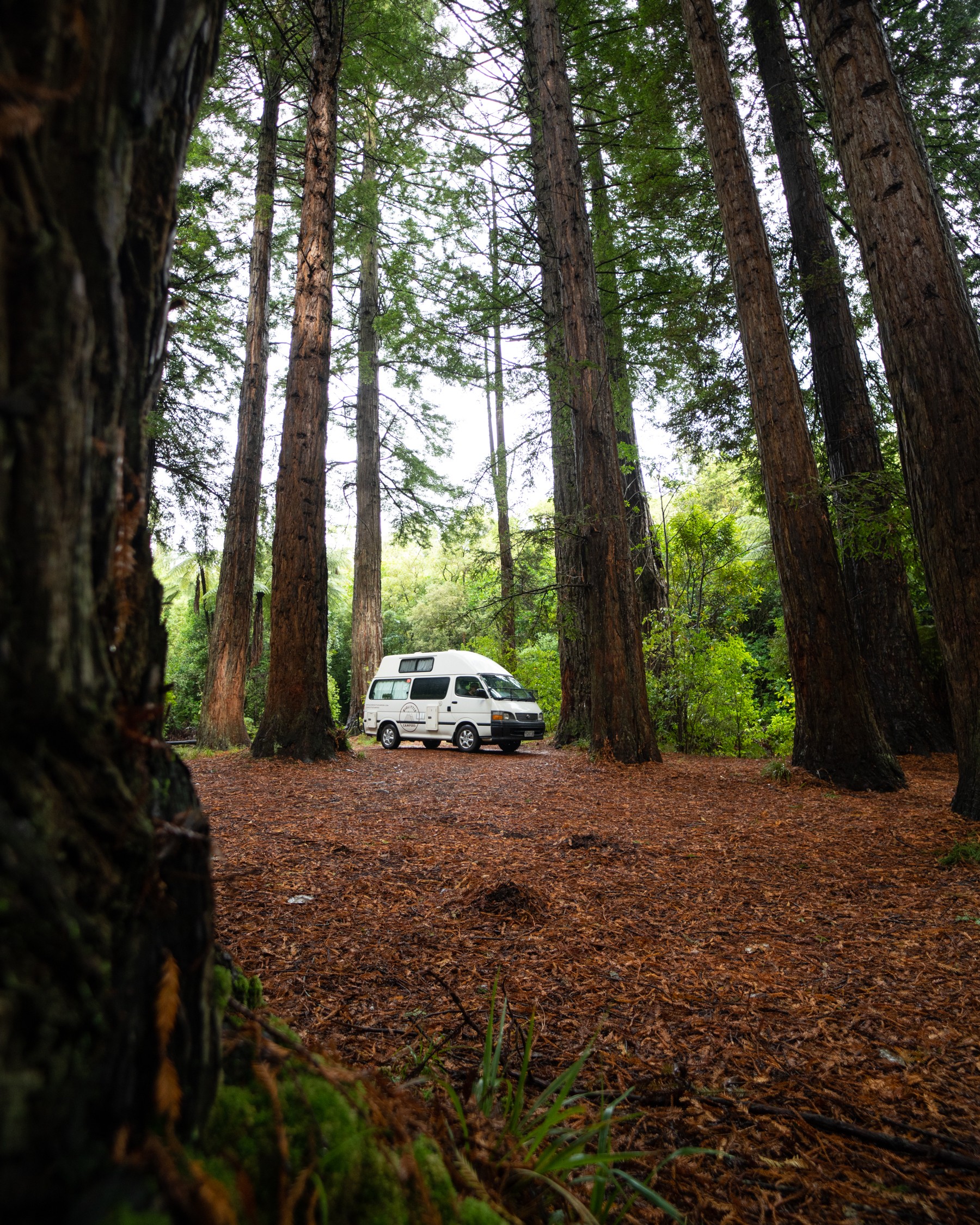
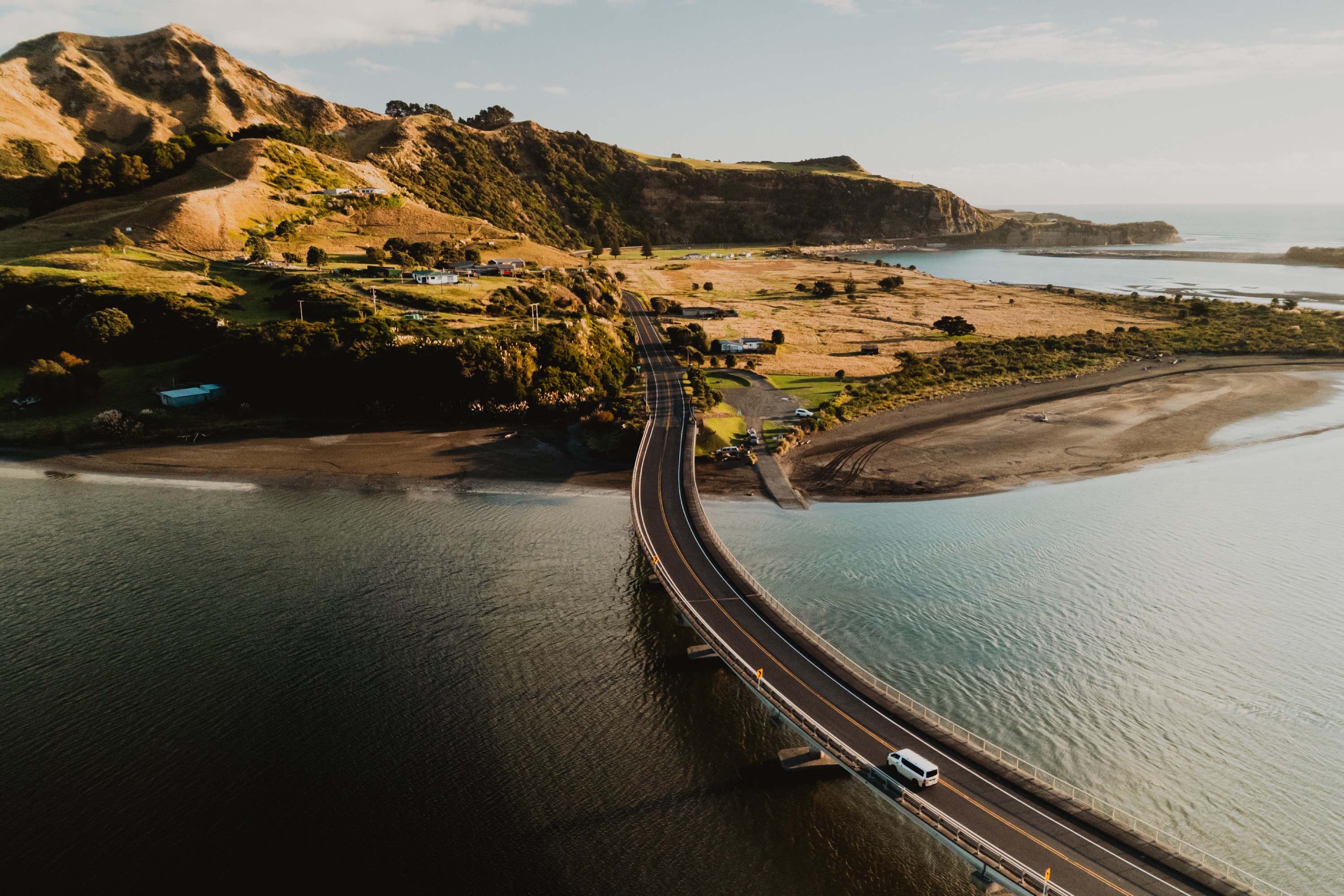
Hiring a self-contained campervan in New Zealand opens up the kind of road trip most people only stumble across by luck. You get access to lakesides, beaches, forest clearings, and quiet corners that you’d never find if you were locked into holiday parks every night If your van is properly certified, you can freedom camp in some of the most unreal spots across both islands. We’ve parked up at places that still make us shake our heads and say, “How is this free?” Here’s how self-contained camping works in NZ and where to find the best spots. |
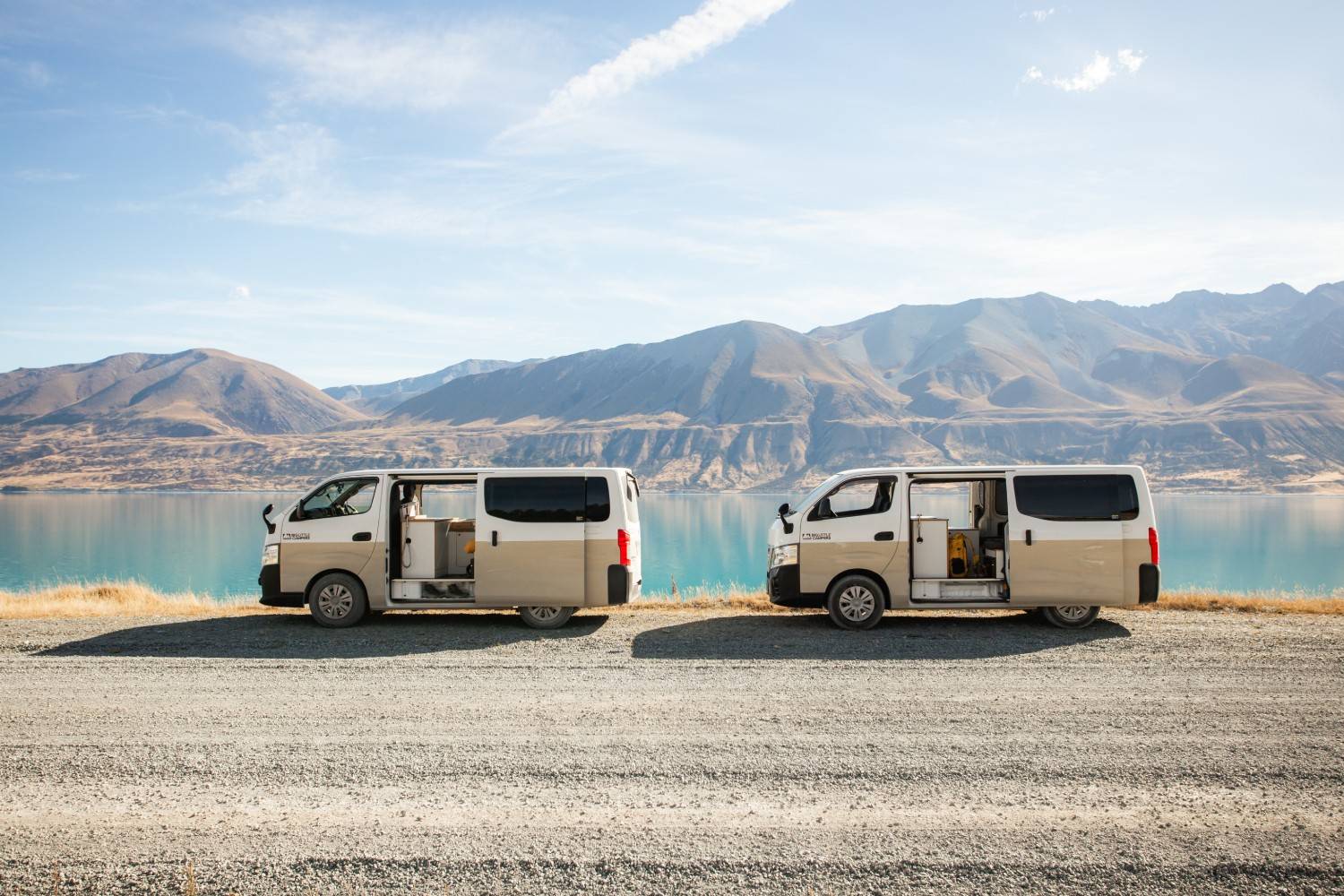
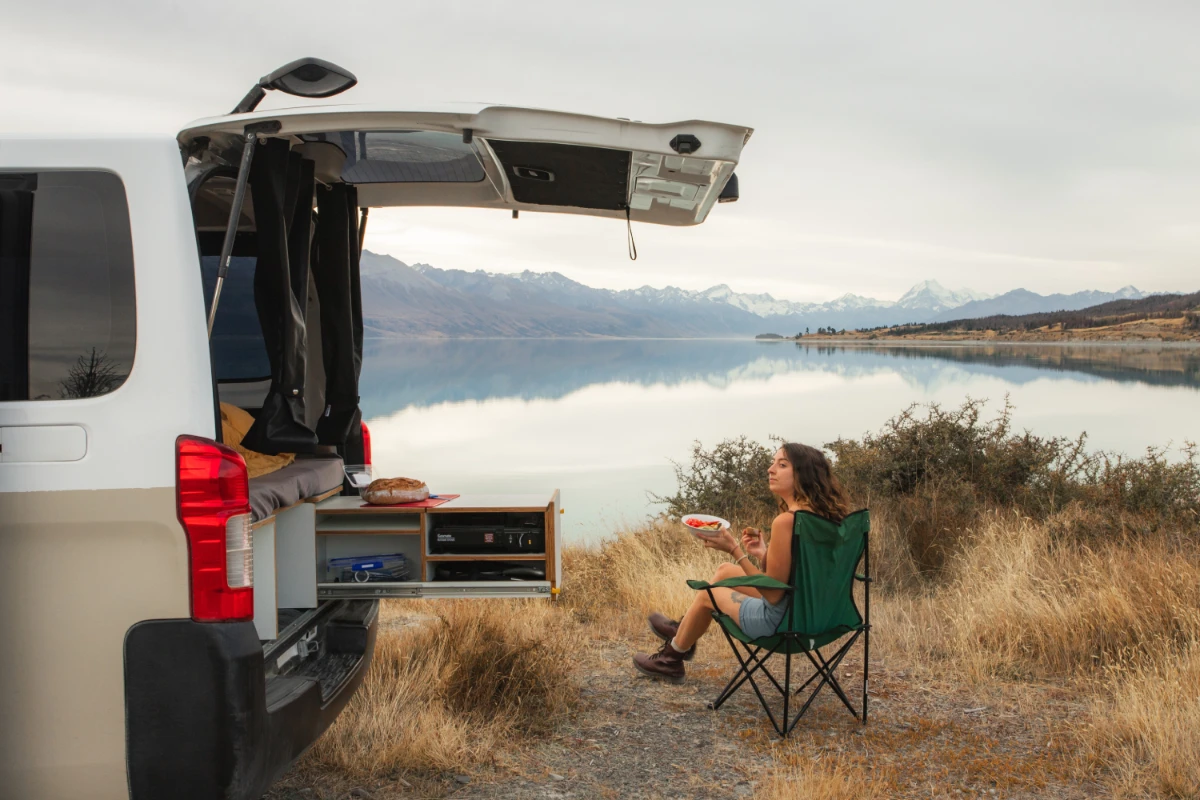
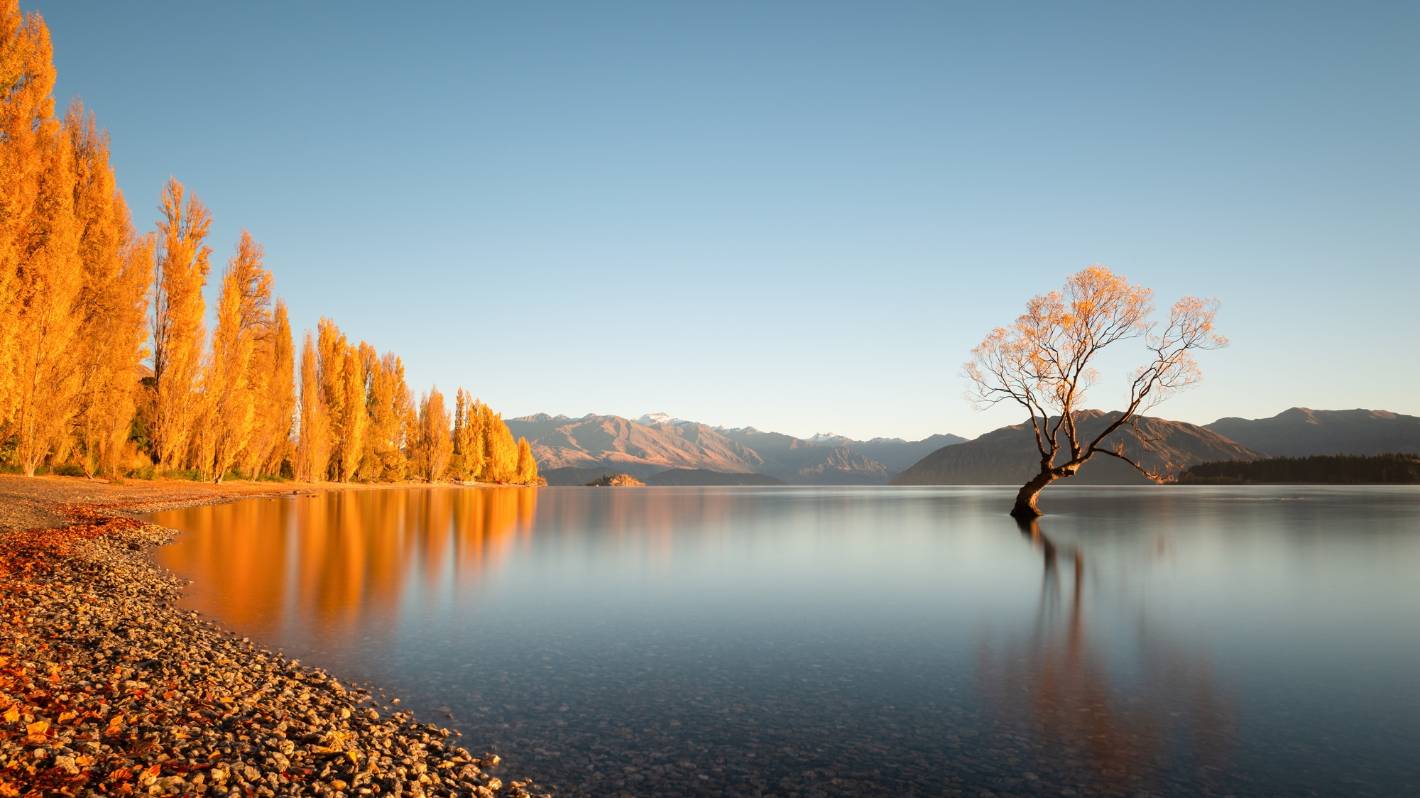
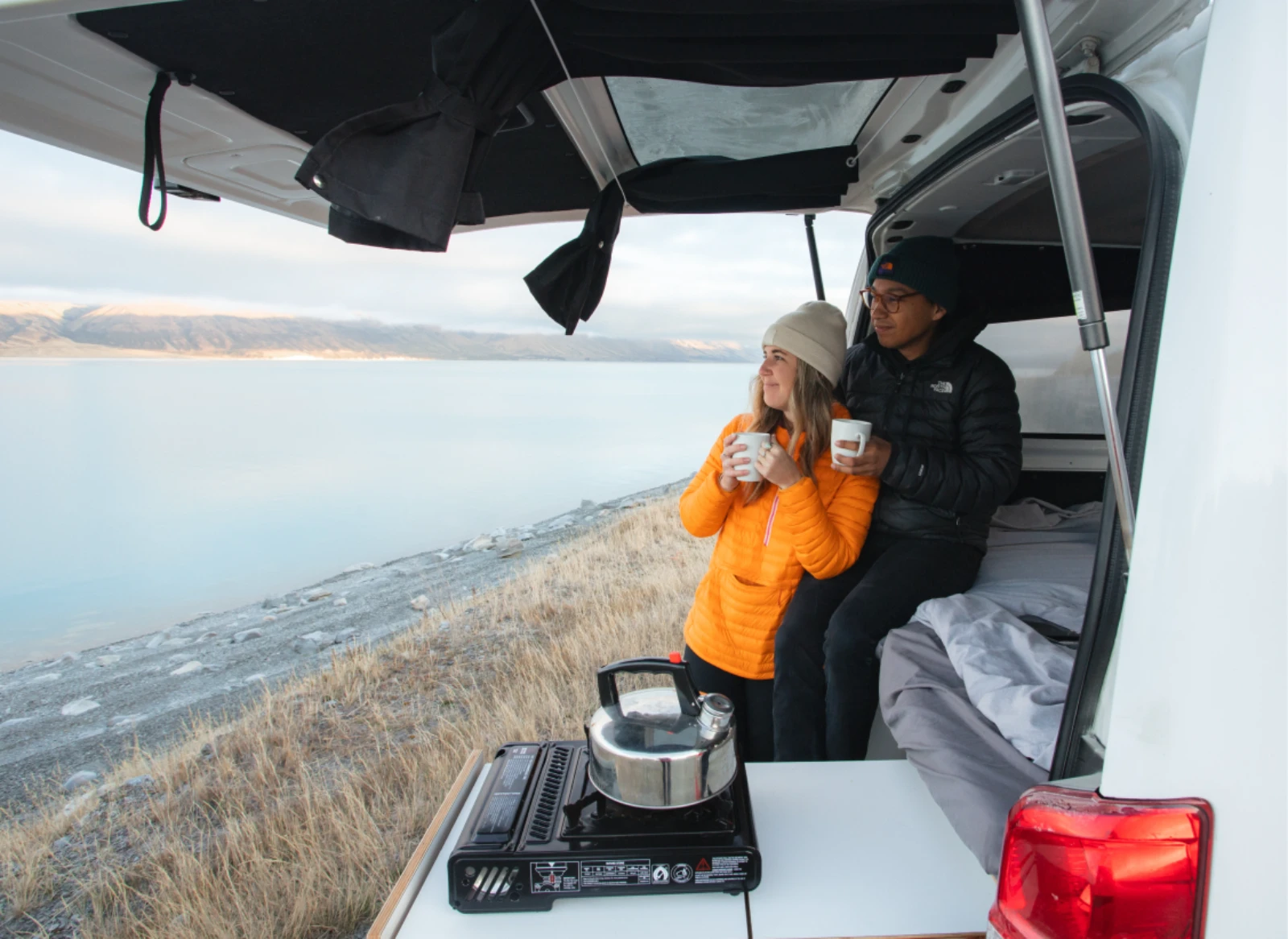
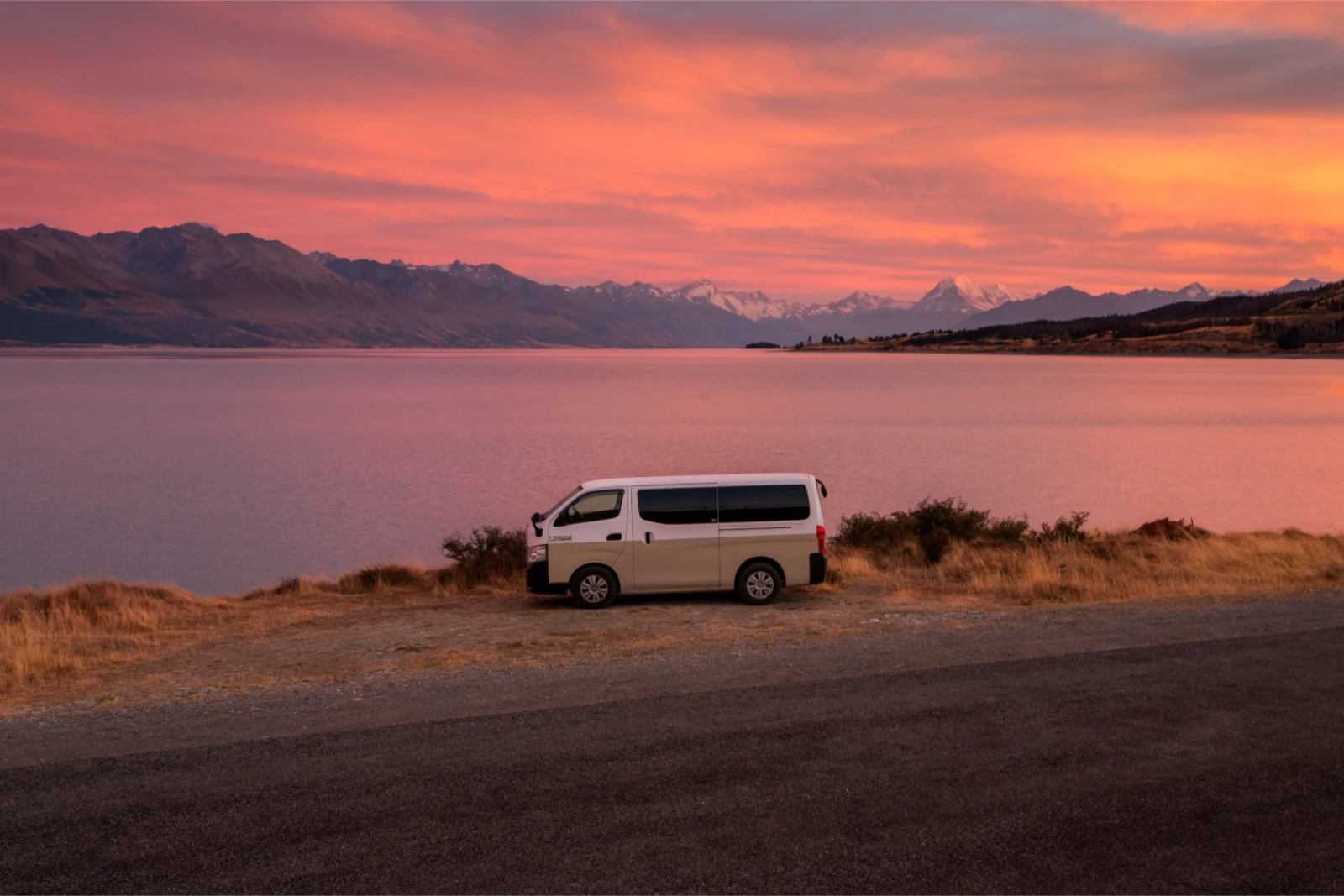
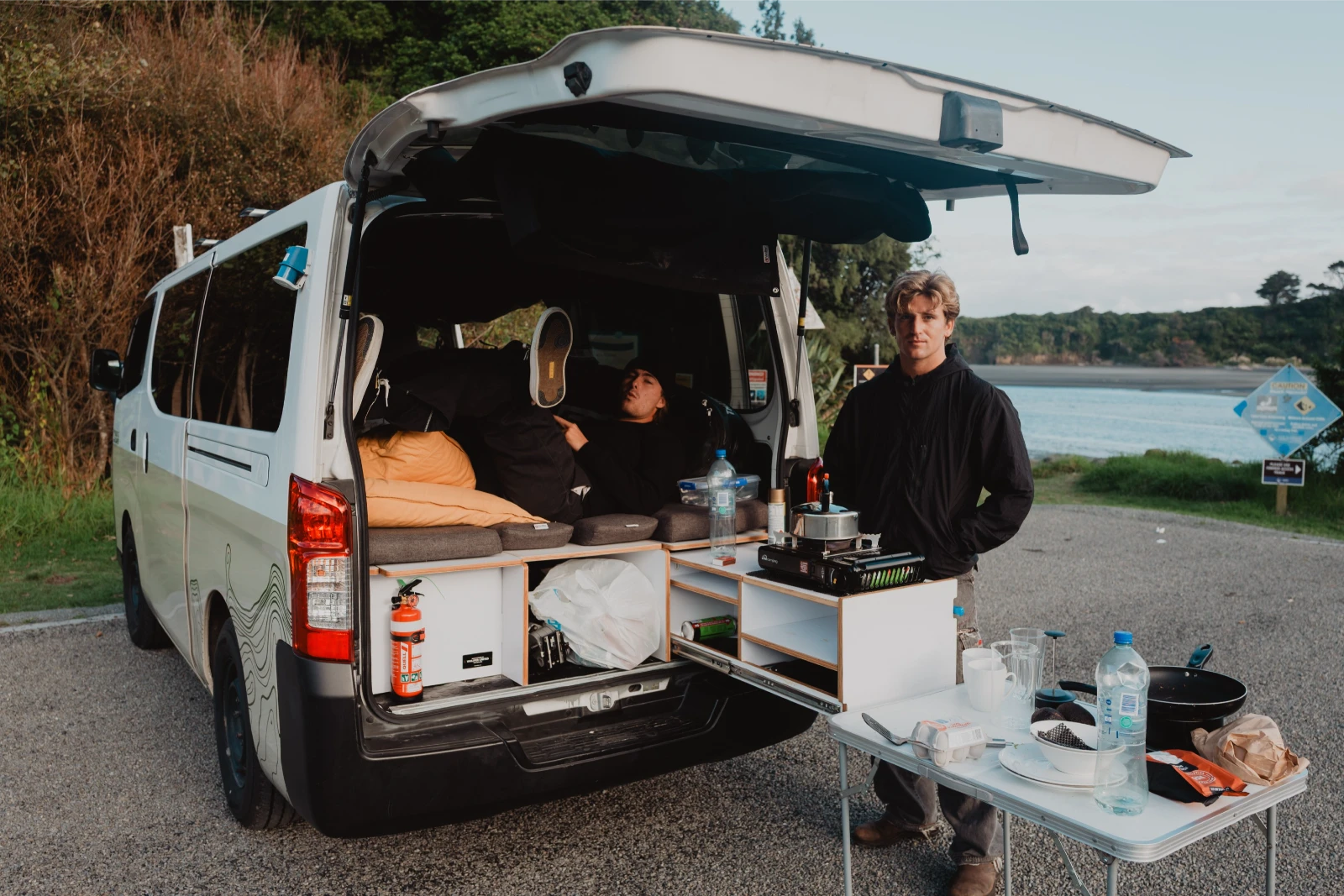
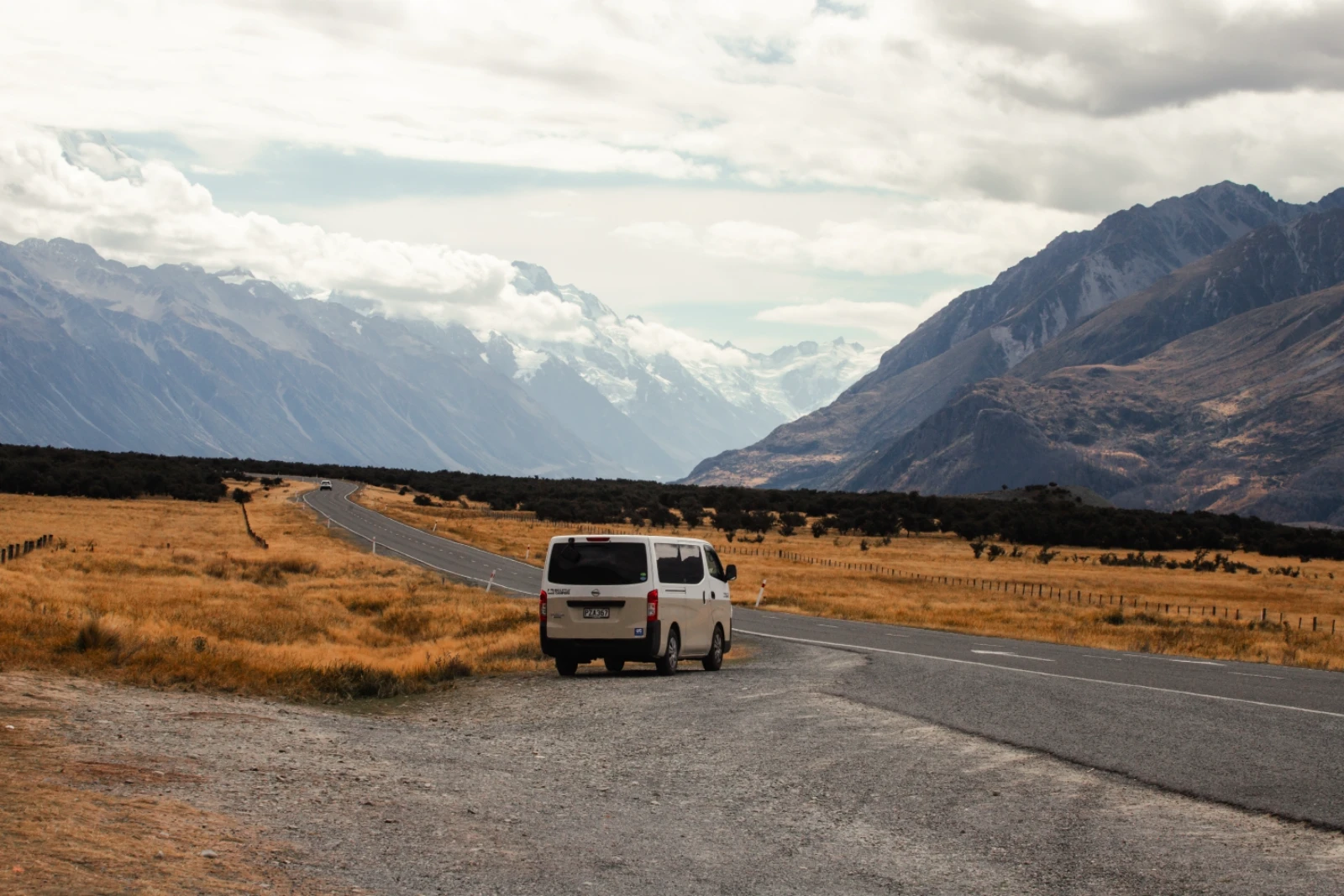
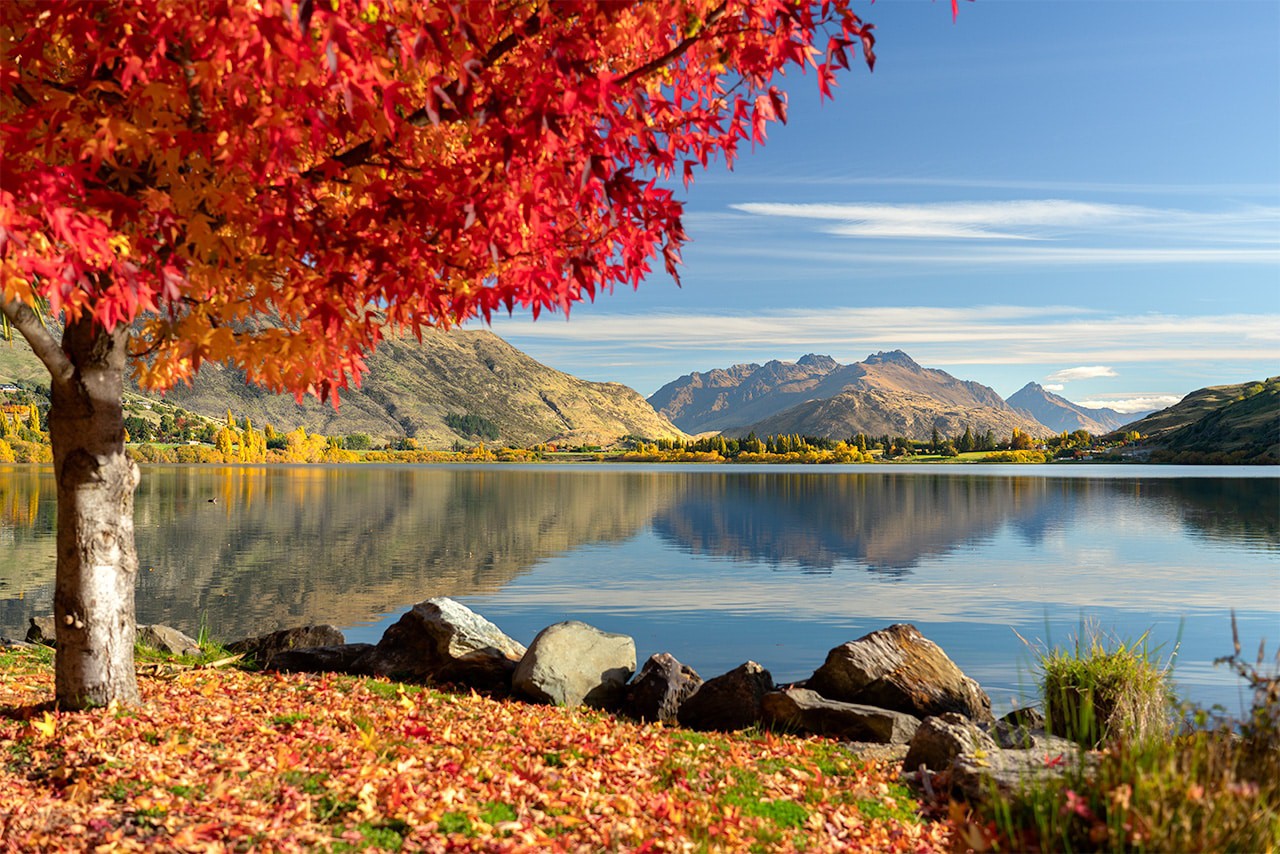
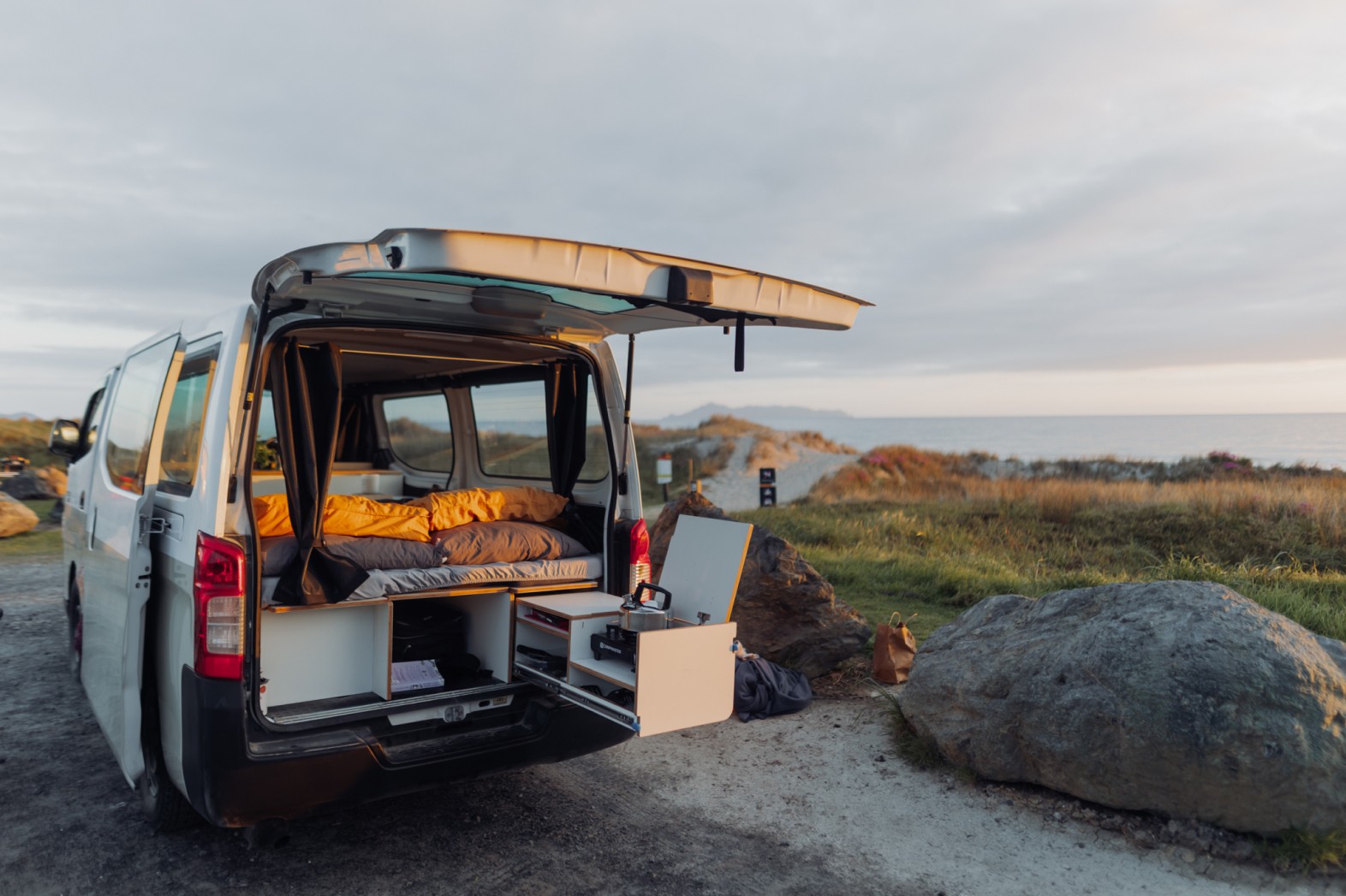
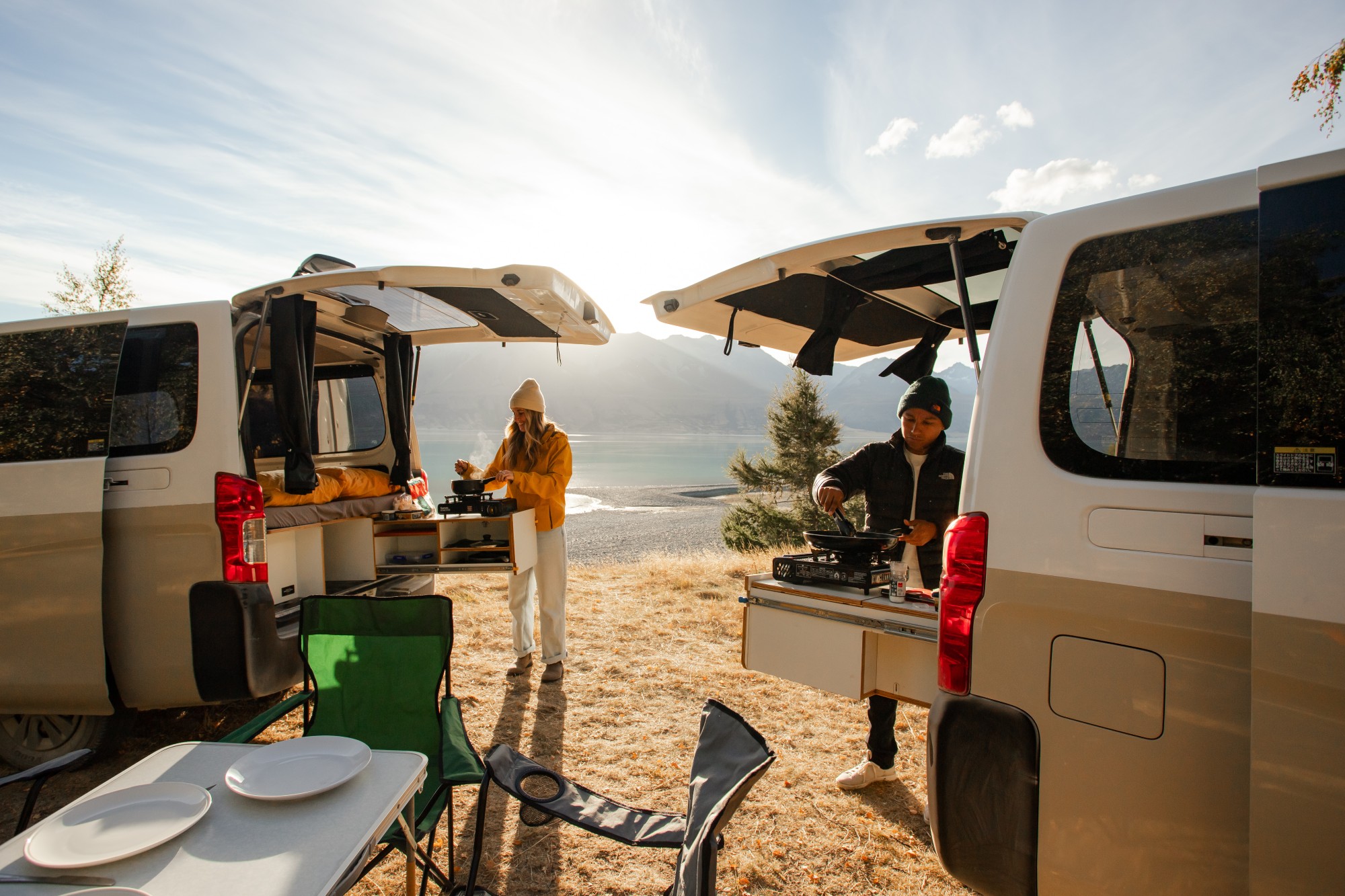
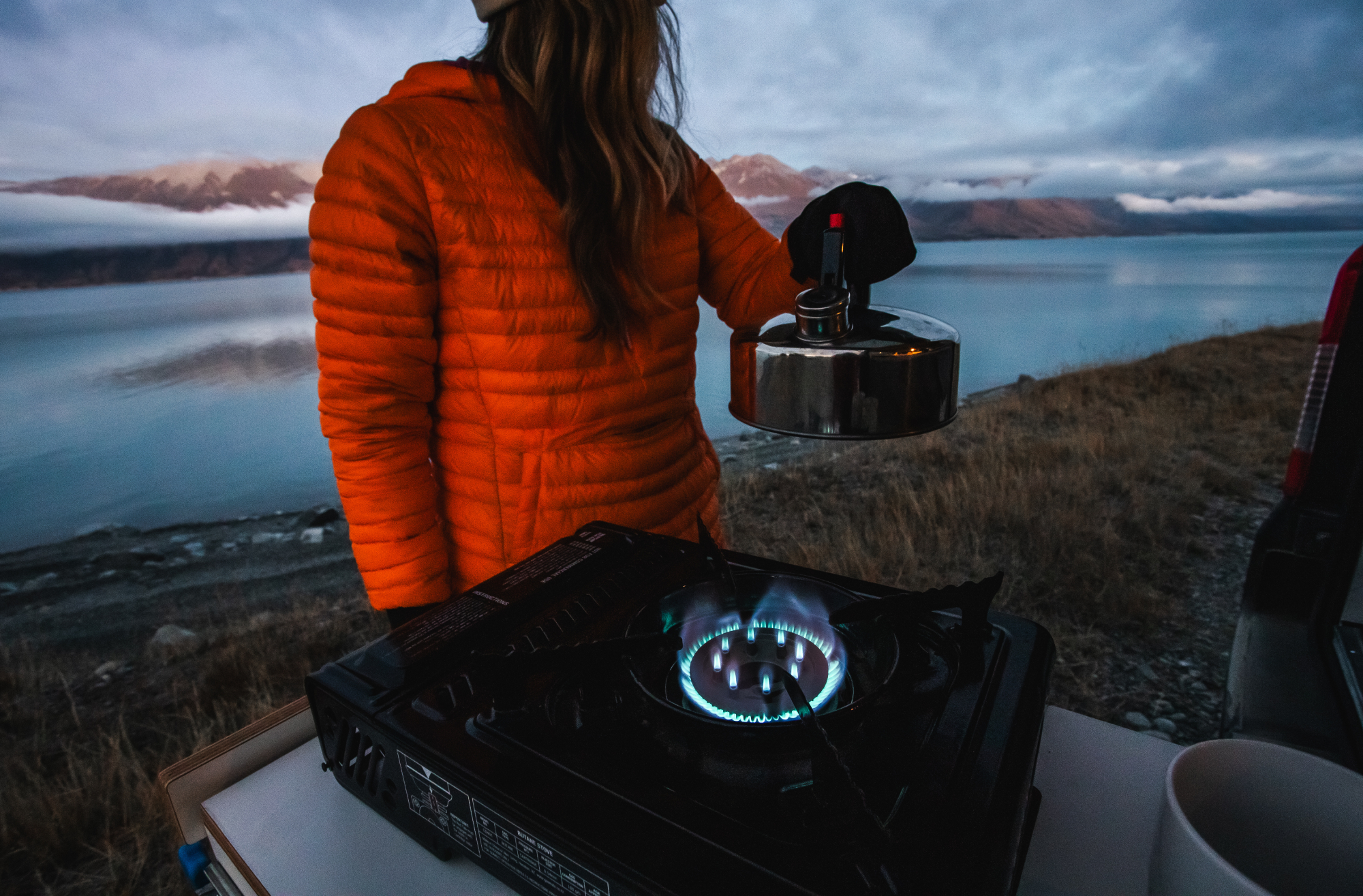
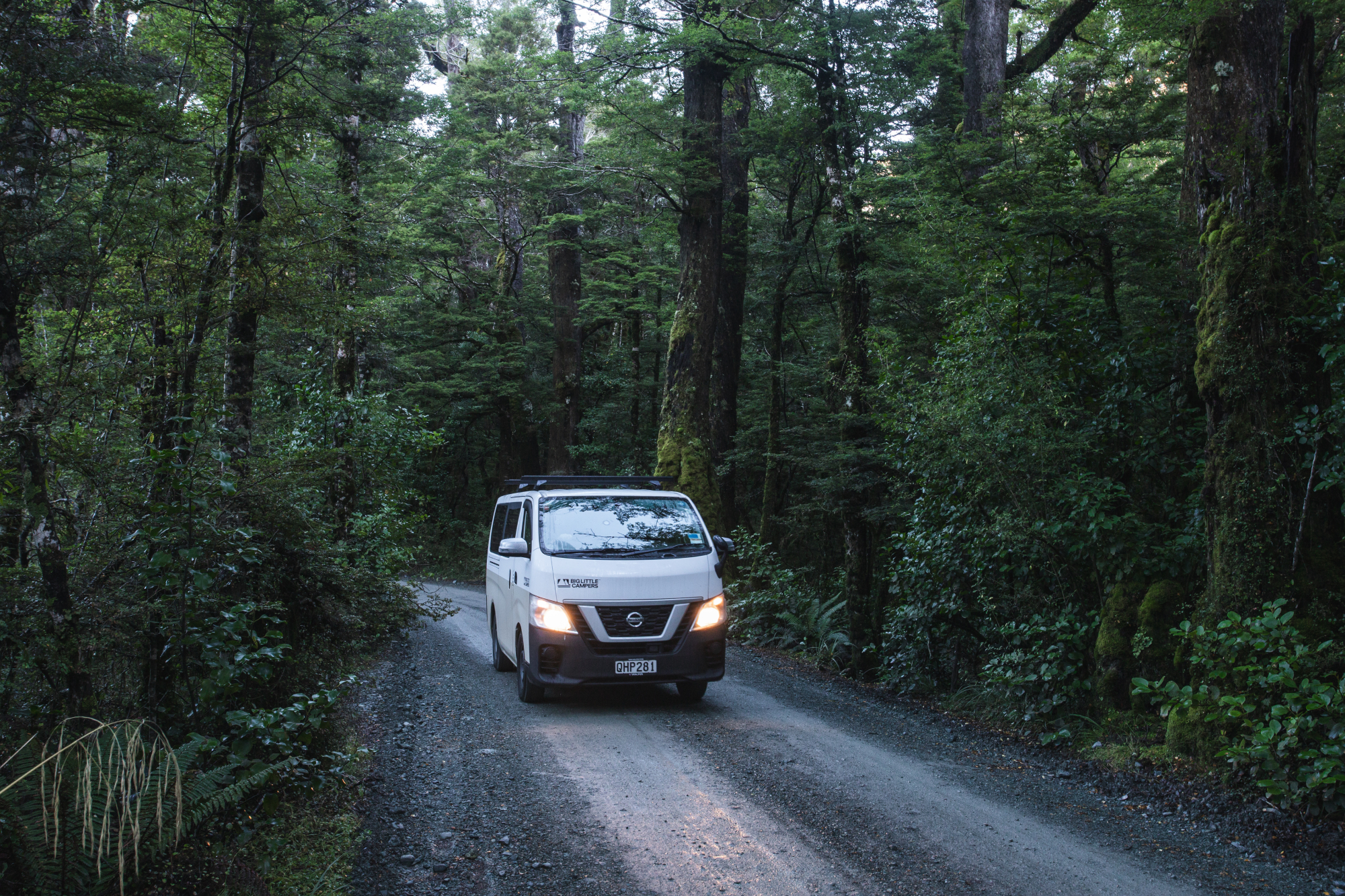
What Self-Contained Really MeansA self-contained campervan has everything you need to travel independently. That includes a fixed toilet, freshwater tank, greywater storage, and a rubbish bin. When a van meets the standards, it carries an official warrant that allows you to stay legally in designated freedom camping areas. Portable toilets no longer qualify. Recent rule changes mean the toilet must be fixed to the floor. By June 2025, all freedom camping vehicles will need to meet the updated green warrant standard. If the van isn’t certified, you’ll be limited to holiday parks and powered sites. Still a good time, but nowhere near the freedom that makes campervanning in NZ special. Freedom Camping on the South IslandThe South Island is made for freedom camping. Fewer people, bigger landscapes, and plenty of spots where you can park up and watch the sun drop behind mountains or lake edges. Lakeside SpotsLake Pukaki is one of the classics. Park near the spillway and you get a straight shot view of Aoraki Mt Cook. It fills up quickly, so arrive early. The nearby Tekapo area has similar lakeside options, usually with a one-night limit. If you want something quieter, Twenty Five Mile Stream offers a calmer lakeside stop with fewer crowds. Our Christchurch to Queenstown guide covers more great places along this route. Coastal and West CoastColac Bay in Southland offers beachfront freedom camping with toilets and a dump station. The Catlins coastline likewise provides several council-managed spots with basic facilities. On the West Coast, such as Greymouth and Hokitika, freedom camping zones are genuinely rugged and properly off-grid. Marlborough and NelsonThe top of the South Island has excellent options near Blenheim and the Marlborough Sounds. Abel Tasman National Park gives freedom camping access, though the park itself has several restrictions. Always check local council websites before parking up in these locations. |
.jpg)
|
.jpg)
|
Freedom Camping on the North IslandThe North Island has fewer freedom camping spots per square kilometre, but there's still plenty to choose from. Our North Island scenic drives guide covers routes that link up well with these locations, so be sure to check this out. Auckland RegionWhisper Cove at Snells Beach offers a peaceful first-night option just north of the city. No facilities, so you’ll need a proper self-contained van. Hatfields Beach near Orewa has toilets, a dump station, and easy access to the sand. Coromandel and Bay of PlentyThe Coromandel Peninsula has council-managed freedom camping zones around Whitianga and the eastern beaches. Hot Water Beach and Cathedral Cove get busy in summer, so plan ahead. If you want fewer crowds, the Bay of Plenty coastline is a solid alternative. Central North IslandLake Taupo and Rotorua have limited freedom camping due to local bylaws, but DOC campsites in the surrounding areas offer cheap alternatives. Tongariro National Park has designated camping zones that sit right in the heart of the volcanic plateau. Great if you’re doing the Alpine Crossing. How to Find Legal Freedom Camping SpotsDownload the CamperMate app before you hit the road. It works offline and shows you freedom camping spots, dump stations, toilets, and water refill points across NZ. The Department of Conservation website lists all conservation land where camping is permitted or restricted. For a full breakdown of the rules, our South Island freedom camping guide covers everything in detail. |
Why Self-Contained Certification MattersSelf-contained certification does more than tick the legal box. It makes the whole trip easier. You’re not timing your day around toilets or racing to campsites before reception closes. You get to follow the weather, park up when something looks good, and sleep next to places you’d otherwise only visit for ten minutes. It’s also about looking after the environment. Proper waste systems keep sensitive areas clean and open for future travellers. That’s why councils and DOC require it, and why every BLC van meets the current standards. Mixing Freedom Camping with Paid SitesMost travellers don't freedom camp every night. A good rhythm is two or three nights of freedom camping, then one night at a powered site to recharge batteries, do laundry, and have a proper shower. DOC campsites ($8-$15 per night) sit somewhere in between – basic facilities, beautiful locations, and family-friendly spots across both islands. This mix keeps costs down while giving you flexibility. For more on where you can legally park overnight, we've covered the rules in detail. |
.jpg)
|
Get Set Up Right
Choosing a self-contained campervan rental company is the first step. The certification gives you access to the best spots. The van itself gives you comfort. And the locations? They’re the reason people fall in love with NZ road trips.
If you want help picking the right van , we’ve put together a guide that covers what to look for.
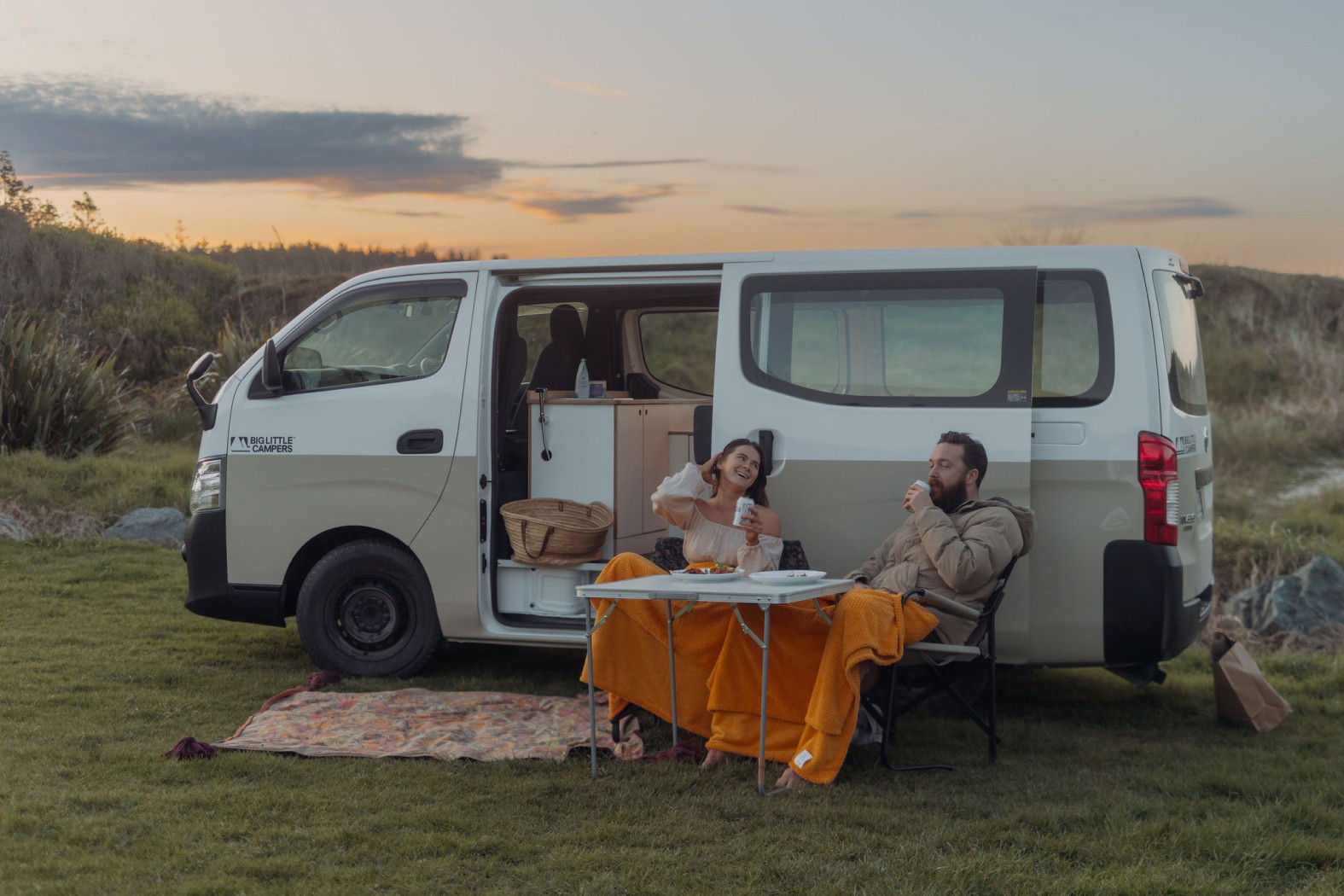
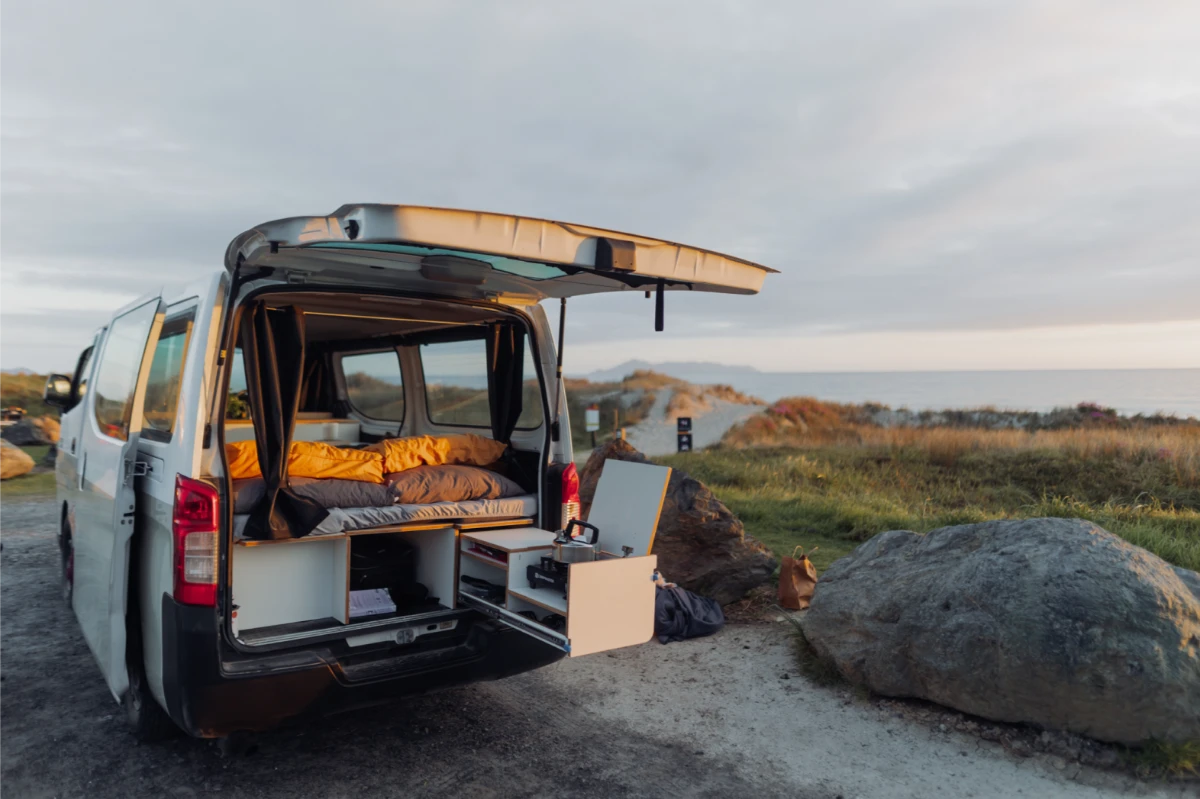
At Big Little Campers, every van is fully certified and built for this kind of travel. We’re travellers ourselves, and we set our vans up so you can chase the good spots without compromise.
Ready to explore the best freedom camping spots in NZ? Check out our range of self-contained campervans and find the setup that fits your style
|
Hiring a self-contained campervan in New Zealand opens up the kind of road trip most people only stumble across by luck. You get access to lakesides, beaches, forest clearings, and quiet corners that you’d never find if you were locked into holiday parks every night If your van is properly certified, you can freedom camp in some of the most unreal spots across both islands. We’ve parked up at places that still make us shake our heads and say, “How is this free?” Here’s how self-contained camping works in NZ and where to find the best spots. |
What Self-Contained Really MeansA self-contained campervan has everything you need to travel independently. That includes a fixed toilet, freshwater tank, greywater storage, and a rubbish bin. When a van meets the standards, it carries an official warrant that allows you to stay legally in designated freedom camping areas. Portable toilets no longer qualify. Recent rule changes mean the toilet must be fixed to the floor. By June 2025, all freedom camping vehicles will need to meet the updated green warrant standard. If the van isn’t certified, you’ll be limited to holiday parks and powered sites. Still a good time, but nowhere near the freedom that makes campervanning in NZ special. Freedom Camping on the South IslandThe South Island is made for freedom camping. Fewer people, bigger landscapes, and plenty of spots where you can park up and watch the sun drop behind mountains or lake edges. Lakeside SpotsLake Pukaki is one of the classics. Park near the spillway and you get a straight shot view of Aoraki Mt Cook. It fills up quickly, so arrive early. The nearby Tekapo area has similar lakeside options, usually with a one-night limit. If you want something quieter, Twenty Five Mile Stream offers a calmer lakeside stop with fewer crowds. Our Christchurch to Queenstown guide covers more great places along this route. Coastal and West CoastColac Bay in Southland offers beachfront freedom camping with toilets and a dump station. The Catlins coastline likewise provides several council-managed spots with basic facilities. On the West Coast, such as Greymouth and Hokitika, freedom camping zones are genuinely rugged and properly off-grid. Marlborough and NelsonThe top of the South Island has excellent options near Blenheim and the Marlborough Sounds. Abel Tasman National Park gives freedom camping access, though the park itself has several restrictions. Always check local council websites before parking up in these locations. |
|
|
|
Freedom Camping on the North IslandThe North Island has fewer freedom camping spots per square kilometre, but there's still plenty to choose from. Our North Island scenic drives guide covers routes that link up well with these locations, so be sure to check this out. Auckland RegionWhisper Cove at Snells Beach offers a peaceful first-night option just north of the city. No facilities, so you’ll need a proper self-contained van. Hatfields Beach near Orewa has toilets, a dump station, and easy access to the sand. Coromandel and Bay of PlentyThe Coromandel Peninsula has council-managed freedom camping zones around Whitianga and the eastern beaches. Hot Water Beach and Cathedral Cove get busy in summer, so plan ahead. If you want fewer crowds, the Bay of Plenty coastline is a solid alternative. Central North IslandLake Taupo and Rotorua have limited freedom camping due to local bylaws, but DOC campsites in the surrounding areas offer cheap alternatives. Tongariro National Park has designated camping zones that sit right in the heart of the volcanic plateau. Great if you’re doing the Alpine Crossing. How to Find Legal Freedom Camping SpotsDownload the CamperMate app before you hit the road. It works offline and shows you freedom camping spots, dump stations, toilets, and water refill points across NZ. The Department of Conservation website lists all conservation land where camping is permitted or restricted. For a full breakdown of the rules, our South Island freedom camping guide covers everything in detail. |
Why Self-Contained Certification MattersSelf-contained certification does more than tick the legal box. It makes the whole trip easier. You’re not timing your day around toilets or racing to campsites before reception closes. You get to follow the weather, park up when something looks good, and sleep next to places you’d otherwise only visit for ten minutes. It’s also about looking after the environment. Proper waste systems keep sensitive areas clean and open for future travellers. That’s why councils and DOC require it, and why every BLC van meets the current standards. Mixing Freedom Camping with Paid SitesMost travellers don't freedom camp every night. A good rhythm is two or three nights of freedom camping, then one night at a powered site to recharge batteries, do laundry, and have a proper shower. DOC campsites ($8-$15 per night) sit somewhere in between – basic facilities, beautiful locations, and family-friendly spots across both islands. This mix keeps costs down while giving you flexibility. For more on where you can legally park overnight, we've covered the rules in detail. |
|
Get Set Up Right
Choosing a self-contained campervan rental company is the first step. The certification gives you access to the best spots. The van itself gives you comfort. And the locations? They’re the reason people fall in love with NZ road trips.
If you want help picking the right van , we’ve put together a guide that covers what to look for.
At Big Little Campers, every van is fully certified and built for this kind of travel. We’re travellers ourselves, and we set our vans up so you can chase the good spots without compromise.
Ready to explore the best freedom camping spots in NZ? Check out our range of self-contained campervans and find the setup that fits your style
Read more






.jpg)
.jpg)
.jpg)
.jpg)

.jpg)
.jpg)



.jpg)