Chat with a human
Let us help you pick the perfect camper for your once in a lifetime adventure

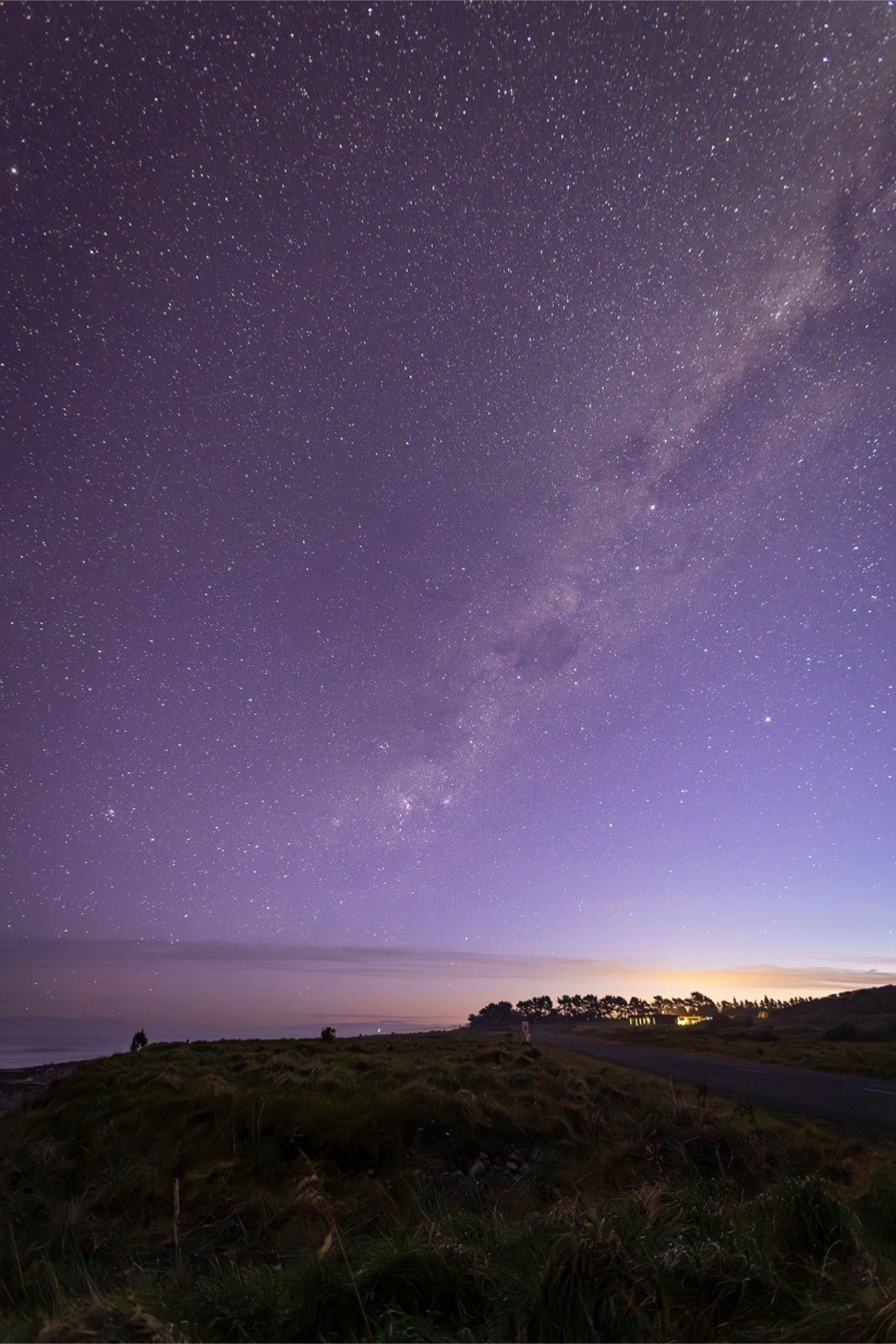
The beauty of New Zealand's nights will blow you away, with its clear skies and minimised light pollution stargazing opportunities are abundant all across New Zealand, from the North to the South Island all year round.
|
New Zealand is one of the best places in the world for stargazing. Once you get away from the cities, the skies here are incredibly dark. You can see the Milky Way stretching overhead, neighbouring galaxies with the naked eye, and more stars than most visitors realise exist. The hard part isn't finding a dark sky spot. It's figuring out which ones are genuinely worth the trip. Some guides list fifteen locations with no real context. Others push expensive tours without explaining whether you can just pull over nearby and see the same thing for free. So here's the straightforward version: if you only do one stargazing stop in NZ, make it the Aoraki Mackenzie International Dark Sky Reserve. But it's not the only option. There are now ten DarkSky International-accredited places across both islands. We cover the five worth your time, what each costs, and when the best time is to visit. |
Quick SummaryThe best place to stargaze in New Zealand is the Aoraki Mackenzie International Dark Sky Reserve. Aotea, Great Barrier Island, is a warmer, more accessible option close to Auckland. Tāhuna Glenorchy works if you're already in Queenstown. The Dark Sky Reserves in New Zealand are known for being part of a wider network. The country has ten DarkSky-accredited places in total: two reserves, five sanctuaries, and three parks. The best months are April through September, when winter darkness arrives early, and the Milky Way core sits high overhead. Stargazing tours range from $130 on Great Barrier Island to $209 for the Mt John Summit Experience. Matariki, the Māori New Year, falls on Friday 10 July 2026, with celebrations running from 9 to 11 July. A self-contained campervan lets you camp legally inside several of these dark sky areas. That beats driving back to a hotel after midnight. |
|
What Makes NZ Stargazing So Good?A big part of it comes down to geography. New Zealand sits far enough south that you get a completely different night sky from Europe, the UK, or most of North America. From here, you can see:
And because much of NZ is sparsely populated, it's relatively easy to escape light pollution once you leave the bigger cities. The South Island has the bigger advantage. The best South Island stargazing spots include the Mackenzie Basin, Glenorchy, and Kaikōura. All three sit at an altitude that has minimal light pollution for hundreds of kilometres in every direction. DarkSky International certifies New Zealand's ten dark sky places across four tiers:
|
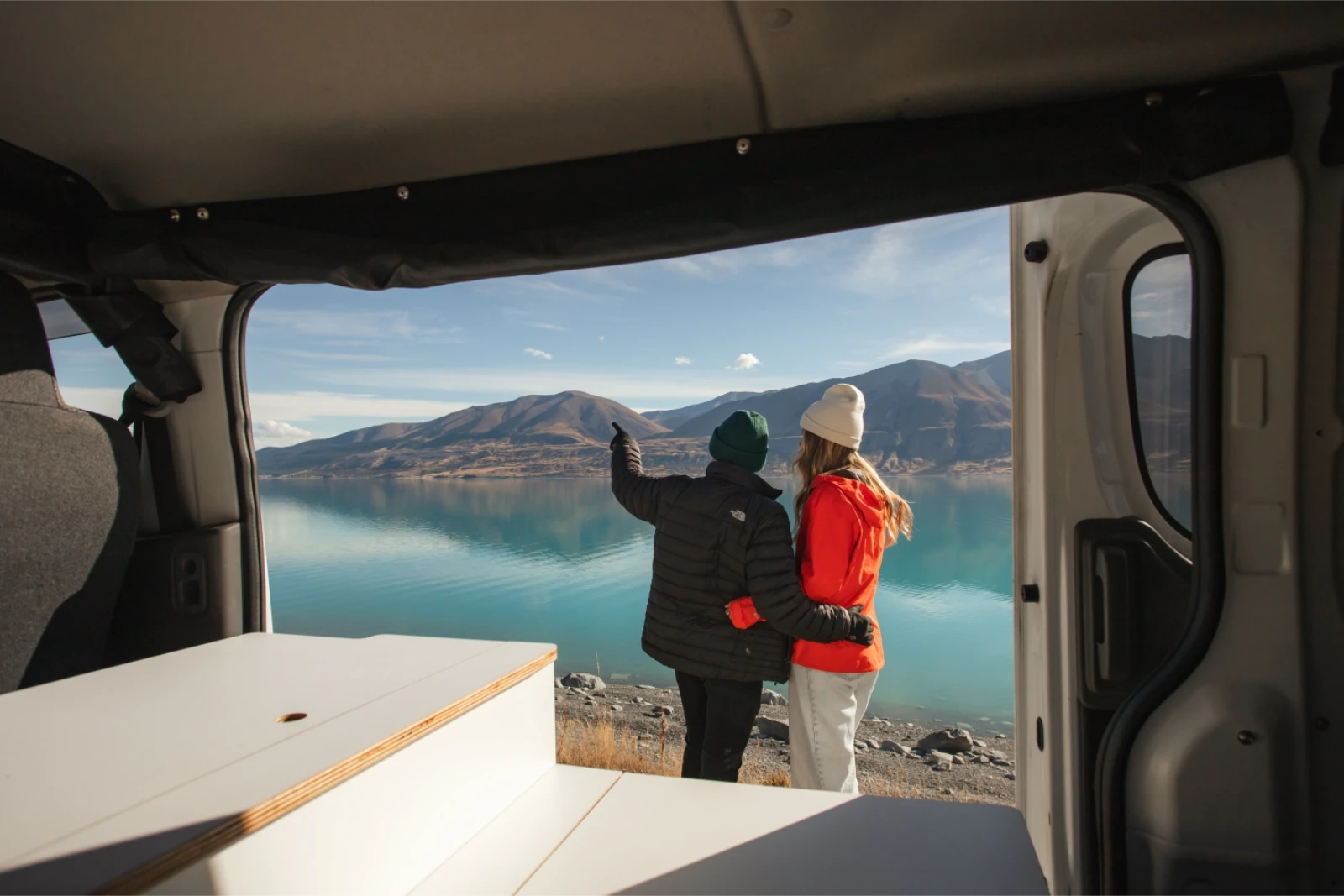
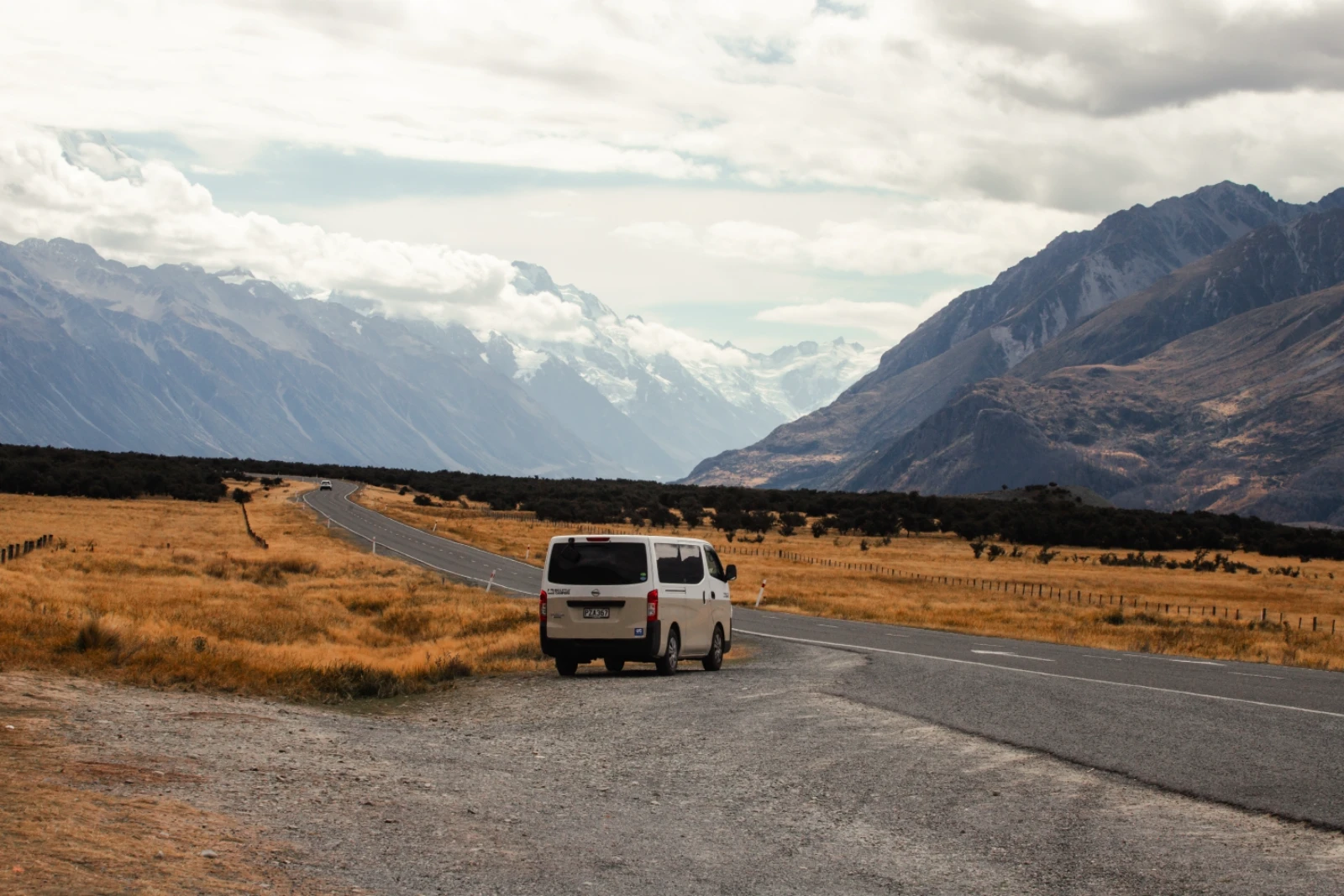
1. Aoraki Mackenzie International Dark Sky Reserve (South Island)If you're only choosing one stargazing destination in NZ, this is it. The Aoraki Mackenzie International Dark Sky Reserve (or AMIDSR) covers around 4,300 square kilometres of the Mackenzie Basin and Aoraki / Mount Cook National Park. It features the largest gold-tier International Dark Sky Reserve in the Southern Hemisphere. The headline experience is the summit tour at the University of Canterbury Mount John Observatory, run by Dark Sky Project. 2026 prices are $219 per adult, $169 per child ages 10 to 16. You're driven up to the 1,029-metre summit and given a thermal jacket. An astronomer then walks you through the southern sky using powerful telescopes, including a 16-inch instrument inside the observatory dome. Book weeks ahead in summer. If you'd rather DIY it, drive 10 minutes from Lake Tekapo toward Lake Pukaki and pull over. With a self-contained van, stay the night. Best months: April to September. The Milky Way core is at its highest from June to August. 2. Aotea Great Barrier Island Dark Sky Sanctuary (North Island)The Aotea Great Barrier Island is the warmest of New Zealand's dark sky places and the easiest to reach from Auckland. The whole island is a certified Dark Sky Sanctuary, the world's first island to get that status, back in 2017. It's a 30-minute flight from Auckland Airport or a 4.5-hour ferry across the Hauraki Gulf. Good Heavens runs group experiences from the sand dunes above Medlands Beach. The 1.5-hour group tour is $130 per adult, $65 for under-13s, with an 8-inch telescope, binoculars, blankets, and hot drinks. Multi-night packages start at $2,750 for two. The warmer subtropical climate also makes it far more comfortable than alpine South Island locations during winter. Best months: February to November for the Milky Way core. 3. Tāhuna Glenorchy Dark Sky Sanctuary (South Island)Tāhuna Glenorchy became New Zealand's fifth Dark Sky Sanctuary in February 2025 and it's already one of the best places in the country to combine mountains, lakes, and stargazing. It sits at the head of Lake Whakatipu, stretching into Mt Aspiring National Park. Altitude, water reflection, and proximity to Queenstown make it stand out. See stars reflected in the lake, lie back in tussock meadows, or look up from the trailheads of the Routeburn or Rees-Dart tracks. It's also the only DarkSky sanctuary in the path of the 2028 total solar eclipse. Self-contained vans can park up around the lake edge. Best months: April to September. 4. Wairarapa Dark Sky Reserve (North Island)Wairarapa is the North Island's only Dark Sky Reserve. It covers more than 3,600 square kilometres across the South Wairarapa and Carterton districts. A short drive over the Remutaka Hill from Wellington makes it the most accessible reserve for capital-based travellers. Stonehenge Aotearoa runs evening tours combining Māori, Egyptian, and European astronomy. Star Safari in Martinborough runs telescope-led experiences from around $50 per adult. Best months: May to August. 5. Kaikōura Dark Sky Sanctuary (South Island)Kaikōura was certified as a Dark Sky Sanctuary in September 2024, and it's one of the easiest stargazing stops to build into a South Island road trip. By day, it's known for whales, dolphins, and coastal walks. By night, the skies above the peninsula become incredibly dark thanks to low population density and minimal surrounding light pollution. It works particularly well as an overnight stop between Picton and Christchurch. A few campgrounds and freedom camping areas around the coastline give you uninterrupted views straight out over the ocean. Best months: April to October. |
|
When to Stargaze: 2026 Matariki and the Best MonthsThe best time to stargaze in New Zealand is late April through September. June and July are the peak, with the longest, darkest nights and the Milky Way core directly overhead. Winter is colder, but the skies are clearer because cold air holds less water vapour. Summer is workable too, though the sky doesn't get truly dark until around 10:45 PM in December. Moon phase matters as much as season. A full moon washes out the Milky Way and dimmer stars even in a Dark Sky Reserve. Aim for the new moon or within five days either side of it. Most tour operators will tell you the same. Matariki 2026 falls on Friday 10 July, with the wider celebration running from 9 to 11 July. Matariki marks the Māori New Year and the pre-dawn rising of the Matariki star cluster, known internationally as the Pleiades. The nine named stars each has its own domain in Kiwi belief and culture:
According to Te Papa, the public holiday date is set by the Matariki Advisory Committee based on the Tangaroa lunar period. To see Matariki yourself, look low to the north-east in the pre-dawn sky, about an hour before sunrise. Find Orion's belt (Tautoru) first, then sweep upward to a tight cluster of stars. The public holiday on Friday makes it a long weekend, so book stargazing tours and overnight stops well ahead. Weather and What to PackEven Aoraki Mackenzie loses 20 to 30% of its tour nights to cloud cover, so weather is the wildcard on any NZ stargazing trip. Here are a few practical things to keep in mind:
|
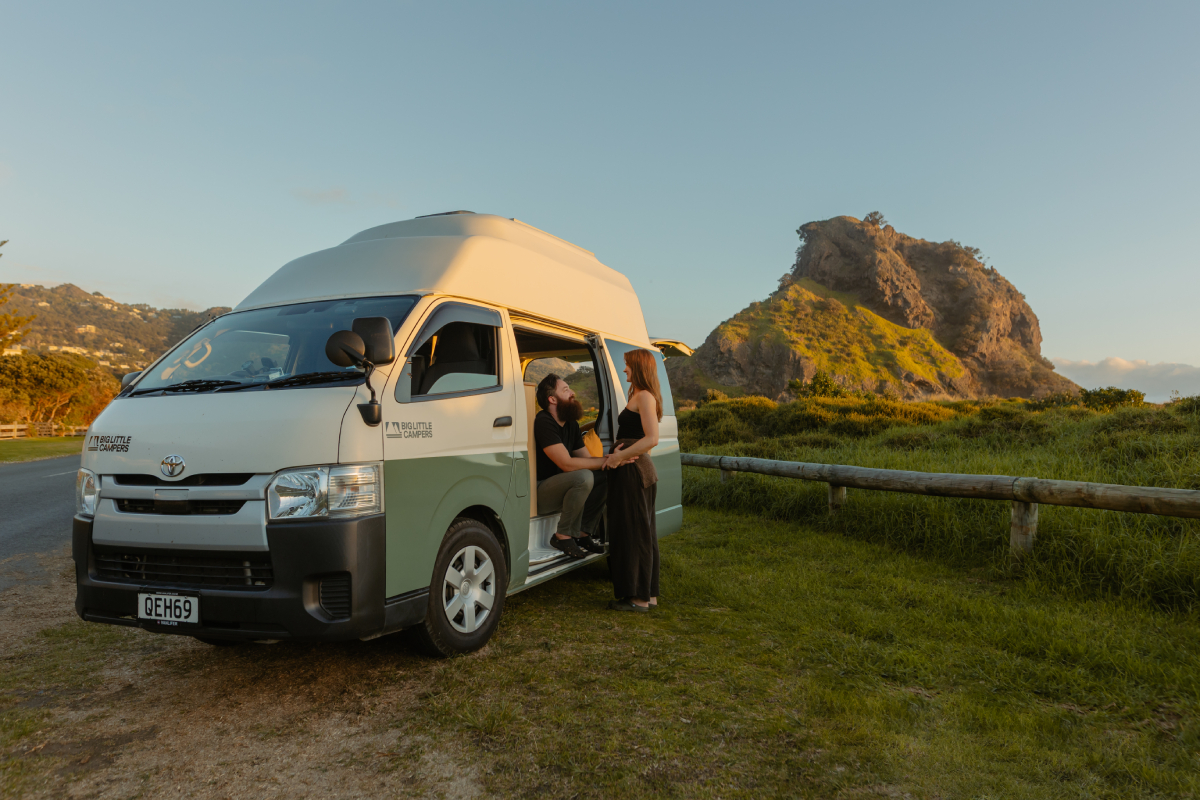
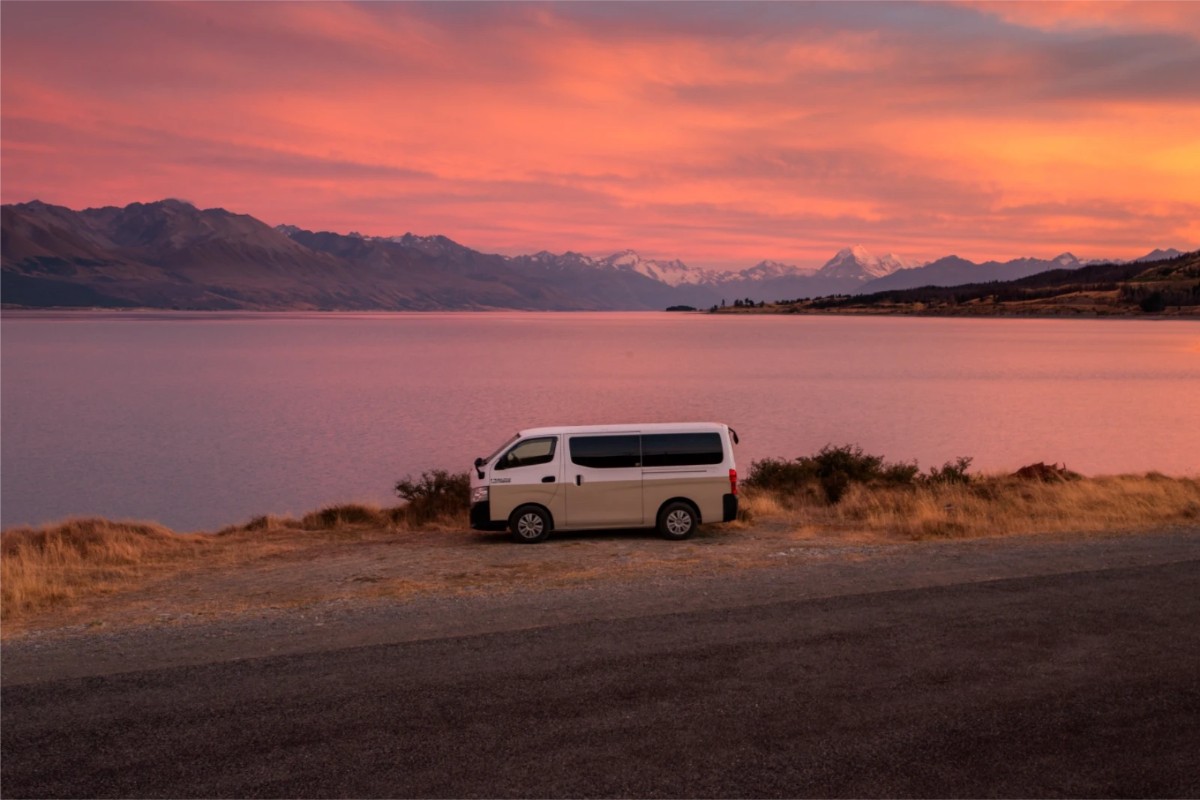
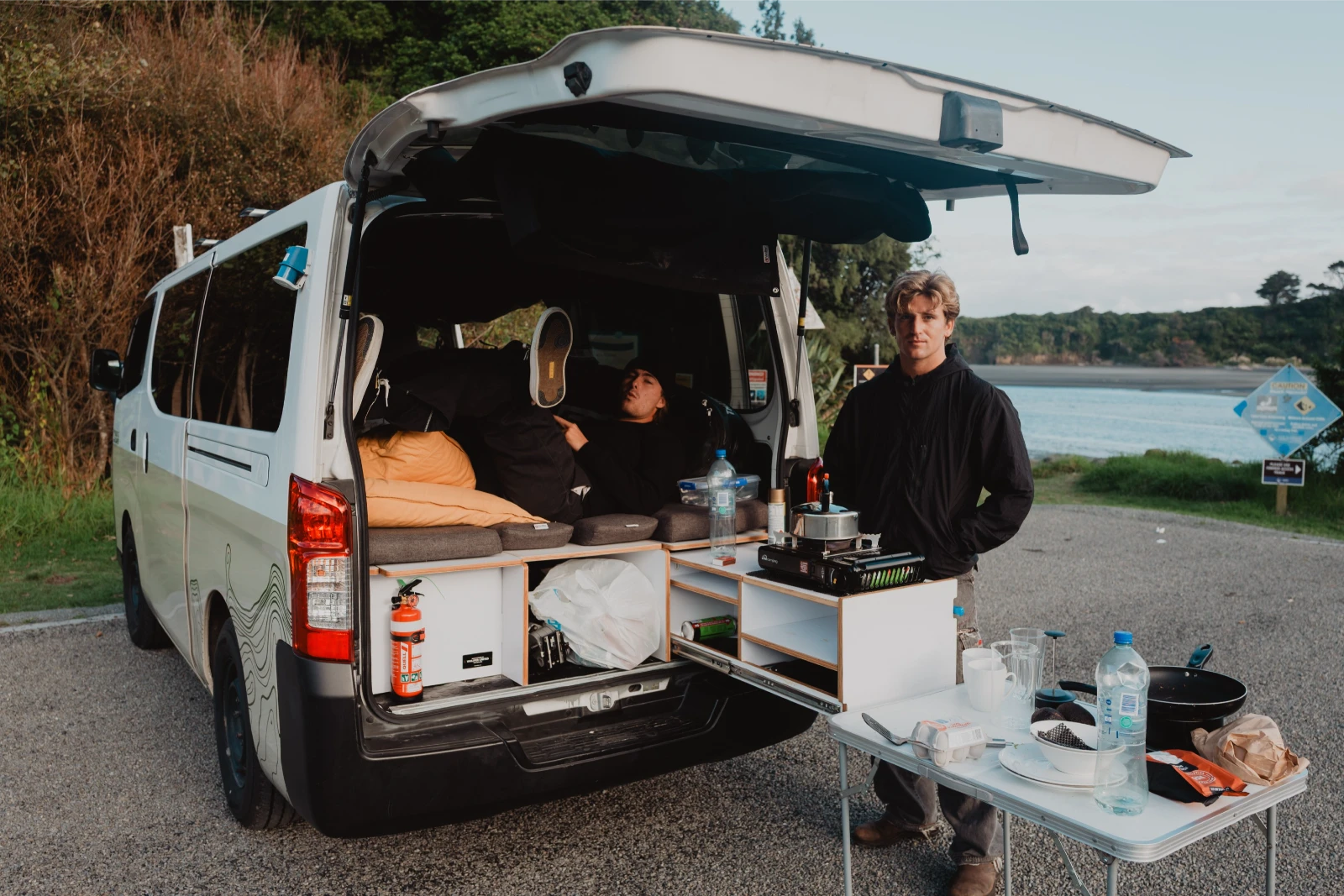
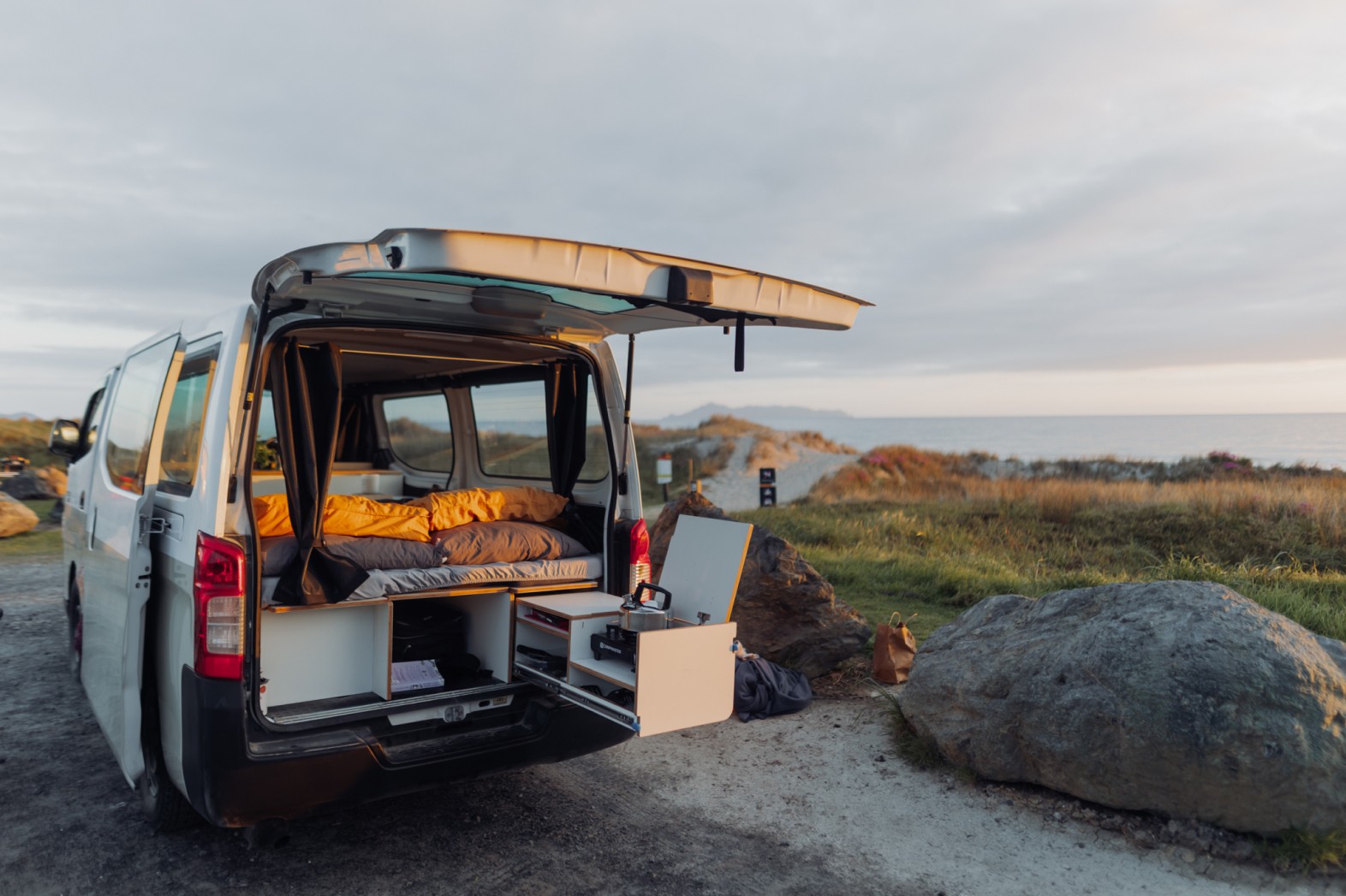
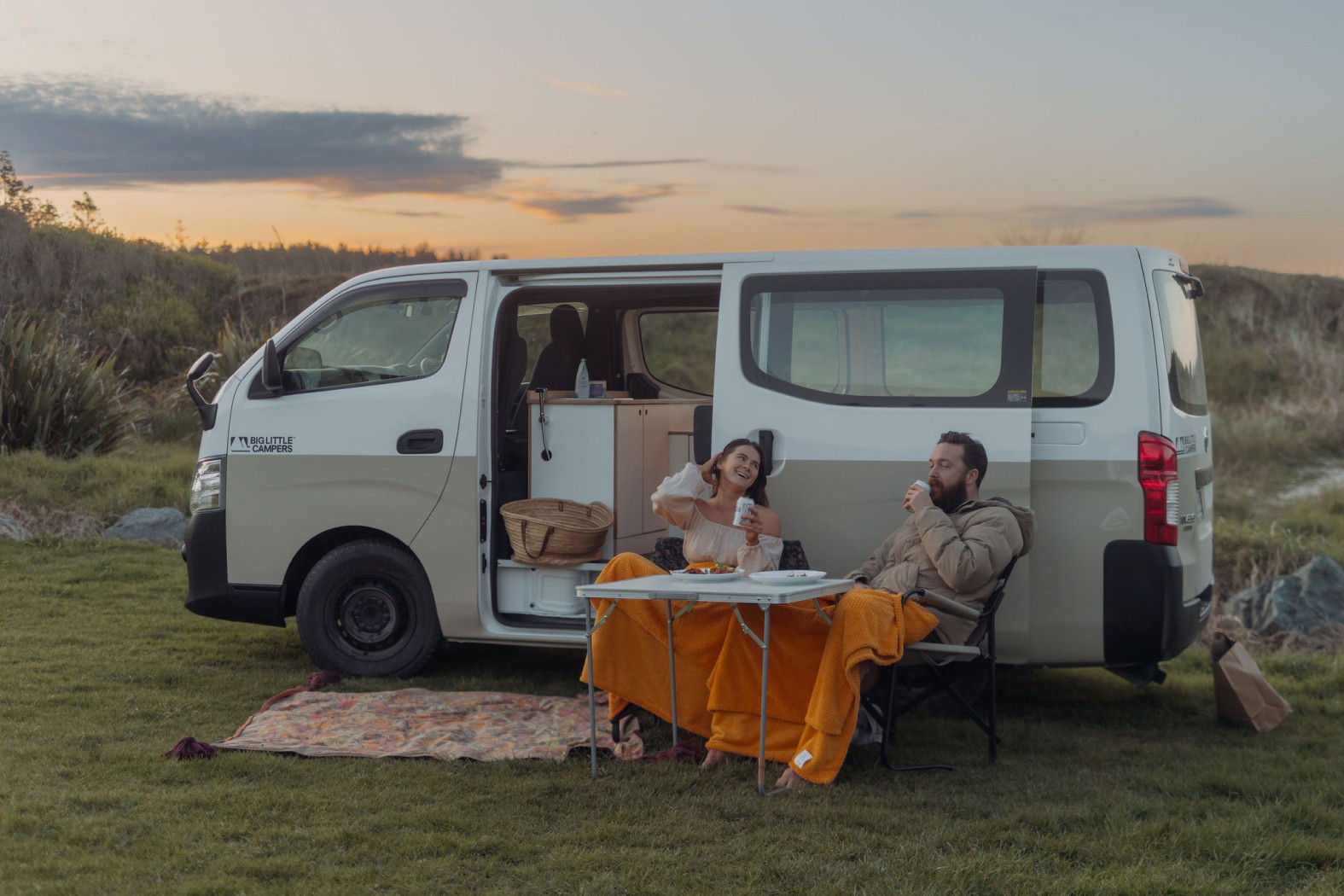
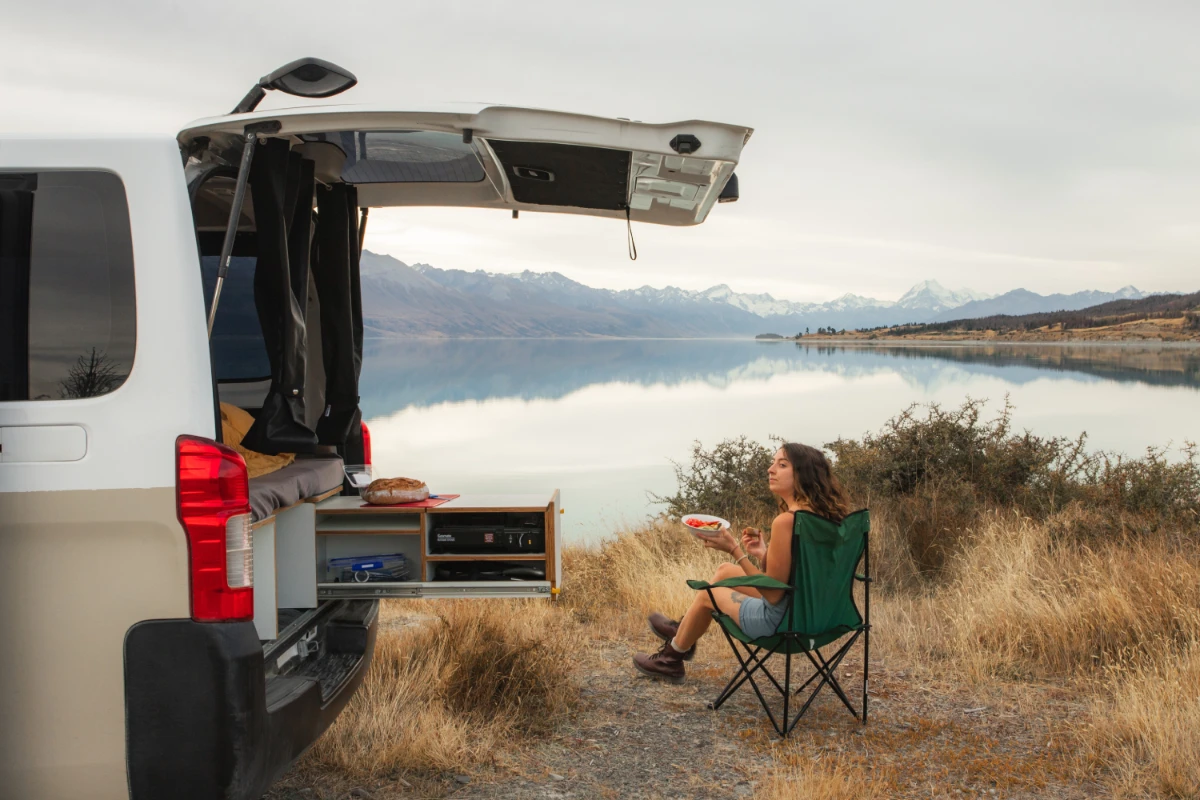
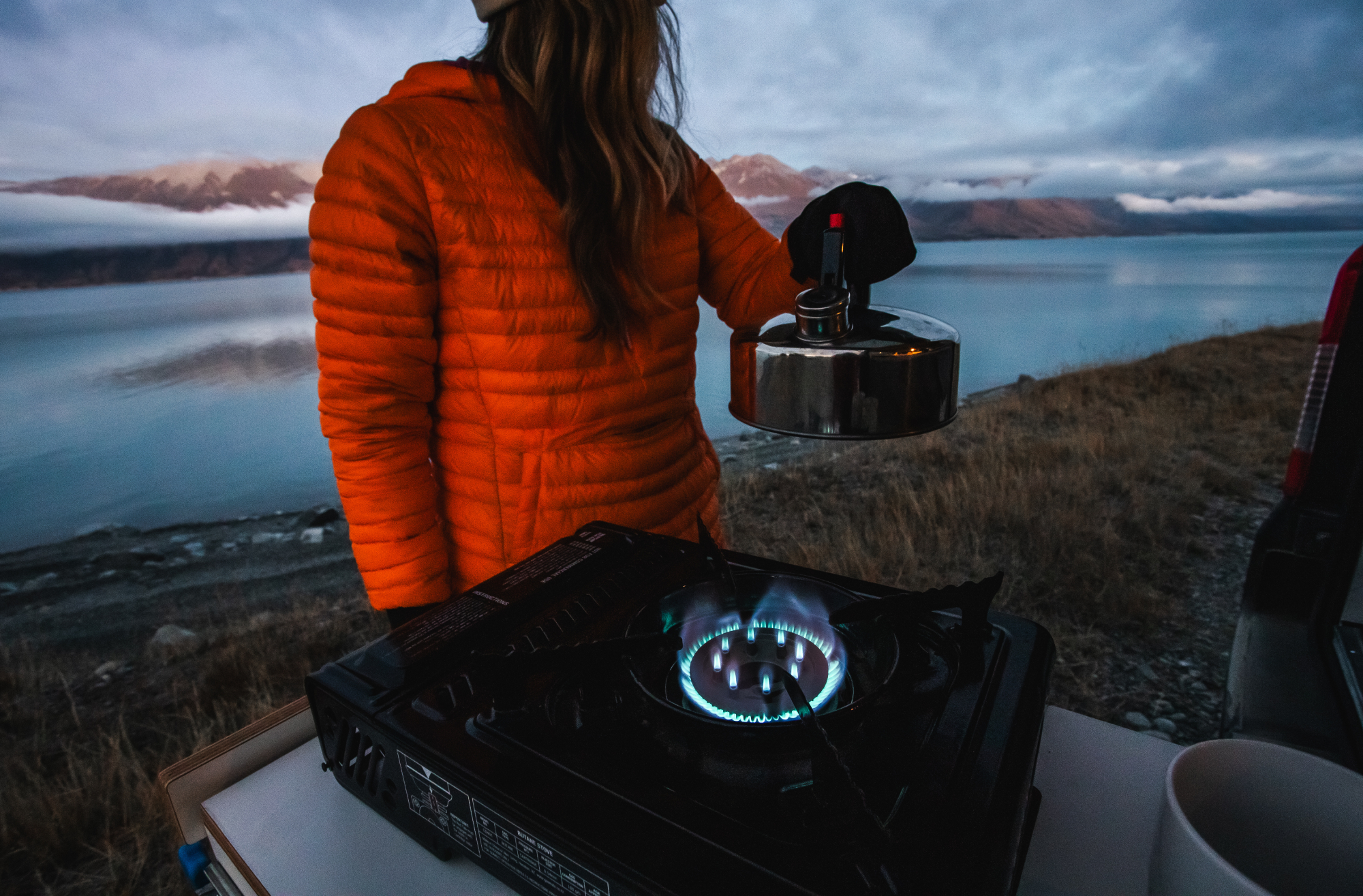
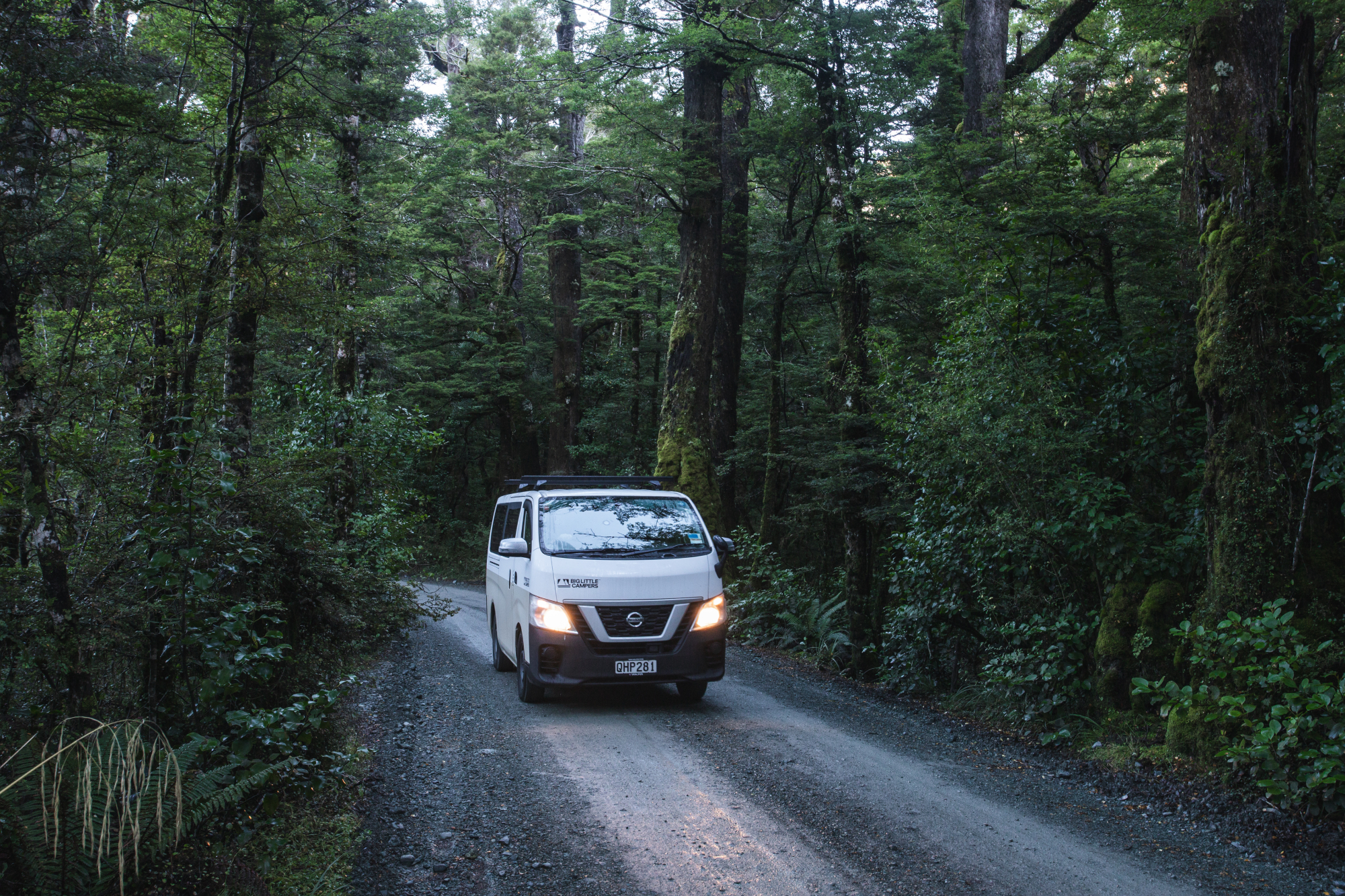
How the Right Campervan Brings You Closer to the StarsThe best stargazing spots are rarely near towns, which is why a self-contained campervan beats a hotel-based trip. Self-contained certification lets you legally stay overnight at DOC sites and council-approved freedom camping areas. That includes lay-bys inside the Mackenzie Basin, lakeside spots near Glenorchy, and coastal stops near Kaikōura. No rushed drive back to a hotel after a 10 PM tour. For the South Island route, stargazing slots in naturally between Christchurch, Tekapo, Wanaka, and Queenstown. |
|
FAQsWhen is Matariki 2026?Matariki 2026 is on Friday, 10 July, a public holiday in New Zealand. The wider celebration runs from 9 to 11 July. The date shifts each year because it's tied to the Māori lunar calendar. What is the best place to stargaze in the North Island?Aotea, Great Barrier Island, is the best place to stargaze in the North Island. It's a certified Dark Sky Sanctuary, only 30 minutes by flight from Auckland, and warmer than the South Island spots. The Wairarapa Dark Sky Reserve is the easiest mainland option, especially from Wellington. What moon phase is best for stargazing?The new moon is best. Aim for the new moon or within five days either side of it. A full moon washes out the Milky Way and dimmer stars even inside a Dark Sky Reserve. Most NZ tour operators publish their tour calendars around the moon cycles. Do you need a telescope to stargaze in NZ?No. The Milky Way, Magellanic Clouds, Southern Cross, Sirius, Canopus and Alpha Centauri are all visible to the naked eye from any Dark Sky area. A telescope adds detail (Saturn's rings, Jupiter's moons, deep-sky clusters), which is why guided tours are worth the money for first-timers. Binoculars are a cheaper halfway option. Can you see the Aurora Australis in New Zealand?Yes, the Aurora Australis, also called the southern light or Southern Lights, is visible from southern New Zealand, particularly from Otago, Southland, and the Mackenzie Basin, between March and September. Activity is unpredictable, but services like Spot the Aurora give real-time alerts. How dark is the Mackenzie Basin compared to a city?The Mackenzie Basin sits at Bortle 1 to 2 on the dark-sky scale, the darkest possible. Auckland or Christchurch sit at Bortle 8 to 9. Roughly the difference between seeing 50 stars and seeing 5,000. |
Plan Your Stargazing TripThe best stargazing spots in NZ are usually the places furthest from cities, crowds, and bright lights. That's part of what makes them special. A self-contained campervan gives you the flexibility to stay close to those places instead of rushing in and out for a quick look. At Big Little Campers, we build our vans for exactly this kind of travel. Proper self-contained setups, freedom camping flexibility, and routes that let you slow down once you find somewhere worth staying. Want to wake up under the Aoraki Mackenzie sky or roll into Tekapo for a Mt John tour? Our vans get you to the dark sky spots, and let you stay the night. Talk to our Big Little Campers team about the right van for your route, or book yours directly. |
References
Dark Sky Project. (2026). Takapō Stargazing at Mount John: The Summit Experience. https://www.darkskyproject.co.nz/experiences/the-summit-experience/
DarkSky International. (2025). Location: New Zealand | DarkSky International. https://darksky.org/locations/new-zealand/
The Wairarapa Space Science Centre (2026) Internationally Accredited Dark Sky Places in New Zealand. https://www.wairarapa.space/wairarapa-dark-sky-reserve/internationally-accredited-dark-sky-places-in-new-zealand/
DarkSky International. (2025, February 3). Tāhuna Glenorchy becomes New Zealand's fifth International Dark Sky Sanctuary. https://darksky.org/news/tahuna-glenorchy-becomes-new-zealands-fifth-international-dark-sky-sanctuary/
DarkSky International. (n.d.). International Dark Sky Places programme. https://darksky.org/what-we-do/international-dark-sky-places/
Good Heavens Dark Sky Experiences. (2026). Stargazing on Aotea Great Barrier Island. https://goodheavens.co.nz/
Aoraki Mackenzie International Dark Sky Reserve. (n.d.). About the reserve. https://www.darkskyreserve.org.nz/
Te Papa Tongarewa. (n.d.). Dates for the Matariki public holiday. https://www.tepapa.govt.nz/discover-collections/read-watch-play/matariki-maori-new-year/dates-for-matariki-public-holiday
MetService - Te Ratonga Tirorangi (n.d.) https://www.metservice.com/
Spot The Aurora (n.d.) Aurora Forecast for New Zealand. https://spottheaurora.co.nz/
|
New Zealand is one of the best places in the world for stargazing. Once you get away from the cities, the skies here are incredibly dark. You can see the Milky Way stretching overhead, neighbouring galaxies with the naked eye, and more stars than most visitors realise exist. The hard part isn't finding a dark sky spot. It's figuring out which ones are genuinely worth the trip. Some guides list fifteen locations with no real context. Others push expensive tours without explaining whether you can just pull over nearby and see the same thing for free. So here's the straightforward version: if you only do one stargazing stop in NZ, make it the Aoraki Mackenzie International Dark Sky Reserve. But it's not the only option. There are now ten DarkSky International-accredited places across both islands. We cover the five worth your time, what each costs, and when the best time is to visit. |
Quick SummaryThe best place to stargaze in New Zealand is the Aoraki Mackenzie International Dark Sky Reserve. Aotea, Great Barrier Island, is a warmer, more accessible option close to Auckland. Tāhuna Glenorchy works if you're already in Queenstown. The Dark Sky Reserves in New Zealand are known for being part of a wider network. The country has ten DarkSky-accredited places in total: two reserves, five sanctuaries, and three parks. The best months are April through September, when winter darkness arrives early, and the Milky Way core sits high overhead. Stargazing tours range from $130 on Great Barrier Island to $209 for the Mt John Summit Experience. Matariki, the Māori New Year, falls on Friday 10 July 2026, with celebrations running from 9 to 11 July. A self-contained campervan lets you camp legally inside several of these dark sky areas. That beats driving back to a hotel after midnight. |
|
What Makes NZ Stargazing So Good?A big part of it comes down to geography. New Zealand sits far enough south that you get a completely different night sky from Europe, the UK, or most of North America. From here, you can see:
And because much of NZ is sparsely populated, it's relatively easy to escape light pollution once you leave the bigger cities. The South Island has the bigger advantage. The best South Island stargazing spots include the Mackenzie Basin, Glenorchy, and Kaikōura. All three sit at an altitude that has minimal light pollution for hundreds of kilometres in every direction. DarkSky International certifies New Zealand's ten dark sky places across four tiers:
|
1. Aoraki Mackenzie International Dark Sky Reserve (South Island)If you're only choosing one stargazing destination in NZ, this is it. The Aoraki Mackenzie International Dark Sky Reserve (or AMIDSR) covers around 4,300 square kilometres of the Mackenzie Basin and Aoraki / Mount Cook National Park. It features the largest gold-tier International Dark Sky Reserve in the Southern Hemisphere. The headline experience is the summit tour at the University of Canterbury Mount John Observatory, run by Dark Sky Project. 2026 prices are $219 per adult, $169 per child ages 10 to 16. You're driven up to the 1,029-metre summit and given a thermal jacket. An astronomer then walks you through the southern sky using powerful telescopes, including a 16-inch instrument inside the observatory dome. Book weeks ahead in summer. If you'd rather DIY it, drive 10 minutes from Lake Tekapo toward Lake Pukaki and pull over. With a self-contained van, stay the night. Best months: April to September. The Milky Way core is at its highest from June to August. 2. Aotea Great Barrier Island Dark Sky Sanctuary (North Island)The Aotea Great Barrier Island is the warmest of New Zealand's dark sky places and the easiest to reach from Auckland. The whole island is a certified Dark Sky Sanctuary, the world's first island to get that status, back in 2017. It's a 30-minute flight from Auckland Airport or a 4.5-hour ferry across the Hauraki Gulf. Good Heavens runs group experiences from the sand dunes above Medlands Beach. The 1.5-hour group tour is $130 per adult, $65 for under-13s, with an 8-inch telescope, binoculars, blankets, and hot drinks. Multi-night packages start at $2,750 for two. The warmer subtropical climate also makes it far more comfortable than alpine South Island locations during winter. Best months: February to November for the Milky Way core. 3. Tāhuna Glenorchy Dark Sky Sanctuary (South Island)Tāhuna Glenorchy became New Zealand's fifth Dark Sky Sanctuary in February 2025 and it's already one of the best places in the country to combine mountains, lakes, and stargazing. It sits at the head of Lake Whakatipu, stretching into Mt Aspiring National Park. Altitude, water reflection, and proximity to Queenstown make it stand out. See stars reflected in the lake, lie back in tussock meadows, or look up from the trailheads of the Routeburn or Rees-Dart tracks. It's also the only DarkSky sanctuary in the path of the 2028 total solar eclipse. Self-contained vans can park up around the lake edge. Best months: April to September. 4. Wairarapa Dark Sky Reserve (North Island)Wairarapa is the North Island's only Dark Sky Reserve. It covers more than 3,600 square kilometres across the South Wairarapa and Carterton districts. A short drive over the Remutaka Hill from Wellington makes it the most accessible reserve for capital-based travellers. Stonehenge Aotearoa runs evening tours combining Māori, Egyptian, and European astronomy. Star Safari in Martinborough runs telescope-led experiences from around $50 per adult. Best months: May to August. 5. Kaikōura Dark Sky Sanctuary (South Island)Kaikōura was certified as a Dark Sky Sanctuary in September 2024, and it's one of the easiest stargazing stops to build into a South Island road trip. By day, it's known for whales, dolphins, and coastal walks. By night, the skies above the peninsula become incredibly dark thanks to low population density and minimal surrounding light pollution. It works particularly well as an overnight stop between Picton and Christchurch. A few campgrounds and freedom camping areas around the coastline give you uninterrupted views straight out over the ocean. Best months: April to October. |
|
|
When to Stargaze: 2026 Matariki and the Best MonthsThe best time to stargaze in New Zealand is late April through September. June and July are the peak, with the longest, darkest nights and the Milky Way core directly overhead. Winter is colder, but the skies are clearer because cold air holds less water vapour. Summer is workable too, though the sky doesn't get truly dark until around 10:45 PM in December. Moon phase matters as much as season. A full moon washes out the Milky Way and dimmer stars even in a Dark Sky Reserve. Aim for the new moon or within five days either side of it. Most tour operators will tell you the same. Matariki 2026 falls on Friday 10 July, with the wider celebration running from 9 to 11 July. Matariki marks the Māori New Year and the pre-dawn rising of the Matariki star cluster, known internationally as the Pleiades. The nine named stars each has its own domain in Kiwi belief and culture:
According to Te Papa, the public holiday date is set by the Matariki Advisory Committee based on the Tangaroa lunar period. To see Matariki yourself, look low to the north-east in the pre-dawn sky, about an hour before sunrise. Find Orion's belt (Tautoru) first, then sweep upward to a tight cluster of stars. The public holiday on Friday makes it a long weekend, so book stargazing tours and overnight stops well ahead. Weather and What to PackEven Aoraki Mackenzie loses 20 to 30% of its tour nights to cloud cover, so weather is the wildcard on any NZ stargazing trip. Here are a few practical things to keep in mind:
|
How the Right Campervan Brings You Closer to the StarsThe best stargazing spots are rarely near towns, which is why a self-contained campervan beats a hotel-based trip. Self-contained certification lets you legally stay overnight at DOC sites and council-approved freedom camping areas. That includes lay-bys inside the Mackenzie Basin, lakeside spots near Glenorchy, and coastal stops near Kaikōura. No rushed drive back to a hotel after a 10 PM tour. For the South Island route, stargazing slots in naturally between Christchurch, Tekapo, Wanaka, and Queenstown. |
|
FAQsWhen is Matariki 2026?Matariki 2026 is on Friday, 10 July, a public holiday in New Zealand. The wider celebration runs from 9 to 11 July. The date shifts each year because it's tied to the Māori lunar calendar. What is the best place to stargaze in the North Island?Aotea, Great Barrier Island, is the best place to stargaze in the North Island. It's a certified Dark Sky Sanctuary, only 30 minutes by flight from Auckland, and warmer than the South Island spots. The Wairarapa Dark Sky Reserve is the easiest mainland option, especially from Wellington. What moon phase is best for stargazing?The new moon is best. Aim for the new moon or within five days either side of it. A full moon washes out the Milky Way and dimmer stars even inside a Dark Sky Reserve. Most NZ tour operators publish their tour calendars around the moon cycles. Do you need a telescope to stargaze in NZ?No. The Milky Way, Magellanic Clouds, Southern Cross, Sirius, Canopus and Alpha Centauri are all visible to the naked eye from any Dark Sky area. A telescope adds detail (Saturn's rings, Jupiter's moons, deep-sky clusters), which is why guided tours are worth the money for first-timers. Binoculars are a cheaper halfway option. Can you see the Aurora Australis in New Zealand?Yes, the Aurora Australis, also called the southern light or Southern Lights, is visible from southern New Zealand, particularly from Otago, Southland, and the Mackenzie Basin, between March and September. Activity is unpredictable, but services like Spot the Aurora give real-time alerts. How dark is the Mackenzie Basin compared to a city?The Mackenzie Basin sits at Bortle 1 to 2 on the dark-sky scale, the darkest possible. Auckland or Christchurch sit at Bortle 8 to 9. Roughly the difference between seeing 50 stars and seeing 5,000. |
Plan Your Stargazing TripThe best stargazing spots in NZ are usually the places furthest from cities, crowds, and bright lights. That's part of what makes them special. A self-contained campervan gives you the flexibility to stay close to those places instead of rushing in and out for a quick look. At Big Little Campers, we build our vans for exactly this kind of travel. Proper self-contained setups, freedom camping flexibility, and routes that let you slow down once you find somewhere worth staying. Want to wake up under the Aoraki Mackenzie sky or roll into Tekapo for a Mt John tour? Our vans get you to the dark sky spots, and let you stay the night. Talk to our Big Little Campers team about the right van for your route, or book yours directly. |
References
Dark Sky Project. (2026). Takapō Stargazing at Mount John: The Summit Experience. https://www.darkskyproject.co.nz/experiences/the-summit-experience/
DarkSky International. (2025). Location: New Zealand | DarkSky International. https://darksky.org/locations/new-zealand/
The Wairarapa Space Science Centre (2026) Internationally Accredited Dark Sky Places in New Zealand. https://www.wairarapa.space/wairarapa-dark-sky-reserve/internationally-accredited-dark-sky-places-in-new-zealand/
DarkSky International. (2025, February 3). Tāhuna Glenorchy becomes New Zealand's fifth International Dark Sky Sanctuary. https://darksky.org/news/tahuna-glenorchy-becomes-new-zealands-fifth-international-dark-sky-sanctuary/
DarkSky International. (n.d.). International Dark Sky Places programme. https://darksky.org/what-we-do/international-dark-sky-places/
Good Heavens Dark Sky Experiences. (2026). Stargazing on Aotea Great Barrier Island. https://goodheavens.co.nz/
Aoraki Mackenzie International Dark Sky Reserve. (n.d.). About the reserve. https://www.darkskyreserve.org.nz/
Te Papa Tongarewa. (n.d.). Dates for the Matariki public holiday. https://www.tepapa.govt.nz/discover-collections/read-watch-play/matariki-maori-new-year/dates-for-matariki-public-holiday
MetService - Te Ratonga Tirorangi (n.d.) https://www.metservice.com/
Spot The Aurora (n.d.) Aurora Forecast for New Zealand. https://spottheaurora.co.nz/
Read more







.jpg)
.jpg)
.jpg)
.jpg)
.jpg)

.jpg)
.jpg)



.jpg)