Chat with a human
Let us help you pick the perfect camper for your once in a lifetime adventure
.jpg)
|
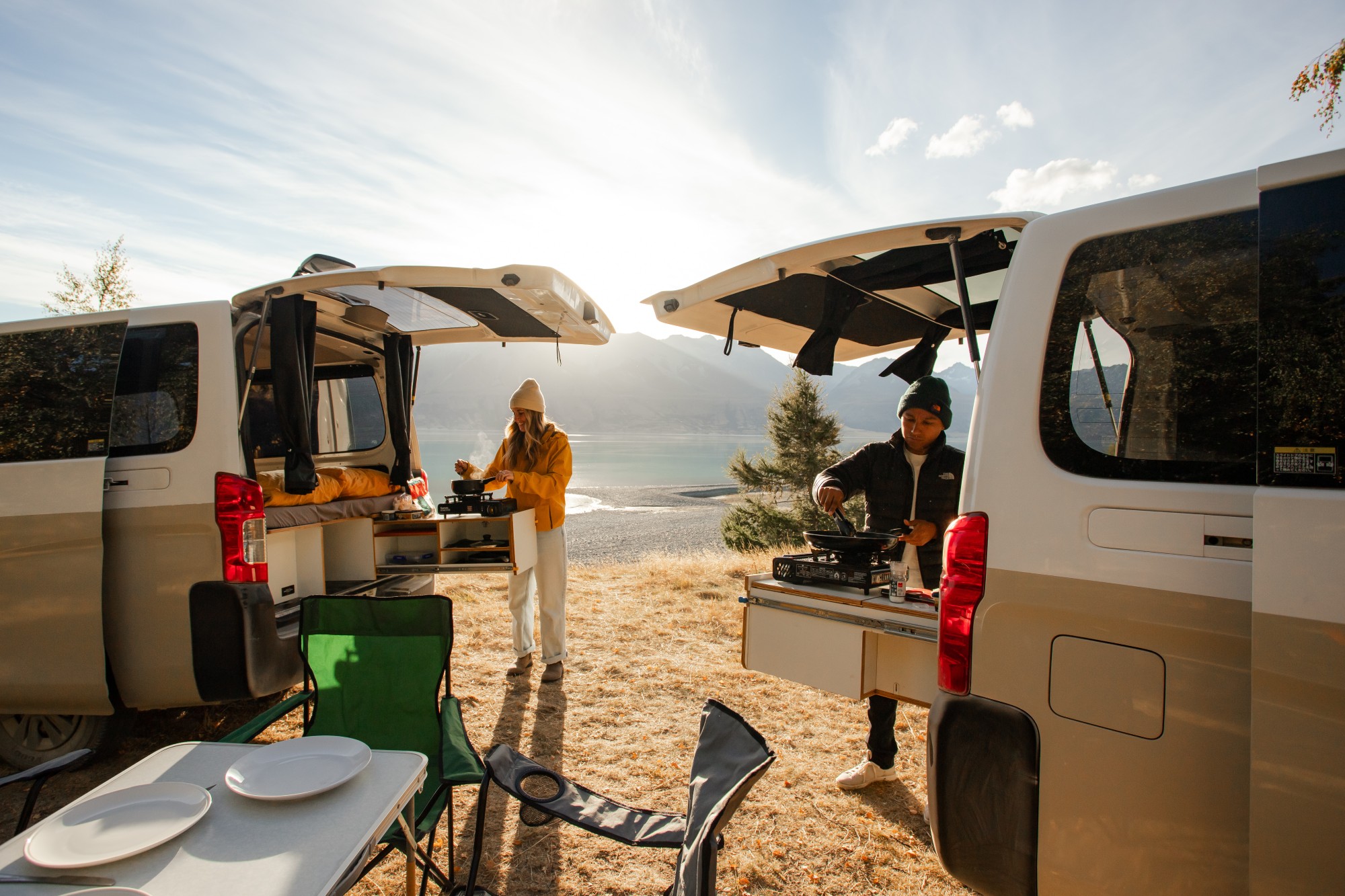
A lot of travellers assume you can pull over anywhere in New Zealand, sleep in your campervan for the night, and carry on in the morning. That's not really how it works. Some roadside areas and laybys allow overnight stays if your van is certified self-contained and the local council permits it. Plenty don't. And getting it wrong can mean fines starting at $400 per person. The good news is that once you understand how freedom camping works in NZ, it's actually pretty straightforward. If you've got a properly certified van, stay in designated spots, and use the right apps to check local rules, travelling this way becomes one of the best parts of a New Zealand road trip. |
Quick SummarySleeping in a campervan on the side of the road in NZ is allowed only in specific, designated areas, and only if your vehicle is certified self-contained. Pulling over to sleep on a random roadside, in a city street, or on private land without permission counts as illegal freedom camping. Standard fines are $400 per person, with offences incurring fines up to $1,000, and rental hirers can be charged up to $2,400. From 7 June 2026, every self-contained vehicle must display a Green Warrant card to camp in self-contained-only zones. The old blue sticker is no longer valid by then. Plan your stops using CamperMate or Rankers. Stick to council-approved areas, DOC campsites, or designated freedom camping spots. Power naps are different from overnight camping and are generally fine. |
|

|
Is it legal to sleep in a campervan on the side of the road in NZ?Not by default. The Freedom Camping Act 2011 defines freedom camping as staying overnight in a vehicle within 200 metres of a road. These include the coast, Great Walks Track, and outside of a designated campground. Local councils set the rules for their own land through bylaws, and the Department of Conservation sets the rules for conservation land. The default position in most council areas is that you can't freedom camp on a public road unless a sign says you can. To legally stay overnight roadside, the site needs to allow overnight camping, your van needs to be certified self-contained, and you need to follow any local rules around stay limits or vehicle restrictions. |
What counts as "roadside" in NZ rules?"Roadside" in the legal sense means a designated layby, rest area, or council-managed car park close to a public road. It does not mean a verge, a farm track, a private driveway, or any random shoulder you happen to find. Parking up on the side of State Highway 6 because the view is good is not roadside camping. It's illegal camping, and it carries the same fines. If you're using an app like CamperMate or Rankers Camping NZ, filter for "freedom camping" sites and read the site notes before you stop. The good apps will tell you whether self-contained certification is required, how many nights you can stay, and whether tents are allowed. |
What are the freedom camping fines in NZ?Fines for breaking freedom camping rules in NZ start at $400 per person under the updated rules from the Self-Contained Motor Vehicles Legislation Act 2023. That's up from the old $200 fee and applies to camping in a non-self-contained vehicle in a self-contained-only area. For more serious offences like dumping waste or damaging an environmentally sensitive area, fines can climb to $1,000. If you're hiring the van, the rental company can charge up to $2,400 as the hire. That cost usually gets passed straight back to the renter through the booking terms. Enforcement varies by region. Queenstown Lakes District, Tasman, and parts of the Coromandel run regular patrols. Smaller rural councils can be less active, but they won't hesitate if a complaint comes in. The point isn't to game where you'll get caught. It's to plan stops where you don't need to. |
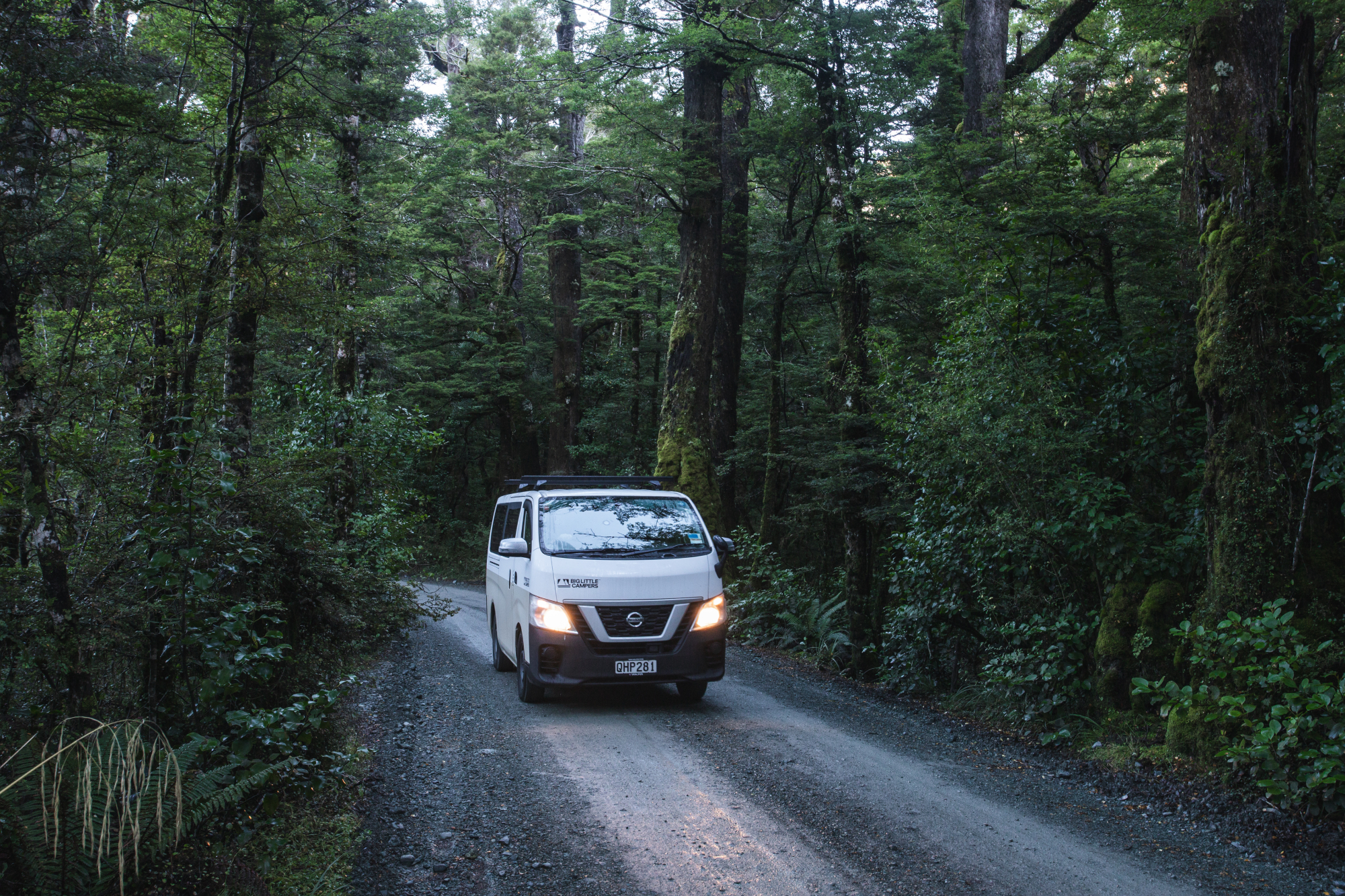
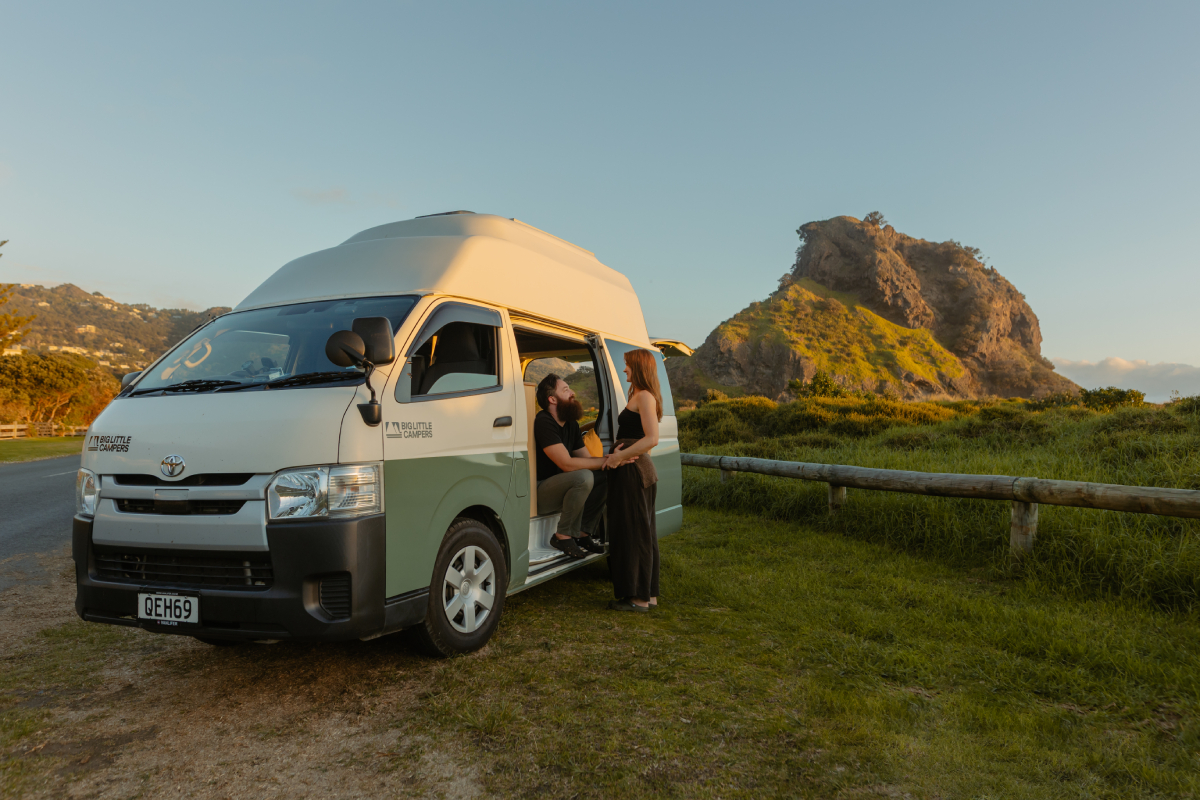
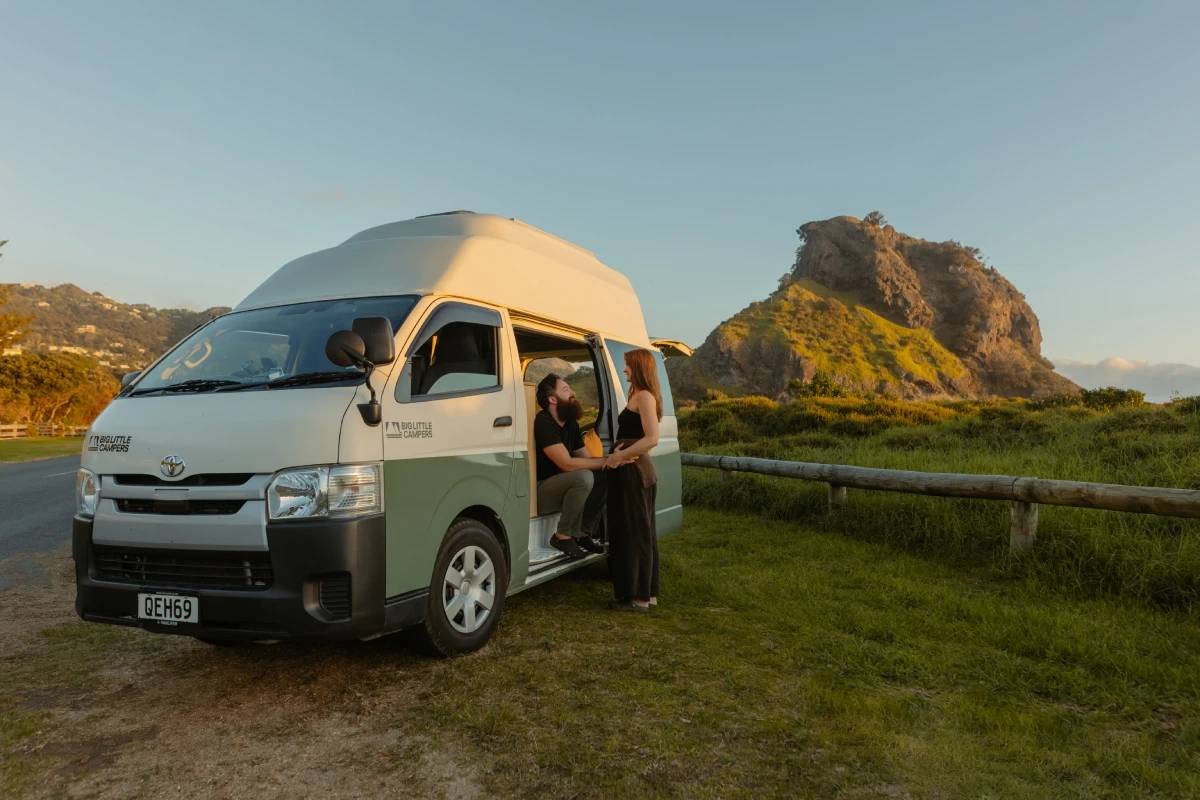
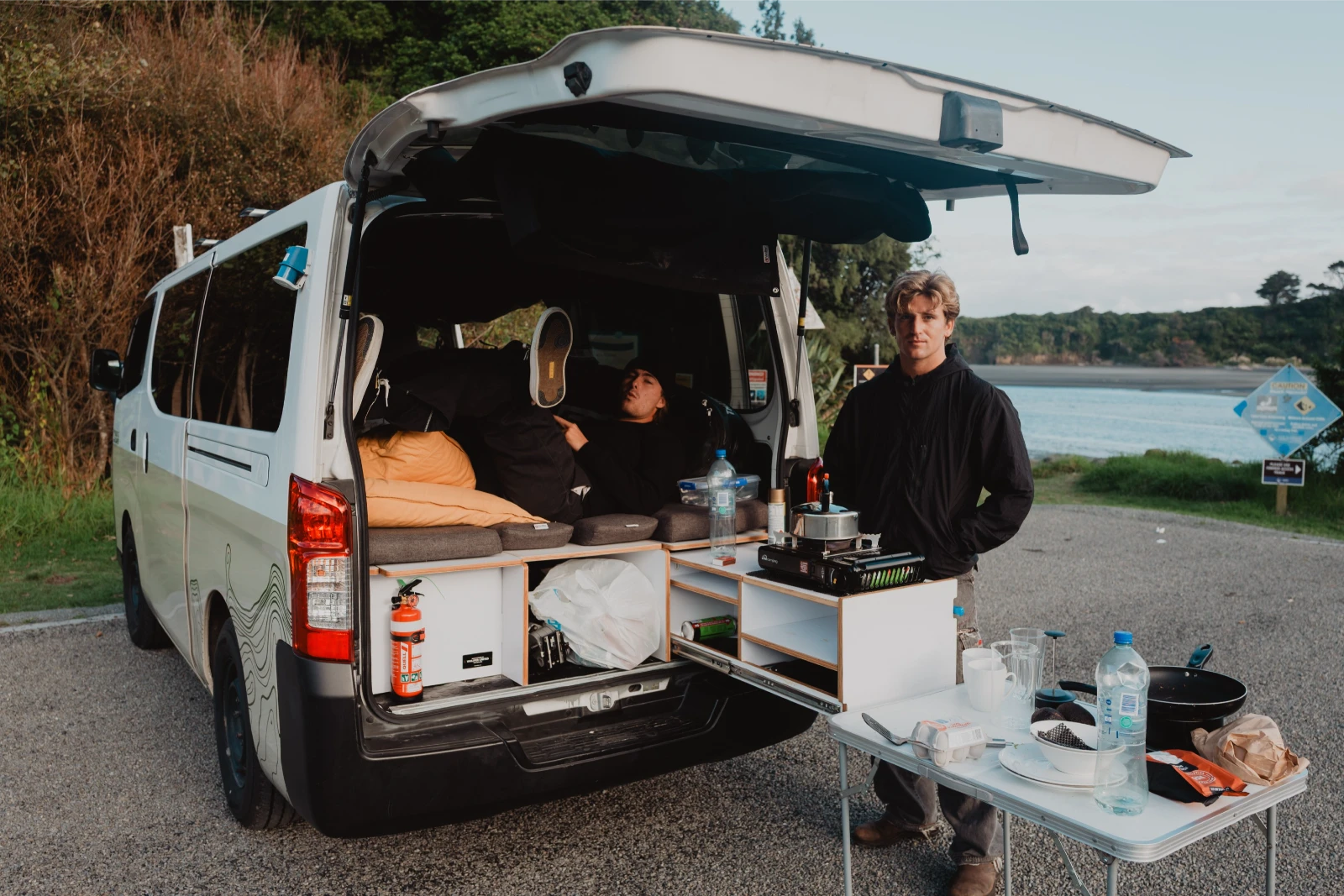
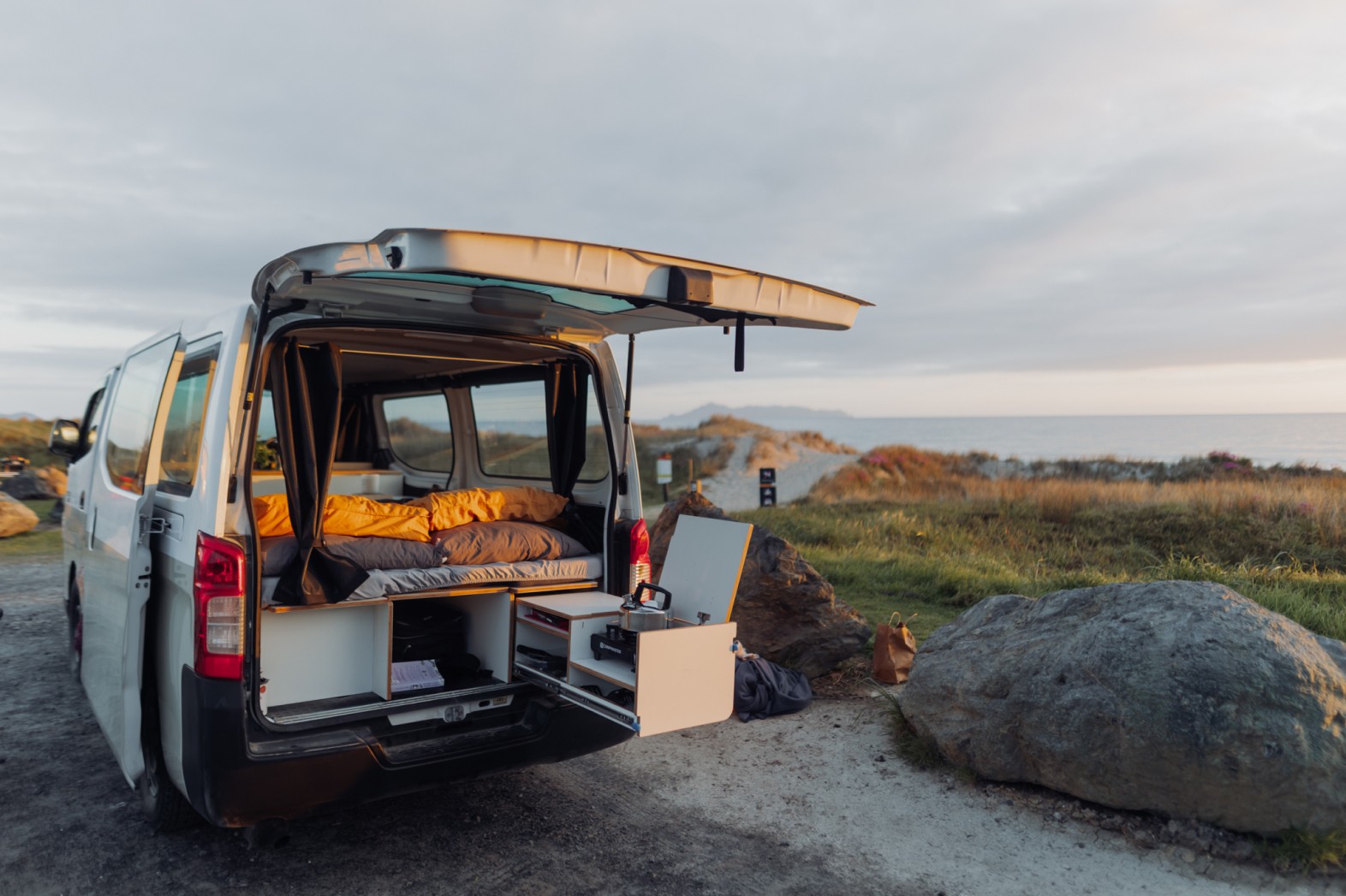
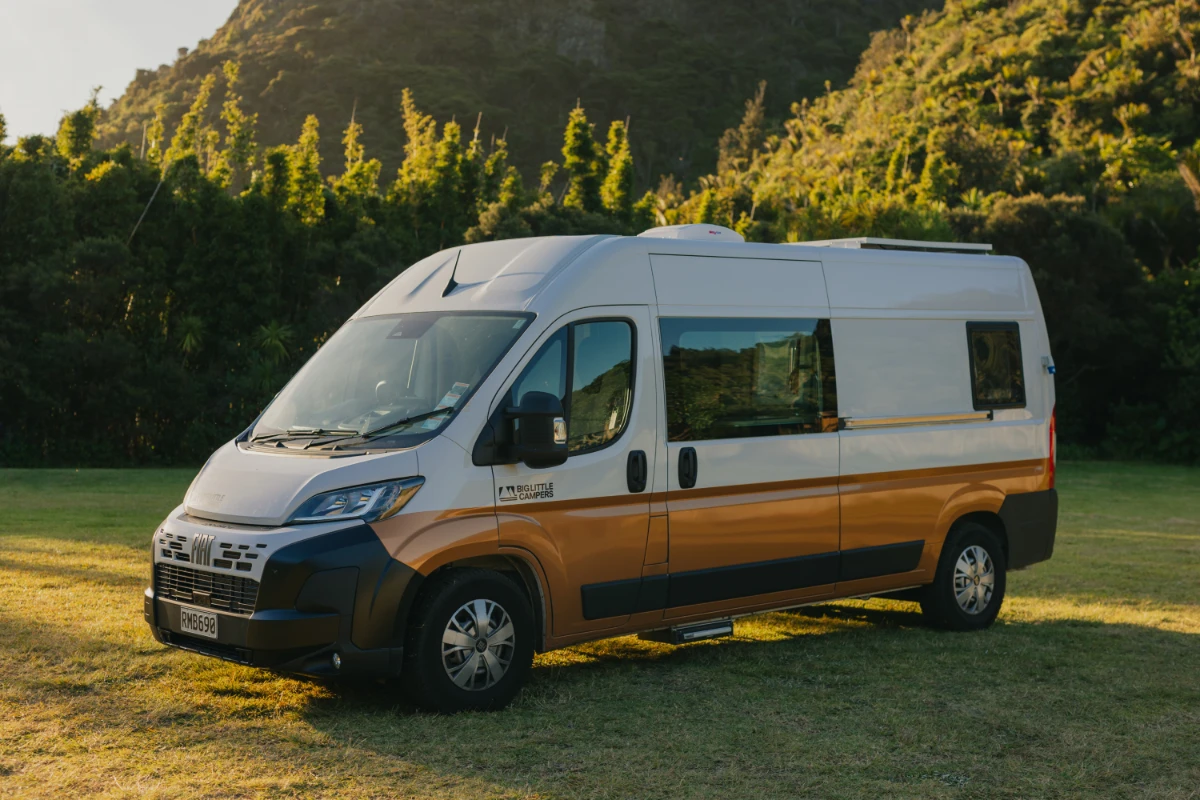
What kind of campervan do you need for legal freedom camping?To freedom camp legally in most NZ regions, you'll need a certified self-contained vehicle with a current Green Warrant. From 7 June 2026, the old blue self-contained sticker will no longer be accepted. Under the updated rules, certified campervans need a fixed toilet, proper fresh water storage, grey water storage, a sink connected to the waste system, and a sealed rubbish bin. Portable toilets no longer qualify under the current standards. Every Big Little Campers van is fully certified to the new Green Warrant standard. The Little One, The Big One, and The Biggest One are set up so you can freedom camp from day one without worrying about the legal side. For a deeper look at why this certification matters, see our guide on self-contained vs non-self-contained campervans. |
|

|
How do freedom camping rules vary by region in NZ?Freedom camping rules in NZ are set council by council, so what's legal in one region may be off-limits in the next. The strictest enforcement sits in Queenstown Lakes District, where bylaws restrict freedom camping to a handful of signposted sites. Patrols run nightly through peak season. The Tasman District around Nelson and Golden Bay is similarly tight. Most council land is off-limits to non-self-contained vehicles year-round. Coromandel ramps up enforcement from December to February, when Hot Water Beach and Cathedral Cove draw heavy summer crowds. Auckland Council operates designated zones like Whisper Cove and Hatfields Beach, with parking on most other public land prohibited. Parts of the West Coast and Southland tend to be more relaxed. There are more first-come-first-served council sites and DOC freedom camping areas. Though the same $400 fine still applies if you camp where you shouldn't. Always check the local council's freedom camping page before locking in your route. Our South Island freedom camping guide covers the South Island regions in more detail. |
Can you sleep in a campervan on the side of the road in NZ?Seldom legally. Local councils manage city and town streets in NZ. Most council bylaws either prohibit overnight camping on public streets outright or restrict it to specific signposted areas. Auckland, Wellington, Christchurch, Queenstown, and most regional centres actively enforce this. The Tasman District has some of the strictest rules in the country. If you arrive late and need somewhere safe to stop, it's much better to head for a designated freedom camping area, holiday park, or proper overnight campground. Quiet residential streets are seldom legal overnight camping spots. |
Can you sleep overnight in a campervan at a rest area?Sometimes for a short stop, rarely as a planned overnight camp. Some NZ Transport Agency rest areas allow quick naps if you're too tired to drive. Others have signs explicitly prohibiting overnight stays. The rule is simple: read the sign. If there's no sign permitting overnight stays, treat it as a no. If you genuinely need to rest, keep things low-key. Don't set up chairs or cooking gear, and treat it as a short recovery stop rather than a campsite. Driving tired is far more dangerous than pulling over for a proper break. You can use apps like CamperMate or Rankers NZ to check before you stop. We're also happy to discuss your route and options with you. |
Frequently Asked QuestionsCan you sleep in a campervan while driving?No one in the vehicle should sleep in a way that breaks NZ road rules. Passengers must wear seatbelts whenever the vehicle is moving, which means no fully reclined seats. If anyone needs to rest, pull over. Can you stop anywhere in a motorhome in New Zealand?No. The same rules that apply to campervans apply to motorhomes and caravans. Self-contained certification, designated areas, and local council bylaws all govern overnight stops. Larger vehicles often have fewer options because some designated areas have size restrictions. Is it legal to sleep in your car in New Zealand?Sleeping in a non-self-contained vehicle for the night counts as freedom camping under the Act. In most council areas, this is restricted or prohibited. The same $400 fine applies. A power nap for fatigue recovery is treated the same as it is for a campervan. Can I park my campervan on the street in New Zealand?You can usually park during the day, subject to normal parking signs. Sleeping in the van on the street overnight is treated as freedom camping. This is also restricted or prohibited by most council bylaws. Check the local rules before assuming a quiet street is fair game. How much do DOC campsites cost?Basic DOC sites are free. Standard sites run roughly $10 to $20 per adult per night. Serviced and scenic sites cost around $20 to $28 per adult and include flush toilets, hot showers, and kitchen benches. A DOC Campsite Pass works out cheaper if you're staying at multiple sites. What's the difference between freedom camping and roadside camping?Freedom camping is the legal term used in NZ legislation for staying overnight in a vehicle outside a designated campground. Roadside camping is a casual term for a type of freedom camping. This is when a vehicle is parked in a layby or rest area near a road. The same Freedom Camping Act rules govern both. Whether the spot is legal depends on whether the council has designated it for overnight stays, not on what you call it. Do I need a Green Warrant to freedom camp after June 2026?Yes. From 7 June 2026, every certified self-contained vehicle freedom camping in NZ must display a current Green Warrant card. The old blue sticker becomes invalid on the same day. Vehicles with portable toilets no longer qualify for certification under the new standard. Rental vans, including the BLC fleet, are already on the Green Warrant. |
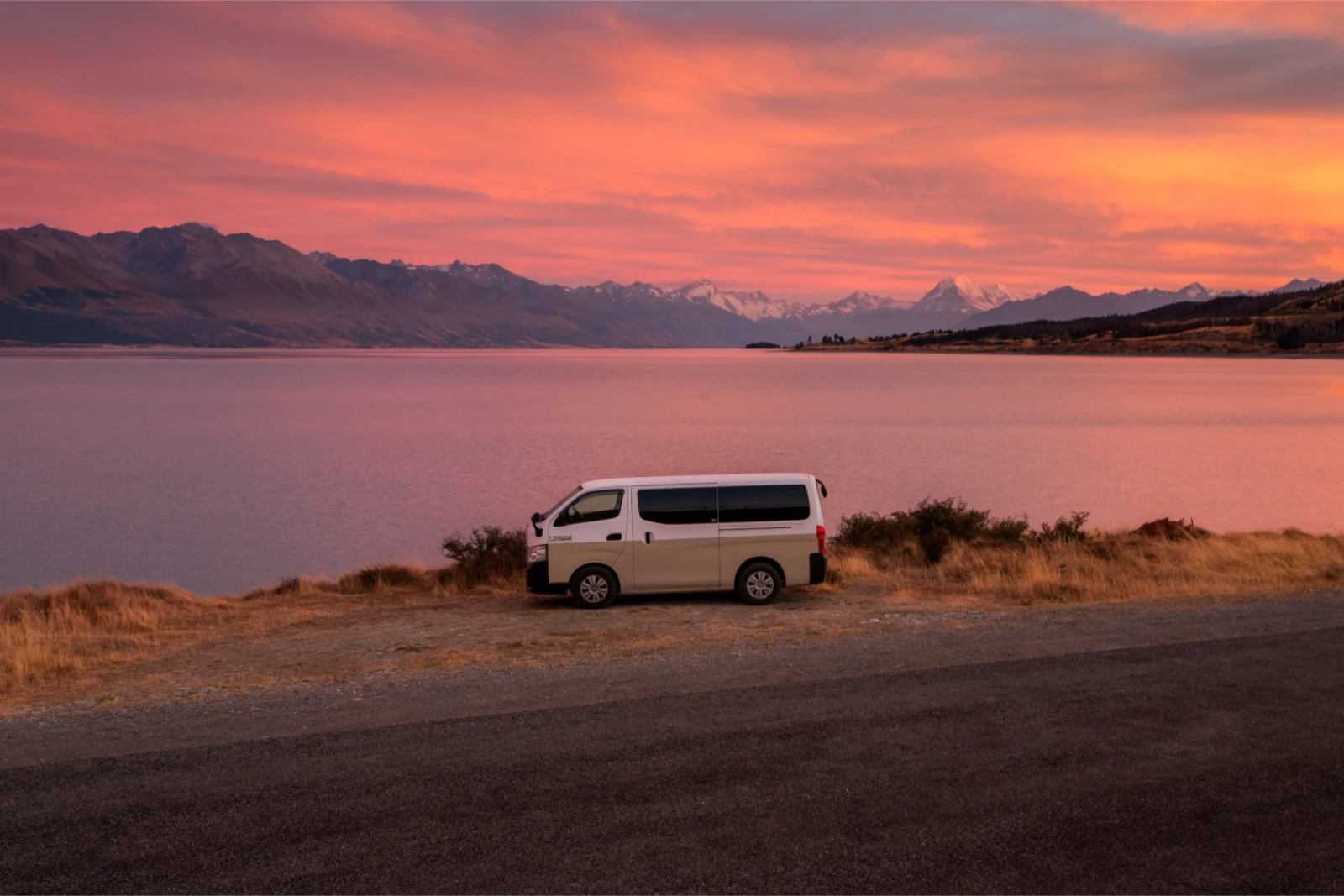
When in doubt, ask the BLC crewNZ's freedom camping rules are stricter than they used to be, but once you understand how the system works, it's pretty straightforward. Get a properly certified van, stay in designated spots, and use apps like CamperMate or Rankers to check local rules before you pull up for the night. The biggest mistake travellers make is assuming a quiet roadside pull-off automatically means overnight camping is allowed. A self-contained campervan gives you far more flexibility. You can pull up beside a lake, stay somewhere quiet for the night, and wake up without another van in sight. That freedom is the whole reason many people choose to travel this way. Book your Big Little Campers van, and you'll be set up with a fully Green Warrant-certified, freedom-camping-ready setup from the moment you pick it up. If you'd like a hand mapping out a route that uses the best legal stops, our crew has driven these roads more times than we can count. Get in touch, and we'll point you at the spots worth waking up at. |
References
Department of Conservation. (n.d.). Haere mai. https://www.doc.govt.nz/
Department of Conservation. (n.d.). Stay at a campsite: Places to Stay. https://www.doc.govt.nz/parks-and-recreation/places-to-stay/stay-at-a-campsite/
Ministry of Business, Innovation and Employment. (2025). Freedom camping changes. https://www.mbie.govt.nz/immigration-and-tourism/tourism/tourism-projects/supporting-responsible-freedom-camping-in-aotearoa-new-zealand/freedom-camping-changes
New Zealand Government. (2011). Freedom Camping Act 2011. New Zealand Legislation. https://www.legislation.govt.nz/act/public/2011/0061/latest/DLM3742824.html
Rankers. (n.d.). Rankers Camping NZ. https://www.rankers.co.nz/apps/camping_nz
WikiCamps NZ. (n.d.). CamperMate. https://www.campermate.com/
|
A lot of travellers assume you can pull over anywhere in New Zealand, sleep in your campervan for the night, and carry on in the morning. That's not really how it works. Some roadside areas and laybys allow overnight stays if your van is certified self-contained and the local council permits it. Plenty don't. And getting it wrong can mean fines starting at $400 per person. The good news is that once you understand how freedom camping works in NZ, it's actually pretty straightforward. If you've got a properly certified van, stay in designated spots, and use the right apps to check local rules, travelling this way becomes one of the best parts of a New Zealand road trip. |
Quick SummarySleeping in a campervan on the side of the road in NZ is allowed only in specific, designated areas, and only if your vehicle is certified self-contained. Pulling over to sleep on a random roadside, in a city street, or on private land without permission counts as illegal freedom camping. Standard fines are $400 per person, with offences incurring fines up to $1,000, and rental hirers can be charged up to $2,400. From 7 June 2026, every self-contained vehicle must display a Green Warrant card to camp in self-contained-only zones. The old blue sticker is no longer valid by then. Plan your stops using CamperMate or Rankers. Stick to council-approved areas, DOC campsites, or designated freedom camping spots. Power naps are different from overnight camping and are generally fine. |
|
|
|
Is it legal to sleep in a campervan on the side of the road in NZ?Not by default. The Freedom Camping Act 2011 defines freedom camping as staying overnight in a vehicle within 200 metres of a road. These include the coast, Great Walks Track, and outside of a designated campground. Local councils set the rules for their own land through bylaws, and the Department of Conservation sets the rules for conservation land. The default position in most council areas is that you can't freedom camp on a public road unless a sign says you can. To legally stay overnight roadside, the site needs to allow overnight camping, your van needs to be certified self-contained, and you need to follow any local rules around stay limits or vehicle restrictions. |
What counts as "roadside" in NZ rules?"Roadside" in the legal sense means a designated layby, rest area, or council-managed car park close to a public road. It does not mean a verge, a farm track, a private driveway, or any random shoulder you happen to find. Parking up on the side of State Highway 6 because the view is good is not roadside camping. It's illegal camping, and it carries the same fines. If you're using an app like CamperMate or Rankers Camping NZ, filter for "freedom camping" sites and read the site notes before you stop. The good apps will tell you whether self-contained certification is required, how many nights you can stay, and whether tents are allowed. |
What are the freedom camping fines in NZ?Fines for breaking freedom camping rules in NZ start at $400 per person under the updated rules from the Self-Contained Motor Vehicles Legislation Act 2023. That's up from the old $200 fee and applies to camping in a non-self-contained vehicle in a self-contained-only area. For more serious offences like dumping waste or damaging an environmentally sensitive area, fines can climb to $1,000. If you're hiring the van, the rental company can charge up to $2,400 as the hire. That cost usually gets passed straight back to the renter through the booking terms. Enforcement varies by region. Queenstown Lakes District, Tasman, and parts of the Coromandel run regular patrols. Smaller rural councils can be less active, but they won't hesitate if a complaint comes in. The point isn't to game where you'll get caught. It's to plan stops where you don't need to. |
What kind of campervan do you need for legal freedom camping?To freedom camp legally in most NZ regions, you'll need a certified self-contained vehicle with a current Green Warrant. From 7 June 2026, the old blue self-contained sticker will no longer be accepted. Under the updated rules, certified campervans need a fixed toilet, proper fresh water storage, grey water storage, a sink connected to the waste system, and a sealed rubbish bin. Portable toilets no longer qualify under the current standards. Every Big Little Campers van is fully certified to the new Green Warrant standard. The Little One, The Big One, and The Biggest One are set up so you can freedom camp from day one without worrying about the legal side. For a deeper look at why this certification matters, see our guide on self-contained vs non-self-contained campervans. |
|
|
|
How do freedom camping rules vary by region in NZ?Freedom camping rules in NZ are set council by council, so what's legal in one region may be off-limits in the next. The strictest enforcement sits in Queenstown Lakes District, where bylaws restrict freedom camping to a handful of signposted sites. Patrols run nightly through peak season. The Tasman District around Nelson and Golden Bay is similarly tight. Most council land is off-limits to non-self-contained vehicles year-round. Coromandel ramps up enforcement from December to February, when Hot Water Beach and Cathedral Cove draw heavy summer crowds. Auckland Council operates designated zones like Whisper Cove and Hatfields Beach, with parking on most other public land prohibited. Parts of the West Coast and Southland tend to be more relaxed. There are more first-come-first-served council sites and DOC freedom camping areas. Though the same $400 fine still applies if you camp where you shouldn't. Always check the local council's freedom camping page before locking in your route. Our South Island freedom camping guide covers the South Island regions in more detail. |
Can you sleep in a campervan on the side of the road in NZ?Seldom legally. Local councils manage city and town streets in NZ. Most council bylaws either prohibit overnight camping on public streets outright or restrict it to specific signposted areas. Auckland, Wellington, Christchurch, Queenstown, and most regional centres actively enforce this. The Tasman District has some of the strictest rules in the country. If you arrive late and need somewhere safe to stop, it's much better to head for a designated freedom camping area, holiday park, or proper overnight campground. Quiet residential streets are seldom legal overnight camping spots. |
Can you sleep overnight in a campervan at a rest area?Sometimes for a short stop, rarely as a planned overnight camp. Some NZ Transport Agency rest areas allow quick naps if you're too tired to drive. Others have signs explicitly prohibiting overnight stays. The rule is simple: read the sign. If there's no sign permitting overnight stays, treat it as a no. If you genuinely need to rest, keep things low-key. Don't set up chairs or cooking gear, and treat it as a short recovery stop rather than a campsite. Driving tired is far more dangerous than pulling over for a proper break. You can use apps like CamperMate or Rankers NZ to check before you stop. We're also happy to discuss your route and options with you. |
Frequently Asked QuestionsCan you sleep in a campervan while driving?No one in the vehicle should sleep in a way that breaks NZ road rules. Passengers must wear seatbelts whenever the vehicle is moving, which means no fully reclined seats. If anyone needs to rest, pull over. Can you stop anywhere in a motorhome in New Zealand?No. The same rules that apply to campervans apply to motorhomes and caravans. Self-contained certification, designated areas, and local council bylaws all govern overnight stops. Larger vehicles often have fewer options because some designated areas have size restrictions. Is it legal to sleep in your car in New Zealand?Sleeping in a non-self-contained vehicle for the night counts as freedom camping under the Act. In most council areas, this is restricted or prohibited. The same $400 fine applies. A power nap for fatigue recovery is treated the same as it is for a campervan. Can I park my campervan on the street in New Zealand?You can usually park during the day, subject to normal parking signs. Sleeping in the van on the street overnight is treated as freedom camping. This is also restricted or prohibited by most council bylaws. Check the local rules before assuming a quiet street is fair game. How much do DOC campsites cost?Basic DOC sites are free. Standard sites run roughly $10 to $20 per adult per night. Serviced and scenic sites cost around $20 to $28 per adult and include flush toilets, hot showers, and kitchen benches. A DOC Campsite Pass works out cheaper if you're staying at multiple sites. What's the difference between freedom camping and roadside camping?Freedom camping is the legal term used in NZ legislation for staying overnight in a vehicle outside a designated campground. Roadside camping is a casual term for a type of freedom camping. This is when a vehicle is parked in a layby or rest area near a road. The same Freedom Camping Act rules govern both. Whether the spot is legal depends on whether the council has designated it for overnight stays, not on what you call it. Do I need a Green Warrant to freedom camp after June 2026?Yes. From 7 June 2026, every certified self-contained vehicle freedom camping in NZ must display a current Green Warrant card. The old blue sticker becomes invalid on the same day. Vehicles with portable toilets no longer qualify for certification under the new standard. Rental vans, including the BLC fleet, are already on the Green Warrant. |
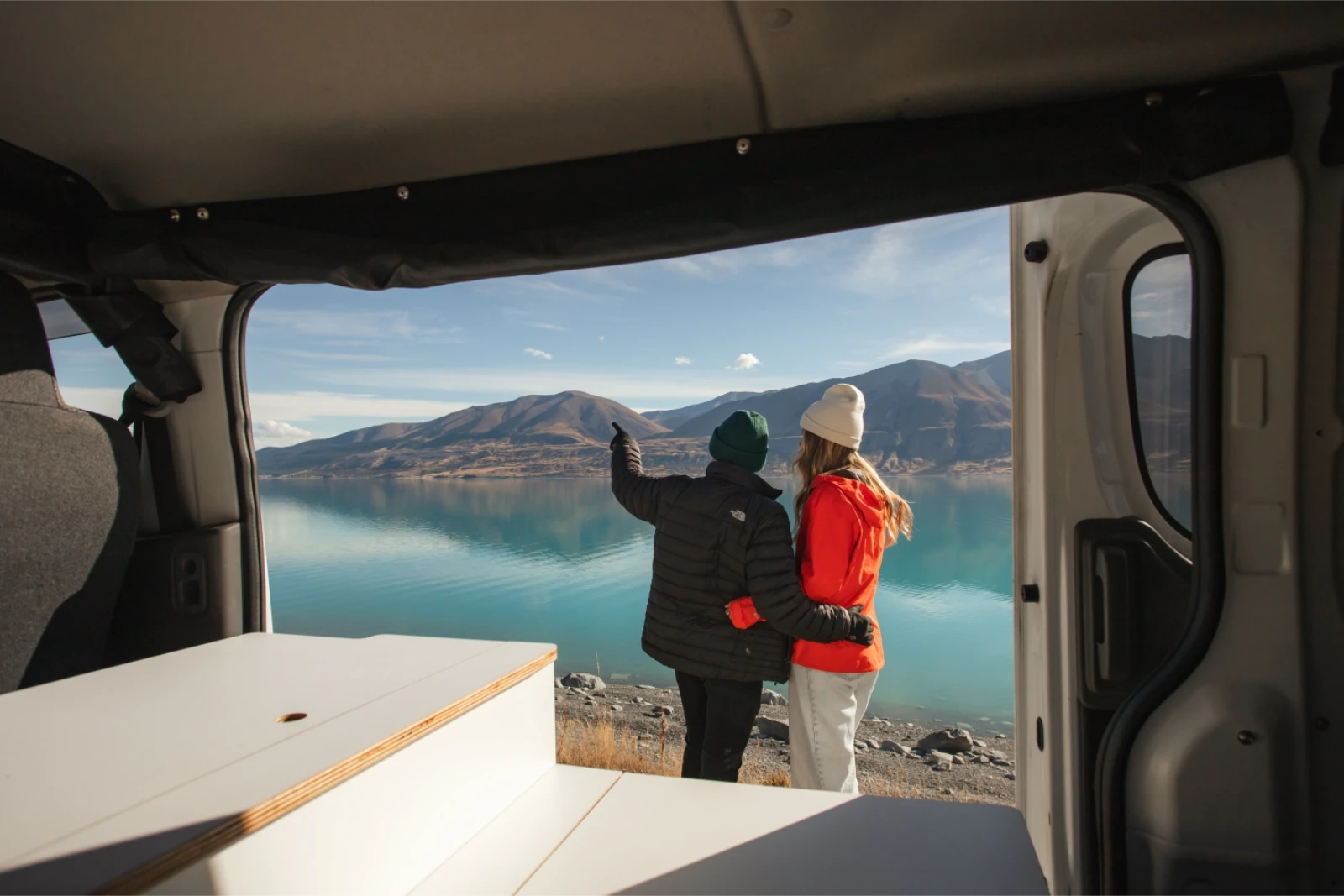
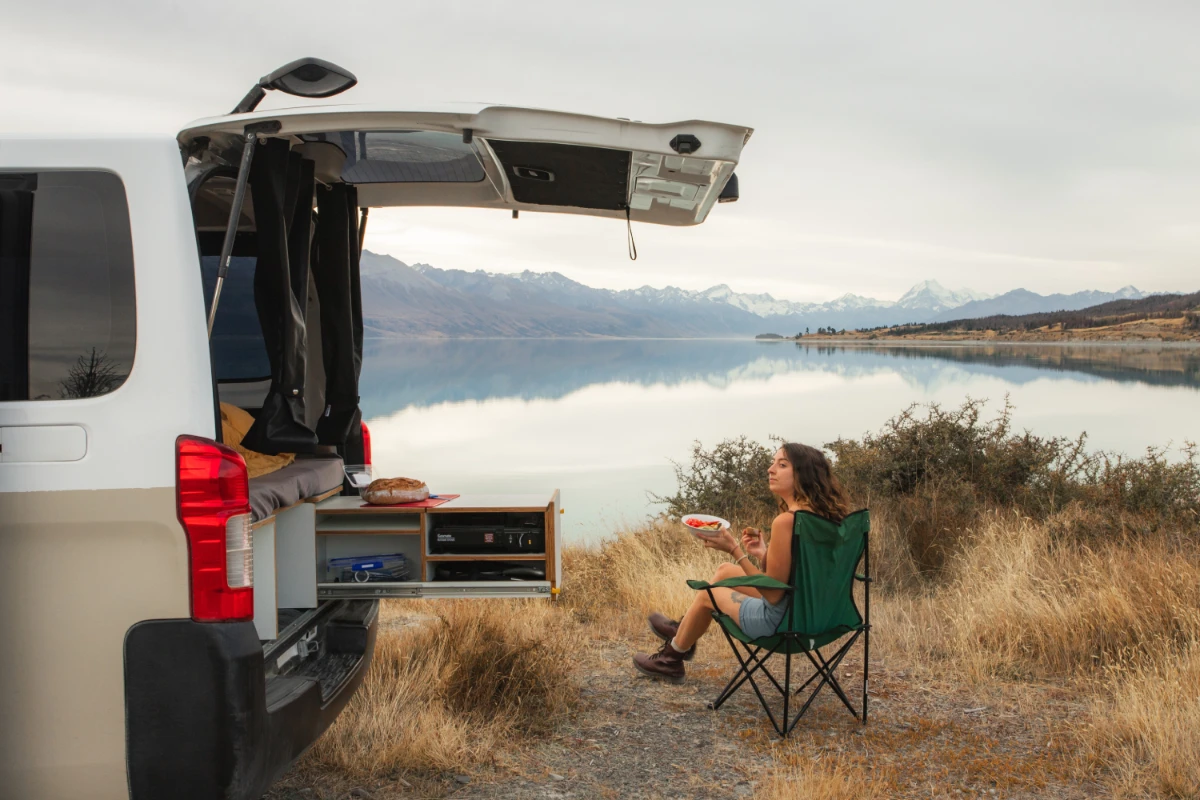
When in doubt, ask the BLC crewNZ's freedom camping rules are stricter than they used to be, but once you understand how the system works, it's pretty straightforward. Get a properly certified van, stay in designated spots, and use apps like CamperMate or Rankers to check local rules before you pull up for the night. The biggest mistake travellers make is assuming a quiet roadside pull-off automatically means overnight camping is allowed. A self-contained campervan gives you far more flexibility. You can pull up beside a lake, stay somewhere quiet for the night, and wake up without another van in sight. That freedom is the whole reason many people choose to travel this way. Book your Big Little Campers van, and you'll be set up with a fully Green Warrant-certified, freedom-camping-ready setup from the moment you pick it up. If you'd like a hand mapping out a route that uses the best legal stops, our crew has driven these roads more times than we can count. Get in touch, and we'll point you at the spots worth waking up at. |
References
Department of Conservation. (n.d.). Haere mai. https://www.doc.govt.nz/
Department of Conservation. (n.d.). Stay at a campsite: Places to Stay. https://www.doc.govt.nz/parks-and-recreation/places-to-stay/stay-at-a-campsite/
Ministry of Business, Innovation and Employment. (2025). Freedom camping changes. https://www.mbie.govt.nz/immigration-and-tourism/tourism/tourism-projects/supporting-responsible-freedom-camping-in-aotearoa-new-zealand/freedom-camping-changes
New Zealand Government. (2011). Freedom Camping Act 2011. New Zealand Legislation. https://www.legislation.govt.nz/act/public/2011/0061/latest/DLM3742824.html
Rankers. (n.d.). Rankers Camping NZ. https://www.rankers.co.nz/apps/camping_nz
WikiCamps NZ. (n.d.). CamperMate. https://www.campermate.com/
Read more





.jpg)
.jpg)
.jpg)
.jpg)
.jpg)

.jpg)
.jpg)